
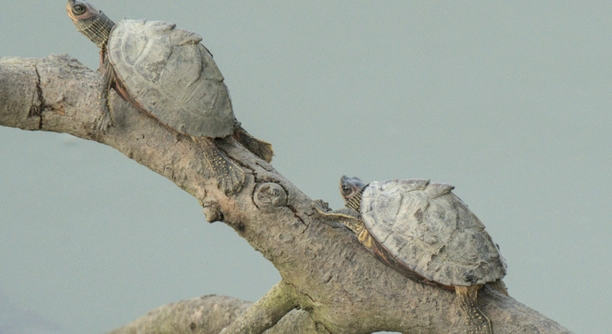
The Indian Roofed Tortoise is known for its hard and protective shell. However, there are various factors that can cause the shell to become soft, impacting its overall health and well-being.
Softening of the shell in Indian Roofed Tortoises often results from improper diet, lack of calcium, poor lighting, or environmental stress. These factors weaken the shell’s structure, making it vulnerable to damage and other health issues.
Maintaining the right balance of diet and environment is key to keeping your tortoise healthy. Continue reading to learn more about the causes of a soft shell and how to address them.
Lack of Calcium in the Diet
Calcium is an essential nutrient for tortoises, playing a critical role in maintaining a strong shell. Without enough calcium, the tortoise’s shell becomes soft and weak, making it more prone to damage. Calcium helps in the formation of the hard outer layer of the shell, and when it’s lacking, the shell can start to lose its firmness and become brittle over time. An inadequate diet with little calcium can make it harder for the tortoise to grow and develop properly. It’s important to feed them foods rich in calcium, such as dark leafy greens, and sometimes use calcium supplements to ensure they’re getting enough.
If a tortoise’s shell begins to soften, it could be a sign that it isn’t getting enough calcium. This can be easily fixed by adjusting its diet. Providing foods like collard greens, dandelion greens, and calcium supplements will help strengthen their shell again.
Offering calcium-rich foods and ensuring proper supplements should always be part of your tortoise’s regular diet. Without them, its health and shell integrity will continue to suffer.
Poor Lighting and Lack of UVB Exposure
Tortoises rely on UVB light to absorb calcium properly. Without it, their shells can become soft and weak. UVB light helps them process calcium from their food, and without it, they can’t form the strong shell they need.
Tortoises that don’t get enough UVB light may develop soft shells. It’s essential to have proper lighting, such as UVB bulbs, in their enclosure. These bulbs mimic the natural sunlight they would receive in the wild, allowing them to metabolize calcium correctly. Without UVB exposure, even a diet rich in calcium won’t be effective.
UVB light should be used regularly in your tortoise’s habitat, ideally for about 12-14 hours a day, depending on the species. This ensures they can properly utilize calcium and maintain a healthy shell. Also, check the bulbs regularly, as their effectiveness decreases over time. Just like a human needs sunlight to stay healthy, your tortoise needs UVB light to thrive.
Stress and Environmental Factors
Environmental stress can have a significant impact on a tortoise’s health, including the softness of its shell. Factors such as temperature fluctuations, humidity levels, and overcrowding can all contribute to a stressed tortoise. Stress can weaken its immune system, making it harder for the tortoise to maintain its shell’s strength.
Tortoises are sensitive to their environment, and changes in it can cause them stress. A sudden temperature change or inadequate space in their enclosure can cause physical symptoms, including a soft shell. It’s essential to create a stable, comfortable environment where your tortoise feels safe.
Maintaining proper temperature and humidity levels will help reduce stress. Tortoises need a warm spot and a cooler area in their enclosure to regulate body temperature. Additionally, providing enough space for them to move freely will reduce stress and allow them to thrive in a comfortable environment.
Inadequate or Improper Diet
An improper diet is one of the main reasons why a tortoise’s shell might soften. It’s not just about offering a variety of foods; it’s about making sure those foods meet the tortoise’s specific nutritional needs. Feeding them too many foods high in phosphorus or low in calcium can lead to shell problems.
Many tortoises need a balanced diet consisting of vegetables, fruits, and sometimes protein. If their meals lack the right nutrients, their shells won’t be able to form properly. It’s important to avoid feeding your tortoise foods that are overly high in protein or low in fiber, as these can upset their diet and weaken their shell.
Providing the correct variety of food in the right proportions is crucial. A proper mix of dark leafy greens, calcium-rich foods, and occasional fruits will help your tortoise stay healthy. Without these, the shell becomes vulnerable and weak. Make sure to do some research on the best diet for your specific tortoise species to keep its shell strong.
Overfeeding or Underfeeding
Feeding your tortoise too much or too little can have a big effect on its shell. Overfeeding leads to obesity, which can stress the tortoise’s body, including its shell. On the other hand, underfeeding causes malnutrition and prevents the proper development of a strong shell.
Proper portion control is key. Tortoises require a balanced diet that meets their energy needs without overloading them. Both overfeeding and underfeeding can cause health problems that affect their shell, so it’s important to offer the right amount of food and monitor their weight regularly.
Feeding the right amounts and ensuring the food is nutrient-dense will help maintain their overall health. It’s also essential to adjust portions based on age, size, and activity level to avoid feeding mistakes.
Poor Shell Care and Injury
Improper handling and injury can also lead to a soft shell. Dropping the tortoise or rough handling can damage the shell or cause stress, which may lead to softening. Handling them gently and carefully will prevent unnecessary harm.
Shells can become soft if a tortoise suffers from physical injury, whether through trauma or stress. A crack or wound in the shell can make it more vulnerable to infection and cause it to lose strength. Ensure your tortoise is handled with care, and its enclosure is free from sharp objects or hazards that could cause injury.
Illnesses and Infections
Certain illnesses, especially fungal and bacterial infections, can cause the tortoise’s shell to soften. These infections can attack the shell, weakening its structure. Prompt treatment is necessary to prevent further damage. Keep an eye out for signs of illness, such as changes in behavior or appetite.
If your tortoise shows signs of illness, it’s important to act quickly. A weakened immune system, caused by underlying diseases, can allow infections to thrive, damaging the shell. Early detection and treatment by a veterinarian are key to protecting your tortoise from further health issues. Proper care and hygiene in their living environment can reduce the risk of infections.
FAQ
What can cause an Indian Roofed Tortoise’s shell to become soft?
Several factors can cause a tortoise’s shell to become soft, including a lack of calcium, improper lighting, stress, poor diet, and injury. If your tortoise isn’t getting enough calcium in its diet, its shell won’t be able to develop properly. UVB light is also essential for the absorption of calcium. Environmental stress, such as temperature fluctuations or overcrowding, can weaken the shell. Additionally, feeding your tortoise the wrong food or overfeeding/underfeeding can result in a soft shell. Injuries or infections can also cause the shell to become soft.
How can I prevent my tortoise’s shell from becoming soft?
To prevent a soft shell, ensure your tortoise gets a proper diet with enough calcium, including dark leafy greens like collard and dandelion greens. You should also provide UVB lighting for 12-14 hours a day to help with calcium absorption. Keeping the environment stable with proper humidity, temperature, and enough space for your tortoise is crucial. Regularly monitor your tortoise’s health, weight, and behavior to catch any signs of illness early. A gentle approach when handling the tortoise will also help prevent injury.
How much calcium does an Indian Roofed Tortoise need?
The amount of calcium needed can vary based on the tortoise’s age, size, and activity level. As a general rule, your tortoise should get a calcium supplement around 2-3 times a week. Adult tortoises typically need less than younger ones, who are still growing. Offer calcium-rich foods like dark leafy greens, and consider using a calcium supplement if your tortoise isn’t getting enough from its diet alone. Be sure to consult with a veterinarian for specific recommendations for your tortoise’s species and needs.
Can a soft shell be fixed?
Yes, a soft shell can often be fixed by addressing the underlying cause. If it’s due to a lack of calcium, adding calcium-rich foods or supplements should help. Improving UVB lighting can also make a difference. If the shell is soft due to stress or environmental factors, adjusting the living conditions and reducing stress will help. However, if the soft shell is caused by injury or infection, you’ll need to consult with a veterinarian for proper treatment.
What kind of UVB light does my tortoise need?
Your tortoise needs a UVB bulb that provides a spectrum similar to natural sunlight. UVB light helps them process calcium from their food. A high-quality bulb that emits UVB rays should be placed about 12-18 inches away from your tortoise. Replace the bulb every 6 months to ensure it is still effective, as the UVB rays weaken over time, even if the bulb is still emitting light.
What temperature should my tortoise’s enclosure be?
Tortoises need a range of temperatures within their enclosure to regulate their body temperature. The basking spot should be around 95-100°F (35-38°C), while the cooler side of the enclosure should range between 75-80°F (24-27°C). A temperature gradient allows your tortoise to choose the best spot for its needs. Be sure to monitor the temperature regularly with a thermometer, and adjust heating elements if necessary.
How much space does my tortoise need?
The size of the enclosure will depend on the size of your tortoise. As a general rule, your tortoise should have at least 10 square feet of space per adult tortoise. More space is always better, as tortoises are naturally active and need room to move around. Avoid overcrowding in the enclosure, as this can lead to stress and other health issues. Larger enclosures also make it easier to create a temperature gradient and offer the tortoise both warm and cooler areas to explore.
Can stress cause my tortoise’s shell to soften?
Yes, stress can cause physical changes in a tortoise, including a soft shell. Stress can come from environmental factors such as sudden temperature changes, improper lighting, overcrowding, or even rough handling. Chronic stress weakens the tortoise’s immune system, making it harder for its body to maintain a healthy, strong shell. Reducing stress by providing a stable and comfortable living environment is essential for your tortoise’s health.
How do I know if my tortoise is sick?
A sick tortoise may show several signs, including a lack of appetite, lethargy, or changes in behavior. If your tortoise is not eating or drinking as usual, it could indicate illness. Other signs include nasal discharge, wheezing, swollen eyes, or a soft or discolored shell. Any changes in behavior or appearance should be addressed immediately by a veterinarian. Early detection and treatment are important for preventing further health issues.
Is it safe to handle my tortoise?
Handling your tortoise should be done gently and infrequently, as too much handling can cause stress. When handling, always support its body properly, avoiding any sudden movements or dropping. Rough handling can cause injury to the tortoise’s shell, leading to potential long-term damage. It’s best to let your tortoise roam in its enclosure and observe it from a distance. If you need to move it, ensure your tortoise is relaxed and never force it.
Final Thoughts
Taking care of an Indian Roofed Tortoise requires attention to detail and a commitment to providing the right environment for its health. A soft shell is often a sign that something is wrong, whether it’s due to diet, lighting, stress, or other factors. It’s important to remember that a tortoise’s shell is vital to its overall well-being. Ensuring your tortoise gets the right amount of calcium, proper UVB exposure, and a stress-free environment will help maintain a strong, healthy shell.
Regularly check your tortoise’s habitat and diet. Providing a variety of nutrient-rich foods, including calcium-rich greens, will support its shell health. If your tortoise is not getting enough calcium or UVB light, these issues can quickly result in a soft shell. You must also keep an eye on temperature and humidity levels in its enclosure. A stable and safe environment helps minimize stress and encourages your tortoise to thrive.
Ultimately, it’s about being proactive. If you notice changes in your tortoise’s shell or behavior, take action early. Soft shells can often be fixed, but it’s much easier to prevent problems before they become serious. Regular check-ups with a vet, along with adjustments to its care routine, can keep your tortoise healthy and happy. By taking the right steps to care for your tortoise, you can help it lead a long and healthy life.

Hello,
If you enjoy the content that we create, please consider saying a "Thank You!" by leaving a tip.
Every little bit helps us continue crafting quality advice that supports the health, happiness, and well-being of pets around the world, for pets of all shapes, sizes, and species.
We really appreciate the kindness and support that you show us!