
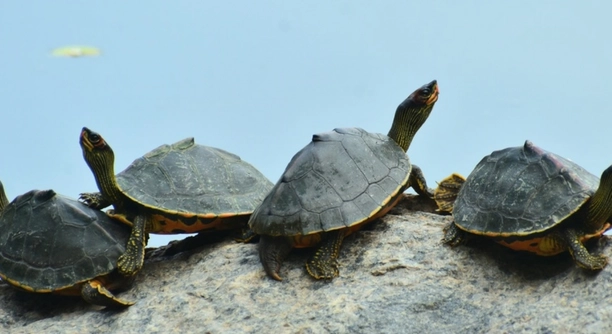
An Indian Roofed Tortoise is a fascinating pet that thrives in a carefully prepared environment. Ensuring their tank is both comfortable and suitable is key to their well-being. Creating a cozy space will help your tortoise feel safe and healthy.
Making an Indian Roofed Tortoise’s tank more comfortable involves adjusting factors like temperature, humidity, lighting, and tank size. Providing the right substrate, shelter, and enrichment will also support your pet’s overall health and happiness in its habitat.
By improving their tank, you can enhance your tortoise’s quality of life. Continue reading to discover simple ways to ensure your pet feels at home.
Choosing the Right Tank Size
The size of your Indian Roofed Tortoise’s tank is crucial for their comfort and health. A tank that is too small will make your tortoise feel cramped, while a tank that is too large can make it hard for them to find their food or feel secure. As a general rule, your tortoise’s enclosure should be at least 40 gallons for one adult tortoise. This gives them enough space to roam around and explore without feeling overwhelmed.
A larger tank provides room for creating different zones, such as a warm area, a cooler area, and a place for hiding. It’s important to ensure the tank has enough height and space for your tortoise to move freely, which helps them exercise and avoid stress.
When choosing the tank, consider the space in your home. The enclosure should be large enough for your tortoise to move around comfortably, yet not too big that it becomes difficult to maintain the proper temperature and humidity. A balanced tank will promote overall health and comfort.
Temperature Control
Keeping the right temperature is vital for your tortoise’s well-being.
To regulate the temperature, provide a heat source, like a basking lamp or ceramic heat emitter. Aim for a basking area that reaches around 90-95°F. The rest of the tank should stay between 75-85°F, with a cooler area where your tortoise can retreat when they need a break from the warmth.
The temperature needs to be consistent for your tortoise to properly digest food and stay active. A thermometer in both the warm and cool areas of the tank will help you monitor temperature changes. Avoid drastic fluctuations, as it can cause stress. Keeping the tank warm enough during the day and cooler at night mirrors their natural environment, supporting their daily cycle.
A steady temperature range also prevents illnesses and boosts your tortoise’s immune system. With the right heat management, your tortoise will thrive in its habitat and feel secure.
Providing Proper Humidity
Maintaining the right humidity is essential for your tortoise’s health. The humidity level in their tank should be around 50-70%. Too little humidity can lead to dehydration, while too much can cause respiratory issues. Using a hygrometer will help you keep track of the humidity levels.
To increase humidity, you can mist the tank with water or add a shallow water dish. If the air gets too dry, consider using a humidifier or placing a wet sponge in the tank. On the other hand, if the tank is too humid, ensure proper ventilation to allow airflow.
It’s important to check humidity regularly because fluctuations can stress your tortoise. Maintaining stable humidity helps with shedding and digestion, both of which are crucial for their overall health. If you’re in a particularly dry or humid climate, take extra care to adjust your setup accordingly.
Providing the Right Substrate
The right substrate makes a huge difference in comfort.
Choose a substrate that mimics the tortoise’s natural habitat, such as coconut coir, cypress mulch, or organic topsoil. These materials allow for burrowing, which is important for your tortoise’s well-being. Avoid using sandy or gravel-based substrates, as they can lead to digestive issues if ingested.
A good substrate should be easy to clean and maintain. You can change it every few weeks, but spot cleaning daily is essential. Make sure the substrate isn’t too deep, as your tortoise may have trouble moving around. A shallow layer about 2-3 inches thick works well for most tortoises. Keeping the tank clean and the substrate dry will help prevent mold growth and bacteria, ensuring your tortoise’s home is both comfortable and safe.
Adding Hiding Spaces
Tortoises are naturally shy creatures and enjoy having a safe place to hide. Adding a hide or small cave in their tank gives them a place to retreat when they feel stressed or tired. This makes them feel secure and reduces anxiety.
You can use ceramic or wooden hides, or even simple plastic tunnels. Make sure the hide is large enough for your tortoise to comfortably fit inside but not too big that it feels exposed. Place it in a quiet area of the tank, preferably in the cooler section, so your tortoise can rest in peace.
Providing UVB Lighting
UVB lighting is a must for your tortoise’s health.
UVB rays help your tortoise produce vitamin D3, which is essential for calcium absorption. Without proper UVB exposure, your tortoise could develop metabolic bone disease or other health issues. Ensure the light is positioned above the basking area and turned on for 10-12 hours daily.
The UVB bulb should be replaced every six months to maintain its effectiveness, as the light degrades over time. Always choose a reputable bulb designed specifically for reptiles, as these provide the correct wavelengths of light. Also, avoid placing the bulb too far from your tortoise, as they need direct exposure to absorb the UVB rays.
Keeping the Tank Clean
A clean tank ensures a healthier environment for your tortoise.
Spot clean the tank daily, removing uneaten food and waste. Perform a full substrate change every few weeks to keep things fresh. Clean the water dish and any accessories regularly to prevent bacteria buildup.
FAQ
How often should I feed my Indian Roofed Tortoise?
Indian Roofed Tortoises typically need to be fed every 2-3 days, though younger tortoises may require daily meals. They are herbivores, so their diet should consist mainly of leafy greens, grasses, and occasional fruits. Avoid feeding them too many high-oxalate foods like spinach, as it can affect calcium absorption. Ensure their diet is varied to mimic their natural food sources. A well-balanced diet supports growth and helps prevent health issues, like shell deformities.
What temperature should my tortoise’s basking area be?
The basking area should be between 90-95°F (32-35°C). This allows your tortoise to regulate its body temperature and helps with digestion. If the basking area is too cool, your tortoise may become sluggish and refuse to eat. Conversely, if it gets too hot, they can become stressed. Make sure there is a cooler side of the tank where they can retreat to stay comfortable.
Can I use tap water in my tortoise’s tank?
Yes, you can use tap water, but make sure it’s free of chlorine or chloramine. Chlorine can be harmful to your tortoise, so letting the water sit for 24 hours before using it in the tank will help it dissipate. Alternatively, you can use bottled or filtered water if you’re concerned about the quality of your tap water. Always change the water regularly to ensure it’s fresh and clean.
How do I know if my tortoise is stressed?
Signs of stress in tortoises include hiding more than usual, decreased activity, loss of appetite, and defensive behavior. If your tortoise is constantly trying to escape its enclosure, it could be due to inadequate space or poor tank conditions. Changes in behavior like excessive pacing or withdrawing into its shell can also indicate stress. Regularly assess their environment, temperature, and humidity to ensure everything is suitable.
Is it okay for my tortoise to have a companion?
Tortoises are typically solitary animals and may not always enjoy having a companion in their tank. Introducing another tortoise could lead to territorial behavior or stress. If you do choose to keep multiple tortoises, it’s important to ensure they have enough space and hiding spots to prevent conflicts. Monitor their behavior closely to ensure they are getting along and not fighting over food or space.
Can I take my tortoise outside?
Yes, taking your tortoise outside can be beneficial, but it needs to be done with caution. Ensure the area is secure and free from predators. Also, keep in mind the temperature and weather conditions, as extreme heat or cold can be harmful. Always supervise your tortoise when outside to prevent accidents. A small, enclosed yard with grass or dirt is ideal for outdoor exploration.
How can I ensure my tortoise stays hydrated?
Providing a shallow water dish that your tortoise can easily access is key to keeping it hydrated. Tortoises often drink from their dish or soak in water. You can also mist the tank occasionally to maintain humidity, which helps with hydration. Additionally, feeding water-rich vegetables like cucumbers and leafy greens can contribute to their overall hydration.
How do I prevent my tortoise from getting shell rot?
Shell rot is a bacterial or fungal infection that affects the tortoise’s shell. To prevent it, maintain a clean and dry environment in the tank. Make sure the humidity levels are right and that the substrate is not too wet, as dampness encourages fungal growth. If you notice any soft spots or discolored areas on the shell, consult a vet immediately.
What should I do if my tortoise stops eating?
If your tortoise stops eating, it could be due to several factors, such as stress, improper temperature, or illness. First, check the temperature, humidity, and cleanliness of the tank to ensure the environment is suitable. If everything seems fine and your tortoise still refuses food, a visit to a vet is recommended to rule out health issues. Sometimes, a brief period of fasting is normal, but prolonged refusal to eat can signal a problem.
How can I help my tortoise shed its skin properly?
Tortoises shed their skin, particularly around their neck and legs, as they grow. If your tortoise is struggling with shedding, ensure the humidity levels are high enough. You can mist them lightly or provide a shallow water dish for soaking. Avoid pulling off the shed skin, as this can cause damage. A proper diet rich in vitamins and minerals also helps support healthy shedding.
Can I use a heat lamp for both heating and UVB lighting?
It’s not ideal to rely on one light source for both heating and UVB lighting. While some heat lamps do provide a small amount of UVB light, they are not designed for long-term exposure. A separate UVB bulb is necessary to ensure your tortoise gets the correct amount of vitamin D3 for healthy shell and bone growth. Keep the UVB light on for 10-12 hours per day and replace it regularly.
What size should my tortoise’s water dish be?
The water dish should be shallow and large enough for your tortoise to soak comfortably. It doesn’t need to be deep, but it should be wide enough for your tortoise to crawl into and drink easily. Ensure the water dish is cleaned regularly to prevent any bacteria buildup.
Final Thoughts
Creating a comfortable and healthy environment for your Indian Roofed Tortoise is not as difficult as it might seem. With a little effort, you can ensure your pet thrives in a well-maintained tank that mimics its natural habitat. The key is to focus on essential factors such as tank size, temperature, humidity, lighting, and food. By providing these basic needs, your tortoise will feel safe and secure in its home, which is vital for its overall well-being.
It’s also important to remember that tortoises are creatures of habit. They rely on consistency to feel comfortable. A stable temperature, appropriate lighting, and a clean environment are crucial. Small changes, like adding hiding spaces or adjusting humidity, can make a big difference in how your tortoise behaves. Regular checks on the tank’s conditions will help you spot any issues early, allowing you to correct them before they affect your pet’s health.
Ultimately, making your tortoise’s tank comfortable is about giving it the right environment to feel at ease. When done correctly, these small adjustments can go a long way in keeping your tortoise healthy, active, and happy. Whether you’re a first-time tortoise owner or someone with more experience, these basic care practices are the foundation of a well-rounded habitat. Proper care not only helps your pet live a long life but also allows you to enjoy its company for years to come.

Hello,
If you enjoy the content that we create, please consider saying a "Thank You!" by leaving a tip.
Every little bit helps us continue crafting quality advice that supports the health, happiness, and well-being of pets around the world, for pets of all shapes, sizes, and species.
We really appreciate the kindness and support that you show us!