
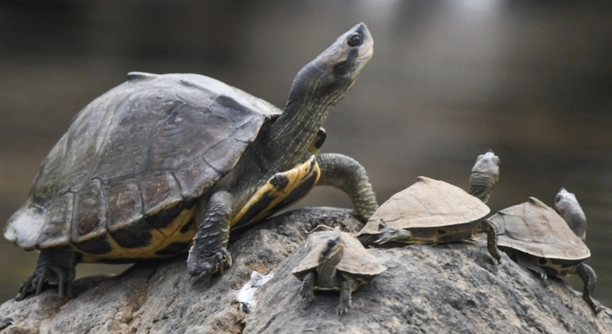
Your Indian Roofed Tortoise may avoid its hideout for a variety of reasons, and understanding these factors can help improve its well-being. In this article, we’ll explore seven potential causes for this behavior and how to address them.
The most common reasons for an Indian Roofed Tortoise avoiding its hideout include environmental stress, discomfort in the hideout, or health issues. The tortoise may also be seeking more space, different temperatures, or simply more interaction with its surroundings.
Addressing these factors will ensure your tortoise feels comfortable and secure in its environment, leading to a happier, healthier pet.
Environmental Stress
Your Indian Roofed Tortoise might avoid its hideout due to environmental stress. This can happen if its habitat isn’t meeting its needs for temperature, humidity, or light. The tortoise may feel anxious or uncomfortable in its current space, leading it to avoid areas that should feel safe. Stress could also result from too much noise or movement around its enclosure.
If the environment around your tortoise is too loud or busy, it may create a sense of unease. This can discourage the tortoise from seeking shelter in its hideout. On the other hand, improper heating or lighting could also lead to discomfort, as these are crucial for their health and behavior. A temperature gradient in their habitat is necessary for regulating their body heat, and improper lighting may disrupt their sleep cycle.
Checking the setup regularly and ensuring that the temperature is within the ideal range of 85°F to 90°F during the day and 70°F to 75°F at night can greatly reduce stress. Additionally, ensure there are no bright lights or too much activity around their hideout, allowing your tortoise to feel more secure and comfortable.
Hideout Comfort
Another reason for avoiding the hideout is that it simply isn’t comfortable. The hideout might be too small, too big, or not provide enough privacy. If the space doesn’t match the tortoise’s needs, it may find a different spot to rest.
A suitable hideout should allow your tortoise to curl up and feel secure. If the hideout is too open or poorly designed, it could create feelings of insecurity. It’s also important that the material of the hideout is easy for the tortoise to climb in and out of without difficulty. Make sure it is large enough for your tortoise to move around but not too spacious, as it might not feel protected.
Choosing the right hideout is crucial for your tortoise’s comfort. Look for one with a natural feel, similar to what it would find in the wild. The right materials and design can make a huge difference in how safe your tortoise feels in its space.
Health Issues
If your tortoise is avoiding its hideout, health problems may be at the root of the issue. Illness or injury can cause them to avoid certain spots, as they may feel vulnerable or uncomfortable. Tortoises can experience a range of health concerns, including respiratory infections, shell rot, or parasites, which can make them less likely to enter their hideout.
A common sign that health is the issue is if your tortoise is displaying unusual behaviors, like lethargy or a lack of appetite. When they don’t feel well, they may instinctively seek out other places to rest, and their hideout may no longer feel like a safe retreat. Additionally, injuries, even small ones, can make it hard for them to get comfortable in their usual resting spots.
If you notice these signs, it’s best to consult a veterinarian who specializes in reptiles. Early detection and treatment of any health issues can ensure your tortoise returns to its normal habits, including using its hideout for shelter. Regular checkups also help maintain your tortoise’s overall health and comfort in its environment.
Inadequate Space
Sometimes, the size of the tortoise’s enclosure might be an issue. If there’s not enough room to move around freely, your tortoise might avoid areas that feel cramped or restricting. Tortoises need space to roam and explore, and if their habitat is too small, they might become stressed and seek to avoid specific areas.
Providing ample space allows your tortoise to feel more comfortable and less confined. When a tortoise feels like it has room to move and hide as it needs, it will be more likely to use its hideout. It is also crucial to ensure that the space is organized with distinct areas for basking, eating, and resting. The more varied and spacious the environment, the more likely your tortoise will feel at ease.
Make sure the enclosure is at least 40 square feet for an adult tortoise. This will provide enough room for it to comfortably explore, rest, and use its hideout without feeling trapped. If your space is cramped, try expanding it to see if this encourages your tortoise to return to its hideout.
Temperature Imbalance
Temperature imbalance is another common reason why your tortoise avoids its hideout. If the temperature in its enclosure is too hot or too cold, it might not feel comfortable using its hideout. A proper heat gradient is essential for your tortoise’s well-being.
A temperature gradient provides both warm and cool areas in the habitat, giving your tortoise the option to regulate its body heat. If it’s too cold in the hideout, your tortoise might avoid it in favor of a warmer spot. Similarly, if it’s too hot, your tortoise might look for cooler places to rest. You should always aim for a daytime temperature between 85°F to 90°F and a nighttime drop to 70°F to 75°F.
Check the temperature regularly using a reliable thermometer to ensure your tortoise has the correct environment. Adjust the heating lamp or substrate to maintain the appropriate levels, as temperature regulation plays a huge role in your tortoise’s comfort and willingness to use its hideout.
Lack of Privacy
Lack of privacy can cause a tortoise to avoid its hideout. If the hideout is in an area with too much activity or exposure, your tortoise might not feel safe. Privacy is crucial for reptiles when it comes to resting and relaxing.
Reptiles, including tortoises, are naturally inclined to seek secure spaces where they can retreat from the world around them. If your tortoise feels too exposed in its hideout, it may avoid it and find other, quieter spots. Try placing the hideout in a less busy area of the enclosure. Additionally, adding some plants or decorations around the hideout can provide more privacy.
Giving your tortoise a sense of security will encourage it to use its hideout. Even subtle changes like rearranging the environment or creating more shelter can make a big difference. If your tortoise has more privacy, it will likely feel safer in its hideout.
Stress from Other Pets
Stress from other pets is another reason your tortoise may not be using its hideout. If there are other animals in the same space, such as birds or other reptiles, the tortoise might avoid certain areas out of fear or discomfort.
Even if other pets are in separate enclosures, their presence may still cause stress. Tortoises are sensitive to their surroundings, and constant movement or noises from other animals can make them feel unsafe. This stress can lead them to avoid places where they typically feel comfortable, including their hideout. Make sure that the tortoise’s enclosure is free from disturbances and other animals that might stress it out.
Consider creating separate spaces where your tortoise has its own quiet, calm area. This ensures it feels at ease and can use its hideout without being triggered by the presence of other pets. Creating a peaceful environment is key for your tortoise’s well-being.
Overcrowded Habitat
An overcrowded habitat can lead to your tortoise avoiding its hideout. If the enclosure has too many objects or is too crowded with other pets, your tortoise might feel overwhelmed and not use its designated hideout. Tortoises need space to move freely.
When there are too many things in the habitat, it can cause stress and limit the tortoise’s ability to find a quiet spot. Overcrowding also limits its ability to retreat when needed. If the space is cramped, your tortoise will likely avoid areas it should be using, including its hideout. This can also impact its overall health and happiness.
Make sure to provide enough open space, with room for your tortoise to roam. Leave areas clear so that it can access its hideout without any obstacles. Proper organization will help reduce stress and encourage your tortoise to feel secure in its environment.
Wrong Substrate
The wrong substrate can also contribute to your tortoise avoiding its hideout. If the material used in the hideout is uncomfortable or unsuitable for your tortoise, it may avoid resting there. A good substrate is important for both comfort and health.
Choose a substrate that helps maintain humidity and provides a comfortable surface for the tortoise. Sand, soil, or coconut fiber are often ideal, as they mimic natural environments. Avoid using materials like gravel or sharp stones, which can cause discomfort or injury. The substrate should also be easy to clean and maintain.
Ensure the substrate is dry but slightly damp to avoid any potential health risks like respiratory infections or skin issues. When your tortoise feels comfortable on the right material, it’s more likely to spend time in its hideout.
Inadequate Diet
An inadequate diet can make your tortoise less likely to use its hideout. If it’s not getting the proper nutrition, it may feel lethargic or unwell, causing it to avoid areas where it typically rests. A healthy diet supports a healthy tortoise.
Make sure your tortoise has access to a variety of fresh greens and vegetables that provide necessary nutrients. Vitamin and calcium supplements can also be added if needed. A proper diet ensures that your tortoise is active and comfortable, which can help it return to its hideout regularly. If your tortoise is lacking in essential nutrients, it will feel the effects in its behavior and overall health.
Consult a vet if you are unsure about what to feed your tortoise. Regular checkups and balanced meals will go a long way in maintaining your tortoise’s well-being.
FAQ
Why is my Indian Roofed Tortoise avoiding its hideout?
Your tortoise may be avoiding its hideout for a number of reasons. Common causes include environmental stress, discomfort in the hideout, health issues, or a lack of privacy. If the habitat’s temperature or humidity isn’t right, your tortoise might not feel comfortable there. Additionally, if the hideout isn’t properly sized or located, it can make your tortoise feel unsafe. It could also be a sign of health issues that need addressing, such as respiratory problems or parasites.
What should the temperature in my tortoise’s enclosure be?
The ideal temperature for your Indian Roofed Tortoise should range from 85°F to 90°F during the day, with a nighttime drop to 70°F to 75°F. These temperature ranges help mimic their natural environment and allow them to regulate their body heat. Ensure there’s a gradient of temperatures in the enclosure, so your tortoise can move between warm and cooler areas as needed.
How can I create a better hideout for my tortoise?
To improve your tortoise’s hideout, ensure it’s the right size—big enough for it to comfortably enter and move around, but not too large that it doesn’t feel secure. You can use materials like wood or ceramic that retain warmth and offer a more natural feel. Placing the hideout in a quieter, less trafficked area of the enclosure can also make it more inviting. Adding privacy with plants or other decorations can encourage your tortoise to use the space more frequently.
Is my tortoise avoiding its hideout because of overcrowding?
Yes, overcrowding can cause your tortoise to avoid its hideout. If the enclosure is filled with too many objects or if other pets are present, your tortoise might feel stressed and uncomfortable. It’s important to keep the habitat spacious, with plenty of room for your tortoise to explore and rest. When the area is too crowded, your tortoise may not feel secure enough to use its hideout, leading it to seek shelter elsewhere.
Can my tortoise’s diet affect its behavior?
An inadequate diet can certainly impact your tortoise’s behavior. If it’s not getting the right nutrients, your tortoise might feel lethargic, weak, or unwell, which could cause it to avoid its hideout. A healthy, varied diet of fresh greens, vegetables, and occasional fruits will help your tortoise stay active and healthy. Calcium and vitamin supplements can be beneficial as well, especially for young tortoises or those not getting a balanced diet.
How do I know if my tortoise is sick?
If your tortoise is avoiding its hideout and showing signs of lethargy, loss of appetite, or difficulty moving, it may be ill. Look for physical signs like mucus around the nose, coughing, or swelling, which may indicate respiratory infections. Shell rot or signs of injury can also affect behavior. If you notice any of these symptoms, it’s important to take your tortoise to a reptile veterinarian for a proper diagnosis.
Does the substrate in the enclosure affect my tortoise’s behavior?
Yes, the substrate can have a significant impact on your tortoise’s behavior. If the substrate is uncomfortable or unsuitable, it might deter your tortoise from using its hideout. Choose a substrate that allows your tortoise to dig and burrow if it wants to. Coconut fiber, soil, and sand are good options, as they mimic natural environments. Avoid sharp stones or materials that could cause injury. Keeping the substrate clean and dry is important for your tortoise’s health, too.
Can the presence of other pets stress my tortoise?
The presence of other pets can indeed stress your tortoise. If there are other animals in the room or enclosure, such as birds, dogs, or other reptiles, your tortoise might feel threatened or uneasy. This can lead it to avoid areas where it normally feels safe, including its hideout. Try to keep your tortoise’s habitat separate from other pets and create a peaceful, calm environment for it.
How often should I change my tortoise’s hideout?
Changing the hideout itself isn’t necessary unless it becomes damaged or uncomfortable. However, you should clean it regularly to maintain a healthy environment. Substrate should be changed periodically to prevent mold, bacteria, or waste buildup. If the hideout is getting too small or doesn’t offer enough privacy, it may be time to upgrade or rearrange it to better suit your tortoise’s needs.
How can I reduce stress for my tortoise?
To reduce stress, make sure your tortoise has a quiet, stable environment with the right temperature and humidity. Avoid handling it too often, especially during its resting periods, and make sure it has plenty of space in its enclosure. If your tortoise seems stressed by outside noise, try moving its enclosure to a quieter location. A consistent routine with feeding and cleaning can also help reduce anxiety.
Can I use plants in my tortoise’s enclosure?
Yes, plants can be a great addition to your tortoise’s habitat. Live plants like aloe vera, dandelions, or hibiscus can provide a natural feel, help with humidity, and offer some extra privacy for your tortoise. Be sure to choose safe, non-toxic plants, as some plants can be harmful if ingested. Regularly check for pests on the plants to ensure they are safe for your tortoise.
Why isn’t my tortoise eating?
If your tortoise isn’t eating, it could be a sign of stress, illness, or an improper environment. Stress from factors like temperature changes, overcrowding, or loud noises can make a tortoise lose its appetite. Health issues like infections, parasites, or shell problems can also cause a lack of interest in food. Make sure the enclosure is set up properly and consider a vet check-up if the issue persists.
Final Thoughts
Understanding why your Indian Roofed Tortoise is avoiding its hideout can make a big difference in its comfort and health. By addressing potential causes like stress, improper temperature, or an uncomfortable hideout, you can create a more inviting environment for your tortoise. Small changes, such as adjusting the temperature or moving its hideout to a quieter area, can encourage your tortoise to feel more secure and relaxed. Remember that your tortoise’s behavior is often a reflection of its surroundings, so making adjustments can help solve many issues.
Health problems are another important factor to consider. If your tortoise seems ill or lethargic, it’s crucial to take it to a vet for an examination. Sometimes the reason your tortoise avoids its hideout could be linked to something like a respiratory infection, an injury, or other health concerns. Regular check-ups and proper care can prevent or address these issues early, helping your tortoise live a long and healthy life. Always pay attention to any changes in behavior and take action if necessary, as this will ensure your tortoise is getting the care it needs.
Creating a healthy, comfortable, and stress-free environment is key for your tortoise’s well-being. Ensure it has enough space, the right temperature, a comfortable hideout, and a balanced diet. If you notice your tortoise avoiding its hideout, take the time to assess its habitat and check for any issues. With the right adjustments and a little patience, you can help your tortoise feel safe and happy again.

Hello,
If you enjoy the content that we create, please consider saying a "Thank You!" by leaving a tip.
Every little bit helps us continue crafting quality advice that supports the health, happiness, and well-being of pets around the world, for pets of all shapes, sizes, and species.
We really appreciate the kindness and support that you show us!