
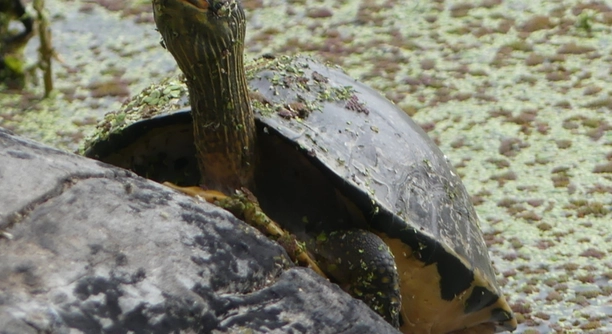
Ensuring your Indian Roofed Tortoise stays hydrated is essential for its health and well-being. Dehydration can lead to various health issues, making it important to address hydration needs properly. A few simple steps can make a difference.
To keep your Indian Roofed Tortoise hydrated, provide fresh water daily, offer water-rich foods like leafy greens, and maintain proper humidity levels in its habitat. A shallow water dish and regular misting of the enclosure can also help.
Maintaining hydration is crucial for your tortoise’s overall health.
Providing Fresh Water Daily
A constant supply of fresh water is essential for keeping your Indian Roofed Tortoise hydrated. You should change the water in its dish daily to ensure it is clean and free from contaminants. This simple step will help prevent dehydration and promote overall health. Tortoises often drink more when they have access to clean, fresh water regularly. Be sure to place the water dish in a spot that’s easily accessible for your tortoise, so it can drink whenever it needs.
Keep an eye on the water level to ensure it remains full throughout the day. Some tortoises may drink from the water dish more frequently than others, so regular refilling may be necessary. Additionally, ensure the water dish is shallow enough to prevent any risk of drowning. This setup allows your tortoise to drink comfortably without the concern of accidental immersion. Providing water in an appropriate dish also encourages hydration without stressing the tortoise.
For added hydration, consider providing a shallow water basin large enough for your tortoise to bathe in, allowing it to drink and soak simultaneously. This can help maintain its skin and shell condition as well.
Offering Water-Rich Foods
Incorporating water-rich foods into your tortoise’s diet is another effective way to ensure hydration. Leafy greens such as lettuce, kale, and dandelion greens not only provide essential nutrients but also contain a high water content that contributes to your tortoise’s hydration needs.
Watermelon, cucumbers, and strawberries are some fruits and vegetables with a high moisture content. Offering these options will increase hydration levels while adding variety to its diet. Tortoises may enjoy the texture and taste of these foods, helping them stay hydrated without additional effort on your part. It’s important to vary the water-rich foods to maintain balance and meet nutritional needs.
Maintaining Proper Humidity Levels
Maintaining proper humidity levels in your tortoise’s enclosure is crucial for its hydration. The right humidity prevents dehydration and supports healthy skin and shell conditions. Aim for 50-60% humidity, but monitor it regularly to adjust as needed.
Using a hygrometer can help you track the humidity in the enclosure. If the air is too dry, consider adding a humidity box or using a spray bottle to mist the habitat lightly. This will keep the environment comfortable for your tortoise and encourage proper hydration. Ensure that the substrate is moist but not soaking wet to avoid mold growth.
Misting the enclosure lightly every day, especially during dry seasons, ensures your tortoise has a proper balance of humidity. This also helps in the natural shedding of the skin, which can otherwise lead to discomfort or health problems. Keep the enclosure well-ventilated to prevent excessive moisture buildup, which can lead to other issues like respiratory infections.
Shallow Water Dish
A shallow water dish is essential for your tortoise’s hydration. It allows easy access to water without posing a drowning risk. Always ensure the water dish is large enough for your tortoise to drink from comfortably, but not so deep that it becomes a hazard.
Tortoises often prefer shallow dishes because they are easier to reach. Avoid deep or high-sided dishes, as tortoises may struggle to climb out if they fall in. A dish with a low edge will also reduce the likelihood of spillage, keeping your tortoise’s habitat clean. Make sure to clean the dish regularly to prevent bacteria build-up. If the water dish is too deep, consider using a flat stone or large, shallow bowl to keep the water at the proper level.
Regular Misting of the Enclosure
Misting the tortoise’s enclosure daily adds moisture to the environment and helps maintain hydration. It also supports proper humidity levels. Use a spray bottle with clean water and lightly mist the enclosure without soaking it.
Aim for a light misting in the morning to ensure humidity levels stay stable throughout the day. Make sure the substrate doesn’t become soggy as it could promote mold growth. Misting will help keep your tortoise hydrated, and it can also encourage it to drink more often.
Hydration Through Bathing
Bathing your tortoise in shallow, lukewarm water is another method to promote hydration. It provides a way for your tortoise to soak in water, which it may drink while in the bath.
A bath session of 10-15 minutes a few times a week helps your tortoise hydrate. Be sure the water level is not too high to prevent drowning. Allow your tortoise to soak naturally without forcing it into the water. This method can also help soften the shell, improving its overall condition.
FAQ
How often should I mist my Indian Roofed Tortoise’s enclosure?
Misting should be done once or twice daily, depending on the humidity levels in your area. If the air is particularly dry, more frequent misting may be necessary to maintain proper humidity. Ensure the enclosure stays moist but not soaked. Over-misting can create a damp environment that promotes mold growth.
What are the signs of dehydration in my tortoise?
Dehydration can show up in several ways, including sunken eyes, dry skin, and lethargy. If your tortoise becomes inactive, refuses food, or has trouble moving, these are signs of dehydration. The skin may feel dry to the touch, and its shell may appear more brittle. If these symptoms appear, increase hydration methods immediately.
Can I use a humidifier in my tortoise’s enclosure?
Yes, a humidifier can be a great way to maintain consistent humidity levels in your tortoise’s habitat. Place it near the enclosure to add moisture to the air. However, ensure it doesn’t cause excessive dampness, as too much moisture can lead to mold or respiratory issues. Use a hygrometer to monitor the humidity.
What temperature should the enclosure be for my tortoise to stay hydrated?
Temperatures in the enclosure should be between 75°F and 85°F during the day. A heat lamp can be used to maintain the warmth. At night, temperatures can drop slightly, but they should not fall below 70°F. Warm temperatures support proper digestion and hydration by encouraging your tortoise to drink more water.
Can I give my tortoise water from the tap?
While tap water is generally fine for your tortoise, it’s best to let it sit for a few hours to allow any chlorine or chemicals to dissipate. If you’re concerned about the quality of your tap water, consider using filtered or bottled water for drinking and misting. Always ensure the water is clean and fresh.
Should I soak my tortoise every day for hydration?
Soaking your tortoise every day is not necessary, but it can be beneficial for hydration, especially if the tortoise is not drinking enough water. A 10-15 minute soak once or twice a week is sufficient. However, make sure the water is shallow and warm, as too much soaking can stress your tortoise.
What foods help with hydration for my tortoise?
Foods that are high in water content, like cucumber, watermelon, and leafy greens, should be included in your tortoise’s diet. These foods help supplement hydration along with fresh water. Avoid offering too many high-oxalate foods, such as spinach, as they can interfere with calcium absorption. Always rotate food types to ensure balanced nutrition.
Can my tortoise overhydrate?
Overhydration is rare but possible if the tortoise is subjected to constant soaking. It can lead to shell rot or other issues if the tortoise spends too much time in water. It’s important to soak the tortoise for no more than 10-15 minutes at a time and allow it to dry off afterward.
How do I know if my tortoise is drinking enough water?
While tortoises don’t drink as often as other pets, you should see them drinking at least a few times a week. If your tortoise is eating a variety of water-rich foods, such as cucumber and lettuce, it may drink less from its dish. However, ensure water is always available, and look for signs of dehydration like dry skin or sunken eyes.
Should I add a water dish in my tortoise’s enclosure?
Yes, a water dish is essential. Make sure it is shallow enough to prevent drowning, and place it in an accessible area of the enclosure. The dish should be cleaned and refilled daily to ensure the water remains fresh and free from contaminants. A shallow dish encourages your tortoise to drink more often.
Final Thoughts
Hydration is essential for the health and well-being of your Indian Roofed Tortoise. Proper hydration impacts their skin, shell, and overall energy levels. Providing access to clean water and maintaining suitable humidity levels in their enclosure are key factors in ensuring that they stay hydrated. Misting the enclosure regularly, offering a shallow water dish, and even soaking your tortoise in lukewarm water are all effective methods of keeping your tortoise hydrated. These simple practices can go a long way in preventing dehydration, which can lead to serious health issues.
It’s also important to remember that a balanced diet contributes to hydration. Offering foods with high water content, like leafy greens and melons, helps support hydration levels naturally. These foods can complement the water provided in the enclosure. However, you should avoid over-soaking your tortoise or making their habitat too moist, as it could lead to other health problems such as respiratory issues or shell rot. Finding the right balance of hydration, food, and temperature will help ensure your tortoise stays healthy.
Regular observation of your tortoise’s behavior and physical condition is the best way to identify any potential hydration problems early. If you notice signs such as sunken eyes, dry skin, or lethargy, it may be a sign that your tortoise needs more hydration. Adjusting the misting routine, water dish, or soaking times can quickly resolve these issues. With the right care and attention, your Indian Roofed Tortoise will thrive and remain properly hydrated.

Hello,
If you enjoy the content that we create, please consider saying a "Thank You!" by leaving a tip.
Every little bit helps us continue crafting quality advice that supports the health, happiness, and well-being of pets around the world, for pets of all shapes, sizes, and species.
We really appreciate the kindness and support that you show us!