
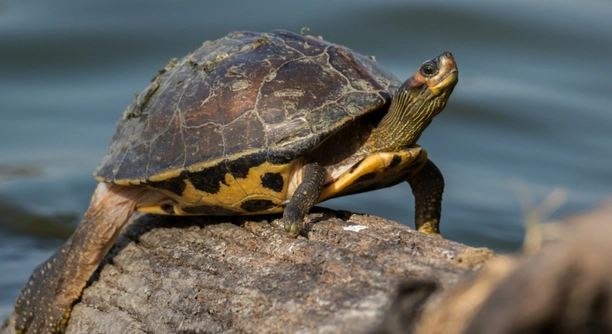
Is your Indian Roofed Tortoise shedding in patches and you’re not sure why? Shedding can happen for various reasons, and it’s important to understand what might be causing this unusual behavior.
The most common cause for patchy shedding in your Indian Roofed Tortoise is improper humidity levels, stress, or an underlying health issue. It’s essential to ensure that your tortoise has the right environment and diet to support its skin health.
Understanding the root cause of shedding patches will help you care for your tortoise more effectively and keep it healthy.
Why Your Indian Roofed Tortoise Is Shedding in Patches
Shedding in patches is a concern for many tortoise owners, and it often points to a few potential issues. The Indian Roofed Tortoise, like other reptiles, sheds skin regularly, but when it happens in patches, it’s usually an indication that something’s off. A common reason for patchy shedding is dry skin caused by inadequate humidity in the environment. When humidity levels are too low, the tortoise’s skin doesn’t shed properly and may come off in uneven pieces. Another reason could be stress, which affects the tortoise’s overall health and skin shedding patterns. Diet plays a role as well, and improper nutrition can cause issues with skin health. These are just a few of the factors to consider when addressing patchy shedding.
Understanding the proper conditions your tortoise needs is key to preventing and fixing this issue. You can create a healthier environment for your tortoise by adjusting humidity levels and providing the right diet.
Proper humidity is one of the most essential factors for an Indian Roofed Tortoise. These tortoises thrive in humid environments, and when the humidity drops too low, their skin can become dry and peel in patches. To fix this, maintain humidity levels of around 60-80% within their enclosure. A simple way to improve humidity is by adding a water dish or misting the enclosure regularly. Be cautious not to make the enclosure too damp, as this can lead to other problems, like shell rot. Using a hygrometer will help you monitor the humidity levels and ensure they stay in the optimal range for your tortoise. Additionally, keep the enclosure at a consistent temperature, as drastic temperature changes can also affect shedding patterns.
Stress and Its Effect on Skin Health
Stress can affect tortoises in many ways, and one of the most noticeable signs is patchy shedding. Environmental stressors such as loud noises, sudden changes in their habitat, or handling too frequently can trigger this. A stressed tortoise may also exhibit other signs like decreased appetite or lethargy. Minimizing these stressors can lead to healthier shedding patterns.
To reduce stress, ensure your tortoise has a quiet, secure environment where it feels safe. Avoid moving its enclosure or disturbing it unnecessarily. A consistent routine can also help lower stress levels. Keeping their living space calm will encourage better health overall.
Improper Diet and Nutritional Deficiencies
A poor diet can lead to skin issues, including patchy shedding. If your tortoise is not getting enough essential nutrients, such as vitamin A or calcium, it can affect its skin and shell health. Feeding your tortoise a varied diet of fresh greens, fruits, and occasional protein sources is vital for its overall well-being. Without proper nutrition, its skin may shed unevenly, which can also lead to other health concerns.
To ensure your tortoise receives the right nutrients, focus on a balanced diet. Offer leafy greens like dandelion, collard greens, and kale, along with high-fiber vegetables. Vitamin A is especially important for healthy skin, and this can be found in foods like carrots and sweet potatoes. Adding calcium to their diet is also crucial for maintaining strong shells and healthy skin. Avoid overfeeding with high-fat foods, as this can cause obesity and further stress on their skin health.
If you suspect a nutritional deficiency, consider consulting a vet for advice on supplements. Sometimes, a multivitamin or calcium supplement may be necessary to correct imbalances and prevent further shedding problems. A healthy, balanced diet will also boost your tortoise’s immune system, reducing the likelihood of other skin-related issues.
Environmental Factors to Consider
Temperature and humidity are key environmental factors that directly impact your tortoise’s skin health. Indian Roofed Tortoises are used to warm, humid environments, and if their habitat doesn’t replicate these conditions, they may experience skin shedding issues. You must regulate both temperature and humidity levels to create a comfortable living space for your tortoise.
Place your tortoise’s enclosure in a location that mimics its natural habitat. Use a heat lamp to maintain a consistent temperature of 80-90°F during the day and a cooler area of around 70°F at night. The humidity levels should be kept between 60-80% for optimal health. Misting the enclosure and providing a shallow water dish will help maintain the right humidity. You may also want to include some hiding spots to give your tortoise a sense of security. These adjustments help prevent dry, patchy shedding and improve your tortoise’s overall skin condition.
Parasites and Skin Infections
Parasites or skin infections can also cause patchy shedding. Mites, ticks, or fungal infections can irritate the tortoise’s skin, leading to uneven shedding. Keeping the enclosure clean and checking your tortoise regularly for signs of infection can help prevent these issues.
If you notice any signs of discomfort, like excessive scratching or scabs, it could indicate a parasite or infection. Seek treatment from a vet to get rid of the problem before it worsens. Regular cleaning of your tortoise’s habitat and proper care can prevent parasites from becoming a persistent issue.
Handling and Overexposure to Light
Over-handling your tortoise or exposing it to excessive light can cause stress, which may affect shedding. Reptiles are sensitive to their environments, and too much disturbance can impact their skin health. Minimize handling to avoid unnecessary stress on your tortoise.
Make sure your tortoise has a proper day and night cycle, with enough dark hours to rest. Overexposure to light or frequent handling may cause your tortoise to feel unsafe and uncomfortable, affecting its overall health. Keep its environment stable and calm for the best results.
Seasonal Shedding
Indian Roofed Tortoises experience seasonal shedding, which can sometimes result in patches. This type of shedding is natural and typically happens during warmer months when their growth rate increases. It may look like an issue, but it’s just part of their regular life cycle.
FAQ
Why is my Indian Roofed Tortoise shedding in patches?
Patchy shedding is often caused by a few main factors. The most common is improper humidity levels. If the air is too dry, your tortoise may struggle to shed evenly. Stress, inadequate nutrition, or an infection can also lead to patchy shedding. It’s important to check the environmental conditions, diet, and overall health of your tortoise to pinpoint the cause. Ensuring proper humidity, providing a balanced diet, and reducing stress will help improve its skin shedding.
How can I fix low humidity in my tortoise’s enclosure?
To increase humidity, you can mist the enclosure with water daily or provide a shallow water dish. You can also add a humidifier or place moss in the enclosure to retain moisture. Monitoring the humidity using a hygrometer will help you maintain an ideal level of 60-80%. Be careful not to overdo it, as too much moisture can lead to other issues like mold or shell rot.
How often should I feed my tortoise for healthy skin?
A balanced diet is crucial for healthy skin. You should feed your Indian Roofed Tortoise daily with fresh leafy greens like collard greens, dandelion leaves, and kale. Occasionally offer fruits like papaya, melon, and berries in moderation. Additionally, a small amount of protein, such as boiled eggs or insects, can be included in their diet once a week. Proper calcium intake, through foods like calcium-rich greens or supplements, helps maintain strong skin and shell.
Can stress be the main reason for shedding patches?
Yes, stress is a common factor that affects a tortoise’s skin health. If your tortoise is constantly disturbed, feels threatened, or is housed in an environment that is too noisy or chaotic, it may shed its skin in patches. Handling your tortoise too often or making sudden changes to its habitat can increase stress. Try to provide a stable, quiet, and safe environment, and limit excessive handling to reduce stress levels.
What temperature should my tortoise’s enclosure be for proper shedding?
The temperature in your tortoise’s enclosure should be between 80-90°F during the day, with a nighttime drop to around 70°F. A heat lamp can be used to maintain the daytime temperature, while a ceramic heat emitter can be used at night. This stable temperature range helps regulate your tortoise’s metabolism and overall health, ensuring healthy skin shedding. Avoid placing the tortoise in an area that fluctuates between hot and cold, as this can stress the animal and affect its skin health.
Should I give my tortoise supplements for better skin health?
Supplements can be beneficial if your tortoise is lacking in essential nutrients. Calcium and vitamin D3 supplements are especially important for tortoises that don’t get enough from their diet. If you suspect a nutritional imbalance, you can offer a multivitamin supplement specifically designed for reptiles. Always consult a vet before adding supplements to ensure you are providing the right ones in the correct amounts.
How can I tell if my tortoise has a skin infection or fungal issue?
If your tortoise has a skin infection or fungal issue, you might notice changes in its skin, such as unusual discoloration, scabs, or excessive flaking. Infected areas may be swollen, and the tortoise might show signs of discomfort, such as scratching or rubbing against objects. Fungal infections can cause patches of discolored, soft skin. If you observe these symptoms, it’s essential to seek veterinary care for proper diagnosis and treatment. Regularly cleaning the enclosure and removing any waste can help reduce the risk of infections.
Can seasonal changes affect my tortoise’s shedding?
Yes, seasonal changes can influence shedding in Indian Roofed Tortoises. During warmer months, they may shed more frequently due to increased growth. This shedding is normal and part of their natural cycle. However, if you notice patchy shedding outside of seasonal changes, it could point to an underlying issue like humidity problems, diet, or stress. Be aware of the patterns, but remember that some variation in shedding is completely natural.
How do I know if my tortoise’s shell is shedding too?
Tortoises periodically shed their outer layers of their shell, usually in small, subtle pieces. If your tortoise’s shell is shedding in large patches or the shell seems cracked or damaged, it could be a sign of an issue. Shell shedding can be linked to poor diet, dehydration, or infection. Always check for signs of softness or abnormalities. If you notice anything unusual, it’s best to consult a vet to ensure your tortoise’s shell is healthy.
Can I use regular skincare products to help my tortoise with shedding?
It’s best not to use regular skincare products like lotions or oils on your tortoise. These can interfere with its natural shedding process or cause irritation. If your tortoise is shedding in patches, focus on creating a proper habitat with the right humidity, temperature, and diet. If you suspect any skin issues beyond normal shedding, consult a vet who can recommend safe treatments specifically designed for reptiles.
How can I reduce handling stress for my tortoise?
To reduce handling stress, keep interactions with your tortoise to a minimum and only handle it when necessary. Avoid picking it up or disturbing it often. Create a calm, quiet environment where your tortoise can retreat to a hide if it feels overwhelmed. Routine and consistency will help your tortoise feel more secure and reduce stress-related shedding issues.
Final Thoughts
When it comes to your Indian Roofed Tortoise shedding in patches, it’s important to approach the issue with patience and observation. Patchy shedding can often be a sign of environmental factors, such as low humidity or improper temperature. It’s essential to maintain the right living conditions for your tortoise. Ensuring that the humidity levels are between 60-80%, and keeping the temperature stable between 80-90°F during the day, will help prevent many shedding problems. These environmental adjustments are simple but can make a big difference in your tortoise’s skin health.
Diet also plays a significant role in the health of your tortoise’s skin and overall well-being. A balanced diet that includes a variety of fresh greens, fruits, and occasional protein will support healthy shedding. Providing the right nutrients, including calcium and vitamin A, can prevent shedding issues related to deficiencies. A healthy, well-balanced diet not only helps with skin health but also supports your tortoise’s immune system and energy levels. When you focus on both the environment and diet, you create a healthier habitat for your tortoise, which will reduce the likelihood of patchy shedding.
If you notice that shedding in patches persists, despite making adjustments to the environment and diet, it’s important to consult a vet. Health problems like skin infections, parasites, or underlying medical conditions can also cause shedding issues. A professional can offer a more specific diagnosis and recommend treatments that are safe for your tortoise. Overall, by monitoring your tortoise’s habitat, diet, and health, you’ll be able to provide a more comfortable and supportive environment for it to thrive.

Hello,
If you enjoy the content that we create, please consider saying a "Thank You!" by leaving a tip.
Every little bit helps us continue crafting quality advice that supports the health, happiness, and well-being of pets around the world, for pets of all shapes, sizes, and species.
We really appreciate the kindness and support that you show us!