
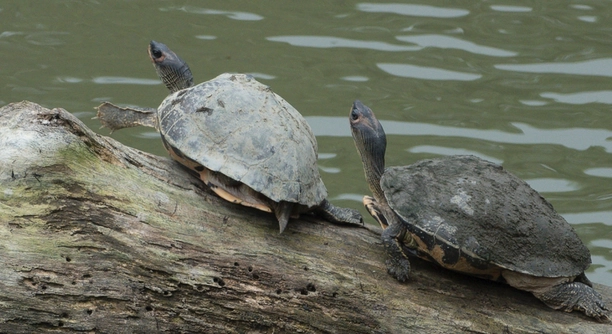
Finding the right spot for your Indian Roofed Tortoise tank in your home can make a big difference in its comfort and health. This simple guide will help you choose the best place for your tortoise to thrive.
The ideal locations for your Indian Roofed Tortoise tank should offer a consistent temperature, indirect light, and minimal disturbances. Areas like a living room corner, a quiet study, or a spacious bathroom often meet these criteria.
The right placement can ensure your tortoise remains comfortable and healthy, so consider these tips when choosing the best spot for your tank.
Living Room Corner
The living room is a popular choice for placing your tortoise’s tank. It’s generally spacious, well-lit, and provides easy access for you to enjoy watching your pet. Be sure to choose a quiet corner where there won’t be constant foot traffic. Keeping the tank away from direct sunlight helps maintain a stable temperature.
A corner in your living room can be a perfect spot for the tank. Make sure the space is out of reach from pets or young children who might accidentally knock the tank over.
With the right positioning, the living room becomes a comfortable and safe environment for your Indian Roofed Tortoise. Opt for an area near a window for natural light, but avoid spots where sunlight might create temperature spikes. Maintaining a consistent temperature is key for your tortoise’s well-being. Additionally, keeping the tank in a low-traffic area will prevent stress, as sudden noises or movements can be unsettling. You can also add plants or decorations around the tank to mimic a natural habitat, which helps create a soothing atmosphere for your tortoise.
Bathroom
Bathrooms, especially those with good ventilation, can be another solid choice for a tortoise tank.
Bathrooms offer humidity levels that can be beneficial for maintaining a comfortable environment for your tortoise. A room with windows or an exhaust fan is ideal. Make sure the bathroom stays free from harsh chemicals.
With adequate humidity and controlled temperature, a bathroom could be an excellent environment for your Indian Roofed Tortoise. While humidity can help replicate a more natural habitat, make sure the space is not too moist, as that can lead to mold or unhealthy conditions. Avoid placing the tank near the toilet or sink, as those areas may experience frequent changes in temperature, causing stress for your pet. Additionally, the bathroom’s frequent use could expose your tortoise to loud noises and sudden movements. It’s best to place the tank in a quiet spot, away from areas where water splashes or drafts are common.
Kitchen Counter
The kitchen counter can work well for your tortoise’s tank. Just ensure it’s not in direct contact with heat sources like ovens or stoves. You’ll also want to keep the tank in a location that’s easy to clean.
While the kitchen can be a good spot, it’s important to choose a place that doesn’t get too hot or too cold. Keep the tank away from appliances that generate heat. Consider the layout and ensure there’s enough space for the tank without cluttering the area. A clean kitchen counter with good lighting can also be a great spot for a small tank.
Another thing to consider is the air quality and noise. Kitchens can get quite busy, especially during meal prep times, which might stress your tortoise. It’s best to place the tank in an area where the tortoise won’t be disturbed often. If possible, choose a counter with limited traffic and avoid areas with frequent strong smells or fumes from cooking.
Bedroom
Bedrooms provide a quiet space for your tortoise. You’ll want to pick a spot that’s not too cold or too warm, ensuring a stable environment for your pet.
While your bedroom can be a good location for a tortoise tank, be mindful of factors like lighting and temperature. Keep the tank away from windows that may let in too much sunlight or drafts. It’s important to maintain a comfortable, even temperature for your tortoise, and your bedroom’s consistency in temperature can work in your favor.
However, consider your sleeping habits. Nighttime can be particularly quiet, but be sure that the tortoise’s tank is positioned far enough away from your bed to avoid any disturbances. Light levels should also be kept in mind—bright lights can confuse your tortoise’s natural rhythms. Avoid placing the tank in direct view of bright lights or electronics that may disrupt its rest. A low-light environment can help create a more comfortable habitat for your tortoise.
Hallway
A hallway can offer a quiet, low-traffic spot for your tortoise’s tank. Choose a place away from doors or any areas that experience frequent movement.
Hallways tend to be narrow, but with the right placement, your tortoise can be comfortable. It’s important to consider the temperature, as hallways may have drafts, especially near exterior doors.
If possible, select a hallway with consistent lighting and temperature. Avoid spots where the tank will be exposed to sudden drafts or too much heat. It’s also a good idea to place the tank away from places with high foot traffic to keep your tortoise from getting stressed.
Study or Office
A study or office is a peaceful environment for your tortoise. The space typically has minimal distractions and offers steady temperature control.
In a study or office, you can easily monitor your tortoise’s tank. The desk or a shelf away from activity is an ideal spot. This ensures that your pet isn’t disturbed while still being in an area you can check on regularly.
Placing the tank in a study allows you to balance quietness with regular observation. Make sure the tank isn’t placed near a heater, air conditioner, or window, as these can affect temperature stability. Keep the area clutter-free to ensure your tortoise remains calm in its space.
FAQ
What temperature should the room be for an Indian Roofed Tortoise tank?
The ideal room temperature for your Indian Roofed Tortoise tank is between 75°F and 85°F (24°C to 29°C). You need to avoid sudden temperature drops or spikes. Maintaining a consistent temperature is important for their overall health and well-being. If the room gets too cold, it can make your tortoise lethargic, while excessive heat can cause dehydration. A thermometer inside the tank can help monitor the temperature. Use a heat lamp or mat to adjust the warmth if necessary, but avoid placing the tank in direct sunlight or near radiators, as this can lead to temperature fluctuations.
Can I place the tank near a window?
It’s generally not a good idea to place your tortoise’s tank directly near a window. Windows can let in too much direct sunlight, leading to temperature swings inside the tank. These fluctuations can stress your tortoise. If you do decide to place it near a window, ensure the spot gets only indirect light and doesn’t get too hot. Make sure the tank doesn’t face a window where temperatures can drop drastically during the night, as this can be too cold for your tortoise.
How often should I move the tank?
Once you’ve found a suitable spot for your tortoise’s tank, try not to move it around frequently. Constantly changing the tank’s location can stress your tortoise and affect its comfort. Tortoises prefer stable environments, so it’s important to choose a place that suits their needs and stick with it. If you must move it for cleaning or rearranging, make sure to do so gently and avoid drastic changes in temperature or light. Try to keep it in a quiet place where the tortoise can settle in.
Can I place the tank in a room with pets?
If you have other pets, such as dogs or cats, be cautious when placing the tortoise’s tank in shared spaces. Larger pets might be curious or even aggressive toward the tank. Try to position the tank in a location where your other pets can’t easily reach it. You’ll also want to avoid places where loud noises or sudden movements from your pets could cause stress for the tortoise. Keeping the tank in a more secure and quieter area will help ensure a safe, comfortable environment for your tortoise.
What kind of lighting does the tortoise need?
Indian Roofed Tortoises require both UVB and heat lighting for their tank. UVB light helps them produce Vitamin D3, which is essential for calcium absorption and healthy shell growth. Without proper UVB exposure, your tortoise can suffer from shell deformities or metabolic bone disease. Use a UVB bulb, and ensure it is placed within 12 to 18 inches from the basking area of the tank. Also, provide a heat source to ensure the tank maintains a warm environment.
How do I keep the tank clean?
Cleaning your tortoise’s tank regularly is essential for maintaining a healthy environment. Remove uneaten food and waste daily to prevent bacteria buildup. You should deep clean the tank every 2-3 weeks, wiping down surfaces and washing the decorations with warm water. Avoid using harsh chemicals or cleaners, as these can harm your tortoise. A clean substrate and clean water are crucial for your pet’s well-being. Be sure to check the water bowl for debris and change it regularly. You can also clean the tank’s equipment, like heat lamps and UVB bulbs, to ensure they work properly.
Can I place the tank in a basement or attic?
Basements and attics may seem like quiet places for your tortoise’s tank, but they often have temperature and humidity fluctuations that can make them unsuitable. Basements can be cold and damp, while attics can get too hot in the summer or too cold in the winter. Consistent temperature control is important for your tortoise’s health. If you do choose one of these spaces, make sure you can maintain a stable environment with the use of heaters or humidifiers. If possible, use a room that naturally maintains a comfortable temperature year-round.
Should I place the tank near my bedroom?
Placing your tortoise’s tank in or near your bedroom can be a good choice, as bedrooms tend to be quieter, creating a stress-free environment for your tortoise. However, consider the lighting situation and noise levels. Avoid bright lights from electronics or lamps directly above the tank. At night, the sudden changes in lighting or noise from moving around might disturb your tortoise, especially if the tank is placed too close to your bed. Ensure the room temperature is comfortable and steady to keep your tortoise happy.
Can I place the tank outside?
It’s not advisable to place your tortoise’s tank outside, even for short periods. Outdoor environments are too unpredictable, with temperature changes, humidity levels, and exposure to insects and pests. A tank outdoors might also be exposed to rain, making it difficult to maintain proper humidity and temperature levels. However, if you live in a mild climate and your tortoise is comfortable with the temperature, you could let it explore a secure outdoor space during the day, but always under supervision. The tank, however, should remain inside where the conditions are controllable.
How do I know if my tortoise is too hot or too cold?
If your tortoise is too hot, it may become lethargic and spend most of its time trying to avoid heat sources. It might also exhibit signs of stress or dehydration, like excessive drinking or reduced activity. If it’s too cold, your tortoise may become sluggish or stop moving altogether. It may also withdraw into its shell more frequently and show signs of not eating. Always monitor the temperature of the tank using a thermometer, and adjust the heat source accordingly to ensure your tortoise remains within the recommended temperature range.
Final Thoughts
Choosing the right place for your Indian Roofed Tortoise tank is important for the health and happiness of your pet. It’s essential to find a spot that maintains a steady temperature, provides indirect lighting, and offers minimal disturbances. A good location will ensure that your tortoise feels safe and comfortable in its environment. By carefully considering the different areas of your home, you can create the perfect setup for your pet.
While living rooms, bedrooms, and quiet corners are great options, each home is unique, so finding the best spot for your tank may require some trial and error. Think about your daily routines, the temperature of different rooms, and how much foot traffic the area gets. If you’re unsure where to place the tank, consider starting with a quieter, low-traffic room and observe how your tortoise responds. You can always make adjustments if needed to better suit your pet’s needs.
Remember that consistency is key when setting up your tortoise’s living space. Keeping the tank in a stable, stress-free environment will allow your tortoise to thrive. Take the time to ensure the room is properly prepared before setting up the tank. Once you’ve found the right spot, your Indian Roofed Tortoise will have a comfortable space to call home, and you’ll have peace of mind knowing that it’s in the best possible environment.

Hello,
If you enjoy the content that we create, please consider saying a "Thank You!" by leaving a tip.
Every little bit helps us continue crafting quality advice that supports the health, happiness, and well-being of pets around the world, for pets of all shapes, sizes, and species.
We really appreciate the kindness and support that you show us!