
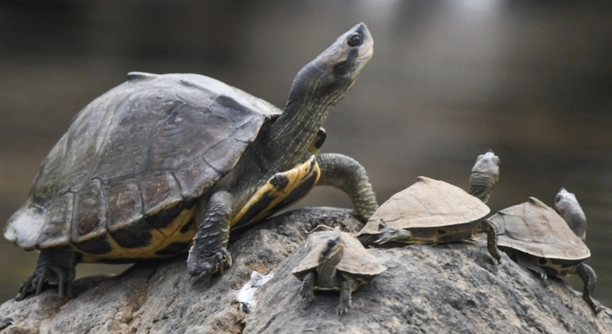
Indian Roofed Tortoises are fascinating pets, but it can sometimes be challenging to keep them active and entertained. Their natural behavior requires stimulation to stay healthy and engaged. This article will guide you on how to achieve this.
To keep your Indian Roofed Tortoise active and engaged, provide them with a variety of environments and activities. Regular interaction, diverse diets, and stimulating toys will encourage physical activity and mental stimulation, ensuring their well-being and happiness.
Engaging your tortoise with the right mix of activities not only enhances their physical health but also supports their mental development. Explore the best ways to keep your tortoise busy and content.
Provide a Varied Diet
A balanced and diverse diet is essential to keep your Indian Roofed Tortoise healthy and active. Offering a variety of vegetables, fruits, and occasional protein sources like mealworms or boiled eggs can prevent boredom. Their diet should include leafy greens such as kale, collard greens, and dandelion greens. This variety also ensures they get all the necessary nutrients for strong bones and healthy growth. You can also try different textures and colors of food to capture their attention. A nutritious diet is key to maintaining both their energy levels and overall well-being.
Including different textures in their meals can make feeding time more engaging. Try incorporating both leafy and crunchy vegetables into their diet. The new flavors and textures can stimulate their senses and encourage exploration.
Along with a varied diet, be sure to feed them at the same time each day. This routine helps your tortoise develop an active feeding habit. Offering meals in different locations, like hiding food around their enclosure, will encourage them to move and search for their next meal, which adds extra exercise. This simple practice can make feeding an engaging activity for your tortoise.
Enrich Their Habitat
An enriched habitat can do wonders for an Indian Roofed Tortoise’s mental and physical activity. Providing hiding spots, climbing structures, and various textures in their enclosure encourages exploration. These elements simulate their natural environment, giving them space to roam and stimulating their curiosity. Using different types of substrates like coconut fiber or sand can also help mimic their natural surroundings. Make sure their enclosure has both dry and humid areas to mimic the variations in temperature and humidity they would experience in the wild.
Be mindful of the size of the enclosure as well. A larger space gives your tortoise more room to explore and keeps them moving. Try adding rocks, logs, and plants for them to interact with.
A well-planned enclosure makes your tortoise feel more at home and helps keep them engaged. Adding these features allows them to roam freely, which encourages healthy movement and exercise. You can also switch up the layout every once in a while to keep the environment fresh and interesting. Changing the habitat’s setup challenges their minds and keeps their curiosity alive.
Provide Regular Exercise Opportunities
Regular exercise is crucial to keeping your Indian Roofed Tortoise active and healthy. Set up a safe area where they can roam freely, such as a secure outdoor space or a tortoise playpen indoors. This provides them with a chance to move and explore beyond their enclosure.
Letting your tortoise roam in a safe, enclosed area allows them to explore at their own pace. You can also create small obstacle courses with rocks or logs for them to climb over, stimulating both their body and mind.
Exercise doesn’t have to be complicated. Simply allowing your tortoise to walk around in a safe environment encourages movement and provides mental stimulation. Regular exercise helps prevent obesity, improves muscle strength, and supports their natural behaviors. Always ensure the area is free from hazards, like sharp objects or other animals, to keep your tortoise safe.
Offer Interactive Toys
Interactive toys can help keep your tortoise both mentally and physically active. Items like puzzle feeders, treats hidden in containers, or toys that encourage foraging can make playtime exciting. Tortoises are curious creatures, and they enjoy figuring out how to get to their food or treats.
To make toys more engaging, try placing food inside treat-dispensing balls or toys that require your tortoise to move them around. You can also create DIY foraging toys by hiding their favorite treats in various spots around their habitat. This will encourage them to use their instincts and explore.
Rotating toys can help maintain your tortoise’s interest over time. By offering new toys every week or so, you provide them with a fresh challenge. The more they engage with their toys, the more active they will become. This mental stimulation plays an important role in keeping them healthy and entertained.
Maintain Proper Temperature and Lighting
Proper temperature and lighting are essential for your Indian Roofed Tortoise’s health and activity. Ensure their enclosure has a heat source to maintain a warm basking spot and cooler areas for comfort. This will keep them active and engaged throughout the day.
Providing a UVB light source is just as important. UVB light helps them process calcium and maintain bone health. Without proper lighting, your tortoise can become lethargic and unhealthy. Regularly check the temperature and lighting conditions to ensure they meet your tortoise’s needs for activity and well-being.
Social Interaction
Indian Roofed Tortoises are not overly social, but they can still benefit from regular interaction. Spending time with your tortoise will help them stay engaged and comfortable around you. Handling them gently can also provide mental stimulation.
Keep interactions short and gentle. Overhandling can stress them out, so make sure they feel safe and secure. Simple acts like talking to your tortoise or letting them roam while you watch can help them feel more comfortable.
FAQ
How often should I feed my Indian Roofed Tortoise?
Indian Roofed Tortoises typically need to be fed every day, especially when they’re young. Adult tortoises can be fed every other day, depending on their activity level and size. It’s important to provide a variety of vegetables, fruits, and occasional protein to keep them healthy. Always remove any uneaten food after a few hours to prevent mold or pests. Feeding them at regular times will help establish a routine and ensure they stay active.
Can I house more than one tortoise together?
While it’s possible to house multiple Indian Roofed Tortoises together, it’s important to monitor their behavior closely. Some tortoises may become territorial or aggressive toward each other, especially during feeding times. If you’re keeping more than one, ensure their enclosure is large enough and has enough hiding spots for each tortoise to feel safe. It’s best to introduce them slowly and observe how they interact.
What type of substrate is best for my tortoise’s enclosure?
The best substrate for your Indian Roofed Tortoise is one that mimics its natural habitat, such as coconut fiber, cypress mulch, or a mixture of sand and soil. These materials help maintain proper humidity levels and are safe for your tortoise to walk on. Avoid using sand alone, as it can cause digestive issues if ingested. Always make sure the substrate is clean and dry, as damp environments can promote fungal growth and lead to health problems.
How can I tell if my tortoise is healthy?
A healthy tortoise will have clear eyes, a smooth shell, and an active demeanor. Look for signs of good appetite, regular bowel movements, and proper hydration. If your tortoise is lethargic, has a dull or pitted shell, or shows signs of weight loss, it could be a sign of an underlying health issue. Regular checkups with a reptile vet will ensure your tortoise remains in good health.
What is the best temperature range for my tortoise’s enclosure?
Indian Roofed Tortoises thrive in temperatures ranging from 75°F to 90°F (24°C to 32°C). They need a basking area with temperatures around 95°F (35°C) and a cooler area where they can retreat when they need to regulate their body temperature. Make sure their habitat has a temperature gradient, allowing them to move between warmer and cooler areas. A heat lamp and a UVB light should be used to maintain these conditions.
Do I need to provide a humid environment for my tortoise?
Yes, providing a humidity range between 50% and 60% is important for your Indian Roofed Tortoise, particularly for proper shell and skin health. You can achieve this by using a shallow water dish and lightly misting the enclosure occasionally. However, avoid making the habitat too humid, as excessive moisture can lead to respiratory issues and fungal infections.
How do I handle my Indian Roofed Tortoise?
When handling your Indian Roofed Tortoise, be gentle and calm. Place your hand under their body, supporting their shell, and avoid grabbing or squeezing them. Tortoises are not fond of being picked up often, so try to limit handling to short sessions. Let them explore their environment when possible, but make sure the area is safe. Avoid handling them right after feeding or when they’re in their resting period.
What should I do if my tortoise is not eating?
If your tortoise isn’t eating, it could be a sign of stress, illness, or improper environmental conditions. First, check the temperature and humidity levels in their enclosure. If they’re fine, consider any recent changes in their routine or environment that might be causing stress. If the issue persists for more than a few days, consult a vet who specializes in reptiles.
Can I let my tortoise roam outside?
Yes, Indian Roofed Tortoises can enjoy time outdoors as long as the environment is safe. Ensure the area is securely enclosed to prevent them from escaping or encountering predators. Keep an eye on the weather, as extreme temperatures or heavy rainfall can harm them. Also, make sure the ground is free from pesticides and chemicals that could harm your tortoise.
What are some signs that my tortoise is stressed?
Signs of stress in a tortoise include lack of appetite, excessive hiding, pacing, and more frequent breathing. They may also withdraw into their shell more often than usual. Stress can be caused by changes in their environment, overhandling, or an enclosure that’s too small or uncomfortable. Make sure their habitat is suitable and that they’re not being overhandled.
How can I make sure my tortoise gets enough UVB light?
UVB light is crucial for your tortoise’s health, as it helps them metabolize calcium and maintain strong bones. Ensure that your tortoise has access to a UVB light that covers a large portion of their basking area. This light should be replaced every six months, as the UVB output diminishes over time. The UVB light should be positioned close to your tortoise’s basking spot, but not too close, as it can cause burns.
How often should I clean my tortoise’s enclosure?
You should clean your tortoise’s enclosure at least once a week to maintain a healthy environment. Spot clean any waste daily, and change the water in their dish regularly. Thoroughly clean the substrate and wipe down surfaces with reptile-safe cleaners to remove any buildup of bacteria or mold. Keeping the enclosure clean helps prevent illness and keeps your tortoise active and comfortable.
Final Thoughts
Keeping an Indian Roofed Tortoise active and engaged requires some effort and planning, but the rewards are worth it. These tortoises thrive when they have a variety of experiences, including regular exercise, an enriched environment, and a well-balanced diet. By offering them opportunities to move around and explore, you can ensure that they stay both physically and mentally healthy. Providing a stimulating habitat and engaging in interactive activities can help prevent boredom, which is key to maintaining their well-being.
It’s important to remember that every tortoise is unique. Some may be more active, while others prefer to stay in their shell more often. The goal is to create an environment that supports their natural behaviors, allowing them to feel comfortable and secure while encouraging movement and exploration. Keeping a regular routine, including feeding times, exercise, and interactions, helps them feel settled and promotes a sense of safety. Adjust your approach based on how your tortoise reacts to different activities and settings.
Overall, the care you provide to your Indian Roofed Tortoise plays a big part in their health and happiness. Simple changes, like introducing new foods or rotating toys, can make a big difference in keeping them engaged. Whether you’re a new tortoise owner or someone who’s had one for years, maintaining a stimulating and safe environment is key to a long, healthy life for your tortoise. With patience and attention, you can enjoy watching your tortoise thrive and grow.

Hello,
If you enjoy the content that we create, please consider saying a "Thank You!" by leaving a tip.
Every little bit helps us continue crafting quality advice that supports the health, happiness, and well-being of pets around the world, for pets of all shapes, sizes, and species.
We really appreciate the kindness and support that you show us!