
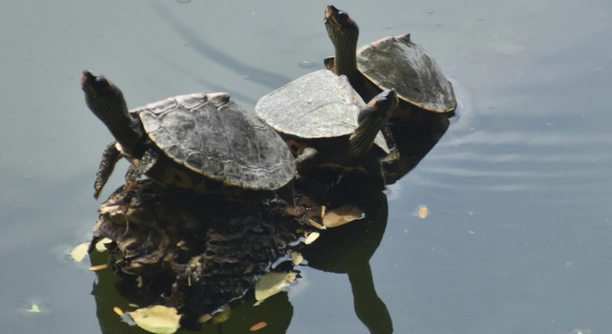
Indian Roofed Tortoises are fascinating creatures, and their behavior can sometimes be puzzling. If your tortoise keeps hiding underwater, you may be wondering why this is happening. This article explores possible reasons for this behavior.
Tortoises may hide underwater due to environmental stressors, health concerns, or a natural instinct for security. Stress from changes in their habitat, water temperature, or diet can lead them to seek refuge in the water.
Understanding why your tortoise hides underwater can help you create a better environment for it. Keep reading to learn more about what might be causing this behavior and how to address it.
Possible Causes of Hiding Underwater
Tortoises are known to hide when they feel stressed or uncomfortable, and if your Indian Roofed Tortoise keeps retreating underwater, it could be a sign of stress. Changes in their habitat, such as new tankmates, temperature fluctuations, or poor water quality, may cause them to seek shelter underwater. Water is often a comforting space for them, offering security and a cooler environment. In the wild, they may use water to regulate their body temperature or hide from predators. Similarly, changes in their diet, or a lack of hiding spots in their enclosure, can cause discomfort that drives them to seek out water.
Water temperature can also play a role in this behavior. If the water is too cold or too hot, your tortoise may feel the need to retreat underwater to cool down or escape the discomfort.
To reduce the likelihood of this behavior, it’s essential to keep the tank stable and ensure the water temperature remains within the ideal range for your tortoise’s comfort and health.
Health Issues to Consider
Health problems can lead your tortoise to hide underwater. If they are feeling unwell, they might seek the water for comfort. Respiratory issues, shell infections, or parasites can make them feel vulnerable, and underwater offers them a sense of protection.
A trip to the vet can rule out any underlying medical concerns, ensuring that your tortoise stays healthy and happy in its environment. Regular check-ups are always beneficial for spotting problems early. It’s essential to address any health issues promptly to avoid complications.
When your tortoise is consistently hiding underwater, it could be a sign that something in their environment or health needs attention. Taking action to improve their surroundings and seek medical advice can go a long way in helping them feel safe again.
Environmental Factors to Check
If your tortoise’s enclosure isn’t set up properly, it might cause stress, prompting underwater hiding. Check if the water is clean and free of chemicals. Poor water quality can harm your tortoise and cause them to feel unsafe, leading them to retreat.
The tank should be equipped with a filtration system to ensure the water stays clean. Make sure to regularly change the water to prevent bacteria buildup. Additionally, consider the water depth. Too deep water can make your tortoise feel overwhelmed, while too shallow water might not provide the refuge they seek.
Take into account the lighting and humidity levels in the enclosure. Excessive humidity can make the environment uncomfortable, and inadequate lighting can confuse your tortoise’s day-night cycle. Ensuring proper environmental conditions is essential for their overall well-being.
Behavioral Traits of Indian Roofed Tortoises
Indian Roofed Tortoises are naturally drawn to water. They often use it as a means of cooling down and hiding from threats. This behavior is rooted in their instincts and shouldn’t be seen as unusual.
It’s crucial to remember that these tortoises are semi-aquatic. Their need to submerge occasionally is just part of who they are. This may be particularly true when they feel threatened or out of balance with their environment. In their natural habitat, they frequently take shelter in water to escape predators or unfavorable conditions.
While they may sometimes stay submerged for extended periods, it’s important to monitor if they’re doing so excessively. Too much time underwater could indicate other issues, such as stress or health problems.
Water Temperature and Quality
Temperature is key to your tortoise’s comfort. If the water is too cold or too warm, it can cause stress and encourage hiding. Maintain a consistent water temperature between 75-85°F to keep your tortoise comfortable.
Ensure the water is clean and free of chemicals. A proper filtration system is essential to prevent bacteria buildup. Regular water changes are necessary for maintaining quality and preventing infections.
Tank Setup and Space
Your tortoise needs space to move freely and hide. Ensure the tank is large enough for them to explore and feel secure. Overcrowded enclosures can lead to stress and cause your tortoise to hide more often.
A well-structured tank will give your tortoise a variety of areas to explore, including land and water. Providing multiple hiding spots helps them feel safe and reduces the chances of unwanted underwater hiding.
Diet and Nutrition
An improper diet can also cause your tortoise to act out, including hiding underwater. A balanced diet with the right nutrients keeps them healthy and stress-free. Make sure they’re getting plenty of leafy greens, vegetables, and occasional fruits.
A poor diet can lead to various health issues, including gastrointestinal problems and lethargy, which may contribute to abnormal behavior like hiding underwater.
FAQ
Why does my Indian Roofed Tortoise keep hiding underwater?
Your tortoise might hide underwater due to stress, temperature fluctuations, or discomfort with their habitat. They are semi-aquatic by nature, and water can provide a sense of security. If the water temperature is too high or low, they may seek refuge in the water to escape uncomfortable conditions. Stress from sudden changes in the environment or poor water quality can also lead them to retreat.
How can I tell if my tortoise is stressed?
Signs of stress in your tortoise include excessive hiding, refusal to eat, lethargy, or unusual behavior like scratching at the walls of their enclosure. Changes in their environment, such as new tankmates or noise, can be stress triggers. Monitoring their behavior and keeping their habitat consistent can help reduce stress.
Is it normal for my tortoise to stay underwater for long periods?
Occasionally, your tortoise may remain submerged for extended periods as part of their natural behavior, especially if they feel safe or want to cool down. However, if they consistently stay underwater for too long, it may signal that they are not comfortable with their environment or are experiencing health issues.
What is the ideal water temperature for an Indian Roofed Tortoise?
The ideal water temperature for an Indian Roofed Tortoise is between 75-85°F (24-29°C). Maintaining this range helps keep your tortoise comfortable and prevents stress. If the water is too cold or too hot, they might feel the need to hide underwater as a way of regulating their body temperature.
Can I use tap water for my tortoise’s tank?
Tap water can be used, but it may contain chlorine, chloramine, or other chemicals that could harm your tortoise. If you use tap water, it’s recommended to treat it with a water conditioner to neutralize harmful substances. Alternatively, you can use dechlorinated water or spring water to ensure the best environment for your tortoise.
How often should I clean my tortoise’s water tank?
You should clean your tortoise’s water tank regularly to prevent bacteria buildup and maintain water quality. A good rule of thumb is to change the water at least once a week, but you may need to change it more often depending on the size of the tank and the number of tortoises. A filtration system will help keep the water cleaner for longer, but regular water changes are still necessary.
What should I do if my tortoise refuses to eat?
A lack of appetite could indicate stress, illness, or poor environmental conditions. If your tortoise isn’t eating, first check the water temperature and tank setup. Ensure they have access to fresh, appropriate food. If the issue persists, consider consulting a vet to rule out health problems like parasites or infections.
Can Indian Roofed Tortoises live with other species?
While some tortoises can coexist with other reptiles, it’s important to consider the size, behavior, and specific needs of other species. Indian Roofed Tortoises may be territorial and could feel stressed or threatened by new tankmates. If you choose to house them with others, make sure the environment is large enough for everyone to have their own space and that the species are compatible.
How do I know if my tortoise is sick?
Signs that your tortoise might be ill include changes in appetite, lethargy, abnormal breathing, or discharge from the eyes, nose, or mouth. A sudden decrease in activity or hiding underwater for long periods can also be a sign of illness. If you notice any of these symptoms, it’s important to take your tortoise to a vet for a proper diagnosis.
What kind of food is best for my tortoise?
Indian Roofed Tortoises need a balanced diet consisting of leafy greens like kale, dandelion greens, and collard greens, as well as occasional vegetables and fruits like carrots and berries. Avoid feeding them too much fruit or high-protein foods, as it can cause health problems. Ensure that their food is fresh and free from pesticides.
How can I keep my tortoise’s enclosure clean?
Regular cleaning of your tortoise’s enclosure is essential for their health. Remove any uneaten food and waste daily. Clean the tank and change the water weekly, using a gentle, reptile-safe cleaner. Regularly check the filter and replace it when needed. A clean environment will reduce the risk of infections and help your tortoise feel more comfortable.
Is my tortoise’s shell growth normal?
Shell growth is a natural process in tortoises, but it should be gradual and consistent. If the shell appears soft, deformed, or has noticeable indentations, this could indicate a nutritional deficiency or health problem. Ensure your tortoise has a well-balanced diet with enough calcium and UVB light exposure for proper shell development.
Do I need to provide UVB lighting for my tortoise?
Yes, UVB lighting is essential for your tortoise’s health. UVB light helps them produce vitamin D3, which is necessary for calcium absorption and strong shell growth. Without adequate UVB exposure, your tortoise may develop metabolic bone disease. Provide a UVB light source for 10-12 hours a day to ensure they get enough exposure.
How can I make my tortoise feel more secure in its tank?
Provide hiding spots and structures like rocks, plants, or logs for your tortoise to explore and rest in. Indian Roofed Tortoises enjoy having areas where they can retreat to feel safe. A well-designed tank with both water and dry areas will help reduce stress and give your tortoise more comfort.
Final Thoughts
Indian Roofed Tortoises are unique creatures with specific needs that should be met for them to thrive in captivity. When they hide underwater, it’s usually a sign that something is off in their environment, whether it’s temperature, water quality, or a health issue. Understanding the reasons behind this behavior can help you create a better habitat for your tortoise and ensure they live a healthy, comfortable life. Ensuring the right water temperature, clean water, and ample space can make a significant difference in their well-being.
It’s important to regularly monitor your tortoise’s behavior and make adjustments as necessary. If your tortoise frequently hides underwater, check the water temperature, cleanliness, and their general living conditions. Look for any signs of stress, such as changes in eating habits or unusual behavior, which could indicate a larger problem. By taking proactive steps, such as adjusting the tank environment or providing additional hiding spots, you can create a more secure, comfortable place for your tortoise to live. If the behavior continues or if you notice other concerning signs, it’s always a good idea to consult a vet for further guidance.
Ultimately, your tortoise’s health and happiness depend on the care and attention you provide. A consistent routine, a stable environment, and proper diet are key to ensuring that your Indian Roofed Tortoise remains healthy and content. Understanding and addressing their natural instincts and behaviors, like hiding underwater, will strengthen the bond between you and your pet while promoting a long, healthy life. Keep an eye on their habits, adjust their surroundings when necessary, and always prioritize their well-being for the best results.

Hello,
If you enjoy the content that we create, please consider saying a "Thank You!" by leaving a tip.
Every little bit helps us continue crafting quality advice that supports the health, happiness, and well-being of pets around the world, for pets of all shapes, sizes, and species.
We really appreciate the kindness and support that you show us!