
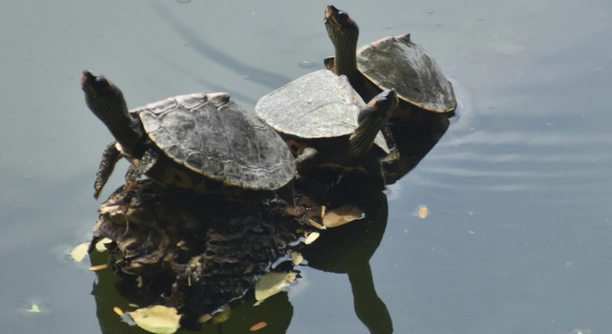
Your Indian Roofed Tortoise is a fascinating creature with unique habits and needs. Like all animals, it can sometimes experience feelings of loneliness or isolation. Understanding these signs can help improve its well-being.
The main signs of loneliness in your Indian Roofed Tortoise include changes in activity, reduced appetite, or increased hiding behavior. These behaviors indicate that your tortoise may feel neglected and in need of more attention and companionship.
By recognizing these signs early, you can take steps to provide your tortoise with a better environment. Ensuring they get enough social interaction and mental stimulation can greatly improve their quality of life.
Changes in Activity Levels
One of the first signs your Indian Roofed Tortoise may be feeling lonely is a noticeable drop in activity. Tortoises are naturally curious creatures, and when they are healthy and content, they explore their surroundings regularly. If your tortoise becomes unusually still, spends more time hiding, or avoids exploring its environment, it could indicate that something is missing. Loneliness can make them retreat into their shells, both physically and emotionally.
If your tortoise seems to lack the energy it usually has, this might be a cry for attention. In the wild, tortoises often interact with other tortoises, and without that social stimulation, they can feel isolated.
Giving your tortoise a more engaging environment can help them feel less alone. Adding new hiding spots, climbing structures, or changing the layout of their enclosure can encourage them to explore more. Regular interactions, even if it’s just watching them or offering food, can help them feel more secure and less lonely.
Appetite Changes
When tortoises start eating less or showing little interest in food, it can be a sign of loneliness. Reduced appetite might not only be linked to hunger but could reflect emotional distress.
A tortoise that feels isolated might not be as motivated to eat. It’s crucial to make sure they have enough time outside their hiding spots and are offered food in a calm, comfortable space. Avoid overwhelming them with too much noise or movement, which might add to their anxiety. Make mealtime an opportunity for bonding, which can encourage them to feed.
Making sure your tortoise has a varied diet that includes fresh vegetables and occasional treats is also a good way to boost their interest in eating. Loneliness can make a tortoise less engaged with its environment, and food can often be a way to draw them out.
Hiding Behavior
Indian Roofed Tortoises that begin to hide more than usual might be trying to escape from their emotions. If your tortoise is frequently retreating into its shell or hiding in corners of its enclosure, it’s a clear sign of stress, which could stem from loneliness. When animals feel isolated, their natural response is to withdraw.
This behavior can be particularly noticeable if your tortoise has previously been more social and active. A tortoise that is spending much of its time hidden might be signaling that it is feeling insecure or uncomfortable without social interaction. While hiding can be normal at times, consistent withdrawal may suggest that your tortoise is seeking a way to cope with loneliness.
In these situations, it’s important to provide reassurance and regular interaction. Try sitting near your tortoise and speaking softly to it, or gently encourage it to come out by offering its favorite food. Creating a more stimulating environment can also help, especially one that mimics the natural habitats where tortoises might interact with other animals.
Lack of Social Behavior
Indian Roofed Tortoises, like many reptiles, may exhibit signs of loneliness through a lack of social behavior. If your tortoise is no longer responding to your presence, it might be indicating that it needs more interaction.
Tortoises in the wild interact with one another, whether it’s for mating or simply sharing their space. Without the presence of another tortoise, they may become less active in engaging with their surroundings. This can include not responding to your movements or showing little interest when you place food or new objects in their enclosure.
Adding another tortoise to the environment can sometimes help, though it’s important to consider compatibility before doing so. If introducing another tortoise isn’t an option, regular physical contact, like gentle handling, and even being present more often can help your tortoise feel a sense of connection.
Changes in Behavior Around Other Animals
If your tortoise seems to ignore or show little interest in other pets or animals, it might be feeling lonely. Tortoises often have social needs, and when those are unmet, they might withdraw from other creatures.
While tortoises don’t usually form bonds like dogs or cats, they still recognize other living beings in their space. If your tortoise used to be curious around other pets but now avoids them, it could be a sign of emotional stress due to isolation. Your tortoise may need more time with you or another tortoise to help satisfy those needs.
Encouraging social interaction, even just with you, can help. If you have other animals, make sure to introduce them in a calm, controlled way to prevent overwhelming your tortoise. Giving your tortoise more stimulation from other living beings may help it feel less isolated.
Slow Response to New Stimuli
A tortoise that doesn’t react to new items in its enclosure or environmental changes could be showing signs of loneliness. Usually, tortoises are curious creatures that respond to changes, but when they’re lonely or stressed, they may become more passive.
When your tortoise shows little interest in changes, it might not have the emotional energy to explore or engage. This lack of response is a clear indication that your tortoise may be feeling disconnected from its surroundings. Loneliness can cause a tortoise to retreat inward and lose its natural curiosity.
You can help by changing its environment occasionally and adding new objects for exploration. This encourages mental stimulation and helps your tortoise stay engaged. But if the behavior continues, it might be time to spend more time with your tortoise to fulfill its need for interaction.
Increased Aggression or Irritability
Lonely tortoises can show aggression, especially when they feel stressed or threatened. If your tortoise has become more irritable or defensive, it may be reacting to emotional isolation.
This behavior could include hissing, biting, or pushing objects in its space. When tortoises feel alone, they may become more territorial or defensive, even with their owners. They may also lash out if they sense a lack of security or companionship.
Spending more time with your tortoise can help ease its aggression. Offering food or simply sitting near its enclosure can create a sense of comfort and safety.
Overactive Exploration
Sometimes a lonely tortoise may overcompensate by becoming unusually active. If your tortoise has started pacing or endlessly searching its enclosure, it could be a sign that it’s looking for something, like companionship.
Tortoises usually like exploring their environment, but excessive movement might indicate stress. When they’re lonely, they may walk around aimlessly, looking for stimulation or attention.
It’s important to address this behavior by ensuring the tortoise’s environment is enriched with safe, interactive elements. Regular handling or playtime might also help calm your tortoise’s restlessness and provide some much-needed mental stimulation.
Excessive Sleeping
An Indian Roofed Tortoise that sleeps more than usual might be trying to escape feelings of loneliness. Tortoises need sleep, but when their environment feels unfulfilling, they may shut down emotionally.
If your tortoise is hiding or spending long hours asleep, it could be a sign of emotional distress. Sleep may provide them with a way to avoid feelings of isolation or boredom.
FAQ
What can I do if my tortoise seems lonely?
If you notice signs that your tortoise is lonely, the best thing to do is spend more time with it. Tortoises can become emotionally attached to their owners, so regularly interacting with your tortoise by offering food, handling it gently, or simply sitting near its enclosure can help. Make sure its environment is enriched with things to explore like rocks, plants, or climbing structures. If possible, consider getting another tortoise for companionship, as they naturally seek out the presence of other tortoises.
Is it normal for my tortoise to hide a lot?
Hiding can be a normal behavior for tortoises, but if it becomes excessive, it could indicate loneliness or stress. If your tortoise is spending more time than usual in its hiding spot, it might be feeling insecure or neglected. Try to observe any other signs of distress like a lack of appetite or reduced activity. If the hiding continues, spend more time with your tortoise, offering food or gentle interactions, to help it feel more comfortable.
How can I tell if my tortoise is depressed?
A depressed tortoise might show several signs of distress, including loss of appetite, excessive hiding, and lack of interest in its surroundings. If your tortoise is becoming unusually lethargic or is no longer exploring its environment as much, loneliness could be a factor. Depression can also be a response to other environmental changes, such as a temperature drop or a shift in habitat. Addressing its social needs, providing a more enriching environment, and ensuring a stable habitat can help improve its mood.
Can I get another tortoise to keep my tortoise company?
Yes, getting another tortoise could be an effective way to help alleviate loneliness. However, it’s important to carefully consider the compatibility of the two tortoises before introducing them. Indian Roofed Tortoises are typically solitary animals in the wild, but they can tolerate the presence of other tortoises when properly introduced. Make sure to give them space to acclimate and monitor their interactions to prevent aggression. Some tortoises may need time to adjust to a new companion.
Why is my tortoise eating less?
If your tortoise is eating less, it could be a sign that it’s feeling lonely or stressed. A change in appetite can also result from environmental factors, like temperature changes or poor lighting. If your tortoise is consistently refusing food, it’s important to check its habitat and ensure it meets its specific needs. Loneliness can also cause tortoises to lose interest in food, so spending more time with your tortoise and providing a variety of fresh food options might help encourage eating.
Can my tortoise become aggressive if it’s lonely?
Yes, loneliness can lead to increased aggression in tortoises. If your tortoise feels isolated, it may become more territorial and defensive. This could manifest as biting, hissing, or even pushing things around in its environment. Tortoises naturally have territorial instincts, and when they’re stressed or feeling lonely, they may act out in these ways. Spending more time with your tortoise or providing it with an enriched environment may help reduce this aggressive behavior.
How often should I interact with my tortoise to prevent loneliness?
Ideally, you should interact with your tortoise daily to prevent loneliness. This can involve gently handling it, allowing it to explore your space, or simply sitting near it. Tortoises thrive on routine and familiarity, so regular interactions can provide the social stimulation they need. If you are unable to spend time with it every day, try to ensure it has enough physical and mental stimulation in its enclosure, such as plants, climbing structures, and toys.
Is it okay to let my tortoise roam outside its enclosure?
Letting your tortoise roam outside its enclosure can be beneficial as long as it’s in a safe, controlled environment. If you’re able to create a secure space for your tortoise to explore, it can help provide mental and physical stimulation. However, make sure the area is free from predators or hazards. Outdoor exploration can mimic their natural behaviors and give them the opportunity to be more active, which can reduce feelings of loneliness.
Can tortoises bond with their owners?
Tortoises can form a bond with their owners, though it’s different from the emotional attachment that mammals might develop. They often associate you with food and safety, and they may seek out your presence for comfort. While they don’t typically seek affection in the same way as pets like dogs or cats, they can learn to trust you and enjoy your company. Regular interactions can help your tortoise feel secure and less lonely.
Should I keep my tortoise alone?
It’s generally okay to keep your tortoise alone, especially if it’s the only pet in its enclosure. However, if you notice signs of loneliness or distress, adding another tortoise can help. Be mindful of the species and gender of any potential companions, as tortoises can be territorial. If introducing a second tortoise, take time to properly introduce them and ensure they get along. If adding another tortoise isn’t an option, spend more time with your tortoise to provide the social interaction it needs.
Final Thoughts
Tortoises, including the Indian Roofed Tortoise, are solitary creatures by nature. However, like all animals, they can experience emotions such as loneliness and stress if their social needs aren’t met. Recognizing the signs of loneliness is key to ensuring your tortoise stays healthy and happy. Signs like excessive hiding, reduced activity, lack of appetite, and increased aggression are clear signals that your tortoise might need more attention. By spending more time with them and adjusting their environment, you can help alleviate their feelings of isolation.
It’s important to remember that tortoises, although not as outwardly affectionate as some pets, still benefit from consistent interaction. They thrive in environments that provide mental and physical stimulation. A variety of objects to explore, safe areas for hiding, and routine handling can go a long way in improving their well-being. In some cases, adding another tortoise for companionship may be a good option, but this should be done carefully to avoid aggression or territorial behavior. Every tortoise has its own personality, so understanding their individual needs is crucial.
If you’re unsure about how to improve your tortoise’s quality of life, consulting with a veterinarian or reptile expert can offer helpful guidance. They can help assess whether your tortoise’s behavior is due to loneliness, health issues, or other factors. With the right environment, routine, and care, your tortoise can live a long, happy life without feeling isolated. Small changes, like spending more time with your tortoise or adjusting its habitat, can make a big difference in how it feels and behaves.

Hello,
If you enjoy the content that we create, please consider saying a "Thank You!" by leaving a tip.
Every little bit helps us continue crafting quality advice that supports the health, happiness, and well-being of pets around the world, for pets of all shapes, sizes, and species.
We really appreciate the kindness and support that you show us!