
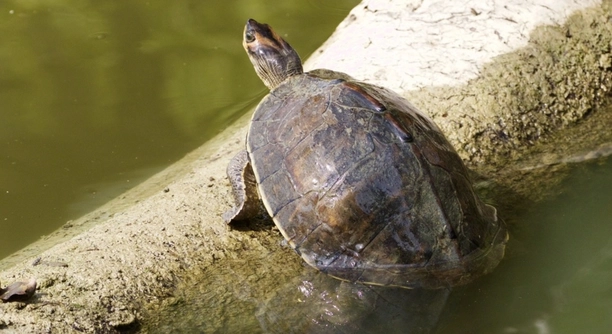
Your Indian Roofed Tortoise may be displaying unusual beak scraping behavior, which can sometimes be puzzling for pet owners. Understanding the reasons behind this behavior is key to providing the proper care for your turtle.
Beak scraping in Indian Roofed Tortoises is often caused by natural behaviors such as sharpening, territorial marking, or stress. It could also be linked to an imbalanced diet or lack of proper habitat enrichment, requiring closer attention to their environment.
Knowing the cause of this behavior can help improve your tortoise’s well-being. Let’s explore what might be causing this and how you can help your pet feel better.
Common Causes of Beak Scraping
Beak scraping is a behavior seen in Indian Roofed Tortoises, and understanding the root cause is essential. It’s natural for tortoises to scrape their beaks against surfaces to maintain beak health. This activity is part of their normal routine and can be linked to sharpness, feeding habits, or social interactions. However, excessive scraping might indicate stress or discomfort.
A tortoise that seems to scrape its beak often may be signaling an issue with its living conditions. If the environment is too small or lacks enrichment, your tortoise might act out by scraping its beak more frequently. Another common cause of excessive scraping is poor diet, which can lead to vitamin deficiencies or imbalanced nutrition.
Proper diet and habitat are crucial in managing this behavior. A varied diet that includes leafy greens, vegetables, and calcium-rich foods helps maintain overall health. In addition, making sure the habitat has plenty of space and stimulating elements can keep your tortoise content. If scraping continues, a visit to the vet might be necessary to rule out any underlying health issues.
Stress and Anxiety
Stress is a frequent trigger of beak scraping in tortoises. When their environment changes, such as moving to a new tank or facing new sounds, it can cause anxiety.
If the tortoise feels threatened or confused, it might use beak scraping as a coping mechanism. Reducing stress involves making the environment more stable and familiar, with quiet surroundings and safe hiding spots.
Poor Diet and Nutritional Imbalance
A poor diet can lead to beak scraping. If your tortoise isn’t getting the right balance of nutrients, it may act out in unusual ways. Calcium and vitamin deficiencies can affect beak health, causing them to scrape more often.
To prevent this, ensure a varied diet that includes leafy greens, vegetables, and high-quality tortoise pellets. Calcium supplements are essential for shell and beak health. You can also provide cuttlebone to help with calcium intake. A healthy diet is crucial for keeping your tortoise’s beak in good condition and preventing excessive scraping.
Tortoises need a diverse diet to meet their nutritional needs. Along with calcium, they need fiber, vitamins A, D, and E. If they lack proper nutrition, they might scrape their beaks more as a sign of discomfort. Regularly reviewing their diet will prevent long-term health issues, including stress from nutritional imbalances. Make sure you’re offering the right mix of food to avoid these issues.
Habitat Size and Enrichment
A cramped living space can also lead to beak scraping. If your tortoise feels confined, it may use scraping as a way to express frustration. Tortoises are naturally curious and need plenty of space to roam.
Providing a larger enclosure can reduce anxiety. A bigger habitat allows your tortoise to explore and engage in natural behaviors, decreasing the need for excessive beak scraping. You can add rocks, branches, and hiding spots to create a stimulating environment. This will help your tortoise feel more secure and content. Regularly change the setup to keep things interesting.
When creating an ideal habitat, think about both the size and the types of enrichment you offer. Make sure the enclosure includes a variety of surfaces, textures, and hiding places that mimic the natural environment. These changes can help reduce stress and keep your tortoise happy. Always monitor their behavior closely after making any changes to ensure they’re adjusting well.
Health Issues
Health problems can also cause beak scraping. If your tortoise is in pain or uncomfortable, it might scrape its beak more often. This behavior could be a sign of something more serious, such as an infection or respiratory issue.
If beak scraping becomes excessive, it’s best to consult a vet. A check-up can rule out health conditions like respiratory infections, mouth rot, or other ailments. Infections or pain can make your tortoise feel stressed, leading to unusual behaviors. Proper medical attention can help prevent further discomfort and correct the problem.
Beak Wear and Tear
Over time, beaks naturally wear down through normal activities like feeding and exploring. However, some tortoises may scrape more aggressively, especially if their diet lacks appropriate roughage.
Ensure your tortoise has access to suitable materials, like rocks or branches, to help naturally wear down its beak. This helps avoid excessive scraping and keeps the beak in proper condition. Regularly monitor its beak for any irregularities or overgrowth, as this can affect eating and overall health.
FAQ
Why does my Indian Roofed Tortoise scrape its beak on the ground?
Beak scraping is often a natural behavior for tortoises, as they do it to sharpen their beaks and keep them in good condition. It can also help remove any excess growth or dead tissue. However, if it happens too frequently or seems excessive, it might indicate stress, a poor diet, or an improper environment.
Can stress cause beak scraping in my tortoise?
Yes, stress is a common cause of beak scraping. Changes in the environment, like moving to a new enclosure, new sounds, or handling, can make your tortoise feel anxious. A stressed tortoise may scrape its beak as a way to cope. Creating a stable, quiet environment and avoiding sudden changes can help reduce stress.
Is my tortoise’s beak scraping a sign of a health problem?
Excessive beak scraping may be a sign of an underlying health issue, like mouth rot or a respiratory infection. If the scraping is persistent or if your tortoise shows other signs of illness (like lethargy, loss of appetite, or abnormal breathing), a vet visit is recommended to rule out health problems.
How can I tell if my tortoise is stressed?
Signs of stress in tortoises can include excessive scratching, beak scraping, hiding, loss of appetite, or aggressive behavior. A stressed tortoise might also exhibit a reluctance to move or engage with its environment. Observing its overall behavior and ensuring that it has enough space and stimulation can help you identify and manage stress.
What kind of diet should I feed my tortoise to prevent beak scraping?
A balanced diet is key to preventing beak scraping. Tortoises need a mix of leafy greens, vegetables, and high-quality pellets. Ensure they receive enough calcium, which helps maintain beak and shell health. Adding cuttlebone to their diet is a good way to provide extra calcium. Avoid feeding too much fruit, as it can cause dietary imbalances.
Can poor diet lead to beak scraping?
Yes, a poor diet can cause beak scraping. Tortoises that don’t get enough calcium, fiber, or essential vitamins may experience unhealthy beak growth, leading to scraping. Malnutrition can also cause stress, which can contribute to the behavior. Always offer a varied diet to keep your tortoise healthy.
How can I enrich my tortoise’s habitat to reduce beak scraping?
Enrichment is crucial for your tortoise’s mental and physical well-being. Ensure it has plenty of space to move around, with objects like rocks, branches, and hiding spots. A larger, more stimulating environment can reduce stress and encourage natural behaviors. Changing the setup occasionally will also keep your tortoise engaged.
How often should I check my tortoise’s beak?
Regularly inspect your tortoise’s beak for any signs of overgrowth, cracks, or infections. It’s important to check it during routine care, especially after feeding. If you notice any abnormalities or if your tortoise is scraping its beak excessively, consult with a vet to ensure everything is in proper condition.
Is beak scraping a normal behavior in all tortoises?
While beak scraping is common among tortoises, not all will do it excessively. It varies based on the individual, their habitat, and their diet. Some tortoises may naturally scrape their beaks more than others, but as long as it’s not overdone or accompanied by signs of illness, it’s generally not a cause for concern.
How can I prevent my tortoise from scraping its beak too much?
To prevent excessive beak scraping, focus on providing a balanced diet, proper habitat, and stress-free environment. Ensure your tortoise has access to plenty of space, hiding spots, and items to help with beak wear, like rocks or branches. Regularly monitor its health and consult with a vet if the scraping seems abnormal.
Should I trim my tortoise’s beak if it’s growing too long?
If your tortoise’s beak is growing too long, it’s best to seek advice from a vet before attempting to trim it yourself. Overgrown beaks can affect eating and overall health. A vet can safely trim the beak or suggest other solutions to address the issue.
Final Thoughts
Understanding the reasons behind your Indian Roofed Tortoise’s beak scraping behavior is key to ensuring its health and well-being. It’s important to consider various factors, such as diet, habitat, and stress levels, as they can all contribute to this behavior. In many cases, beak scraping is a normal and natural action, part of your tortoise’s routine to maintain its beak. However, if the behavior becomes excessive or is accompanied by other signs of illness, it’s important to address the underlying cause.
Providing a balanced diet is one of the most important steps in preventing excessive beak scraping. Tortoises require a varied diet full of leafy greens, vegetables, and proper calcium intake. If they lack essential nutrients, it can lead to poor beak health and excessive scraping. A well-maintained diet will also help reduce stress and prevent nutritional deficiencies that may otherwise affect their overall behavior. Along with diet, ensuring that your tortoise has a comfortable and enriched habitat is crucial. A spacious enclosure with hiding spots, climbing structures, and safe areas for exploration will help your tortoise feel secure and less likely to exhibit stress-related behaviors like beak scraping.
If you’ve made sure your tortoise’s diet and habitat are optimal but the beak scraping continues, it’s important to consult a vet. A vet can rule out potential health problems, such as infections or beak deformities, which could cause the scraping behavior. Monitoring your tortoise’s health, observing its behavior, and addressing any changes early on can ensure that it remains happy and healthy. Regular check-ups with a veterinarian are important, especially if your tortoise shows signs of excessive scraping, changes in appetite, or difficulty eating. By providing the right care and attention, you can help your tortoise thrive while reducing any unnecessary stress or discomfort.

Hello,
If you enjoy the content that we create, please consider saying a "Thank You!" by leaving a tip.
Every little bit helps us continue crafting quality advice that supports the health, happiness, and well-being of pets around the world, for pets of all shapes, sizes, and species.
We really appreciate the kindness and support that you show us!