
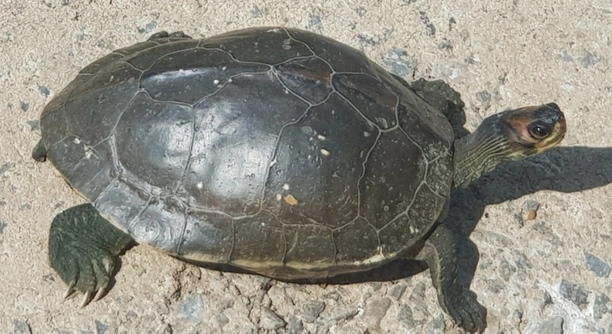
Is your Indian roofed tortoise’s shell looking dull or unhealthy? A well-balanced diet plays a key role in keeping its shell strong, smooth, and properly formed. Providing the right nutrients can prevent issues and promote overall well-being.
The best foods to improve an Indian roofed tortoise’s shell health are calcium-rich vegetables, cuttlebone, protein sources like snails, and vitamin-packed fruits. These foods supply essential nutrients, ensuring a resilient, well-formed shell while preventing deformities and mineral deficiencies.
From leafy greens to natural calcium sources, understanding what benefits your tortoise’s shell is essential. Knowing which foods to incorporate will help you maintain your pet’s health and longevity with ease.
Calcium-Rich Leafy Greens
Leafy greens are an excellent source of calcium, which is essential for a strong and healthy shell. Feeding your Indian roofed tortoise a variety of greens like mustard greens, turnip greens, and collard greens ensures they get the necessary nutrients. These vegetables also contain fiber, which supports digestion. To keep your tortoise’s diet balanced, rotate different types of greens and avoid feeding spinach frequently, as it can interfere with calcium absorption. Fresh, pesticide-free greens are the best choice, and washing them before serving helps remove any residues that could be harmful to your pet.
Offering leafy greens daily is a great way to provide essential minerals. Since tortoises rely on dietary sources for calcium, including these vegetables regularly can make a noticeable difference in shell health. Pairing greens with calcium supplements can further enhance their benefits.
Choosing the right leafy greens keeps your tortoise healthy and active. It also prevents potential health problems related to weak shells. A nutritious diet is one of the easiest ways to ensure your tortoise thrives in captivity. Providing a mix of safe greens will support shell development and keep your pet strong.
Cuttlebone for Natural Calcium
Cuttlebone is one of the simplest ways to provide extra calcium for your tortoise. It is easy to find and can be left in the enclosure for your pet to nibble on whenever needed.
Tortoises need a consistent calcium supply to maintain a strong shell. While leafy greens offer some calcium, cuttlebone provides an additional source that is both natural and effective. It also helps wear down their beak, preventing overgrowth. To introduce cuttlebone, place a small piece in the enclosure and let your tortoise explore it at its own pace. Some tortoises take to it immediately, while others may need time to adjust. Crushed cuttlebone can also be sprinkled over food if your tortoise is hesitant to eat it whole.
Making cuttlebone a regular part of your tortoise’s diet ensures it gets the necessary minerals for proper shell growth. It is an affordable and hassle-free way to support overall health.
Protein Sources for Shell Strength
Snails, earthworms, and mealworms provide essential protein that supports shell growth. While Indian roofed tortoises mainly eat plants, occasional protein helps maintain a balanced diet. Offering these foods in moderation ensures proper shell development without causing digestive issues or excessive weight gain.
Protein plays a vital role in keeping a tortoise’s shell strong. It aids in tissue repair and supports overall growth. Young tortoises benefit the most from small amounts of animal protein, as their shells are still developing. Snails are particularly beneficial because they also contain calcium. Earthworms and mealworms should be given sparingly since too much protein can lead to health issues. To keep things balanced, offer protein once a week alongside a variety of vegetables and calcium sources. Always ensure the protein is free from pesticides or additives that could harm your pet.
A well-rounded diet with occasional protein helps prevent shell deformities and promotes natural growth. If your tortoise is not used to eating protein, start with small portions and observe how it reacts. Overfeeding protein can cause pyramiding, a condition where the shell develops unnatural, raised scutes. Sticking to the right balance ensures a strong, smooth shell and overall well-being.
Vitamin-Packed Fruits for Added Nutrition
Fruits like papaya, mango, and figs provide vitamins that support shell health. These fruits contain vitamin A, which helps maintain proper growth and prevents shell abnormalities. Offering small amounts of fruit as an occasional treat can add variety to your tortoise’s diet while keeping it healthy.
Too much fruit can lead to digestive problems, so it should only be fed once or twice a week. Papaya is an excellent choice because it contains natural enzymes that aid digestion. Mango provides vitamin C, which supports the immune system, while figs are rich in calcium. To prevent overfeeding, offer fruit in small, bite-sized pieces mixed with leafy greens. Removing seeds and ensuring the fruit is fresh and pesticide-free is important. A balanced diet with controlled fruit intake helps maintain a smooth and properly developed shell.
Hydration with Fresh Vegetables
Cucumbers, zucchini, and lettuce provide hydration while supporting shell health. A well-hydrated tortoise maintains proper shell elasticity and avoids dryness or cracking. These vegetables should be included regularly but not as the main diet, as they have lower nutritional value compared to leafy greens.
Chopping fresh vegetables into bite-sized pieces makes them easier to eat. Serving them alongside calcium-rich foods ensures a balanced diet. Avoid iceberg lettuce, as it lacks nutrients and can lead to digestive issues. Providing a mix of hydrating vegetables helps keep your tortoise’s shell in good condition.
UVB Light and Outdoor Time
UVB exposure helps a tortoise absorb calcium and strengthen its shell. Without proper light, even a nutritious diet will not be enough. Regular outdoor time or a high-quality UVB lamp ensures your tortoise gets the vitamin D3 it needs for healthy shell development.
Safe Supplements for Extra Support
Calcium powder and vitamin D3 supplements help fill nutritional gaps. Sprinkling a small amount over food a few times a week prevents deficiencies. Choosing high-quality supplements designed for reptiles ensures your tortoise gets the necessary nutrients for shell strength and overall health.
FAQ
How often should I feed my Indian roofed tortoise calcium-rich foods?
Calcium-rich foods should be included in your tortoise’s diet daily. Leafy greens like mustard and turnip greens provide a natural source of calcium, while cuttlebone can be left in the enclosure for constant access. Dusting food with calcium powder two to three times a week helps prevent deficiencies.
Can too much protein harm my tortoise’s shell?
Yes, excessive protein can lead to pyramiding, where the shell develops unnatural, raised scutes. Indian roofed tortoises require a primarily plant-based diet, with occasional protein sources like snails or earthworms. Limit protein intake to once a week to ensure healthy growth and prevent shell deformities.
What fruits are safe for my tortoise, and how often should they be given?
Safe fruits include papaya, mango, and figs, which provide essential vitamins for shell health. These should be fed in moderation, about once or twice a week. Fruits contain natural sugars, and too much can lead to digestive issues or an imbalanced diet. Always remove seeds before feeding.
How important is UVB light for my tortoise’s shell health?
UVB light is essential for calcium absorption and shell development. Without UVB exposure, tortoises cannot properly metabolize calcium, leading to weak or deformed shells. If your tortoise does not have access to natural sunlight, use a high-quality UVB lamp for 10-12 hours daily.
Can I feed my tortoise iceberg lettuce for hydration?
No, iceberg lettuce lacks essential nutrients and has little benefit beyond water content. Instead, offer hydrating vegetables like cucumbers, zucchini, and romaine lettuce. These provide moisture while also contributing some nutritional value to your tortoise’s diet.
What are the signs of a calcium deficiency in a tortoise?
Soft or deformed shells, difficulty walking, and a lack of appetite can indicate calcium deficiency. In severe cases, a condition called metabolic bone disease (MBD) may develop, leading to permanent deformities. Providing calcium-rich foods, cuttlebone, and UVB exposure prevents these issues.
How can I tell if my tortoise is getting enough hydration?
A well-hydrated tortoise has smooth, firm skin and an active demeanor. If your tortoise appears lethargic, has sunken eyes, or a dry shell, it may need more hydration. Providing fresh vegetables, clean drinking water, and regular soaking helps maintain proper moisture levels.
Can I give my tortoise commercial turtle food for shell health?
Some commercial turtle foods contain beneficial nutrients, but they should not replace fresh foods. Many processed pellets lack adequate fiber and natural vitamins. If using commercial food, choose high-quality options designed for herbivorous tortoises and offer them in moderation alongside fresh vegetables.
How often should I let my tortoise spend time outside?
Outdoor time is beneficial if the weather is warm and safe. A few hours of supervised outdoor exposure per day allows your tortoise to absorb natural sunlight and exercise. Ensure the area is secure from predators and free of harmful plants or pesticides.
Can a poor diet cause my tortoise’s shell to become bumpy or misshapen?
Yes, an imbalanced diet lacking calcium and proper nutrients can lead to pyramiding or other shell deformities. Feeding a variety of leafy greens, occasional fruits, and calcium sources helps maintain a smooth, well-formed shell. UVB exposure is also necessary for preventing irregular growth.
What should I do if my tortoise’s shell looks dry or cracked?
A dry or cracked shell can indicate dehydration or poor diet. Increase hydration by offering moisture-rich vegetables and providing a shallow water dish. A warm soak once or twice a week can help maintain shell moisture. Ensure your tortoise is receiving enough calcium and UVB light.
Are there any foods I should completely avoid?
Avoid feeding spinach, rhubarb, and iceberg lettuce, as they interfere with calcium absorption or lack nutrients. Also, avoid high-protein foods like dog or cat food, which can cause serious health problems. Stick to a balanced diet with natural, fresh foods suited to your tortoise’s needs.
Final Thoughts
Caring for an Indian roofed tortoise requires attention to its diet, hydration, and environmental needs. A well-balanced diet filled with calcium-rich greens, occasional protein, and vitamin-packed fruits helps maintain a strong, smooth shell. Proper hydration from fresh vegetables and clean water prevents dryness and supports digestion. Adding cuttlebone or calcium powder ensures your tortoise gets enough minerals to avoid shell deformities. These simple dietary choices can make a big difference in keeping your pet healthy and active.
Beyond food, UVB exposure plays a key role in shell health. Without UVB light, even a calcium-rich diet will not be fully effective. Whether through natural sunlight or a high-quality UVB lamp, providing consistent light helps your tortoise properly absorb calcium. Regular outdoor time, when possible, allows for natural light exposure and exercise. Creating a safe and enriching environment with proper heat, humidity, and space supports overall well-being. A comfortable habitat encourages natural behaviors and keeps your tortoise stress-free.
Keeping up with your tortoise’s needs is a long-term commitment, but small efforts lead to lasting health benefits. Observing your pet’s eating habits, shell condition, and activity levels helps you make adjustments when necessary. Avoiding harmful foods and offering a variety of safe, nutritious options will prevent common health problems. With the right care, your tortoise can live a long, healthy life with a strong, well-formed shell.

Hello,
If you enjoy the content that we create, please consider saying a "Thank You!" by leaving a tip.
Every little bit helps us continue crafting quality advice that supports the health, happiness, and well-being of pets around the world, for pets of all shapes, sizes, and species.
We really appreciate the kindness and support that you show us!