
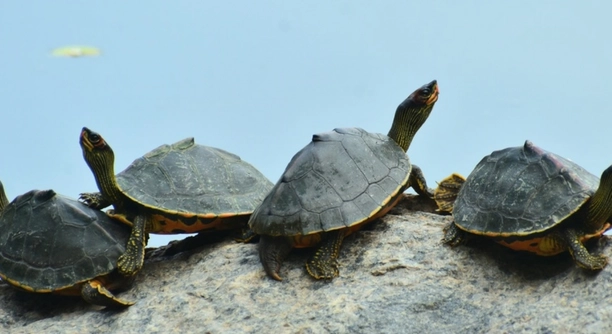
Indian Roofed Tortoises are known for their favorite spots, but sometimes, they may avoid them unexpectedly. This change in behavior can raise concerns for pet owners who are unsure of what might be causing it.
The most common reason a tortoise avoids its favorite spot is due to changes in its environment or health. Factors such as temperature fluctuations, stress, or discomfort may cause the tortoise to seek alternative locations.
Understanding these possible causes can help you identify and address the issue more effectively, ensuring your tortoise is happy and comfortable in its home.
Environmental Factors and Their Impact
When an Indian Roofed Tortoise avoids its favorite spot, environmental factors are often to blame. These tortoises are sensitive to their surroundings, especially temperature and humidity levels. If the area has become too hot or too cold, they may move away in search of more suitable conditions. Even slight changes in light or moisture can make them uncomfortable. Tortoises are creatures of habit and usually prefer familiar, consistent environments. Therefore, if something in their habitat is altered, they might feel the need to relocate to a place that feels safer or more comfortable. Ensuring the temperature and humidity remain stable in their living space will help encourage them to return to their favorite spots.
When changes occur, they may be subtle. Over time, your tortoise’s behavior could shift in response to these fluctuations, sometimes leading them to avoid their preferred areas.
Temperature control is crucial. You can use a thermometer and hygrometer to monitor the habitat, making adjustments to keep the environment consistent and comfortable.
Health Issues and Their Influence
If environmental factors are not the cause, health problems could be at play. Tortoises can experience discomfort from infections or injuries, leading them to avoid specific areas. If their favorite spot is too difficult to reach due to pain, they might choose a more accessible location. A tortoise’s shell, limbs, and internal systems need to be healthy for them to navigate comfortably. It’s important to check for signs of injury or illness, such as difficulty moving, swollen limbs, or changes in eating and drinking habits.
If your tortoise seems to be avoiding their favorite spot due to health concerns, consulting a veterinarian is essential. Timely intervention can address any potential issues before they become serious.
Monitoring your tortoise’s behavior closely can help detect changes early. If the avoidance of their usual spot persists, a vet checkup may provide clarity on any underlying health problems.
Stress and Anxiety
Stress is another factor that can lead to an Indian Roofed Tortoise avoiding its favorite spot. A change in routine, such as unfamiliar people or animals in the environment, can trigger stress. Tortoises are creatures of habit and may find disruptions unsettling. This change in behavior can be subtle but may lead them to seek a more secure or isolated space.
Even minor disturbances, like loud noises or moving objects, can cause stress. If a tortoise feels threatened, it may avoid areas it once felt comfortable in. Giving them quiet, consistent environments is important for their well-being.
Minimizing sudden changes and introducing new elements gradually will help them feel secure. You may want to create a safe, calm environment with minimal distractions to help reduce stress levels.
Improper Lighting and UVB Exposure
Another reason your tortoise might avoid its favorite spot is improper lighting or insufficient UVB exposure. Indian Roofed Tortoises require direct sunlight or UVB lighting to maintain healthy bones and shells. Without proper lighting, they may feel disoriented or unwell, leading them to avoid certain areas. Inadequate UVB exposure can also result in a weakened immune system, affecting the tortoise’s behavior.
Tortoises need a designated basking spot with both heat and UVB light to thrive. If their spot no longer provides the right lighting conditions, they may seek out areas with better access to light.
Make sure the lighting is optimal, as this directly impacts their health and comfort. Replacing UVB bulbs every six months is essential, as their effectiveness diminishes over time.
Overcrowding and Space Issues
Overcrowding can cause discomfort for your tortoise. If there are too many items in the habitat or multiple animals, it can make them feel confined. This may lead them to avoid areas they once preferred, searching for more space and solitude.
Tortoises need enough room to move freely without feeling trapped. Ensuring the habitat is spacious and uncluttered will help them feel secure. Consider expanding the space or removing unnecessary objects to give them more room to roam.
Substrate and Surface Preferences
Indian Roofed Tortoises are sensitive to the substrate they walk on. If their favorite spot has an uncomfortable surface or substrate, they may avoid it. Sometimes, moisture levels or the texture of the material can cause discomfort, prompting them to search for a different area.
The choice of substrate should mimic their natural environment, providing both comfort and safety. Keep the surface clean, dry, and well-maintained to ensure the tortoise feels comfortable in its favorite areas.
Temperature Gradients and Spot Preferences
Tortoises depend on temperature gradients to regulate their body heat. If the temperature in their favorite spot is too high or low, they may avoid it and move elsewhere. Providing various temperature zones in their habitat helps them choose a comfortable area based on their needs.
FAQ
Why is my Indian Roofed Tortoise avoiding its favorite spot?
There are several reasons why a tortoise may avoid its usual spot. The most common causes include changes in its environment, health issues, stress, or improper lighting. Tortoises are creatures of habit and prefer consistency. If something changes, whether it’s the temperature, the layout of the habitat, or their health, they may seek out a new location. If they are feeling unwell or stressed, they might avoid familiar spots as a coping mechanism. It’s important to monitor their surroundings and behavior to identify the specific cause.
How can I reduce stress in my Indian Roofed Tortoise?
To reduce stress, ensure your tortoise has a quiet and stable environment. Avoid sudden changes in its habitat, such as moving its enclosure or introducing unfamiliar pets or people. Make sure the habitat is spacious enough and free of loud noises or disturbances. A regular, calm routine will help your tortoise feel secure. Providing plenty of hiding spaces can also help reduce stress, as it gives your tortoise areas to retreat when feeling overwhelmed.
What temperature should I maintain for my tortoise’s favorite spot?
Your Indian Roofed Tortoise requires a temperature range between 80°F and 90°F in its basking spot. The ambient temperature of the enclosure should be between 75°F and 85°F. These temperatures mimic the tortoise’s natural environment, providing them with the warmth they need for digestion and general health. If the spot is too hot or too cold, your tortoise may avoid it in favor of a more comfortable area.
Does my tortoise need UVB lighting?
Yes, UVB lighting is essential for your tortoise’s health. It helps them produce Vitamin D3, which is crucial for calcium absorption and bone health. Without proper UVB exposure, your tortoise can develop metabolic bone disease, which affects its growth and overall well-being. Make sure your tortoise has access to UVB lighting for 10 to 12 hours a day, and replace the bulbs every 6 months to ensure they are still effective.
Can I use any type of substrate for my tortoise’s habitat?
Not all substrates are suitable for your tortoise. Avoid using substrates that are too soft or too wet, such as sand, which can cause digestive problems if ingested. Instead, opt for natural materials like coconut coir, aspen shavings, or a mixture of soil and sand that provides a comfortable, dry surface. The substrate should be deep enough for burrowing but not so deep that it creates a suffocating environment.
Why is my tortoise not eating as much as usual?
If your tortoise isn’t eating as much, it could be a sign of illness, stress, or an improper diet. Health issues like respiratory infections, parasites, or digestive problems can reduce their appetite. Stress factors like changes in their environment or handling can also cause a loss of appetite. Lastly, if their diet lacks variety or is nutritionally inadequate, it may lead to a decrease in food intake. A visit to the vet can help determine the cause.
How often should I clean my tortoise’s enclosure?
Regular cleaning is essential for maintaining a healthy environment. You should spot-clean the enclosure daily to remove waste and uneaten food. A deep clean of the entire habitat should be done at least once a month, or more frequently if needed. Make sure to disinfect all surfaces, change the substrate, and ensure that all equipment (lights, heat sources, etc.) is functioning properly.
Should I provide my tortoise with a basking area?
Yes, a basking area is vital for your tortoise’s health. It allows them to regulate their body temperature and absorb UVB light, which is necessary for bone health. Set up a basking area with a heat lamp that creates a spot between 85°F and 90°F, depending on the species’ requirements. Ensure the area is large enough for your tortoise to move around freely, and keep it clean to maintain a healthy environment.
Can my tortoise get too hot?
Yes, your tortoise can get too hot. If the temperature in the basking area or elsewhere in the habitat exceeds 95°F, it can cause heat stress, dehydration, or heatstroke. Always monitor the temperature with a thermometer and ensure the enclosure provides a range of temperatures, allowing the tortoise to move to cooler areas when needed.
How long can my tortoise stay without food?
Tortoises can go without food for several days, but this is not ideal and should not be practiced regularly. Healthy tortoises can fast for a week or more, especially during brumation or in cases where food availability is low. However, if your tortoise is not eating for extended periods outside of brumation, it could indicate health issues and should be evaluated by a vet.
Do Indian Roofed Tortoises need water every day?
Yes, Indian Roofed Tortoises need access to fresh water every day. They do not drink large amounts of water at once, but they should always have clean, shallow water available. Make sure the water is shallow enough to prevent drowning. Additionally, occasional soaking can help them stay hydrated and assist with shedding.
Final Thoughts
Understanding why your Indian Roofed Tortoise is avoiding its favorite spot requires considering a few important factors. It could be due to environmental changes, health concerns, or simply a shift in preferences. Tortoises are creatures of habit and tend to gravitate toward familiar areas. Any disruption to their environment, whether it’s a change in temperature, lighting, or substrate, can cause them to seek a different spot. By observing the specific details of the habitat and monitoring their behavior, you can better pinpoint the cause of the issue and take steps to resolve it.
Addressing potential stressors or discomfort in the habitat is crucial for keeping your tortoise healthy. Regularly cleaning the enclosure, maintaining appropriate temperatures, and providing a variety of surfaces and hiding spots can make a significant difference. Creating an environment that closely resembles their natural habitat will help your tortoise feel more comfortable. If there are multiple factors involved, such as overcrowding or poor substrate, fixing these issues may encourage your tortoise to return to their favorite spot. Additionally, paying attention to their diet, hydration, and overall health can prevent other potential causes of discomfort.
If you’re unable to identify the cause or if the behavior persists, consulting a veterinarian is always a good idea. A vet can check for underlying health issues, such as infections or parasites, that may affect your tortoise’s behavior. With proper care and attention, most tortoises will regain their comfort and find their way back to their favorite spots. It’s important to remember that your tortoise’s well-being relies on a balance of physical, environmental, and mental factors. By addressing these aspects, you can create a safe, healthy space that encourages your tortoise to thrive.

Hello,
If you enjoy the content that we create, please consider saying a "Thank You!" by leaving a tip.
Every little bit helps us continue crafting quality advice that supports the health, happiness, and well-being of pets around the world, for pets of all shapes, sizes, and species.
We really appreciate the kindness and support that you show us!