
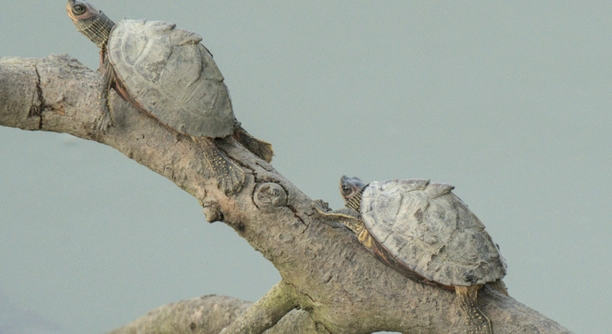
Adjusting your Indian Roofed Tortoise to a new food can take some time. It’s important to be patient and attentive during this transition. Understanding the signs of adjustment will help you ensure your tortoise remains healthy and happy.
When introducing new food to your Indian Roofed Tortoise, monitor their response carefully. If they start eating the food, it’s a good sign they’re adjusting well. However, avoid sudden diet changes to minimize stress. Gradual transitions are most effective.
As you observe their behavior, you’ll learn how to support their diet adjustments more effectively, ensuring their well-being. Understanding their responses helps create a balanced, stress-free environment for your tortoise to thrive.
Understanding Your Tortoise’s Diet Preferences
When introducing new food to your Indian Roofed Tortoise, it’s important to consider their natural diet. Tortoises are herbivores, so their food should mostly consist of plants, leaves, and grasses. They can also benefit from occasional fruits and vegetables in moderation. A sudden change in diet can stress your tortoise and cause digestive problems. To ensure a smooth transition, offer small amounts of the new food alongside their regular diet. Gradually increase the amount of new food while monitoring their reaction. Keep in mind that they may take time to adjust to unfamiliar tastes and textures.
Patience is key during this period. It’s normal for them to be cautious with new food, but if they don’t show interest, try offering it in different ways, such as chopped or mixed with something familiar. Keeping the new food fresh and appealing will increase the chances of your tortoise accepting it.
Adjusting to new food can also be influenced by their environment. Stress from environmental changes, such as temperature fluctuations or unfamiliar surroundings, can make your tortoise more hesitant to try new foods. Ensure their habitat is stable and calm, with consistent lighting and temperature.
How to Recognize Signs of Stress
Tortoises communicate discomfort or stress through certain behaviors. If your Indian Roofed Tortoise is avoiding food, hiding more often, or displaying signs of lethargy, these could be indicators that the food transition is causing them stress. Over time, their behavior will show you what they prefer and how well they are adjusting.
A change in behavior could be due to discomfort with the new food. If they are unwilling to eat or show signs of reluctance, you may need to reconsider your approach. This could involve offering a mix of their old and new food, or adjusting the portion size. Additionally, ensure that the food is fresh and not spoiled.
Identifying the Right Food for Your Tortoise
To successfully transition your Indian Roofed Tortoise to new food, it’s essential to choose foods that are safe and beneficial. Focus on leafy greens like dandelion leaves, clover, and collard greens. Avoid foods high in oxalates, such as spinach, as they can interfere with calcium absorption. Variety is important, but only introduce one new food at a time to monitor how your tortoise reacts. Consistently offering healthy, tortoise-friendly options will help them develop a balanced diet.
When introducing new food, it’s best to offer a small portion. You can add some fresh vegetables, but the majority of their diet should remain plant-based. Over time, your tortoise will get used to the new food. If they are hesitant at first, don’t force them to eat it. Keep offering small amounts until they feel comfortable. If they continue to ignore the food after a few days, try mixing it with something they enjoy.
The goal is to introduce new foods in a way that doesn’t overwhelm or stress your tortoise. Be sure to offer a variety of textures, colors, and flavors to spark their interest. The more appealing the food looks and smells, the more likely they will be willing to try it. Keep track of the foods they enjoy most and use that information to guide future food choices.
Monitoring Their Response
Tracking your tortoise’s reaction to new food is crucial. Monitor their behavior and eating patterns closely. If they eat the food without hesitation, it’s a positive sign that they are adjusting well. However, if they are not showing interest or refuse the food, it may indicate that the food doesn’t suit them. Gradually remove any uneaten food after a few hours to prevent spoilage in their habitat.
Sometimes, your tortoise might show initial disinterest but later begin eating the new food. This could be due to their cautious nature. Over time, if they show signs of discomfort, such as drooling or avoiding the food, it’s worth reconsidering your food choice. Observe if any changes in their behavior, like lethargy or reduced activity, correspond with the introduction of new food.
If your tortoise seems to develop digestive issues, such as diarrhea or bloating, it might mean that the new food is not agreeing with them. In this case, remove the new food and revert to their previous diet. Always make gradual changes and avoid overwhelming their system. This ensures a smoother transition and minimizes stress for your tortoise.
Maintaining a Consistent Feeding Schedule
A consistent feeding schedule helps your Indian Roofed Tortoise adjust to new food. Stick to set meal times each day, offering food at the same time to help them establish a routine. This will also help them recognize when food is available and reduce any stress associated with feeding time.
Consistency in their feeding schedule is just as important as the food itself. Regular feeding helps with digestion and keeps their energy levels steady. Avoid changing their feeding times abruptly, as this can lead to confusion or stress. A calm, predictable routine will make the transition smoother.
Creating a Stress-Free Environment
A calm environment supports your tortoise’s ability to adjust to new food. Ensure their habitat is quiet, with no disturbances during feeding time. Too much noise or movement can stress them out and discourage them from eating. Keep their space clean and familiar to help them feel safe.
Stress-free conditions encourage healthy eating habits. Make sure their tank temperature, humidity, and lighting are stable, as fluctuations in these factors can impact their appetite. A secure and peaceful environment lets your tortoise focus on adjusting to new food without external distractions. A stable habitat is key.
Giving Your Tortoise Time
Be patient while your tortoise adjusts to new food. Allow them time to explore the new food without pressure. It can take time for them to develop an interest in unfamiliar items. Give them space to adapt at their own pace.
FAQ
How can I tell if my tortoise is not adjusting well to new food?
Signs that your tortoise is not adjusting to new food include refusing to eat, hiding more than usual, or becoming lethargic. If they show discomfort, such as excessive drooling or a lack of interest in food, it may indicate that the food isn’t suitable. In some cases, digestive issues like diarrhea or bloating may occur. Monitoring their behavior and activity levels is crucial to understanding how they are reacting to the food change.
How long does it take for a tortoise to adjust to new food?
It can take anywhere from a few days to a couple of weeks for your tortoise to fully adjust to new food. Patience is key during this transition period. Some tortoises may take longer to accept unfamiliar foods, especially if they are very particular about their diet. Offering small portions and gradually introducing the new food over time helps with the adjustment process.
Can I mix new food with their old food?
Yes, mixing new food with their old food is a good way to help your tortoise adjust. Start by offering a small amount of the new food along with their regular diet. Over time, you can gradually increase the amount of new food while reducing the old. This helps avoid sudden changes and encourages your tortoise to try the new food at their own pace.
What should I do if my tortoise refuses to eat new food?
If your tortoise refuses to eat new food, don’t force them to eat it. Instead, try offering the food in different forms, such as chopped or mixed with something they already enjoy. You could also try changing the food’s texture or temperature to see if that makes a difference. Ensure the food is fresh and free of any contaminants, as this could be a reason for their disinterest.
Is it normal for my tortoise to not eat for a day or two after a food change?
Yes, it is normal for a tortoise to skip a meal or two when transitioning to new food. They may need time to adjust to the change and may not feel hungry initially. However, if the refusal to eat lasts for several days, it may indicate that something is wrong, and you should monitor their health more closely. If necessary, consult a veterinarian for guidance.
Can I feed my tortoise fruit and vegetables every day?
While fruits and vegetables can be a part of your tortoise’s diet, they should not make up the majority of their meals. Too much fruit, especially high-sugar ones, can cause digestive issues. Offer fruits as an occasional treat, and focus on leafy greens and grasses for their main diet. A balanced mix of foods is essential for their health.
What are the best vegetables to feed my tortoise?
The best vegetables for your tortoise include dark leafy greens such as collard greens, dandelion greens, and turnip greens. These are rich in nutrients and safe for them to eat. Avoid high-oxalate vegetables like spinach and beet greens, as they can interfere with calcium absorption. Offering a variety of vegetables ensures a well-rounded diet.
Can I feed my tortoise lettuce?
While lettuce can be fed to your tortoise, it should not be a staple food. Romaine lettuce is the best option, but avoid iceberg lettuce, as it has little nutritional value. Lettuce should be offered in moderation and mixed with other nutritious vegetables to provide a balanced diet.
How often should I feed my tortoise new food?
New food should be offered in small portions a few times a week at first. Over time, you can increase the frequency based on how well your tortoise is adjusting. Avoid overwhelming them with too much new food at once, as this can cause stress and disrupt their digestive system.
Should I change my tortoise’s food every week?
It’s not necessary to change your tortoise’s food every week. Instead, aim to provide a varied diet, changing their food offerings regularly to prevent boredom. You can rotate between different types of vegetables and plants to ensure they are getting a variety of nutrients without overloading them with the same foods.
What should I do if my tortoise gets constipated after eating new food?
If your tortoise becomes constipated after eating new food, remove the new food from their diet and revert to their regular meals. Make sure they are drinking enough water and getting enough fiber in their diet. If the constipation persists for more than a couple of days, consider seeking advice from a veterinarian to rule out any underlying issues.
How can I tell if my tortoise is eating enough?
You can tell if your tortoise is eating enough by monitoring their body condition. A well-fed tortoise should have a rounded, firm shell and should remain active throughout the day. If they are losing weight or seem lethargic, it may be a sign that they are not eating enough or that their diet needs to be adjusted. Regularly offering a variety of nutritious foods will ensure they are getting enough nutrition.
Can I feed my tortoise flowers?
Yes, many tortoises enjoy flowers, and they can be a healthy addition to their diet. Edible flowers such as hibiscus, dandelions, and nasturtiums are safe for tortoises to eat. However, be sure to avoid flowers from plants that may have been treated with pesticides or chemicals. Always ensure the flowers are pesticide-free before offering them to your tortoise.
Should I offer my tortoise water when feeding them new food?
Yes, always ensure your tortoise has access to fresh water, especially when introducing new food. Proper hydration is essential for digestion, particularly when trying new foods. While some of the foods they eat, such as leafy greens, contain water, offering a separate water dish is important for maintaining hydration.
Final Thoughts
Adjusting your Indian Roofed Tortoise to new food can take time and patience. Every tortoise is different, and while some may accept changes easily, others might need more time to adapt. It’s important to understand that the process can be gradual, and forcing your tortoise to eat new food can cause unnecessary stress. By introducing new food slowly and offering it in small portions, you can help your tortoise feel comfortable and encourage healthy eating habits. Consistency in feeding times and maintaining a calm environment are also key to a smooth transition.
Monitoring your tortoise’s behavior and health during the adjustment period is crucial. If you notice that your tortoise refuses to eat for extended periods, shows signs of stress, or has digestive issues, it might be a good idea to reassess the type of food you’re offering. In some cases, consulting with a veterinarian or a reptile specialist can provide helpful guidance. It’s important to make sure that the food you are providing is suitable for their specific dietary needs, as some tortoises can be picky or sensitive to certain types of food. Pay attention to their preferences, and ensure that the foods are fresh and free of any contaminants.
Overall, creating a positive experience for your tortoise during their transition to new food will help establish good eating habits for the long term. Be patient and allow your tortoise time to explore and adjust at their own pace. By offering a balanced diet and maintaining a stress-free environment, you are supporting your tortoise’s health and well-being. Each tortoise will adapt differently, but with care and attention, they will eventually feel comfortable with their new food choices, ensuring they remain healthy and active.

Hello,
If you enjoy the content that we create, please consider saying a "Thank You!" by leaving a tip.
Every little bit helps us continue crafting quality advice that supports the health, happiness, and well-being of pets around the world, for pets of all shapes, sizes, and species.
We really appreciate the kindness and support that you show us!