
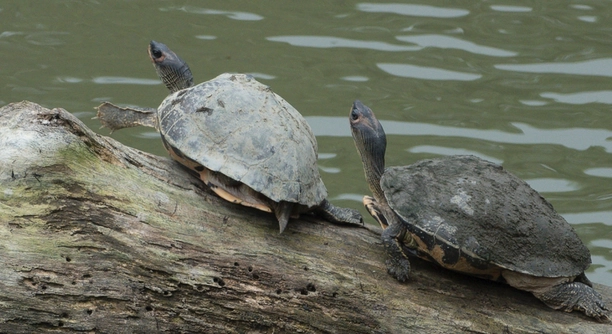
Indian Roofed Tortoises are fascinating creatures, known for their unique shells. However, some owners notice their tortoises develop bumps on their shells. Understanding the causes behind this can help in maintaining their well-being.
Several factors can contribute to bumpy shells in Indian Roofed Tortoises. Nutritional imbalances, lack of proper UVB light, and poor habitat conditions are common causes. These issues can lead to shell deformities that affect your tortoise’s health and growth.
Addressing these causes can help improve your tortoise’s shell health.
Nutritional Imbalances and Their Impact on Shell Health
The diet of your Indian Roofed Tortoise plays a significant role in its overall health, including the appearance of its shell. When they don’t receive the proper nutrients, their shells can develop bumps and deformities. A lack of calcium and vitamin D3 is often the main issue. These essential nutrients are crucial for shell growth and strength. Without them, the tortoise may struggle to develop a smooth, healthy shell.
A well-balanced diet for a tortoise should include leafy greens, vegetables, and some fruits. Offering a variety of foods helps ensure they get the necessary vitamins and minerals. A calcium supplement or cuttlebone can be added to their diet to help with shell development.
If you’re unsure whether your tortoise is getting enough nutrients, consider consulting a vet. Adjusting their diet can make a noticeable difference in their health and shell condition, leading to a smoother, more robust shell over time.
Lack of UVB Light Exposure
UVB lighting is crucial for your tortoise’s overall health, as it helps them produce vitamin D3. Without sufficient UVB exposure, their shells can begin to show signs of deformity. Without vitamin D3, they can develop soft or bumpy shells.
Tortoises that are kept indoors or in areas with limited access to natural sunlight are particularly at risk. If your tortoise isn’t getting enough UVB light, it’s important to provide them with proper lighting. A high-quality UVB lightbulb, placed within a specific distance from the tortoise, can simulate sunlight indoors.
Providing the right lighting can make a big difference in preventing shell deformities. It ensures your tortoise can absorb the nutrients it needs for healthy growth, including a smooth and sturdy shell.
Poor Habitat Conditions
The environment your tortoise lives in greatly affects its health. Inadequate temperature, humidity, or space can lead to physical issues, including bumps on the shell. Tortoises need a stable habitat with the right balance of warmth, humidity, and room to roam.
Providing a proper enclosure is essential. The temperature should be maintained between 75°F to 85°F, with a basking area that reaches around 95°F. Humidity levels should be kept at 50-70%, which can be monitored using a hygrometer. If these conditions aren’t met, it can cause stress, impacting your tortoise’s shell health and growth.
Ensure your tortoise has enough space to move freely. A cramped space can prevent the natural growth of their shell. Be sure to adjust their living conditions to create a safe and comfortable environment, which will help your tortoise maintain a smooth, healthy shell.
Infections and Fungal Growth
Infections and fungal growth can occur when a tortoise’s shell is damaged or exposed to unsanitary conditions. If your tortoise’s shell becomes soft or cracked, it is susceptible to bacteria and fungi. Keeping their enclosure clean is key to preventing these problems.
If you notice any discoloration or swelling on the shell, it might indicate an infection. Treatment options include cleaning the shell with a mild antiseptic and providing a dry, warm environment for recovery. If the problem persists, a vet visit is necessary to prevent further complications.
A clean habitat helps reduce the risk of infections. Regular cleaning of the enclosure, along with maintaining proper temperature and humidity, ensures a safer environment for your tortoise to thrive. Taking these simple steps can prevent serious health issues down the line.
Shell Rot
Shell rot can develop when your tortoise’s shell is exposed to prolonged moisture or poor hygiene. It’s often caused by bacteria and can result in soft, discolored areas on the shell. Cleaning your tortoise’s habitat regularly is crucial to preventing shell rot.
A tortoise with shell rot needs to be treated immediately to avoid further damage. If left untreated, the rot can spread, leading to deeper infections. Treating it early involves cleaning the affected area with an antiseptic and keeping the tortoise in a dry, warm environment.
Genetic Factors
Some tortoises are more prone to developing shell deformities due to genetic factors. These deformities can lead to uneven growth or bumps on the shell. Unfortunately, there’s not much you can do to prevent these genetic issues from occurring.
If your tortoise has a genetic predisposition for shell deformities, it’s important to monitor its overall health. Ensuring proper nutrition and care can help mitigate the impact of these genetic conditions and prevent worsening shell issues.
Inadequate Exercise
If your tortoise doesn’t get enough exercise, it can affect its shell development. Tortoises that are kept in small enclosures without much space to roam may experience poor shell growth. Exercise is essential for proper muscle and bone development, which contributes to a healthy shell.
Providing your tortoise with a larger enclosure or a secure outdoor area will allow it to move around more freely. The added physical activity encourages healthy growth, helping prevent deformities such as bumps or soft areas on the shell.
FAQ
What causes bumps on the shell of an Indian Roofed Tortoise?
Bumps on an Indian Roofed Tortoise’s shell can be caused by various factors. Poor nutrition, lack of proper UVB lighting, and an inadequate habitat are common causes. These issues can lead to the development of shell deformities. An unbalanced diet, particularly a lack of calcium and vitamin D3, prevents the shell from growing properly. Similarly, insufficient UVB exposure stops the tortoise from absorbing essential nutrients, contributing to shell abnormalities. Lastly, improper environmental conditions, such as incorrect temperature or humidity levels, can also affect shell health.
How can I fix a bumpy shell on my tortoise?
To fix a bumpy shell, first ensure your tortoise is receiving proper nutrition. Supplement its diet with calcium and vitamin D3 to support shell growth. Offering a variety of leafy greens and other appropriate vegetables is key. Adjust your tortoise’s environment by providing the right UVB lighting and maintaining the correct temperature and humidity levels. Additionally, a clean and spacious habitat promotes healthy growth. Regular vet checkups are recommended to address any underlying health issues and avoid further complications.
Can shell bumps be a sign of a serious health problem?
In some cases, shell bumps can be a sign of serious health problems, such as infections, fungal growth, or shell rot. If the bumps are accompanied by swelling, discoloration, or unusual softness, it’s essential to get your tortoise checked by a veterinarian. Early intervention can prevent further damage and potential infections. Persistent issues may indicate more serious conditions, such as metabolic bone disease or genetic defects, which require specific treatment.
How do I know if my tortoise is getting enough UVB light?
To ensure your tortoise is getting enough UVB light, you’ll need to provide a high-quality UVB light source. Place the light source within 12-18 inches of your tortoise, depending on the strength of the bulb. A UVB light should be on for about 10-12 hours a day to simulate natural sunlight. Use a UVB light meter to measure the strength of the light. If you’re unsure, consult your veterinarian to ensure the setup is correct and provides adequate exposure.
How often should I clean my tortoise’s shell?
Cleaning your tortoise’s shell is important to prevent infections and fungal growth. A simple cleaning routine involves using a soft brush or sponge with warm water to gently scrub the shell. Avoid using harsh chemicals that could irritate the tortoise’s skin. Cleaning the shell once a week is usually sufficient, but it may need more frequent cleaning if the tortoise is kept in a particularly dirty environment. Make sure to dry the shell thoroughly afterward to prevent moisture buildup.
What kind of diet is best for an Indian Roofed Tortoise?
The best diet for an Indian Roofed Tortoise consists mainly of leafy greens like dandelion greens, kale, and collard greens. You can also offer occasional fruits and vegetables such as strawberries, squash, and carrots. It’s important to avoid feeding them high-protein foods like meat, as they can cause health issues. A calcium supplement or cuttlebone should be added to their diet to support shell and bone health. A proper diet is crucial for preventing shell deformities and ensuring overall well-being.
Can poor habitat conditions cause long-term damage to my tortoise’s shell?
Yes, poor habitat conditions can lead to long-term damage to your tortoise’s shell. If the temperature, humidity, or space is not adequate, it can stunt your tortoise’s growth and affect shell development. Low temperatures can slow down metabolism and overall health, while improper humidity can cause dehydration and shell abnormalities. If the tortoise does not have enough space to move around, it may not get the exercise it needs, leading to weak muscles and potential shell deformities. Over time, these issues can become permanent if not addressed.
Is it normal for my tortoise’s shell to grow unevenly?
It’s not normal for your tortoise’s shell to grow unevenly. Uneven shell growth may indicate poor nutrition, inadequate UVB light, or an improper environment. If the shell is developing bumps, cracks, or deformities, it’s important to address these factors. Providing a balanced diet, ensuring proper UVB exposure, and maintaining the correct habitat conditions can help prevent these issues. If the problem persists, it may be a sign of a more serious health issue that requires veterinary attention.
Can shell bumps be hereditary in Indian Roofed Tortoises?
Yes, shell bumps can sometimes be hereditary in Indian Roofed Tortoises. Some tortoises may have genetic predispositions that affect the development of their shell, leading to deformities or uneven growth. While there’s no way to prevent these genetic issues, providing a proper diet and habitat can help manage them. If you suspect a hereditary problem, it’s a good idea to consult with a vet who can help manage the condition and prevent further damage to the shell.
How can I prevent my tortoise from developing shell deformities in the future?
To prevent shell deformities in the future, ensure your tortoise is getting the proper nutrition, including calcium and vitamin D3. Maintain a clean and spacious habitat with the right temperature, humidity, and UVB light exposure. Regularly monitor your tortoise’s health and shell condition, making adjustments to its diet or environment as needed. Early intervention is key in preventing minor issues from developing into more serious problems. Routine vet checkups can also help catch any potential health issues before they become severe.
Final Thoughts
Bumpy shells in Indian Roofed Tortoises can be a sign of various underlying issues, ranging from nutritional deficiencies to environmental factors. Understanding the root cause is essential in addressing the problem effectively. While some bumps may be harmless and temporary, others can indicate more serious health concerns that require immediate attention. Regular monitoring of your tortoise’s health, diet, and living conditions is key to preventing further complications. Ensuring that your tortoise receives proper nutrition, sufficient UVB light, and ample space for exercise will go a long way in promoting a healthy, well-developed shell.
It’s important to remember that not all cases of shell bumps are the same. For some tortoises, genetics play a role in the shape and condition of their shell, which might make it more susceptible to deformities. While these issues can’t always be prevented, providing the best possible care can help manage the condition. If you notice persistent or worsening symptoms such as swelling, cracks, or softness in the shell, seeking the advice of a veterinarian is crucial. A vet will be able to diagnose the issue and offer treatment options to ensure your tortoise remains healthy.
In the end, the goal is to create the best environment for your Indian Roofed Tortoise to thrive. This means maintaining a clean and spacious habitat, offering a balanced diet, and ensuring proper lighting and temperature conditions. With the right care, most tortoises can live long, healthy lives without significant shell issues. By taking these preventive measures and being proactive about any changes in your tortoise’s health, you can help prevent shell deformities from becoming a serious concern in the future.

Hello,
If you enjoy the content that we create, please consider saying a "Thank You!" by leaving a tip.
Every little bit helps us continue crafting quality advice that supports the health, happiness, and well-being of pets around the world, for pets of all shapes, sizes, and species.
We really appreciate the kindness and support that you show us!