
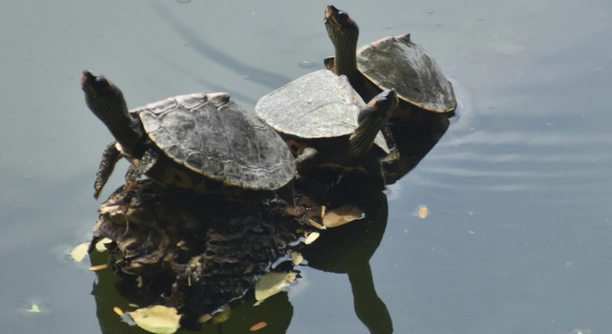
Are you preparing to relocate your Indian roofed tortoise but worried about minimizing its stress during the transition? Moving a tortoise requires careful planning to ensure its well-being and reduce any anxiety caused by environmental changes and transportation.
The best ways to reduce stress during an Indian roofed tortoise’s relocation include maintaining a familiar habitat, controlling temperature and humidity, minimizing handling, and providing a secure enclosure. Gradual adjustments and proper hydration also help ensure a smooth transition and minimize distress.
Ensuring a stress-free move for your tortoise involves understanding its needs and making thoughtful adjustments. By following these methods, you can help your tortoise remain comfortable and adapt successfully to its new environment.
Maintain a Familiar Habitat
Relocating an Indian roofed tortoise can be stressful, but keeping its environment as familiar as possible helps reduce anxiety. Use the same substrate, hiding spots, and basking areas from its previous habitat. This consistency provides comfort and minimizes the effects of change. Ensure the enclosure’s temperature and humidity levels remain stable throughout the move. Sudden fluctuations can cause unnecessary stress, affecting the tortoise’s appetite and behavior. Transporting the tortoise in a secure, well-ventilated container with a soft lining prevents injuries. Limiting exposure to bright lights and loud noises also helps create a calm atmosphere during the transition.
A tortoise relies on routine, so keeping feeding times consistent is beneficial. Offering familiar foods ensures it continues eating and maintains hydration. Avoid introducing new foods immediately after relocation, as stress can impact digestion. Stability in diet and environment supports a smoother adjustment process.
Once the tortoise is in its new habitat, monitor its behavior for signs of stress, such as hiding excessively or refusing to eat. Allow it time to explore and settle without unnecessary handling. Gradually reintroducing interaction ensures the tortoise feels secure in its new space. A patient approach helps it adapt more comfortably.
Minimize Handling and Environmental Changes
Excessive handling can increase stress during relocation. Tortoises feel safest when they have control over their surroundings, so limiting interaction during the move is important. Holding the tortoise only when necessary prevents additional anxiety.
The new enclosure should match the previous habitat as closely as possible. This includes similar lighting, temperature gradients, and enrichment features like basking rocks and hiding areas. Introducing a familiar scent, such as substrate from the old enclosure, can also help the tortoise feel more at ease. Changes should be made gradually rather than all at once. If switching to a different setup, transition slowly by incorporating new elements over several days.
Hydration is another key factor. A shallow water dish should always be available, as stress can lead to dehydration. A warm soak upon arrival encourages drinking and helps maintain proper hydration levels. Additionally, a tortoise’s immune system can weaken under stress, making it more susceptible to illness. Providing a stable, clean environment minimizes health risks. By focusing on consistency and reducing unnecessary disruptions, the tortoise can settle into its new home with less difficulty.
Control Temperature and Humidity
Maintaining the right temperature and humidity is essential for reducing stress. Sudden changes can affect the tortoise’s health, leading to respiratory issues or loss of appetite. Keep the enclosure within the recommended range and use thermometers and hygrometers to monitor conditions throughout the move.
If the tortoise is being transported over long distances, ensure it remains warm but not overheated. Portable heat packs wrapped in a cloth can help maintain a stable temperature during travel. Avoid placing the tortoise in direct sunlight or near cold drafts. Gradual adjustments in temperature after relocation allow the tortoise to adapt without stress.
Humidity levels should also remain consistent. A temporary drop in humidity can cause dehydration, leading to sluggish behavior. Lightly misting the enclosure and providing a shallow water dish helps maintain proper moisture levels. Monitoring humidity ensures the tortoise stays comfortable and healthy in its new environment.
Provide a Secure and Quiet Space
A quiet space helps the tortoise adjust to its new surroundings. Loud noises and sudden movements can cause stress, making it more likely to hide or refuse food. Placing the enclosure in a low-traffic area allows the tortoise to settle without frequent disturbances.
The enclosure should be fully secure, preventing escape attempts or potential injuries. If using an outdoor space, ensure the fencing is deep enough to prevent burrowing out and high enough to keep out predators. Indoors, a covered enclosure helps create a sense of security. Soft bedding can provide additional comfort during the transition.
Observing the tortoise’s behavior is important during this adjustment period. Signs of stress, such as excessive hiding or lack of movement, may indicate that the environment needs further adjustments. Keeping handling to a minimum and allowing the tortoise to explore on its own terms will help it feel safe.
Keep the Diet Consistent
Sudden changes in diet can cause digestive issues and increased stress. Feeding the tortoise the same foods it was accustomed to before relocation helps maintain its appetite. Fresh vegetables, fruits, and calcium supplements should be provided as usual to ensure proper nutrition and hydration.
Avoid introducing new foods immediately after the move. Stress can make a tortoise more sensitive to dietary changes, leading to refusal to eat or digestive discomfort. Once the tortoise has adjusted to its new environment, new foods can be introduced gradually to prevent any adverse reactions.
Monitor for Signs of Stress
A stressed tortoise may exhibit unusual behaviors, such as hiding excessively, refusing food, or remaining inactive. Observing these signs allows for quick adjustments to the enclosure or routine. If stress symptoms persist, checking for underlying health issues may be necessary to ensure the tortoise’s well-being.
Allow Time to Adjust
Tortoises need time to feel comfortable in a new environment. Keeping handling to a minimum and providing familiar elements within the enclosure can help them settle in faster. Patience is essential, as gradual adjustments will make the transition smoother and reduce unnecessary stress.
FAQ
How long should I wait before handling my tortoise after relocation?
It’s best to wait at least a few days before handling your tortoise after relocation. This gives it time to adjust to its new environment without added stress. During this period, allow the tortoise to explore and settle in at its own pace. Handling too soon can interfere with the tortoise’s adjustment process, making it more anxious. Once the tortoise seems comfortable and is eating regularly, light handling can be introduced gradually.
What temperature and humidity levels are ideal for an Indian roofed tortoise during relocation?
Maintaining stable temperature and humidity levels is crucial. The optimal temperature for an Indian roofed tortoise is between 80°F to 85°F (26°C to 29°C) during the day. At night, temperatures should not drop below 70°F (21°C). Humidity should remain between 60% and 80%. Ensure these conditions are met in both the transport container and the new enclosure to prevent stress or health problems.
Can I use a travel carrier for my tortoise?
Yes, a secure travel carrier is necessary to safely transport your tortoise. Choose one that allows enough space for the tortoise to move around slightly but prevents it from being jostled during the move. The carrier should have ventilation holes and soft bedding to keep your tortoise comfortable. Make sure it’s secure enough to prevent escape and protect the tortoise from injury.
How can I prevent my tortoise from getting too stressed during the move?
Minimizing stress involves maintaining consistency in the tortoise’s environment. Keep its familiar habitat elements, like substrate and hiding spots, and avoid making sudden changes. Transport the tortoise in a well-ventilated, secure carrier and avoid loud noises and sudden temperature fluctuations. Keeping handling to a minimum helps the tortoise feel safer during the move.
Should I feed my tortoise right before or after the move?
It’s best to feed your tortoise before the move but not immediately before transport. Allow enough time for digestion to prevent stress during travel. Once relocated, wait a day or two before offering food, as the tortoise will need time to adjust. Introduce food slowly, focusing on its regular diet to avoid any digestive discomfort.
What should I do if my tortoise refuses to eat after relocation?
If your tortoise refuses to eat after relocation, don’t worry immediately. It’s normal for tortoises to experience a decrease in appetite due to stress. Ensure that the enclosure is stable with proper temperature, humidity, and familiar elements. Give your tortoise time to adjust. If it still refuses to eat after several days, check for health issues or contact a vet.
Can I move my tortoise outdoors after relocation?
Moving your tortoise outdoors can be beneficial, but only after ensuring it’s comfortable with its new indoor environment. If you choose to relocate it outdoors, make sure the space is secure and free of predators. Gradually introduce the tortoise to outdoor conditions, allowing it to acclimate slowly to natural sunlight, temperature changes, and any environmental differences.
How do I keep my tortoise hydrated during the move?
Hydration is important, especially during relocation. Place a shallow water dish in the transport carrier to allow your tortoise to drink. If the move takes several hours, stop periodically to offer water. After relocation, provide a fresh water dish in the enclosure to encourage hydration. This will help prevent dehydration, which can lead to further stress.
Should I allow my tortoise to roam freely in the new enclosure immediately?
It’s better to allow your tortoise to roam freely only once it’s had time to settle. Initially, place it in a secure spot where it can gradually adjust to the new environment. After a few days, it can begin to explore the new enclosure at its own pace. Make sure the space is safe and secure to prevent escape or injury.
What are the signs that my tortoise is still stressed after relocation?
Signs of stress in a tortoise include excessive hiding, lack of movement, loss of appetite, and reluctance to bask. If your tortoise shows any of these behaviors for an extended period, it could be a sign that it hasn’t fully adjusted to the new environment. Ensure the enclosure conditions are optimal, and give the tortoise time to settle. If symptoms persist, consult a vet for further advice.
Final Thoughts
Relocating an Indian roofed tortoise can be a delicate process, requiring careful attention to the animal’s needs. It is important to remember that, like many animals, tortoises experience stress during transitions. Providing a familiar environment, maintaining the right temperature and humidity, and ensuring proper hydration and nutrition will all contribute to a smoother relocation. It’s essential to create an environment that feels secure for the tortoise and allows it to adjust at its own pace.
During the move, it is best to limit handling and minimize any disruptions to the tortoise’s routine. Too much interaction can increase stress levels, making the relocation more difficult. Instead, focus on maintaining stable, comfortable conditions in the transport container and new enclosure. Once settled, allow the tortoise to explore its new space gradually and without pressure. Giving it time to adapt is key to ensuring a successful transition.
Ultimately, the relocation process can be challenging, but with patience and the right care, your Indian roofed tortoise can adjust to its new home. Watch for signs of stress, and don’t hesitate to make adjustments as needed. If issues persist, consulting a veterinarian familiar with tortoises can offer valuable insight. By following these guidelines and being mindful of your tortoise’s needs, you will help provide the best possible environment for its continued health and well-being.

Hello,
If you enjoy the content that we create, please consider saying a "Thank You!" by leaving a tip.
Every little bit helps us continue crafting quality advice that supports the health, happiness, and well-being of pets around the world, for pets of all shapes, sizes, and species.
We really appreciate the kindness and support that you show us!