
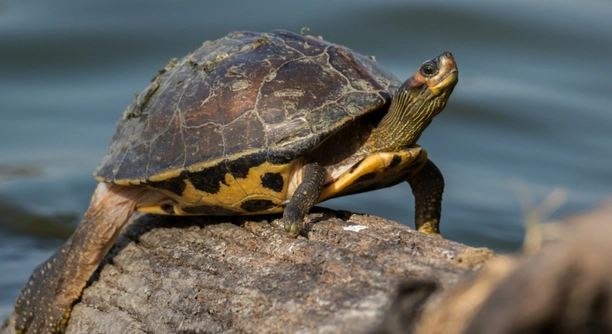
Choosing the right materials for an Indian Roofed Tortoise enclosure is essential for its safety and comfort. These materials will help create a suitable environment that mimics their natural habitat, providing protection and ensuring their well-being.
There are several materials considered safe for Indian Roofed Tortoise enclosures, including untreated wood, ceramic tiles, non-toxic plastics, and natural stones. These materials ensure proper ventilation, comfort, and durability while keeping the tortoise secure and healthy in its enclosure.
Selecting the best materials for your tortoise enclosure can be a simple task once you understand which options are both safe and effective.
1. Choosing Safe Materials for the Enclosure
When setting up an enclosure for your Indian Roofed Tortoise, it’s important to select safe, natural materials. The right materials help mimic their natural environment, offering both comfort and safety. Some of the best options include untreated wood, which provides a safe surface for the tortoise to explore. Ceramic tiles are another good option, as they are easy to clean and retain heat well, which is crucial for keeping the tortoise warm. Natural stones, like granite, can help regulate the temperature within the enclosure, ensuring a consistent environment. Non-toxic plastics are also a practical choice for certain enclosure components. These materials ensure proper ventilation while preventing any harmful chemicals from being introduced into the habitat.
Selecting materials that keep your tortoise comfortable is key. Using a combination of these options will provide a balanced, secure environment where your tortoise can thrive. It’s important to check each material to ensure it’s non-toxic and safe for long-term use.
Ensure your tortoise has access to a proper temperature range and texture by choosing the right materials for flooring, walls, and accessories.
2. Importance of Proper Ventilation
Proper ventilation is crucial to your tortoise’s well-being. Stale, humid air can lead to health issues for your pet, such as respiratory infections. Using materials that allow airflow without creating drafts is essential. Adequate ventilation ensures the enclosure remains clean, with fresh air circulating to maintain the right humidity levels.
Materials like untreated wood and ceramic tiles help create a well-ventilated space. You can add mesh or wire openings for airflow if needed. It’s essential to avoid materials that trap moisture or don’t allow proper airflow, as this can lead to an unhealthy environment. Proper ventilation also prevents the buildup of ammonia, which can irritate your tortoise’s respiratory system.
Without proper ventilation, your tortoise may become stressed and prone to health issues. The right materials will create a balanced environment for your tortoise to thrive.
3. Choosing the Right Flooring Materials
When deciding on flooring materials for your Indian Roofed Tortoise, durability and safety are essential. Flooring needs to be easy to clean, non-toxic, and should not cause injury to your tortoise. Some safe options include ceramic tiles, which are simple to maintain and durable enough for long-term use.
Tiles provide a stable surface that’s easy to sanitize, and they help regulate the temperature within the enclosure. Another good option is linoleum, which is also easy to clean and safe for the tortoise to walk on. Avoid using sand or loose substrates like gravel that can cause your tortoise to ingest harmful materials.
Using durable flooring materials like ceramic or linoleum also helps keep the tortoise’s enclosure neat. It’s important to choose a material that not only suits your tortoise’s needs but also makes cleaning easy and quick. These options ensure the enclosure remains a healthy environment for your pet.
4. Safe Materials for the Walls
For the walls of your tortoise’s enclosure, materials like untreated wood or natural stone are ideal. These materials are safe, sturdy, and provide an appropriate barrier to keep the tortoise secure. They should be free from any chemicals or coatings that could harm your tortoise.
Natural stone such as granite or slate helps to maintain temperature and humidity levels. It also prevents the walls from becoming too humid or damp, which could lead to health problems. Untreated wood offers another safe option, providing a sturdy yet breathable material for the enclosure’s walls. Ensure that the wood is sanded smooth to avoid splinters or rough edges that could hurt your tortoise.
Using natural materials for the walls of the enclosure not only keeps the tortoise comfortable but also adds an aesthetic touch to the habitat. Both stone and wood are easy to maintain and keep the enclosure safe for long-term use.
5. Non-Toxic Decorations and Accessories
When adding accessories to your tortoise’s enclosure, ensure that they are non-toxic. Decorations such as fake plants or rocks should be safe for reptiles. Look for items that are specifically made for reptile habitats to avoid harmful chemicals. Avoid anything that could easily break into small pieces and cause choking hazards.
Choosing safe decorations will help create an engaging environment for your tortoise without the risks. Opt for materials like unglazed ceramics or non-toxic plastic. Ensure any accessories are firmly secured so that they cannot be knocked over or moved around by your tortoise.
6. Choosing Safe Lighting Materials
Proper lighting is crucial for your tortoise’s health, and the materials used in the light fixtures must be safe. Ceramic or glass bulbs can be a safe choice, providing stable lighting without risks. Choose bulbs that are appropriate for the temperature needs of your tortoise.
Using the right lighting materials helps maintain the correct temperature and UVB exposure for your tortoise’s well-being. Ensure the fixtures are securely placed to prevent overheating. Proper lighting will not only help regulate your tortoise’s habitat but also promote its overall health and activity levels.
7. Waterproofing the Enclosure
Waterproofing is essential to prevent humidity from affecting the structure of the enclosure. Choose materials that naturally resist water, such as ceramic tiles or treated wood, which can hold up in a humid environment without warping. These options will ensure the enclosure stays dry and safe for your tortoise.
FAQ
What is the best flooring for an Indian Roofed Tortoise enclosure?
The best flooring for an Indian Roofed Tortoise enclosure includes ceramic tiles, linoleum, or untreated wood. Ceramic tiles are easy to clean, durable, and help regulate temperature. Linoleum is also a safe, easy-to-maintain option. Avoid using sand, gravel, or loose substrates, as these can be ingested and cause digestive problems.
Can I use sand as bedding for my tortoise?
It’s not recommended to use sand as bedding for an Indian Roofed Tortoise. Sand can be ingested accidentally, leading to impaction, which can be harmful. Instead, opt for materials like ceramic tiles or untreated wood, which are safer and easier to clean.
Are there any toxic materials I should avoid for my tortoise’s enclosure?
Yes, some materials should be avoided as they may contain harmful chemicals or coatings. Avoid using painted wood, treated wood, or plastic that isn’t labeled as non-toxic. Always check that any materials you use are safe for reptiles to prevent potential poisoning or injury.
How do I ensure my tortoise’s enclosure has proper ventilation?
Ensure proper ventilation by incorporating materials that allow airflow, such as mesh panels or gaps between walls. Materials like untreated wood and ceramic tiles are good choices because they help maintain a balanced environment without trapping excess moisture. Good ventilation prevents respiratory issues.
How often should I clean my tortoise’s enclosure?
You should clean your tortoise’s enclosure regularly, at least once a week. Spot clean daily by removing any waste, and disinfect the entire enclosure once a week to prevent bacterial growth. Make sure to use reptile-safe cleaning products to avoid harming your tortoise.
Can I use glass tanks for my tortoise’s enclosure?
Glass tanks are not the best choice for an Indian Roofed Tortoise because they lack proper ventilation. Stale air can build up, causing respiratory issues. If using glass, ensure there are vents or openings to allow airflow. Alternatively, wooden enclosures are a better option for ventilation and comfort.
What temperature should I maintain in the tortoise’s enclosure?
Indian Roofed Tortoises need a warm environment. The daytime temperature should be between 80°F and 85°F, with a basking spot reaching around 90°F. At night, the temperature should drop slightly to about 75°F. Use a heat lamp to create the warm basking area and a UVB light to ensure proper calcium absorption.
Do I need to provide UVB lighting for my tortoise?
Yes, UVB lighting is essential for your tortoise’s health. UVB rays help them produce vitamin D3, which is necessary for calcium absorption. Ensure your tortoise has access to UVB light for 10-12 hours a day. Use a proper UVB lightbulb designed for reptiles to mimic natural sunlight.
Can I add live plants to the tortoise’s enclosure?
Live plants can be a great addition, but make sure they are safe for tortoises. Some plants can be toxic if ingested. Choose safe, non-toxic plants such as dandelion, clover, or plantain. Avoid plants like ivy or any species with sharp leaves that could harm your tortoise.
How big should the enclosure be for my Indian Roofed Tortoise?
The enclosure size should be at least 4 feet by 2 feet for one tortoise. Larger enclosures are always better, as they provide more space for the tortoise to roam, bask, and hide. A bigger enclosure will also help maintain stable temperature and humidity levels.
Can I use plastic for my tortoise’s habitat?
Plastic can be used in the enclosure as long as it is non-toxic. Many reptile habitats use plastic as part of the structure. However, it’s important to avoid plastic with sharp edges or corners that might harm your tortoise. Make sure the plastic is sturdy and won’t crack under pressure.
Should I provide a hiding spot for my tortoise?
Yes, Indian Roofed Tortoises appreciate having a hiding spot where they can feel secure. You can provide a small box or hide made from wood or ceramic. Ensure it’s big enough for the tortoise to retreat into and has good ventilation for airflow.
Can I use untreated wood for my tortoise’s habitat?
Untreated wood is a good choice for the tortoise’s habitat, as long as it is sanded smooth and free from any splinters. Untreated wood allows airflow and can help create a natural environment. Just make sure the wood is safe and not covered with harmful chemicals or paints.
How do I prevent my tortoise from escaping?
To prevent your tortoise from escaping, make sure the enclosure is securely enclosed with high enough walls. Indian Roofed Tortoises are skilled climbers, so ensure the walls are tall enough (at least 12-18 inches) and have no gaps for the tortoise to squeeze through.
What should I use for the roof of the enclosure?
For the roof, choose materials that allow adequate light and airflow while keeping your tortoise safe from predators. Transparent materials such as clear acrylic or mesh are great options. These materials let in sunlight for warmth and ensure proper ventilation. Avoid using solid, opaque materials that could trap heat or limit airflow.
Can I use rocks for the flooring in my tortoise’s enclosure?
Rocks can be a good option for flooring if they are smooth and flat. Ensure the rocks are large enough to prevent the tortoise from swallowing them. Avoid using small pebbles, as these can be ingested. Smooth rocks help with temperature regulation and provide a natural surface for your tortoise to explore.
Is it okay to use ceramic or clay pots in the enclosure?
Ceramic or clay pots are safe for the tortoise’s enclosure, as long as they don’t have sharp edges. These materials are durable, easy to clean, and provide hiding spots or shelters for the tortoise. Just make sure the pots are securely placed so they can’t be tipped over.
Final Thoughts
Creating a proper environment for your Indian Roofed Tortoise is key to keeping it healthy and happy. The materials you choose for the enclosure, from flooring to walls and the roof, play a big role in your tortoise’s well-being. Safe, non-toxic materials like ceramic tiles, untreated wood, and mesh ensure proper ventilation and temperature control. These factors help avoid common health issues like respiratory problems or digestive issues caused by improper substrates.
While setting up the enclosure, remember that your tortoise’s habitat should be spacious enough for it to roam freely. The size of the enclosure directly affects its comfort and activity levels. A larger space allows for a variety of hiding spots, basking areas, and a place to move around. Along with proper space, maintaining the right temperature and lighting, especially UVB, is essential for its growth and shell health. Regular cleaning and keeping the environment dry can prevent bacteria buildup and keep your tortoise safe.
Overall, maintaining a tortoise-friendly enclosure requires attention to detail, but it’s worth it. A healthy, happy tortoise thrives when its habitat is well-designed, and this effort leads to a long and thriving life for your pet. Remember to always check for potential risks with materials and ensure that your tortoise’s basic needs are met. With the right setup, your tortoise will have a comfortable and safe space to live in, helping it stay healthy for years to come.

Hello,
If you enjoy the content that we create, please consider saying a "Thank You!" by leaving a tip.
Every little bit helps us continue crafting quality advice that supports the health, happiness, and well-being of pets around the world, for pets of all shapes, sizes, and species.
We really appreciate the kindness and support that you show us!