
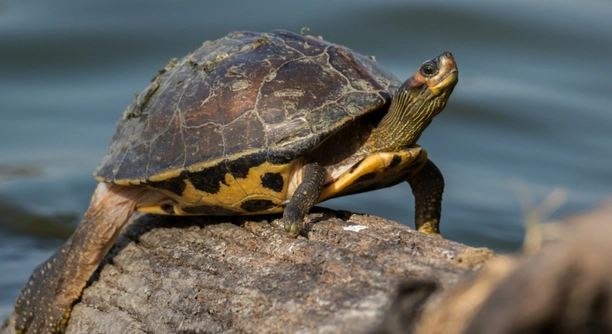
Is your Indian roofed tortoise staring at its reflection for long periods? This behavior might seem puzzling, but it is quite common. Understanding why your tortoise does this can help you determine if it is normal or something to monitor.
Indian roofed tortoises stare at their reflections due to curiosity, territorial behavior, or mistaken identity. They may perceive their reflection as another tortoise, react defensively, or simply be fascinated by the movement. In some cases, stress or boredom can also contribute to this behavior.
Observing your tortoise’s habits can help you determine the reason behind this behavior. Learning more about its environment and instincts can ensure a comfortable and enriching habitat.
Curiosity and Reflection Response
Indian roofed tortoises are naturally curious creatures. When they see their reflection, they may not recognize it as their own and instead view it as another tortoise. This can lead to extended staring, as they observe the “other” tortoise’s movements and reactions. Some tortoises might try to interact with their reflection, nudging the glass or bobbing their heads. While this behavior is generally harmless, excessive fixation could indicate boredom. Providing environmental enrichment, such as hiding spots and climbing structures, can help keep your tortoise engaged. Ensuring a well-balanced habitat reduces unnecessary stress and encourages natural behaviors.
A tortoise that frequently stares at its reflection without engaging in other activities might need additional stimulation. Small adjustments to its enclosure can help redirect its attention and promote a more active lifestyle.
By introducing varied textures, different basking areas, and even live plants, you can create a more engaging environment. Indian roofed tortoises benefit from a setup that mimics their natural habitat, reducing repetitive behaviors like staring. If the behavior persists despite these changes, consider covering reflective surfaces to minimize the effect. Observing how your tortoise reacts to these adjustments will help you determine the best way to encourage healthy interactions and overall well-being.
Territorial Behavior
Some tortoises interpret their reflection as an intruder in their space. This can trigger defensive behaviors, including staring, pacing, or even head bobbing. These actions are their way of establishing dominance or warning the perceived opponent to back off.
If your tortoise shows signs of stress, adjusting its habitat can help. Limiting reflective surfaces, adding more hiding spots, and ensuring enough space to roam can reduce territorial responses. A calm, enriched environment allows your tortoise to feel more secure.
Indian roofed tortoises thrive in well-structured enclosures that provide a sense of security. If a tortoise feels threatened, it may become defensive, repeatedly engaging with its reflection in an attempt to assert dominance. This can lead to stress, which may impact eating and basking habits. To prevent this, consider placing plants, rocks, or backgrounds along the glass walls to disrupt reflections. Providing a balanced routine with regular feeding, basking, and interaction can further reduce territorial behaviors.
Mistaken Identity
Tortoises rely on sight to recognize others, but reflections can confuse them. They might mistake their mirror image for another tortoise, leading to extended staring or even social behaviors like head bobbing or nudging against the glass. This reaction is natural but may cause stress if it continues.
When a tortoise perceives its reflection as another tortoise, it may attempt to interact in various ways. Some show signs of curiosity, while others display defensive behaviors. If your tortoise seems agitated or constantly fixated on the glass, covering reflective surfaces or adjusting lighting can help reduce the effect. Observing their reactions will give insight into whether they are comfortable.
Providing an enriched habitat can help redirect attention away from reflections. Tortoises benefit from natural barriers, such as rocks and plants, which break up reflections and create a more realistic environment. If mistaken identity remains a concern, adjusting the enclosure’s layout may ease any distress.
Boredom and Lack of Stimulation
A tortoise with little environmental enrichment may fixate on its reflection due to boredom. Without enough activities to keep it engaged, it may resort to repetitive behaviors like staring, pacing, or glass surfing. Increasing stimulation in its habitat can prevent these habits from becoming excessive.
Adding natural elements such as logs, climbing areas, and textured surfaces encourages exploration and movement. A varied diet can also provide mental stimulation, making mealtime more engaging. Changing the enclosure’s layout periodically can keep the environment interesting. If your tortoise remains overly focused on reflections, consider rotating enrichment activities to maintain engagement.
Consistent interaction with its surroundings is essential for a tortoise’s well-being. Offering a mix of basking spots, shaded areas, and digging spaces helps mimic a natural habitat. Providing different food presentations, like hiding vegetables under leaves or placing treats in different areas, encourages foraging. Keeping your tortoise stimulated will help reduce behaviors linked to boredom.
Stress or Anxiety
A stressed tortoise may stare at its reflection due to heightened alertness. Changes in its environment, loud noises, or frequent handling can contribute to stress. If the staring is accompanied by pacing or hiding, reducing disturbances and ensuring a consistent routine can help ease anxiety.
Limited space or an unfamiliar enclosure setup can also cause stress-related behaviors. Ensuring your tortoise has enough room to explore, along with familiar hiding spots, can make it feel more secure. If stress remains an issue, covering reflective surfaces or adjusting lighting may help minimize the reaction to its reflection.
Natural Curiosity
Tortoises are observant and often react to movement, even their own reflection. If they notice changes in light or motion in the glass, they may stare out of curiosity. This behavior is usually harmless, but providing other points of interest can help keep them engaged.
Habit Formation
If a tortoise repeatedly sees its reflection, it may develop a habit of staring. Over time, this behavior can become routine, even without an initial cause. Offering varied environmental stimulation and adjusting the enclosure layout regularly can help break the cycle and encourage more natural behaviors.
FAQ
Why does my tortoise keep staring at its reflection for long periods?
Extended staring is often due to mistaken identity, curiosity, or habit. Tortoises may think their reflection is another tortoise, leading to social or defensive behaviors. If the behavior seems obsessive, covering reflective surfaces or changing the enclosure layout can help reduce fixation.
Can a tortoise recognize itself in a mirror?
Tortoises do not possess self-recognition like some animals. When they see their reflection, they usually interpret it as another tortoise. This can lead to curiosity, social interaction attempts, or even defensive posturing. If your tortoise reacts strongly, limiting exposure to mirrors can prevent stress.
Is staring at its reflection harmful to my tortoise?
Occasional staring is harmless, but constant fixation may indicate stress or boredom. If your tortoise seems agitated, paces near the glass, or loses interest in other activities, consider adding enrichment or adjusting the enclosure to minimize reflections. A well-stimulated tortoise is less likely to develop obsessive behaviors.
How can I stop my tortoise from staring at its reflection?
Reducing reflections is the best approach. Adjust lighting to minimize glare, cover glass surfaces with a background, or add decorations to break up reflections. Providing more environmental enrichment, like new hiding spots and climbing structures, can also redirect your tortoise’s attention toward natural behaviors.
Does my tortoise think its reflection is a threat?
Some tortoises may see their reflection as another tortoise invading their territory. This can lead to defensive behaviors like head bobbing, scratching at the glass, or puffing up. If this happens frequently, reducing reflective surfaces can help prevent stress or territorial frustration.
Why does my tortoise interact with its reflection?
Tortoises that nudge, bob their heads, or scratch at the glass may be trying to communicate with what they believe is another tortoise. This is a natural response, but if it becomes excessive, blocking reflections and providing other points of interest in the habitat can help.
Could my tortoise be lonely if it stares at its reflection often?
Tortoises are generally solitary animals, so loneliness is not a common issue. However, staring at a reflection can be a sign of boredom. Enrichment activities like different textures, climbing obstacles, and varied food presentations can help keep them engaged.
Does lighting affect how much my tortoise sees its reflection?
Yes, bright lighting can make reflections more visible, leading to increased staring. Adjusting the placement of lights or adding background covers to glass surfaces can help reduce reflections. Positioning the enclosure away from direct light sources can also minimize distractions.
Can a tortoise become stressed from too much time in front of a mirror?
Yes, especially if it perceives its reflection as another tortoise. Stress can manifest in behaviors like pacing, loss of appetite, or excessive scratching at the glass. If these signs appear, modifying the enclosure to eliminate reflections can create a calmer environment.
Will my tortoise eventually stop staring at its reflection on its own?
Some tortoises may lose interest over time, while others develop a habit. If staring persists, providing new forms of stimulation, such as rearranging the habitat or adding climbing areas, can help shift focus away from reflections and encourage exploration.
Final Thoughts
Staring at its reflection is a common behavior in Indian roofed tortoises. While it may seem harmless, excessive fixation can indicate stress, confusion, or boredom. Understanding the reasons behind this behavior helps create a more comfortable environment for your tortoise. Small adjustments, like reducing reflections and adding enrichment, can make a big difference. Ensuring your tortoise has a well-balanced habitat with hiding spots, varied textures, and proper lighting can prevent obsessive behaviors and keep them engaged in natural activities.
Observing your tortoise’s reactions is key to determining if changes are necessary. If the staring is occasional, there is little cause for concern. However, if your tortoise seems agitated, paces frequently, or ignores food and other activities, it may be time to modify the enclosure. Simple steps like adjusting the tank’s layout, covering reflective surfaces, or introducing new forms of stimulation can help redirect their attention. Paying attention to their habits and making small tweaks ensures they remain healthy and stress-free.
Each tortoise has its own personality and behaviors, so there is no single solution for every situation. Some may eventually ignore their reflection, while others might stay fixated. Regular enrichment, a stable routine, and a well-designed enclosure can prevent boredom and unnecessary stress. By observing their actions and making thoughtful changes, you can create a space that promotes their well-being and keeps them happy in their habitat.

Hello,
If you enjoy the content that we create, please consider saying a "Thank You!" by leaving a tip.
Every little bit helps us continue crafting quality advice that supports the health, happiness, and well-being of pets around the world, for pets of all shapes, sizes, and species.
We really appreciate the kindness and support that you show us!