
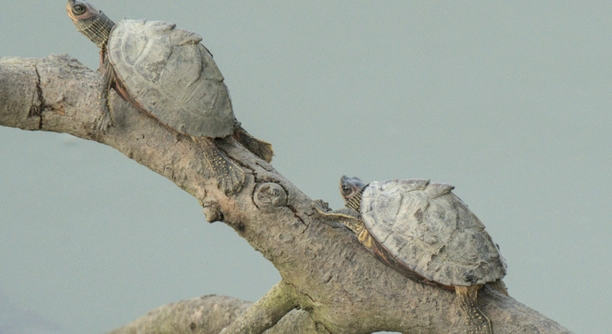
If you have an Indian Roofed Tortoise as a pet, it’s important to understand its behavior. Sometimes, they can feel threatened, which can lead to stress. Knowing how to identify these signs will help you care for them better.
When your Indian Roofed Tortoise feels threatened, it may retreat into its shell, show defensive body language, or hiss. These are common signs of fear or discomfort. Understanding these reactions can help you avoid causing stress.
By recognizing the warning signs, you can create a calm environment that reduces your tortoise’s anxiety. This will help you strengthen your bond and ensure their well-being.
Understanding Your Tortoise’s Body Language
Your Indian Roofed Tortoise communicates through its body language. When it feels threatened, it may pull its head and limbs into its shell. This is an instinctual response designed to protect itself from perceived danger. You might notice this behavior if there are sudden movements or loud noises near its habitat. However, not every retreat is a sign of fear. Sometimes, your tortoise may withdraw simply to rest. Understanding the difference between rest and stress can make a big difference in how you care for your pet.
A hissing sound is another way your tortoise might express discomfort. It’s a defense mechanism often accompanied by the withdrawal of its head into its shell. If this happens, it’s a clear indication your tortoise feels unsafe.
One key to distinguishing fear from rest is timing. If your tortoise immediately retreats into its shell after an interaction or change in its environment, it is likely feeling threatened. Pay attention to the context. For instance, changes in lighting or unfamiliar objects near its habitat can trigger a fearful response.
Environmental Triggers
Environmental factors can greatly affect how your tortoise reacts. If you notice that your tortoise starts to hide more often or becomes more defensive, it could be due to something in its surroundings. Temperature fluctuations, loud sounds, or even unfamiliar people or pets in the room can make your tortoise feel uneasy. A sudden change in its environment, such as moving to a new space, can also cause stress.
To keep your tortoise comfortable, create a stable, quiet environment. Keep the temperature and humidity at optimal levels, and avoid handling your pet too much, especially in new or loud settings. This will help reduce the chances of triggering fear. When it feels safe and secure, your tortoise is less likely to retreat into its shell or display defensive behaviors. A calm atmosphere promotes a happier and healthier pet.
Handling Your Tortoise When It Feels Threatened
When your tortoise feels threatened, avoid sudden movements or loud noises. Gently approach it and give it space to calm down. Don’t force interaction, as this may heighten stress levels. Patience is key to building trust with your pet and making it feel safe.
Allow your tortoise to move at its own pace. When it comes out of its shell, you can try offering food or a more inviting environment to help it feel secure. If your tortoise is still retreating frequently, ensure that nothing in its environment is causing unnecessary stress. Sometimes, simple changes like soft lighting or reducing noise can make a difference.
Over time, your tortoise may begin to feel more comfortable around you. With consistent and gentle handling, it will learn to trust you more. Avoid overwhelming it with too much attention, as this could make it more likely to withdraw. Keep the environment calm and predictable, and your tortoise will appreciate the stability.
Recognizing Stress-Related Behaviors
Stress-related behaviors can often be subtle. Watch for signs like excessive hiding or a lack of movement. These could indicate that your tortoise feels threatened or uncomfortable in its environment. If your tortoise is not eating or drinking as much as usual, stress could be the cause.
To reduce stress, make sure your tortoise’s habitat is safe and comfortable. This includes maintaining the right temperature, humidity, and providing enough space for your tortoise to move around. A stressed tortoise may also be more prone to illness, so staying attentive to changes in its behavior is important. Keeping stress levels low ensures your tortoise stays healthy and happy.
When to Avoid Handling Your Tortoise
Avoid handling your tortoise when it is retreating into its shell or displaying defensive behaviors. Handling it during these times can increase stress and disrupt its sense of security. Let your tortoise retreat until it feels comfortable again.
It’s important to know when your tortoise is trying to rest or feel safe. If it’s showing clear signs of fear, such as hissing or pulling into its shell, it’s best to leave it alone. Handling it too soon can hinder the trust-building process and may cause more harm than good.
Providing a Safe Space
Create a safe, quiet space for your tortoise to retreat to when it feels threatened. This will help it feel more secure and reduce the chances of it becoming stressed. The space should be free of loud noises, sudden movements, or other pets that may make it feel unsafe.
Dealing with Aggressive Behavior
If your tortoise displays aggressive behavior, like hissing or biting, it’s crucial to give it space. Aggressive actions are a sign that your tortoise is feeling highly threatened. Never try to force it out of its shell during these moments.
FAQ
How do I know if my Indian Roofed Tortoise is stressed?
Signs of stress in an Indian Roofed Tortoise can be subtle, but you may notice it hiding more than usual, withdrawing into its shell when approached, or not eating as much. If your tortoise is acting more reclusive, showing no interest in moving, or breathing heavily, stress is likely the cause. Another sign is if it becomes more aggressive, hissing or attempting to bite. Inconsistent behavior is a big indicator that something’s not right, and it may be time to adjust its environment.
What should I do if my tortoise is hissing at me?
If your tortoise hisses, it’s a clear sign that it’s feeling threatened or defensive. In this situation, it’s best to give it space and avoid any sudden movements that may further stress it out. Hissing is a natural defense mechanism, and it often happens when your tortoise feels cornered or frightened. Try not to handle it when it’s in this state, as doing so could worsen the situation. Instead, let it calm down and come out of its shell on its own.
Can my Indian Roofed Tortoise feel threatened by other pets?
Yes, other pets can definitely make your tortoise feel threatened. Dogs and cats, especially those with a lot of energy, can seem intimidating to a tortoise. Even if the other animals are simply curious, their presence might stress your tortoise. It’s essential to keep your tortoise’s environment safe and calm, so if you have other pets, be sure they do not invade your tortoise’s space. Keeping pets at a distance from your tortoise’s habitat is a good way to ensure it feels secure.
Is it normal for my tortoise to hide all the time?
Yes, it’s normal for tortoises to hide when they feel stressed, scared, or when they need rest. Tortoises are solitary animals, and hiding is part of their instinct to protect themselves. However, if your tortoise is hiding more than usual or if it seems lethargic, it could indicate something’s wrong, like stress or a health issue. Observe its behavior, and if it continues to hide for long periods without coming out to eat or drink, it might be time to check its environment or consult with a vet.
How can I help my tortoise feel less threatened?
The key to helping your tortoise feel less threatened is providing a stable, calm environment. Ensure that its habitat is quiet, free from loud noises, and has the right temperature and humidity levels. Avoid handling your tortoise too frequently, especially if it’s still adjusting to its surroundings. Give it plenty of space to move and explore at its own pace. Gradually introducing new things to its environment can also help reduce stress and make it feel safer.
Can I train my Indian Roofed Tortoise to stop being scared?
It’s possible to reduce your tortoise’s fear over time with patience and consistent, gentle handling. Start by spending time near its habitat, letting it become used to your presence. Avoid rushing the process. Over time, your tortoise may start associating you with calmness and safety. Always be gentle and slow in your movements. Tortoises learn to trust through positive, non-threatening experiences. While you can’t fully “train” them like some other pets, you can certainly help them feel more secure around you.
What are the signs that my tortoise is happy?
A happy tortoise will exhibit active behavior. It will explore its environment, bask in the light, and show an interest in food. Tortoises that are content will move around their habitat and may even greet you when you approach. If your tortoise is eating well, keeping its shell in good condition, and staying active, it’s a good sign that it’s happy. A healthy tortoise also has bright eyes and smooth, clean skin. Regular movement and curiosity are positive signs of well-being.
How can I tell if my tortoise is in pain?
If your tortoise is in pain, it may show signs such as a decrease in appetite, lethargy, and reluctance to move. It might also be more defensive or withdrawn than usual, hiding for longer periods. A tortoise in pain could have trouble walking or may limp. If you notice any unusual behavior, especially if combined with a lack of appetite or weight loss, consult a veterinarian as soon as possible to rule out any health problems.
Why is my tortoise not eating?
If your tortoise is not eating, it could be due to stress, illness, or environmental factors. Stress can come from changes in its habitat, loud noises, or unfamiliar people or pets nearby. Illness is another common cause, especially if your tortoise is also showing other symptoms, such as lethargy or abnormal behavior. Ensure its habitat is at the right temperature and humidity, and if the issue persists, a vet visit might be needed to rule out health problems.
What should I do if my tortoise bites me?
If your tortoise bites you, don’t panic. A bite usually happens when the tortoise feels threatened or confused. Give it space and avoid responding with sudden movements. Don’t try to retaliate, as this may make it more anxious. Instead, calmly remove your hand and give the tortoise some time to calm down. Over time, if you handle your tortoise gently and correctly, it should stop biting.
Final Thoughts
Understanding your Indian Roofed Tortoise’s behavior is essential for providing the best care. When a tortoise feels threatened, it will often react by retreating into its shell, hissing, or becoming more reclusive. These actions are instinctual defense mechanisms meant to protect the tortoise from perceived danger. By recognizing these signs, you can create a safe environment that helps your tortoise feel more secure. Avoiding sudden movements or loud noises and giving your tortoise the time it needs to calm down will make a big difference in its comfort level.
It’s important to remember that tortoises are naturally shy and prefer a calm, stable environment. When they feel threatened, whether from changes in their habitat or from handling, it can cause stress. A stressed tortoise might stop eating, become more withdrawn, or even show aggression. Ensuring your tortoise has a quiet, peaceful space, with the right temperature and humidity, will help reduce anxiety. In time, it will become more comfortable with its surroundings, and your bond with it will grow stronger. Avoid overwhelming your tortoise with too much attention, and instead, let it come to you when it feels ready.
While it’s normal for a tortoise to hide or withdraw occasionally, it’s crucial to pay attention to any changes in behavior that last longer than usual. If your tortoise is hiding constantly or displaying signs of illness, it’s important to check its health or environment. Ensuring your tortoise feels safe and stress-free is essential for its well-being. Regular observation and patience are key to understanding its needs and keeping it healthy and happy. With the right care, your tortoise will thrive in its environment, and you will build a lasting, trusting relationship with your pet.

Hello,
If you enjoy the content that we create, please consider saying a "Thank You!" by leaving a tip.
Every little bit helps us continue crafting quality advice that supports the health, happiness, and well-being of pets around the world, for pets of all shapes, sizes, and species.
We really appreciate the kindness and support that you show us!