
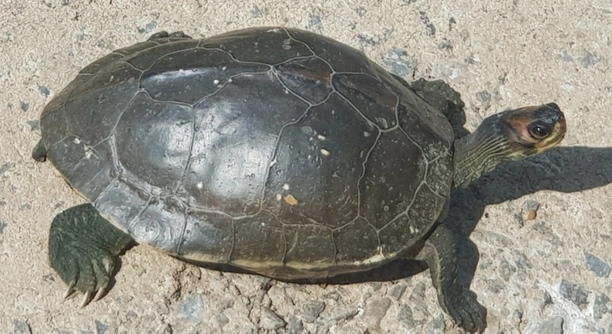
Is your Indian roofed tortoise showing signs of sluggishness or sunken eyes? Dehydration can be a serious issue, affecting its overall health. Recognizing the early signs will help ensure your tortoise stays hydrated and maintains proper bodily functions.
Common signs of dehydration in Indian roofed tortoises include sunken eyes, dry or flaky skin, lethargy, and reduced appetite. A lack of urination or thick, white urates in their waste can also indicate inadequate hydration. Regular soaking and providing fresh water are essential.
Recognizing these symptoms early can prevent serious health complications. Understanding proper hydration techniques will help keep your tortoise healthy and thriving in its environment.
Signs of Dehydration in Indian Roofed Tortoises
A dehydrated Indian roofed tortoise may show sunken eyes, dry skin, or a lack of appetite. Its shell can appear dull, and it may become lethargic. If the waste is dry or contains thick, chalky urates, hydration levels are likely too low. These symptoms can worsen over time, affecting kidney function and overall health. Proper hydration is crucial for digestion and temperature regulation. Dehydration can also make the tortoise more prone to respiratory infections. Observing changes in behavior and appearance is key to identifying early signs before they become severe.
Mild dehydration can often be corrected with increased water access and regular soaking. If symptoms persist, it may indicate an underlying health issue requiring veterinary attention. Ensuring a proper habitat setup with humidity control can help maintain hydration.
Providing fresh water daily, misting the enclosure, and soaking your tortoise in lukewarm water can prevent dehydration. A well-balanced diet with water-rich foods also helps maintain hydration.
Causes of Dehydration
Indian roofed tortoises often become dehydrated due to insufficient water sources, low humidity, or an improper diet. Enclosures that lack proper humidity levels can quickly dry out their environment, leading to dehydration.
Diet plays a significant role in hydration. If a tortoise’s diet consists mainly of dry foods with little moisture content, it may struggle to stay hydrated. Leafy greens, fruits, and vegetables with high water content are essential for maintaining proper hydration. Additionally, enclosures with improper heat settings can cause excessive moisture loss, making it harder for a tortoise to retain water.
Another common reason for dehydration is a lack of soaking opportunities. Indian roofed tortoises absorb moisture through their skin and cloaca, making regular soaking necessary. Without it, they may struggle to replenish lost fluids. Ensuring fresh, clean water is always available and misting the enclosure can help maintain humidity levels. Keeping their habitat well-regulated will prevent dehydration-related health concerns.
Preventing Dehydration in Indian Roofed Tortoises
Providing a shallow water dish allows easy access to drinking water. The dish should be large enough for soaking but shallow enough to prevent drowning. Fresh water should be replaced daily to ensure cleanliness and prevent bacterial growth.
Humidity control is essential for maintaining hydration. The enclosure should have a humidity level of around 60-70%. Regular misting and using a substrate that retains moisture, such as coconut coir or sphagnum moss, can help. Positioning a hygrometer inside the enclosure allows for easy monitoring. Avoid placing the habitat in direct sunlight for extended periods, as excessive heat can dry out the air.
A balanced diet with water-rich foods supports hydration. Leafy greens, cucumbers, and watermelons provide moisture while offering essential nutrients. Avoid excessive reliance on dry foods like pellets or hay. Adding occasional fruit treats can also contribute to hydration, but they should be given in moderation to prevent digestive issues.
Treating a Dehydrated Tortoise
A dehydrated tortoise benefits from regular warm water soaks. Soaking for 20-30 minutes a few times a week helps restore hydration by allowing water absorption through the skin and cloaca. During soaking, the tortoise should be monitored to prevent stress or accidental drowning.
If dehydration symptoms persist, veterinary intervention may be necessary. A vet may administer fluids through injection or prescribe electrolyte solutions to help restore hydration. Severe dehydration can lead to kidney issues, making early treatment essential. Environmental adjustments, such as increasing humidity and offering water-rich foods, should be maintained alongside medical treatment to support recovery.
Adjusting the Habitat for Better Hydration
Maintaining proper humidity levels helps prevent dehydration. Using a substrate like coconut coir or sphagnum moss retains moisture, keeping the environment from drying out. Misting the enclosure regularly and providing a shallow water dish ensures consistent access to water. A hygrometer helps monitor humidity levels accurately.
Temperature regulation is equally important. Excessive heat can dry out the habitat, leading to moisture loss. Keeping the temperature within the recommended range of 80-85°F during the day and slightly cooler at night prevents excessive evaporation. Avoid placing the enclosure in direct sunlight for extended periods.
Monitoring Hydration Levels
A well-hydrated tortoise will have clear, bright eyes and smooth skin. Its urates should be soft and white, indicating proper hydration. If urates appear thick or gritty, hydration needs improvement. Observing drinking and soaking habits helps identify any changes in water intake that may signal dehydration.
Final Considerations
Providing fresh water, proper humidity, and a balanced diet helps maintain hydration. Regular soaks and habitat adjustments support overall health. Keeping a close eye on behavior and appearance ensures early detection of dehydration, preventing long-term health issues.
FAQ
What are the first signs of dehydration in an Indian roofed tortoise?
The first signs of dehydration include sunken eyes, dry or flaky skin, and lethargy. A dehydrated tortoise may also show a lack of appetite or refuse to eat. Its urates will become thicker and more concentrated, and its shell may appear dull. Regular observation of these signs will help catch dehydration early.
How often should I soak my tortoise to prevent dehydration?
Indian roofed tortoises benefit from soaking two to three times a week. Soaking should last 20 to 30 minutes in lukewarm water. The warm water helps hydrate the tortoise by allowing absorption through the skin and cloaca. Make sure to gently supervise during the soaking process to prevent stress or drowning.
Can I give my tortoise water in a dish instead of soaking?
While a shallow water dish is essential for drinking, it is not a substitute for soaking. Soaking allows the tortoise to absorb water directly through its skin. A water dish should be provided at all times for drinking, but soaking is still necessary for hydration.
What is the best way to maintain humidity levels in the enclosure?
Maintaining humidity is key to preventing dehydration. Use a hygrometer to monitor humidity levels, aiming for 60-70%. Mist the enclosure regularly to keep the humidity steady. Adding a moisture-retaining substrate like coconut coir or sphagnum moss helps maintain a humid environment. Avoid placing the enclosure in direct sunlight, as it can dry out the air.
How can I tell if my tortoise is overhydrated?
Overhydration in tortoises is rare but can happen if they are soaked too frequently or for extended periods. Symptoms include excessive urination, bloated appearance, and difficulty moving. If your tortoise seems lethargic after soaking, it may be a sign of overhydration. Reduce soaking frequency and observe behavior for improvement.
What foods help keep my tortoise hydrated?
Leafy greens like lettuce, kale, and collard greens are excellent sources of hydration. Fruits such as watermelon, cantaloupe, and strawberries are high in water content, but should be offered in moderation. Cucumbers and bell peppers also provide hydration. A well-balanced diet with water-rich foods supports overall hydration and health.
How often should I clean my tortoise’s water dish?
The water dish should be cleaned daily to prevent bacterial growth and ensure clean water for drinking. Rinse it thoroughly and refill it with fresh, clean water. This practice helps avoid contamination and encourages your tortoise to drink more regularly.
Can I use a water fountain for my tortoise’s water supply?
A water fountain can be a good option for providing fresh water to your tortoise. However, it is important to ensure the fountain is shallow enough for your tortoise to access without difficulty. Keep the fountain clean to prevent the buildup of bacteria and mold.
How long can a tortoise survive without water?
A tortoise may survive for several days without water, but dehydration will start to have serious health consequences within a few days. Extended dehydration can lead to kidney damage, lethargy, and even death. Providing access to water at all times and regular soaking is crucial for its health.
Is dehydration more common in young or adult tortoises?
Dehydration can affect tortoises of all ages, but younger tortoises are more vulnerable due to their smaller size and higher metabolic rate. Baby and juvenile tortoises require more frequent soaking and hydration than adults. Ensure that all tortoises, regardless of age, have proper hydration to prevent health issues.
How does temperature affect hydration in tortoises?
High temperatures can cause excessive moisture loss, leading to dehydration. It is important to maintain the proper temperature range for your tortoise’s habitat. During the day, temperatures should be between 80-85°F. Avoid placing your tortoise in an area that experiences rapid temperature fluctuations, as this can lead to dehydration and stress.
Can dehydration lead to shell problems?
Yes, dehydration can cause the tortoise’s shell to become soft, brittle, and weakened. Prolonged dehydration can impair the tortoise’s ability to properly digest food and absorb nutrients, which can also affect shell growth and health. Regular hydration is vital for maintaining a strong, healthy shell.
Can I use bottled water for my tortoise?
Bottled water can be used for your tortoise, but tap water is generally fine if it’s not heavily chlorinated or treated with other chemicals. If you choose bottled water, make sure it is free from additives. Always ensure fresh, clean water is available for your tortoise at all times.
What should I do if I think my tortoise is severely dehydrated?
If you suspect your tortoise is severely dehydrated, soak it in lukewarm water immediately for 30 minutes. If symptoms persist, consult a veterinarian. The vet may administer fluids via injection or provide additional treatments to rehydrate your tortoise and avoid long-term damage.
Final Thoughts
Dehydration is a serious concern for Indian roofed tortoises. It can lead to a range of health problems, including lethargy, kidney damage, and even death if not addressed properly. By understanding the signs of dehydration, such as dry skin, sunken eyes, and thick urates, you can take the necessary steps to prevent it. Regular soaking, proper humidity levels, and access to clean water are the most effective ways to ensure your tortoise stays hydrated.
It is also essential to maintain a stable habitat temperature. Too much heat can cause excessive water loss, while too little heat may slow down your tortoise’s metabolism and make it harder for them to drink enough water. Using a hygrometer to monitor humidity levels and misting the enclosure regularly will help keep the air moist, which is beneficial for hydration. A balanced diet that includes moisture-rich foods such as leafy greens and fruits also supports hydration.
In conclusion, hydration plays a key role in the overall health and well-being of your tortoise. Regularly observe your tortoise for any signs of dehydration and take action as soon as possible if you notice any issues. Simple changes in their environment, such as maintaining proper humidity and providing access to fresh water, can go a long way in preventing dehydration.

Hello,
If you enjoy the content that we create, please consider saying a "Thank You!" by leaving a tip.
Every little bit helps us continue crafting quality advice that supports the health, happiness, and well-being of pets around the world, for pets of all shapes, sizes, and species.
We really appreciate the kindness and support that you show us!