
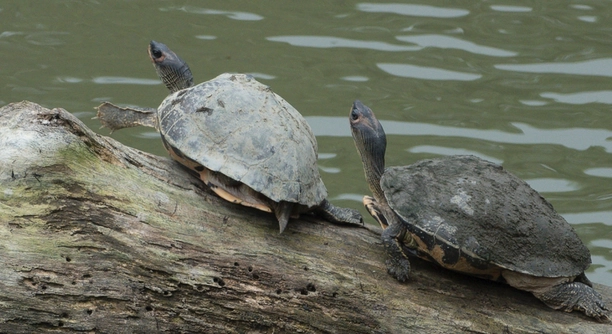
Are you introducing an Indian roofed tortoise to a new home and want to ensure a smooth transition? Adjusting to a different environment can be challenging for these reptiles, but the right approach will help them feel comfortable and safe.
Providing a suitable habitat, maintaining proper temperature and humidity levels, and establishing a consistent feeding schedule are key to helping your tortoise adjust. Minimizing stress by limiting handling and offering hiding spots will further support a smooth transition into its new surroundings.
Creating a stable and enriching environment will make a significant difference in your tortoise’s well-being. Understanding these simple yet effective methods will ensure a comfortable and stress-free adjustment process.
Set Up a Comfortable Habitat
Creating the right habitat is essential for helping your Indian roofed tortoise adjust. A spacious enclosure with a mix of dry and moist areas allows for natural behaviors. Use a high-quality substrate, such as coconut coir or soil, to maintain humidity levels. Adding rocks, logs, and hiding spots provides security and enrichment. Ensure the enclosure is escape-proof, as these tortoises are active climbers. A shallow water dish is necessary for hydration and soaking. Proper UVB lighting and a basking area with a temperature gradient will support overall health. Keeping the enclosure clean prevents bacterial growth and stress.
A stable environment reduces anxiety and helps your tortoise settle in faster. Keeping temperature and humidity consistent will prevent unnecessary stress.
Observing your tortoise’s behavior will indicate whether the habitat meets its needs. Adjusting lighting, humidity, or hiding spots based on its activity level ensures comfort.
Establish a Proper Feeding Routine
A consistent feeding schedule helps your tortoise feel secure in its new home. Offering a variety of leafy greens, vegetables, and occasional fruits provides balanced nutrition. Calcium and vitamin supplements support shell and bone health. Fresh water should always be available for drinking and soaking.
Feeding at the same time each day helps your tortoise develop a routine. Leafy greens like dandelion, collard greens, and mustard greens should make up most of its diet. Vegetables such as squash and bell peppers add variety and nutrients. Small amounts of fruit, like papaya or mango, can be given occasionally. Avoid foods high in oxalates, such as spinach, as they can interfere with calcium absorption. Calcium powder should be sprinkled on food a few times a week to support shell growth.
Fresh food should be replaced daily to prevent spoilage. Removing uneaten food helps maintain cleanliness and prevents pests. A well-balanced diet ensures your tortoise stays healthy and adapts smoothly.
Maintain Proper Temperature and Humidity
The right temperature and humidity levels keep your tortoise comfortable. The basking area should be around 90°F, while the cooler side should stay near 75°F. Humidity levels should be maintained between 60-80% to prevent dehydration and shell problems. Using thermometers and hygrometers ensures accurate monitoring.
A heat lamp should be placed over one side of the enclosure to create a temperature gradient. This allows your tortoise to regulate its body temperature by moving between warm and cool areas. Nighttime temperatures can drop slightly but should not fall below 70°F. Maintaining proper humidity involves misting the enclosure daily and using moisture-retaining substrates. If the air is too dry, it can cause respiratory issues. If it is too humid, fungal infections may develop.
Providing a shallow water dish also helps regulate humidity. Regularly checking and adjusting these conditions ensures your tortoise remains healthy. A balanced environment reduces stress and supports normal behaviors like basking and burrowing.
Minimize Stress During Handling
Limiting handling helps your tortoise adjust faster. These reptiles feel safest when left undisturbed in their enclosure. Handling should be minimal in the first few weeks to avoid stress. If necessary, move your tortoise gently and support its entire body. Sudden movements can cause fear.
When your tortoise becomes more comfortable, short handling sessions can help build trust. Always approach from the front to avoid startling it. Keep interactions brief, and place it back in its habitat afterward. Frequent or rough handling can lead to stress and defensive behaviors, such as withdrawing into its shell. If your tortoise appears agitated, give it more time to acclimate before attempting to handle it again.
Offering food by hand can help your tortoise associate you with positive experiences. Over time, it may become more receptive to gentle interactions. Keeping handling to a minimum allows it to feel secure.
Provide Hiding Spots
Hiding spots help your tortoise feel secure in its new environment. Logs, overturned clay pots, and artificial caves create safe spaces. Positioning them in both warm and cool areas allows your tortoise to regulate its body temperature while staying hidden when needed. A sense of security reduces stress and encourages natural behaviors.
Multiple hiding spots prevent competition if housing more than one tortoise. A mix of open and enclosed shelters gives options for resting and retreating. Natural materials like cork bark or leaf piles mimic their wild habitat. Keeping hiding areas clean ensures a healthy and comfortable space for your tortoise.
Keep the Environment Quiet
A calm environment reduces stress and helps your tortoise adjust. Loud noises and sudden movements can make it feel unsafe. Placing the enclosure in a low-traffic area of your home prevents unnecessary disturbances. Keeping interactions gentle and predictable also helps maintain a peaceful setting.
Monitor Behavior Changes
Observing daily behavior helps identify any issues early. Signs of stress include excessive hiding, lack of appetite, or unusual aggression. Any sudden changes should be addressed by adjusting the habitat or diet. If issues persist, consulting a reptile veterinarian ensures your tortoise stays healthy and comfortable in its new home.
FAQ
How long does it take for an Indian roofed tortoise to adjust to a new environment?
Adjustment time varies depending on the individual tortoise and the environment provided. Some may take a few days, while others need several weeks. Ensuring proper temperature, humidity, hiding spots, and minimal handling can speed up the process. A calm, stable environment helps reduce stress and encourages normal behaviors.
Why is my tortoise not eating after moving to a new home?
A lack of appetite is common during the adjustment period. Stress, unfamiliar surroundings, or incorrect temperature and humidity levels can contribute to this issue. Ensure the habitat meets its needs and offer familiar foods. If appetite does not improve within a week, a veterinarian visit may be necessary.
What should I do if my tortoise keeps hiding?
Hiding is a natural response to stress. Give your tortoise time to feel secure in its new habitat. Ensure there are multiple hiding spots and that the enclosure is placed in a quiet area. If hiding continues for several weeks without improvement, check for any environmental issues.
Can I house multiple Indian roofed tortoises together?
Indian roofed tortoises can sometimes live together, but space and resources must be sufficient. Competition for food, basking areas, and hiding spots can cause stress. If signs of aggression appear, such as shell butting or persistent chasing, separate them to ensure their well-being.
How often should I handle my tortoise during the adjustment period?
Minimal handling is best in the first few weeks. Allow your tortoise to explore and settle without unnecessary disturbances. Once it becomes more comfortable, brief and gentle handling can be introduced. If it shows signs of stress, reduce handling and give it more time to adjust.
What is the ideal enclosure size for an Indian roofed tortoise?
A single adult tortoise requires a minimum of a 4×2-foot enclosure. Larger spaces allow for better movement and natural behaviors. If housing multiple tortoises, increase the size accordingly to prevent territorial stress. A well-planned habitat contributes to a smoother adjustment.
How can I tell if my tortoise is stressed?
Signs of stress include excessive hiding, lack of appetite, pacing, or attempting to escape. If these behaviors persist, review the habitat setup and ensure conditions are optimal. Providing a secure, quiet environment with proper temperature and humidity can help reduce stress levels.
Why is my tortoise not basking?
A tortoise may avoid basking if the temperature is too high or too low. Ensure the basking area is around 90°F and that the cooler side is around 75°F. A proper heat gradient encourages natural thermoregulation. If the issue continues, check the placement of the heat source.
What should I do if my tortoise seems lethargic?
Lethargy can result from stress, improper temperature, or illness. Check the enclosure conditions and adjust if necessary. If lethargy persists along with symptoms like lack of appetite or abnormal stool, consult a reptile veterinarian to rule out health concerns.
Can I move my tortoise’s enclosure frequently?
Frequent changes to the enclosure location can cause stress. Once a suitable spot is chosen, it should remain consistent. Avoid moving the enclosure unless absolutely necessary. Stability in surroundings helps the tortoise feel secure and adapt more easily to its new environment.
Final Thoughts
Helping an Indian roofed tortoise adjust to a new environment requires patience and attention to detail. Creating a stable, well-maintained habitat with the right temperature, humidity, and hiding spots makes the transition easier. A tortoise may take days or even weeks to fully adapt, so minimizing stress is essential. Avoid unnecessary handling during the initial adjustment period and allow it to explore at its own pace. Offering a familiar diet, maintaining a consistent daily routine, and ensuring a quiet space help build a sense of security. A well-adjusted tortoise will begin to eat regularly, bask, and display normal behaviors over time.
Observing your tortoise’s behavior is key to understanding its comfort level. Signs of stress, such as excessive hiding, lack of appetite, or restlessness, indicate that adjustments may be needed in its enclosure. Small changes, like adding more hiding spots or adjusting lighting and temperature, can make a significant difference. If unusual behaviors persist, checking for potential health issues is important. Regularly monitoring its weight, activity level, and eating habits ensures early detection of any concerns. A tortoise that feels secure in its environment will be more active and develop a steady routine, making long-term care easier.
Each tortoise adjusts at its own pace, and providing a stable, enriching habitat allows it to settle comfortably. Creating an environment that mimics its natural conditions encourages healthy behaviors and long-term well-being. Maintaining a proper diet, offering a variety of enrichment options, and ensuring a clean enclosure all contribute to a stress-free adjustment. Once settled, a well-cared-for tortoise can thrive for many years, becoming an enjoyable and rewarding companion to observe.

Hello,
If you enjoy the content that we create, please consider saying a "Thank You!" by leaving a tip.
Every little bit helps us continue crafting quality advice that supports the health, happiness, and well-being of pets around the world, for pets of all shapes, sizes, and species.
We really appreciate the kindness and support that you show us!