
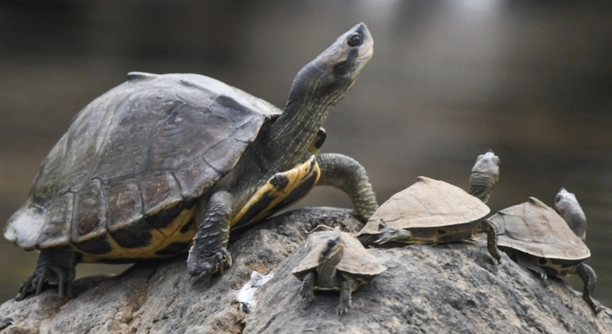
Do you ever find yourself worrying if your Indian roofed tortoise’s tank temperature is just right? Ensuring the proper temperature range is essential for your tortoise’s health and overall well-being, as these reptiles are sensitive to their environment.
The ideal temperature range for an Indian roofed tortoise’s tank is between 75°F to 85°F during the day and around 70°F at night. Maintaining this temperature range helps support their digestion, activity levels, and immune system, preventing potential health issues.
Creating the right habitat can be challenging, but with proper monitoring and a few adjustments, you can help your tortoise thrive. Learn how to maintain an optimal environment for your shelled companion.
Importance of Proper Tank Temperature
Maintaining the right tank temperature for your Indian roofed tortoise is crucial for its health and well-being. These tortoises originate from warm, tropical climates, and replicating these conditions in captivity helps them thrive. A consistent temperature range supports their metabolism, aids digestion, and prevents respiratory issues. Sudden temperature changes can stress your tortoise, potentially leading to health problems. Using a reliable thermometer is essential for monitoring the tank’s temperature accurately. Position the thermometer at both the basking and cooler ends of the enclosure to ensure accurate readings and maintain the balance necessary for your tortoise’s comfort.
Creating a temperature gradient within the tank is essential. The basking area should be between 85°F to 90°F, while the cooler end should stay around 75°F to 80°F. This range allows your tortoise to regulate its body temperature as needed.
To achieve the correct temperature, use heating equipment like ceramic heat emitters, basking lamps, or under-tank heaters. Place these devices properly to avoid overheating or underheating specific areas.
Signs of Incorrect Tank Temperature
When the tank temperature is too high or too low, your tortoise may show signs of distress. You might notice lethargy, loss of appetite, or frequent hiding.
If the temperature is consistently too low, it can lead to respiratory infections, weakened immune systems, and sluggish behavior. On the other hand, excessively high temperatures can cause dehydration, overheating, and increased stress. Regular monitoring and prompt adjustments help maintain a stable environment, promoting your tortoise’s health.
To ensure your tortoise’s comfort, regularly check the tank’s temperature and make adjustments as needed. Using a thermostat can help regulate heating devices automatically, maintaining a safe and comfortable habitat.
How to Measure and Monitor Tank Temperature
Using a reliable digital thermometer with a probe is the most accurate way to measure your tortoise’s tank temperature. Place the probe near the basking spot and in the cooler end to monitor the gradient effectively.
Check the temperature at different times of the day to ensure stability. Temperatures can fluctuate due to room temperature changes, so consistency is key. If you notice extreme variations, consider adjusting the placement of heat sources or adding a thermostat. A thermostat helps regulate heating devices, preventing overheating or sudden drops in temperature. Regular monitoring prevents stress and potential health issues.
Investing in a temperature gun can also be beneficial. It provides instant readings from various parts of the tank, allowing you to quickly check if the basking spot or cooler areas are within the recommended range. Keep a record of daily temperatures to spot patterns and make necessary adjustments.
Adjusting Tank Temperature
If the temperature is too low, increase the wattage of the basking lamp or add a ceramic heat emitter. Ensure there’s a safe distance between the heat source and your tortoise to avoid burns.
To lower the temperature, reduce the wattage of the heat source or move it further from the tank. Increasing ventilation or using a fan near the enclosure can help dissipate heat if necessary. Avoid placing the tank in direct sunlight, as this can cause rapid temperature spikes. Ensure any cooling methods still maintain the necessary temperature gradient.
Common Mistakes When Setting Tank Temperature
Using inaccurate or unreliable thermometers can lead to incorrect temperature readings, risking your tortoise’s health. Always use a high-quality digital thermometer with a probe or an infrared temperature gun for accurate results.
Placing the tank near drafty windows, air vents, or heating units can cause unstable temperature levels. Ensure the tank is in a stable, draft-free location.
The Role of Humidity in Temperature Regulation
Humidity levels affect your tortoise’s ability to regulate its body temperature. Maintaining 50% to 70% humidity in the tank helps support healthy breathing and prevents dehydration. Use a hygrometer to monitor humidity and mist the enclosure when levels drop too low. Adjust humidity alongside temperature to maintain a balanced environment.
The Impact of Seasonal Changes
Seasonal changes can affect room temperatures, impacting the tank’s environment. Regularly monitor and adjust heating devices to maintain consistent temperatures during colder or warmer months.
FAQ
How often should I check the tank temperature?
It’s best to check the tank temperature at least twice a day — once in the morning and once in the evening. Temperatures can fluctuate throughout the day, especially if your home experiences significant changes in ambient temperature. Regular monitoring ensures your tortoise’s environment remains stable and comfortable.
Can I use a regular household thermometer for my tortoise’s tank?
Household thermometers are not recommended because they may not provide the accuracy needed for a reptile habitat. Instead, use a digital thermometer with a probe or an infrared temperature gun for precise readings. Accurate measurements are essential for maintaining the proper temperature gradient in the tank.
What if my tortoise seems lethargic despite the correct temperature range?
Lethargy can be caused by more than just incorrect temperatures. If your tortoise is still sluggish despite the right temperature range, consider factors like humidity, diet, and overall tank setup. Ensure there are no drafts, the humidity level is adequate, and your tortoise’s diet is balanced and appropriate.
Should I adjust the temperature at night?
Yes, Indian roofed tortoises need a slight temperature drop at night to mimic their natural environment. Lower the temperature to around 70°F during the night. If your home becomes too cold, use a ceramic heat emitter that doesn’t produce light but maintains the necessary warmth.
Can I use a heating pad under the tank for warmth?
While heating pads can provide additional warmth, they are not the best primary heat source for tortoises. Indian roofed tortoises rely on overhead heat to regulate their body temperature, similar to how they bask in the sun in the wild. If you use a heating pad, ensure it’s only for supplemental heat.
What are the dangers of overheating the tank?
Overheating can cause dehydration, stress, and heatstroke in your tortoise. Symptoms include gaping mouth, rapid breathing, and excessive attempts to escape the tank. If you suspect overheating, immediately reduce the tank’s temperature by turning off heat sources, increasing ventilation, and offering water to cool your tortoise.
How can I maintain the temperature if my home temperature fluctuates a lot?
If your home experiences frequent temperature changes, invest in a thermostat to control your heating devices. A thermostat will automatically adjust the heat output, ensuring a consistent environment. You can also insulate the tank’s back and sides to help retain warmth and reduce drafts.
Can I place my tortoise’s tank near a window for natural sunlight?
Avoid placing the tank directly near a window. Natural sunlight through glass can cause the tank to overheat quickly, and drafts from windows can lead to sudden temperature drops. Instead, provide UVB lighting designed for reptiles and ensure the tank is positioned in a stable, controlled environment.
Is there a specific type of light bulb I should use for heating?
A basking bulb designed for reptiles is ideal for providing the necessary heat and light. These bulbs simulate the sun’s natural warmth and help create the temperature gradient your tortoise needs. Combine them with a UVB bulb to support your tortoise’s health and metabolism.
Can I use a regular desk lamp to heat the tank?
Regular desk lamps are not suitable for heating a tortoise’s tank. They do not produce the necessary amount of heat, and the light spectrum may not support your tortoise’s needs. Use bulbs specifically designed for reptiles to ensure proper heating and UVB exposure.
What should I do if there’s a power outage and I can’t maintain the tank’s temperature?
In case of a power outage, cover the tank with blankets to retain heat and keep drafts out. You can also use warm water bottles, placed safely outside the tank, to provide temporary warmth. If possible, move your tortoise to a warmer room until power is restored.
Can a tank be too big or too small for maintaining the right temperature?
A tank that is too large can make it challenging to maintain a consistent temperature gradient. Conversely, a tank that is too small may lead to overheating. Ensure the enclosure is appropriately sized for your tortoise, allowing for a clear basking area and a cooler end.
Should I turn off all heat sources at night?
Turn off the basking light at night but keep a ceramic heat emitter or a low-wattage heat source to maintain the nighttime temperature of around 70°F. This slight temperature drop mimics the natural environment of Indian roofed tortoises.
How can I tell if my tortoise is comfortable with the tank temperature?
A healthy and comfortable tortoise will be active, have a healthy appetite, and show normal behavior. If it is constantly hiding, digging excessively, or appears lethargic, check the temperature and other environmental factors to ensure everything is set up correctly.
Final Thoughts
Maintaining the right tank temperature for your Indian roofed tortoise is essential for its health and well-being. Temperature control is more than just setting up a heat source — it involves consistent monitoring, understanding your tortoise’s needs, and making adjustments when necessary. Keeping the tank within the recommended temperature range not only supports your tortoise’s digestion and immune system but also helps it stay active and stress-free. If the temperature is too high or too low, your tortoise may show signs of discomfort, including lethargy, lack of appetite, or unusual behavior. Observing these signals and acting promptly can prevent long-term health issues.
Creating a proper temperature gradient in the tank allows your tortoise to regulate its body temperature effectively. The basking area should be warm enough to encourage basking while the cooler end should provide a space to cool down when necessary. Investing in accurate thermometers, thermostats, and appropriate heating equipment can make this process easier and more effective. Additionally, considering factors like humidity and seasonal changes can help you create a more stable environment for your tortoise. Regularly monitoring the tank’s conditions and being prepared for unexpected temperature fluctuations will ensure your tortoise remains comfortable and healthy.
Owning an Indian roofed tortoise can be rewarding, but it also comes with responsibilities. Proper temperature management is just one aspect of providing a suitable habitat, but it plays a significant role in your tortoise’s overall health and quality of life. Taking the time to learn about your tortoise’s needs, investing in reliable equipment, and making necessary adjustments will help your tortoise thrive. By understanding the importance of a controlled environment and taking a proactive approach, you can create a space where your tortoise feels secure and content. With the right care, your Indian roofed tortoise can lead a long, healthy life, giving you years of enjoyment and companionship.

Hello,
If you enjoy the content that we create, please consider saying a "Thank You!" by leaving a tip.
Every little bit helps us continue crafting quality advice that supports the health, happiness, and well-being of pets around the world, for pets of all shapes, sizes, and species.
We really appreciate the kindness and support that you show us!