
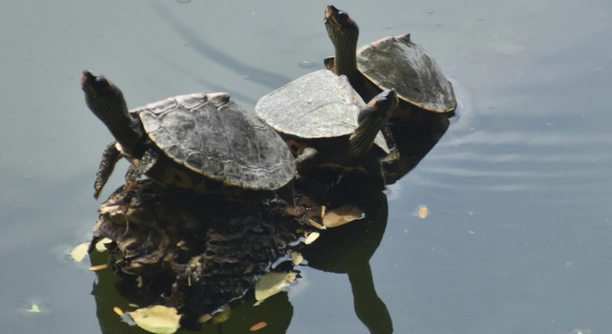
Indian Roofed Tortoises are fascinating pets, and noticing unusual behaviors can be both concerning and intriguing. One such behavior is when they constantly look upwards. If you’ve observed this, you might wonder what it means.
Your Indian Roofed Tortoise may look upwards due to natural instincts, environmental factors, or even health concerns. In many cases, it’s simply exploring its surroundings, but it could also be a sign of curiosity or stress.
Understanding why your tortoise behaves this way is key. By considering their environment and needs, you can better address the situation and provide the right care.
Why Your Tortoise Looks Up: Natural Behavior
It’s normal for your Indian Roofed Tortoise to look up from time to time. This is a natural behavior that is often linked to their curiosity and exploration. Tortoises are hardwired to constantly scan their environment for potential threats or food. Looking up might simply be their way of observing the surroundings and staying aware of anything above them, such as predators or moving objects. In the wild, they are likely to check the sky frequently, especially in areas where birds or other animals could pose a threat.
It’s important to provide an enriching environment where your tortoise feels safe. Without enough stimulation, they may engage in repetitive behaviors, such as constantly looking up. Try to give them space to roam and things to explore, like hiding spots or different surfaces.
The environment you provide can have a significant effect on how your tortoise behaves. A lack of environmental enrichment can make them more prone to certain actions. If your tortoise is housed in a small enclosure with few things to explore, it could lead to boredom. Offering climbing structures, various textures, and objects to interact with can help keep your tortoise mentally and physically active. It’s a good idea to change up the layout of the enclosure occasionally to keep things interesting and prevent repetitive behaviors.
Health Concerns and What to Watch For
Sometimes, frequent looking up may be a sign of an underlying health issue.
If your tortoise’s behavior seems unusual, or if they’re displaying other signs like lethargy, difficulty eating, or trouble moving, a check-up at the vet is a wise decision. Respiratory infections are a common problem for tortoises and can cause them to stretch their necks or look up. This is usually accompanied by wheezing or nasal discharge. If your tortoise seems to be in discomfort, it’s essential to act quickly.
Infections in tortoises can develop when the humidity levels or temperature in their habitat aren’t quite right. Poor environmental conditions can weaken their immune systems, making them more vulnerable to illness. It’s also important to make sure that they’re not being overexposed to cold temperatures, which can cause stress. A balanced, healthy environment will reduce the risk of respiratory or other health issues. Keeping your tortoise’s habitat properly regulated is key to preventing such concerns. Ensure that humidity levels and temperature are within their preferred range, and make sure they have access to clean, fresh water.
Tortoise Enclosure Setup
Creating the right environment for your Indian Roofed Tortoise is essential. Ensure they have enough space to explore and feel comfortable. A larger enclosure allows them to display natural behaviors like moving around and looking up.
The enclosure should have areas to climb and hide, as well as a variety of surfaces to encourage exploration. Tortoises also enjoy basking, so ensure they have access to a warm spot for proper thermoregulation. Make sure the area has good ventilation to avoid excess moisture. Adding natural elements, such as plants or rocks, can keep your tortoise engaged. It’s important to adjust the enclosure’s setup regularly to keep things fresh and mentally stimulating.
Proper lighting is equally important. Tortoises require UVB light to synthesize vitamin D3, which is necessary for their bone health. Without UVB lighting, they can suffer from metabolic bone disease. Make sure to provide both basking and ambient lighting. A good balance of light and heat will help regulate their internal clock and promote overall well-being.
Diet and Nutrition
The right diet plays a big role in your tortoise’s behavior. A balanced diet ensures they stay healthy, reducing stress and unwanted behaviors.
Indian Roofed Tortoises need a mix of vegetables, greens, and occasional fruits. Offer a variety of leafy greens like collard greens, dandelion, and mustard greens. Fresh vegetables like carrots, bell peppers, and squash are also good options. Fruits should be given in moderation to avoid excessive sugar intake. Avoid feeding them high-protein foods or animal-based products, as this can lead to kidney problems.
If your tortoise is eating too much of one food type, they may become less interested in other items. Variety in their diet will help ensure they receive all the nutrients they need. Also, make sure the food is chopped into manageable pieces, as larger pieces may be harder for them to eat. Providing clean, fresh food and changing it regularly can also prevent contamination.
Tortoise Behavior and Stress
Stress can lead to repetitive behaviors like looking up. Changes in their routine, environment, or handling might make your tortoise feel uneasy.
Signs of stress in a tortoise include pacing, hiding, and excessive neck stretching. You may also notice them becoming less active or refusing food. Stress can be caused by loud noises, too much handling, or an overcrowded enclosure. To reduce stress, keep their environment calm and stable. Ensure they have a consistent routine for feeding and basking.
Temperature and Humidity
Maintaining the right temperature and humidity is vital for your tortoise’s health. Temperature fluctuations can cause stress, making your tortoise more likely to exhibit abnormal behaviors.
Indian Roofed Tortoises thrive in temperatures between 80°F and 90°F (27°C-32°C) during the day, with a slight drop at night. Humidity levels should stay between 50% and 70%. Too little humidity can cause dehydration, while too much can promote fungal infections. If you’re unsure, use a thermometer and hygrometer to monitor the conditions in the enclosure. Consistency is key for their comfort and well-being.
Handling Your Tortoise
If your tortoise is constantly looking up or seems agitated, the way you handle them could be a factor. Frequent or improper handling may cause stress.
Avoid picking up your tortoise too often or in ways that cause discomfort. Always support their body properly when lifting them, and keep handling sessions short and gentle. Give them plenty of time to roam freely in their enclosure to reduce stress.
FAQ
Why does my Indian Roofed Tortoise keep looking up?
Your tortoise might look up simply out of curiosity. They are naturally inclined to observe their surroundings, and looking upwards could be a way for them to check for potential threats or changes in their environment. It’s a common behavior, especially in the wild, where they would look for aerial predators like birds. However, if the behavior becomes excessive or is paired with other signs of discomfort, it could be due to stress or a health issue, like a respiratory infection.
Is my tortoise sick if it looks up all the time?
Not necessarily. Looking up on its own isn’t always a sign of illness. However, if your tortoise seems to be constantly stretching its neck upwards and is showing other symptoms like nasal discharge, lethargy, or difficulty breathing, it’s worth considering a visit to the vet. Respiratory infections or other conditions can sometimes cause your tortoise to hold its head up in an unusual manner. Always pay attention to the overall behavior and health of your pet.
What should I do if my tortoise is always looking up?
First, check the environment. Ensure the temperature and humidity levels are ideal for your tortoise’s needs. If the enclosure is too small, lacks enrichment, or has incorrect lighting, your tortoise might be looking up as a sign of boredom or stress. Make sure it has enough space to roam and explore, with plenty of hiding spots, climbing areas, and objects to interact with. If environmental changes don’t improve the behavior, consider having your tortoise checked by a vet to rule out any health problems.
Can stress make my tortoise look up more often?
Yes, stress is a common reason why tortoises might engage in repetitive behaviors like constantly looking up. Stress can come from a variety of factors such as an overcrowded enclosure, loud noises, or excessive handling. If your tortoise feels threatened or uncomfortable, it may start to exhibit this behavior. Ensuring your tortoise’s environment is peaceful, stable, and comfortable can help reduce stress and stop the behavior.
What is the best temperature for my Indian Roofed Tortoise?
The ideal temperature for an Indian Roofed Tortoise is between 80°F and 90°F (27°C-32°C) during the day. They should also have a cooler area in their enclosure to escape to if they get too warm. Night temperatures can drop to around 70°F (21°C). It’s essential to maintain a gradient in the enclosure, allowing your tortoise to regulate its body temperature by moving between warmer and cooler areas. Using a thermometer can help ensure the conditions are just right.
Should I worry if my tortoise keeps looking up and not eating?
If your tortoise is looking up and not eating, it could be a sign of stress or illness. Loss of appetite is often a warning sign in reptiles. A lack of food intake, combined with unusual behaviors like frequently looking up, may indicate a respiratory infection, gastrointestinal issues, or stress from environmental factors. It’s important to monitor their behavior closely and ensure the enclosure is properly set up. If the issue persists, a trip to the vet would be advisable.
How can I make my tortoise’s habitat more enriching?
Enrichment is key to preventing boredom and encouraging natural behaviors. In addition to providing adequate space, you can include climbing structures, logs, rocks, and plants to keep your tortoise engaged. The more varied the environment, the more opportunities your tortoise has to explore. You can also introduce different textures, such as sand, soil, or grass, to simulate natural habitats. Changing up their environment occasionally will help maintain their interest.
Does looking up mean my tortoise is trying to escape?
While your tortoise may seem like it’s trying to escape, it’s more likely that it’s simply observing the world around it. Tortoises naturally exhibit curiosity about their surroundings, and the act of looking up could simply be their way of checking for threats or exploring. However, if your tortoise is constantly trying to climb out of the enclosure or seems restless, it could mean that the enclosure is too small or lacks adequate stimulation.
Can temperature and humidity affect my tortoise’s behavior?
Yes, temperature and humidity play a huge role in your tortoise’s well-being and behavior. If the environment is too hot, too cold, or too dry, it can cause stress and result in behaviors like looking up frequently. Improper humidity can also lead to dehydration, while incorrect temperature can weaken their immune system. Make sure to regularly monitor the temperature and humidity levels in your tortoise’s enclosure to keep them comfortable and healthy.
What can I do if my tortoise is looking up but seems fine otherwise?
If your tortoise is looking up but appears otherwise healthy and active, it might just be a harmless natural behavior. It could be simply exploring its surroundings or reacting to changes in light. Make sure the habitat is properly set up with enough space, food, and hiding spots. If your tortoise seems content, eating well, and moving around normally, it’s likely just behaving as usual. However, keep an eye on them for any other changes that may indicate something more serious.
Final Thoughts
Understanding why your Indian Roofed Tortoise keeps looking up can help you better care for your pet and ensure its well-being. It’s often a natural behavior driven by curiosity or a need to stay alert to its surroundings. Tortoises are naturally inclined to scan for potential threats, and looking up may be part of their instinct to stay aware of anything above them. However, if the behavior becomes excessive or is paired with other signs of distress, it could be a sign of stress or an underlying health issue. As a pet owner, it’s important to observe your tortoise’s overall behavior to determine if there’s something more to the issue.
Environmental factors play a large role in your tortoise’s behavior. A comfortable and enriched habitat can reduce stress and help prevent unwanted behaviors. Ensure that the temperature and humidity levels in their enclosure are properly maintained and that there’s enough space for exploration. Tortoises need variety in their surroundings to stay mentally stimulated, so consider adding climbing structures, plants, or hiding spots. Changing the layout of the enclosure occasionally can also help keep your tortoise interested. If the enclosure is too small or lacks proper heating and lighting, this could lead to behaviors like looking up more frequently, as the tortoise searches for something to engage with.
While a tortoise looking up may not always be cause for concern, it’s essential to monitor for other signs of stress or illness. Changes in eating habits, lethargy, or abnormal breathing can all signal a health issue that requires immediate attention. In these cases, consulting a veterinarian who specializes in reptiles is the best course of action. Regularly checking on your tortoise’s health, diet, and environment will help ensure they remain happy and healthy. With the right care, your tortoise will feel comfortable and secure, and its behaviors, like looking up, will likely be part of its natural exploration.

Hello,
If you enjoy the content that we create, please consider saying a "Thank You!" by leaving a tip.
Every little bit helps us continue crafting quality advice that supports the health, happiness, and well-being of pets around the world, for pets of all shapes, sizes, and species.
We really appreciate the kindness and support that you show us!