
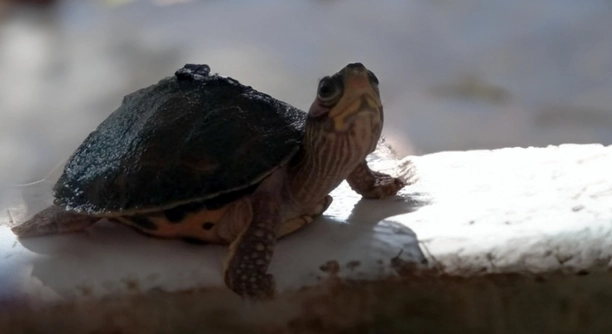
Cleaning your Indian Roofed Tortoise’s tank is an essential part of keeping your pet healthy and comfortable. Regular cleaning ensures a safe and hygienic environment for your tortoise, which helps prevent health issues.
The proper way to clean your Indian Roofed Tortoise’s tank involves seven simple steps: removing waste, cleaning surfaces, replacing bedding, and more. By following these steps, you’ll maintain a clean habitat, supporting your tortoise’s overall well-being.
Maintaining your tortoise’s tank doesn’t have to be difficult. These easy steps will guide you through creating a clean and safe space for your pet to thrive.
Step 1: Remove All Waste from the Tank
The first thing to do when cleaning your tortoise’s tank is to remove all waste. This includes leftover food, feces, and any soiled bedding. A small hand shovel or scoop works best for removing larger pieces. If your tortoise has a hiding spot, be sure to check it carefully, as it’s a common place for waste to gather. Don’t forget to check the corners of the tank where food and debris may accumulate. Waste buildup can cause bacteria growth, which is harmful to your tortoise’s health.
After you’ve removed all waste, dispose of it properly. Use a trash bag or container that is sealed to prevent odors and germs from spreading. Make sure the tank is completely clear of any debris before moving on to the next step. This initial cleaning is key to keeping your tortoise’s living environment fresh and safe.
Step 2: Clean the Tank’s Surfaces
Next, it’s time to clean the surfaces of the tank. Use a non-toxic cleaner or a mixture of water and vinegar to wipe down all surfaces, including the walls, floor, and any decorations. Avoid using harsh chemicals, as they can be harmful to your tortoise.
Make sure to scrub any areas where algae or mold may have formed. This is especially important around water dishes and moist areas in the tank. After scrubbing, rinse everything well to remove any leftover cleaning solution. Dry the surfaces thoroughly with a clean towel before placing new bedding and decorations in the tank. Keeping the surfaces clean is essential for preventing bacteria and mold buildup, ensuring your tortoise’s health and comfort.
Step 3: Change the Bedding
Changing the bedding is one of the most important steps in keeping your tortoise’s tank clean. Bedding can trap moisture and odors, so replacing it regularly is crucial. First, remove the old bedding completely and discard it in a sealed bag. Make sure the tank floor is dry before adding fresh bedding.
Choose bedding that is safe for tortoises, such as coconut husk, aspen shavings, or a mixture of soil and sand. Spread the new bedding evenly throughout the tank to provide your tortoise with a comfortable and clean environment. It’s best to change the bedding entirely every 2-3 weeks, but spot cleaning can be done more frequently. Fresh bedding not only keeps the tank smelling nice but also provides a more natural environment for your tortoise.
Step 4: Clean the Water Dish
Water plays an essential role in your tortoise’s health. Keeping the water dish clean is just as important as cleaning the tank itself. Remove any leftover water from the dish and clean it thoroughly. Scrub the bowl with warm water and a gentle brush to remove any dirt, algae, or debris.
Rinse the dish well before refilling it with fresh water. The water should be changed every day to prevent bacteria from growing. A clean water dish encourages your tortoise to drink more, helping it stay hydrated and healthy. Regular water dish cleaning also prevents algae and mold from developing, ensuring your tortoise has access to clean water at all times.
Step 5: Clean Tank Decorations and Accessories
Your tortoise’s tank may include decorations, such as rocks, hides, or artificial plants. These should be cleaned regularly to prevent any buildup of waste or bacteria. Remove the decorations and scrub them gently with warm water and a non-toxic cleaner. Be sure to rinse them well to remove any leftover cleaning solution.
Inspect the decorations for any cracks or damage that could be harmful to your tortoise. If any items are broken or sharp, it’s best to replace them to avoid injury. Clean decorations help maintain a tidy and safe habitat for your tortoise. Keeping them in good condition also ensures your tortoise’s tank looks pleasant and inviting.
Step 6: Disinfect the Tank
Disinfecting the tank is an important step in keeping your tortoise’s environment healthy. After cleaning all surfaces and removing waste, you’ll want to disinfect the tank to kill any lingering bacteria or germs. Use a pet-safe disinfectant or a mild vinegar solution to wipe down the tank.
Apply the disinfectant to the walls, floor, and any accessories in the tank. Let it sit for a few minutes to ensure it works effectively, then rinse everything thoroughly with clean water. Dry all surfaces completely before adding new bedding or accessories. Disinfecting ensures the tank is free of harmful bacteria and pathogens that could make your tortoise sick.
Step 7: Maintain Regular Cleaning Schedule
Regular cleaning is essential to maintaining a healthy tank for your tortoise. Establish a cleaning schedule based on how often your tortoise is active and how dirty the tank gets. A good rule of thumb is to do a full cleaning every 2-3 weeks, with spot cleaning as needed.
Spot cleaning involves removing waste, wiping down surfaces, and changing out soiled bedding between full cleanings. Keeping up with regular maintenance makes deep cleaning easier and ensures your tortoise’s home remains fresh. Regular care also prevents odors and reduces the risk of health issues caused by dirty conditions. Stick to a consistent routine, and your tortoise will have a safe and clean environment to thrive in.
Check Temperature and Humidity Levels
It’s important to regularly check the temperature and humidity levels in your tortoise’s tank. These factors are crucial for your tortoise’s health and well-being. Use a thermometer and hygrometer to monitor the conditions.
Ensure the tank’s temperature falls within the ideal range for your Indian Roofed Tortoise, typically around 75-85°F. Humidity should be kept at 50-70%, depending on the species. Maintaining proper conditions ensures your tortoise can regulate its body temperature and stay hydrated. Regular checks help prevent stress and health issues related to improper tank conditions.
Provide Proper Lighting
Lighting plays a major role in your tortoise’s health. UVB lighting is essential for helping your tortoise absorb calcium and stay healthy. Make sure to provide a UVB light that covers the entire tank area.
The light should be on for 10-12 hours a day, mimicking natural sunlight. Place the light source at a proper distance to avoid burns. Also, replace UVB bulbs every 6-12 months, as their effectiveness decreases over time. Proper lighting helps your tortoise maintain healthy shell growth and metabolic function.
Provide Fresh Food and Water
Fresh food and water should always be available to your tortoise. Make sure to offer a balanced diet of leafy greens, vegetables, and the occasional fruit. Avoid feeding your tortoise high-fat or high-protein foods.
Ensure the water dish is clean and filled with fresh, dechlorinated water daily. Remove any uneaten food to prevent mold and bacteria from growing in the tank. Offering nutritious food and clean water supports your tortoise’s immune system and digestive health.
FAQ
How often should I clean my Indian Roofed Tortoise’s tank?
Cleaning your tortoise’s tank should be done thoroughly every 2-3 weeks, but it’s important to spot clean in between. Regularly remove waste, such as feces and uneaten food, as it accumulates. Doing so helps maintain a healthy living space and reduces odors. If you notice mold or a build-up of waste, clean more frequently to prevent health issues. A well-maintained environment promotes your tortoise’s well-being and prevents bacteria from growing.
What is the best bedding for my tortoise’s tank?
Coconut husk, aspen shavings, or a mix of soil and sand are great bedding choices. Avoid cedar or pine shavings, as they contain oils that can be harmful to reptiles. Coconut husk is a popular choice because it retains moisture, controls odor, and is safe for your tortoise. The bedding should be deep enough to allow for burrowing and provide a comfortable surface for resting. Make sure to change the bedding regularly to keep the tank clean.
Can I use regular cleaning products to clean the tank?
No, you should never use harsh chemicals or cleaners that are not labeled as pet-safe. Some products can be toxic to reptiles. Instead, use a mild solution of water and vinegar, or purchase a cleaner designed for reptile enclosures. Always rinse the surfaces well after cleaning to ensure there is no residue left behind that could harm your tortoise. Keeping the tank free from toxic chemicals ensures your pet remains healthy.
Should I use a heat lamp for my tortoise?
Yes, a heat lamp is important for maintaining proper temperatures in your tortoise’s tank. Your Indian Roofed Tortoise requires a basking spot of about 90-95°F and a cooler area of around 75-80°F. The heat lamp provides a warm spot for your tortoise to regulate its body temperature. Make sure the lamp is positioned correctly and doesn’t get too close to the substrate or your tortoise. This setup mimics natural sunlight and helps your tortoise stay active and healthy.
How can I maintain the right humidity level in the tank?
To maintain the correct humidity level for your tortoise, you can use a hygrometer to measure the moisture in the air. Mist the substrate lightly with water if it’s too dry, or use a humidifier to add moisture to the tank. The ideal humidity range for an Indian Roofed Tortoise is between 50-70%. Be sure not to make the tank too damp, as this can lead to mold or respiratory problems. Regularly check the humidity levels to ensure they stay within the safe range.
What type of lighting should I use for my tortoise?
UVB lighting is essential for your tortoise’s health. It helps them synthesize vitamin D3, which is crucial for calcium absorption. Place the UVB bulb in a position where it covers most of the tank’s area. The light should be on for 10-12 hours a day, mimicking natural sunlight. Replace the bulb every 6-12 months, as the UVB output diminishes over time. Regular UVB exposure helps your tortoise maintain strong bones and a healthy shell.
What should I do if my tortoise is not eating?
If your tortoise isn’t eating, check the temperature and humidity levels in its tank. Incorrect environmental conditions can cause a loss of appetite. Stress, illness, or changes in diet could also affect your tortoise’s eating habits. Offer a variety of fresh, leafy greens and vegetables to stimulate its interest. If the problem persists for more than a few days, it may be worth consulting a veterinarian to ensure there are no underlying health issues.
How can I clean the water dish properly?
Cleaning the water dish is simple but very important. Empty the dish daily, and scrub it with warm water and a soft brush. If there is any algae or mold, use a vinegar solution to clean it. Rinse the dish thoroughly to ensure no cleaning residue remains. This helps prevent bacterial growth and ensures your tortoise always has access to clean water. A clean water dish is essential for hydration and overall health.
Is it okay to have plants in my tortoise’s tank?
Yes, you can include live plants in your tortoise’s tank, but choose safe, non-toxic varieties. Plants provide natural hiding spots, food, and an aesthetically pleasing environment. Avoid toxic plants like pothos, ivy, and certain types of ferns. Additionally, live plants help with humidity control. If you are unsure about which plants are safe, opt for hardy varieties like dandelion, clover, or grasses. Make sure the plants are sturdy enough to withstand your tortoise’s activity.
How do I ensure my tortoise is getting enough calcium?
To ensure your tortoise gets enough calcium, offer foods that are naturally rich in calcium, like dark leafy greens (e.g., collard greens and mustard greens). Additionally, dust their food with a calcium supplement several times a week. If your tortoise has access to outdoor space, natural sunlight will help with calcium absorption through UVB light. Keeping the proper calcium-to-phosphorus ratio in their diet is important for maintaining healthy bones and shell growth.
Final Thoughts
Cleaning and maintaining your Indian Roofed Tortoise’s tank is an important responsibility that ensures your pet stays healthy and happy. A clean tank provides a safe environment, free from harmful bacteria or mold, which can cause health problems for your tortoise. By following the simple steps outlined in this guide, you can easily keep your tortoise’s home fresh and hygienic. From removing waste and changing bedding to providing fresh water and proper lighting, all these actions play a significant role in your pet’s overall well-being.
It’s not just about cleaning, though. Regular checks on temperature, humidity, and lighting are key to maintaining the proper conditions for your tortoise to thrive. Ensuring that the tank is at the right temperature and humidity will help your tortoise regulate its body heat and stay hydrated. Without the right environment, your tortoise may face health issues, including dehydration or stress. Keeping an eye on these factors, along with a consistent cleaning routine, will go a long way in supporting a long, healthy life for your pet.
Lastly, it’s important to remember that proper care extends beyond cleaning and environmental maintenance. Providing a balanced diet, fresh water, and a safe, comfortable space for your tortoise to roam is essential. By offering proper nutrition and ensuring the tank remains clean and properly regulated, you’ll be giving your Indian Roofed Tortoise the best chance for a happy and healthy life. With time, you’ll see how your tortoise thrives in its well-maintained habitat, and you’ll be able to enjoy watching it grow and flourish.

Hello,
If you enjoy the content that we create, please consider saying a "Thank You!" by leaving a tip.
Every little bit helps us continue crafting quality advice that supports the health, happiness, and well-being of pets around the world, for pets of all shapes, sizes, and species.
We really appreciate the kindness and support that you show us!