
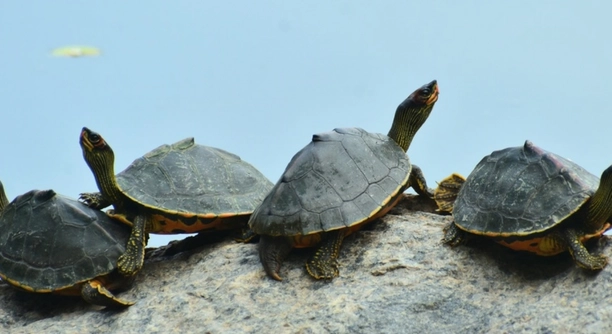
Shell rot in Indian Roofed Tortoises can cause serious health problems if left unchecked. Understanding the signs of shell rot is essential to ensuring your tortoise’s well-being and preventing further damage to their shell.
Shell rot is a bacterial or fungal infection that affects a tortoise’s shell, causing damage that can lead to pain and discomfort. Symptoms include soft spots, discoloration, and foul-smelling areas on the shell. Proper care and treatment are crucial.
Early detection and treatment can make a big difference in your tortoise’s recovery. Keep reading to learn how to spot the signs of shell rot and what steps you can take to help your pet heal.
What Is Shell Rot in Indian Roofed Tortoises?
Shell rot occurs when bacteria or fungi invade the shell of an Indian Roofed Tortoise, causing it to break down and deteriorate. This condition is harmful and painful for the tortoise, and can lead to severe health issues if not treated. The infection can result in soft, mushy patches on the shell, usually accompanied by a foul odor. The infected areas may appear discolored or sunken. This condition often arises from poor living conditions, such as excessive humidity, dirty habitats, or inadequate shell care. It’s important to monitor your tortoise regularly to catch signs of shell rot early.
Shell rot develops when the protective outer layers of the shell become compromised, allowing bacteria or fungi to thrive. Once the infection sets in, it becomes difficult to treat and can spread, potentially affecting the tortoise’s overall health. Proper care is key to preventing this issue.
If shell rot goes untreated, the infection can spread deeper into the shell, affecting the underlying bones. The damage becomes irreversible and may even lead to the death of the tortoise. Treating shell rot requires attention to detail and quick action to ensure your pet’s survival. If you spot early signs, take steps immediately to stop the infection from worsening.
Identifying the Early Signs of Shell Rot
Recognizing the early signs of shell rot can make a huge difference in saving your tortoise. Soft spots, discolored patches, and a foul odor are the most common signs of the infection.
Pay attention to the condition of your tortoise’s shell. Look for any irregularities such as yellow, brown, or black spots that appear to be rotting. The shell should be smooth and hard, so if it feels soft or mushy, it could be a sign of rot. These signs often appear near the edges or scutes of the shell. You may also notice that the tortoise becomes more lethargic or refuses to eat. If you see these symptoms, take immediate action.
The key to treating shell rot is early intervention. Once you notice soft, discolored spots or foul smells, you should take your tortoise to a vet as soon as possible. A veterinarian can diagnose the issue and recommend the right course of treatment, which may include cleaning, medication, and adjustments to the tortoise’s habitat. At home, maintaining a clean and dry environment is crucial for healing. Regularly inspect your tortoise’s shell to ensure it stays in good condition and free from infections.
Causes of Shell Rot in Indian Roofed Tortoises
Shell rot can result from various factors, including poor habitat conditions, inadequate diet, and injury. Dirty or damp environments provide the perfect breeding ground for bacteria and fungi. Additionally, a lack of proper UV light and humidity control can weaken your tortoise’s shell, making it more susceptible to infections.
To prevent shell rot, focus on maintaining a clean, dry, and well-regulated habitat. Ensure the enclosure has proper ventilation, temperature control, and appropriate humidity levels. Also, offer a balanced diet to support the tortoise’s overall health, as malnutrition can weaken its immune system and make it more vulnerable to infections. Avoid overcrowding and stress, which can also contribute to shell problems. Regularly clean the habitat and provide access to fresh water to keep the tortoise hydrated. If any injury occurs to the shell, treat it quickly to prevent infection.
In addition to maintaining a clean environment, make sure to handle your tortoise carefully. Accidental bumps or scratches can leave open wounds on the shell, providing a perfect entry point for bacteria. If your tortoise has been injured, disinfect the area and keep it dry until it heals. Regular health check-ups are also helpful in spotting potential issues before they worsen.
Treatment for Shell Rot in Indian Roofed Tortoises
Treating shell rot involves removing the infection and promoting healing. The first step is to clean the infected area thoroughly. You’ll need to carefully scrub the affected parts with a mild antiseptic or saline solution. Ensure that you dry the shell properly afterward.
Once cleaned, a veterinarian may apply a topical antifungal or antibacterial medication to the infected areas. You might also need to soak the tortoise in warm water with an antiseptic solution to further help cleanse the wound. During the treatment process, avoid exposing your tortoise to moisture or humidity, as this can worsen the condition. Keep the tortoise in a dry, warm, and clean area to prevent further infection. You may need to repeat this cleaning and medication routine for several weeks, depending on the severity of the rot.
In severe cases, the tortoise may need surgery to remove damaged or infected shell tissue. This is generally done under veterinary supervision and may require anesthesia. Post-surgery, the tortoise will need to be monitored closely for signs of healing, and the shell should be kept dry and clean. Recovery from shell rot can take time, so patience is important. Throughout the process, make sure the tortoise is eating properly and has access to fresh water to support its immune system during healing.
Preventing Shell Rot in Indian Roofed Tortoises
Prevention is the best way to keep your tortoise safe from shell rot. Ensuring a clean and dry environment is crucial, as is maintaining proper temperature and humidity levels. Regular shell inspections can help spot any issues before they get worse.
Providing your tortoise with a balanced diet is equally important. A diet rich in calcium and vitamin D3 supports shell health. Make sure they also have access to clean water and a safe space to roam. Regularly clean their habitat and avoid overcrowding, as stress can weaken their immune system and increase susceptibility to infections.
When to Seek Veterinary Help for Shell Rot
If you notice severe signs like deep wounds, spreading infection, or your tortoise becoming lethargic, seek veterinary care immediately. Delaying treatment can result in permanent damage to the shell or overall health.
A veterinarian will assess the severity of the rot and may recommend specific treatments, such as antibiotics, antifungal medication, or surgery. It’s essential to follow the vet’s guidance and continue with at-home care to ensure your tortoise heals fully. Don’t hesitate to reach out to a professional if the condition worsens.
FAQ
What causes shell rot in Indian Roofed Tortoises?
Shell rot is caused by bacteria or fungi entering the shell when it’s damaged or weakened. Poor living conditions such as high humidity, dirty enclosures, and insufficient sunlight can contribute to the development of the infection. Inadequate diet and stress can also make a tortoise more vulnerable. If the shell is injured, it becomes easier for harmful microorganisms to penetrate, leading to infection.
How can I tell if my tortoise has shell rot?
Look for signs like soft or mushy spots on the shell, discoloration (yellow, brown, or black), and a foul smell coming from the affected area. The shell may appear sunken in some places. A tortoise with shell rot may also seem lethargic or refuse food. Early detection is important to avoid further damage to the shell.
Can shell rot be prevented?
Yes, shell rot can be prevented by keeping your tortoise’s environment clean and well-maintained. Ensure proper ventilation, humidity, and temperature control. Regularly inspect your tortoise’s shell for any signs of injury or infection. Providing a nutritious diet rich in calcium and vitamins will help strengthen their shell and immune system. Keep the habitat dry and ensure the tortoise has access to clean water.
What should I do if I think my tortoise has shell rot?
If you notice any signs of shell rot, clean the affected area immediately with a mild antiseptic or saline solution. Keep your tortoise in a dry, warm, and clean environment. Schedule a visit to the vet for a proper diagnosis and treatment plan. Do not delay treatment, as shell rot can worsen over time.
How is shell rot treated?
Treatment typically involves cleaning the infected areas with an antiseptic solution, applying topical antifungal or antibacterial medications, and keeping the tortoise in a dry, sterile environment. Severe cases may require surgery to remove infected tissue. Follow the vet’s instructions closely to ensure the best possible outcome for your tortoise.
Can shell rot be cured?
Yes, shell rot can be cured with proper treatment. The earlier you catch it, the better the chances of full recovery. Treatment may take several weeks, and it’s crucial to follow all care instructions, including maintaining a clean and dry habitat. If caught in the early stages, your tortoise can make a full recovery and resume normal activity.
Can shell rot spread to other tortoises?
Yes, shell rot is caused by bacteria or fungi, which can spread if multiple tortoises are kept in the same space. To prevent the spread of infection, isolate the infected tortoise from others until it’s fully healed. Make sure to disinfect the habitat, particularly if the tortoise has been in close contact with others.
Is shell rot painful for my tortoise?
Yes, shell rot can be quite painful for your tortoise. The infection causes the shell to weaken and break down, which can lead to discomfort and stress. If left untreated, it can cause more severe damage and even affect the underlying bone structure of the shell. Treating shell rot promptly will reduce pain and prevent further harm.
Can shell rot affect the bone structure of the shell?
Yes, if left untreated, shell rot can spread beyond the outer layers of the shell, reaching the underlying bone. This can result in permanent damage to the tortoise’s shell. Early treatment is essential to prevent the infection from affecting the bones, which could lead to more complex and difficult-to-treat problems.
How long does it take for a tortoise to recover from shell rot?
The recovery time depends on the severity of the infection. Mild cases may take a few weeks to heal, while more severe cases could require several months. It’s important to be patient and provide consistent care throughout the recovery process. Follow the vet’s instructions and make sure the tortoise has a clean, stress-free environment to heal in.
Can I treat shell rot at home?
You can start by cleaning the affected area with a mild antiseptic and ensuring the tortoise is kept in a dry, clean, and warm environment. However, it’s always best to consult a veterinarian for professional treatment, especially if the condition seems serious. In some cases, a vet may need to apply medications or perform surgery to remove infected tissue.
How can I tell if the treatment is working?
You’ll know the treatment is working if the infected area starts to firm up, the discoloration reduces, and the foul smell goes away. Your tortoise should begin eating more and becoming more active. If the condition does not improve after a few weeks of treatment, or if it gets worse, consult your vet again for further guidance.
Can a tortoise die from shell rot?
If shell rot is left untreated, it can lead to severe infection that may affect the tortoise’s overall health and even become fatal. The infection can damage the shell and bones, cause internal problems, and lead to sepsis. Timely treatment greatly reduces the risk of serious complications, so early detection is key.
Are certain tortoises more prone to shell rot?
Tortoises living in conditions with poor hygiene, high humidity, or improper temperature regulation are more prone to shell rot. Additionally, younger tortoises with weaker immune systems may be more susceptible. Tortoises that are injured or stressed may also be more vulnerable. Providing proper care, a clean habitat, and a balanced diet will help reduce the risk for all tortoises.
Can shell rot affect other reptiles?
Yes, shell rot is not exclusive to tortoises. It can also affect other reptiles with hard shells, such as turtles. The cause of the infection and the treatment methods are similar, so if you have multiple reptiles, it’s important to monitor all of them for signs of shell rot and maintain a clean environment.
Final Thoughts
Shell rot is a serious condition that can affect the health of your Indian Roofed Tortoise, but it is preventable and treatable with the right care. Ensuring your tortoise has a clean and well-maintained living environment is one of the best ways to prevent shell rot from developing. Regularly inspecting your tortoise’s shell for any signs of infection, such as soft spots, discoloration, or foul smells, can help catch any issues early. The sooner you spot a problem, the easier it is to treat and prevent further complications. Keeping the habitat dry and controlling humidity levels are key steps in minimizing the risk of infection.
If shell rot does occur, it is important to act quickly. Treatment may involve cleaning the affected area, applying the right medication, and adjusting the environment to support healing. In some cases, if the condition is severe, a visit to the vet will be necessary for more advanced care, such as surgery or specialized medication. The most important part of treatment is making sure the tortoise is kept in a stress-free, clean, and dry environment to encourage healing. With the right care, many tortoises can fully recover from shell rot and continue to live healthy lives.
Ultimately, prevention is the best approach. By regularly checking on your tortoise, maintaining a clean habitat, and providing a balanced diet, you can significantly reduce the chances of shell rot developing. Staying informed about the symptoms and treatment options for shell rot allows you to address any issues quickly and effectively. Your tortoise’s health and comfort depend on the care you provide, so stay vigilant and proactive to ensure a long, healthy life for your pet.

Hello,
If you enjoy the content that we create, please consider saying a "Thank You!" by leaving a tip.
Every little bit helps us continue crafting quality advice that supports the health, happiness, and well-being of pets around the world, for pets of all shapes, sizes, and species.
We really appreciate the kindness and support that you show us!