
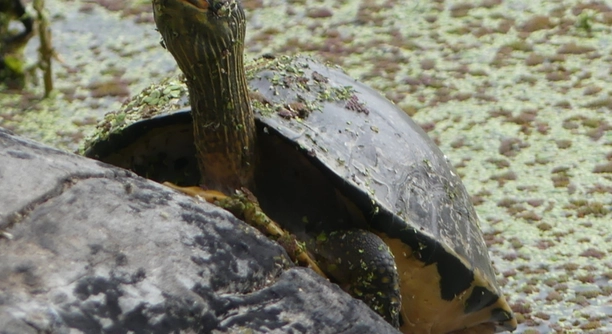
An Indian Roofed Tortoise needs a balanced diet to thrive, especially when it comes to keeping their immune system strong. Proper nutrition is key to ensuring they stay healthy and active throughout their life.
Providing a variety of nutrient-dense foods can help boost your Indian Roofed Tortoise’s immune system. These include leafy greens, high-fiber vegetables, and fruits, along with other natural food sources that support overall health and vitality.
A healthy diet can significantly impact your tortoise’s well-being. Let’s take a closer look at the best foods that can help boost its immune system and keep it strong and energetic.
Leafy Greens: The Foundation of a Healthy Diet
Leafy greens are essential for any tortoise, providing a wide range of nutrients that support their immune system. Options like dandelion greens, collard greens, and mustard greens are rich in vitamins and minerals. These vegetables are also high in fiber, which is vital for healthy digestion. Adding these greens to your tortoise’s diet ensures they receive necessary antioxidants that protect against diseases.
A steady supply of leafy greens can prevent deficiencies in your tortoise’s diet. The vitamins they provide, such as A, C, and K, all play a role in enhancing immunity.
Remember to feed these greens fresh and varied. Over time, your tortoise will begin to rely on them for overall health. To ensure they’re getting a balanced diet, mix in different greens regularly. Offering a variety prevents them from becoming bored and ensures they’re getting all necessary nutrients for their immune system. These greens are also easy to find, making them an accessible food choice for every tortoise owner.
Fruits: The Sweet Boost
Fruits can provide additional vitamins to your tortoise’s immune system. However, fruits should only be given occasionally in moderation.
Fruits like papaya, mango, and strawberries contain essential nutrients such as vitamin C, which plays a significant role in boosting immunity. These fruits also contain antioxidants that help combat free radicals in the body. While fruits can be beneficial, they must be offered sparingly to avoid overfeeding sugar, which could cause digestive issues.
High-Fiber Vegetables: Crucial for Digestion and Health
High-fiber vegetables like zucchini, bell peppers, and squash play a significant role in supporting your tortoise’s digestive system. These vegetables also provide a good balance of nutrients needed for overall health. Offering a variety of high-fiber options ensures that your tortoise gets the best possible nutrition.
These vegetables are low in calories but packed with vitamins, which help boost the immune system and improve digestion. The high fiber content encourages proper bowel movements, preventing constipation. If your tortoise is healthy on the inside, it shows in its energy and appearance. It’s a simple, yet vital part of their diet.
Providing a mix of high-fiber vegetables will help your tortoise stay strong and active. These foods, while simple, can make a big difference in their overall health. A consistent supply of these vegetables helps to keep your tortoise’s immune system working at its best, so they feel vibrant and ready to explore.
Flowers: Natural Immunity Boosters
Adding edible flowers to your tortoise’s diet offers another natural way to boost their immunity. Flowers such as hibiscus, dandelions, and clover are rich in essential nutrients and antioxidants, supporting your tortoise’s immune system and overall well-being.
Not only do flowers provide a colorful addition to your tortoise’s meals, but they also serve as a natural source of vitamins, minerals, and fiber. Hibiscus, for example, is full of vitamin C, which is known for its role in enhancing immune function. The antioxidants found in these flowers help to fight off free radicals, ensuring your tortoise remains healthy.
Offering flowers to your tortoise can be an enjoyable experience for both you and them. You can collect these flowers fresh from your garden or purchase them from trusted sources. Make sure they are pesticide-free and safe for consumption, as some flowers can be toxic to tortoises. Always offer a variety of safe, edible flowers to ensure balanced nutrition.
Dark Leafy Greens: A Powerhouse of Nutrients
Dark leafy greens like kale and spinach are packed with vitamins A and C, both of which are vital for strengthening your tortoise’s immune system. These greens also contain essential minerals like calcium and magnesium, which help in bone health and overall vitality.
These greens can be added to your tortoise’s diet regularly, ensuring they get enough nutrition to stay strong and healthy. However, spinach should be offered in moderation due to its high oxalate content, which can interfere with calcium absorption. Mixing these dark greens with other vegetables will create a well-rounded diet.
Cactus Pads: A Hydrating Treat
Cactus pads are an excellent food option for your tortoise. They are rich in moisture, making them an excellent hydrating option.
Cactus pads are high in fiber, which aids digestion, and they also provide a healthy dose of vitamin A and other nutrients. When preparing cactus pads, ensure they are properly cleaned and free of thorns. They can be cut into manageable pieces for your tortoise to enjoy easily. This occasional addition to their diet can boost hydration levels and provide essential vitamins.
Protein Sources: Supporting Growth and Repair
Including occasional protein sources such as boiled eggs or earthworms in your tortoise’s diet is beneficial for supporting their immune system. These proteins help with tissue repair and muscle development.
While protein is important, it should be offered in small amounts, as tortoises are primarily herbivores. Too much protein can lead to health problems like shell deformities or kidney strain. Offering small amounts of protein every few weeks will ensure your tortoise receives enough for growth and immune support.
FAQ
How often should I feed my Indian Roofed Tortoise high-fiber vegetables?
High-fiber vegetables should be a daily part of your tortoise’s diet. You can offer them once or twice a day, depending on the specific needs of your tortoise. Regular intake of high-fiber foods, such as zucchini, bell peppers, and squash, supports digestion and helps maintain a healthy gut. Make sure to provide a variety to keep the diet interesting and to ensure your tortoise gets a broad range of nutrients.
Can I feed my tortoise fruit every day?
Fruits should be offered in moderation, about once or twice a week. Although fruits like papaya and mango are high in beneficial vitamins like vitamin C, they also contain natural sugars. Too much sugar can upset your tortoise’s digestive system and lead to weight gain. Balance fruit intake with other types of food, ensuring that vegetables and leafy greens make up the bulk of their diet.
Are flowers safe for my tortoise to eat?
Yes, many flowers are safe and nutritious for tortoises, such as dandelions, hibiscus, and clover. These flowers provide essential vitamins, minerals, and antioxidants. However, it is important to avoid flowers that may have been treated with pesticides or chemicals. Always make sure the flowers you offer are safe and edible. Fresh, pesticide-free flowers from your garden or trusted sources are the best options.
Can I feed my tortoise protein regularly?
Protein should be included in your tortoise’s diet occasionally. While some tortoises eat small amounts of animal protein in the wild, they are primarily herbivores. Offering protein-rich foods like boiled eggs, insects, or earthworms once every two weeks is sufficient. Too much protein can cause kidney strain or shell deformities, so moderation is key.
Is it okay to feed my tortoise spinach?
Spinach can be fed to your tortoise, but only in moderation. It is high in oxalates, which can bind to calcium and prevent proper absorption. This can lead to potential calcium deficiencies over time. Instead of making spinach a regular part of your tortoise’s diet, offer it once or twice a week and mix it with other greens to ensure a well-rounded nutrient profile.
How can I keep my tortoise’s diet interesting?
To keep your tortoise’s diet exciting and healthy, rotate different types of greens, vegetables, fruits, and flowers. Try adding variety by offering different textures and colors, such as soft leaves, crunchy vegetables, or brightly colored flowers. Mixing up their meals helps provide a well-rounded nutrient intake, and your tortoise will enjoy exploring new flavors.
Can I feed my tortoise iceberg lettuce?
Iceberg lettuce should be avoided in your tortoise’s diet. It contains little to no nutritional value and can cause diarrhea due to its high water content. Instead, stick to more nutrient-dense leafy greens like romaine lettuce, dandelion greens, and collard greens, which offer the vitamins and minerals your tortoise needs for optimal health.
How much water does my tortoise need?
Tortoises need constant access to fresh water, but the amount they drink varies. Some tortoises prefer to hydrate through their food, especially if they are given high-water-content foods like cactus pads. However, you should still provide a shallow water dish that is easily accessible for drinking and soaking. Make sure the water is changed daily to prevent bacteria build-up.
Can I feed my tortoise seeds or nuts?
Seeds and nuts are not ideal for tortoises. They can be too high in fat and may lead to digestive problems. Most seeds also contain high amounts of protein or oils, which are not suitable for a tortoise’s diet. Stick to fresh greens, vegetables, and fruits for the best health benefits.
Are there any foods I should avoid feeding my tortoise?
Yes, some foods are toxic to tortoises. Avoid feeding your tortoise foods like avocado, rhubarb, onions, garlic, and anything with high oxalates (such as beet greens) in large quantities. Also, avoid feeding them high-fat or processed foods, as these can cause serious health issues over time. Always research any new food you’re unsure about before feeding it to your tortoise.
How can I tell if my tortoise’s diet is balanced?
A balanced diet for your tortoise will include a variety of vegetables, fruits (in moderation), and occasional protein. Your tortoise should have a healthy weight, an active lifestyle, and a smooth, firm shell. If your tortoise shows signs of lethargy, a poor appetite, or an unhealthy shell, it could be a sign that their diet needs adjusting. Always monitor their overall health and consult with a veterinarian if you have concerns.
Should I feed my tortoise grass?
Grass can be a great addition to your tortoise’s diet, but it should be free from chemicals, pesticides, and fertilizers. You can offer fresh, untreated grass from your garden or safe grass varieties that are sold for tortoises. Grass provides a source of fiber and essential nutrients that help in digestion and overall health. Just make sure it’s fresh and free from harmful substances.
How do I know if I’m feeding my tortoise the right amount of food?
The amount of food you feed your tortoise depends on its size and age. Generally, you should feed them enough food to cover their shell but not overfill their plate. You can start by offering food once a day and adjust based on how much your tortoise consumes. If they are consistently leaving food behind, reduce the portion size. If they are eating everything, try increasing the amount slightly. Always ensure their diet is varied to avoid nutrient imbalances.
Final Thoughts
Feeding your Indian Roofed Tortoise a balanced and nutritious diet is essential for its health and well-being. A combination of leafy greens, high-fiber vegetables, fruits, and occasional protein will provide the necessary nutrients to strengthen its immune system. It’s important to vary the foods to keep your tortoise’s meals interesting and to ensure they get all the vitamins, minerals, and fiber they need. By offering a wide range of fresh, safe foods, you can help support your tortoise’s immune system, promote growth, and prevent health issues.
As with any pet, understanding what your tortoise needs in its diet can make a big difference in its overall health. Offering high-quality foods, while avoiding dangerous items like iceberg lettuce or toxic plants, ensures that your tortoise stays strong and active. Remember that moderation is key, especially when it comes to fruits and proteins. Too much of either can lead to health issues such as digestive problems or obesity. On the other hand, providing too little variety can result in nutrient deficiencies over time. It’s all about balance.
In addition to a proper diet, always ensure your tortoise has access to clean water, a comfortable environment, and opportunities for exercise. Monitoring your tortoise’s overall health, appearance, and energy levels will give you clues about whether its diet is working well. If you notice any signs of lethargy, poor appetite, or changes in its shell, consider consulting with a veterinarian. With the right care, you can help your Indian Roofed Tortoise live a long, healthy, and happy life.

Hello,
If you enjoy the content that we create, please consider saying a "Thank You!" by leaving a tip.
Every little bit helps us continue crafting quality advice that supports the health, happiness, and well-being of pets around the world, for pets of all shapes, sizes, and species.
We really appreciate the kindness and support that you show us!