
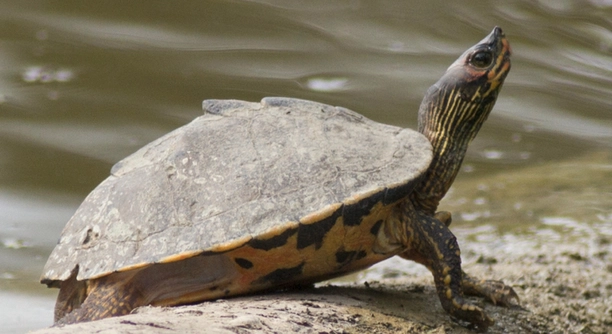
Lighting is essential for the well-being of Indian Roofed Tortoises. However, many common mistakes can negatively affect their health. In this article, we’ll highlight these lighting errors and offer advice on how to correct them for your pet’s comfort.
Incorrect lighting can harm your Indian Roofed Tortoise by disrupting their natural behavior and biological functions. Insufficient UVB light, improper heat sources, and poor light placement can lead to health issues such as shell deformities and weakened immune systems.
Taking a few simple steps to improve lighting conditions can drastically enhance your tortoise’s quality of life. Understanding the correct light setup will help you provide your pet with a healthier, more comfortable environment.
Mistake 1: Not Providing Enough UVB Light
UVB light is crucial for your Indian Roofed Tortoise’s health. Without it, they can develop serious problems like metabolic bone disease. UVB light helps them process calcium, which is essential for healthy bones and a strong shell. In nature, tortoises get UVB from sunlight. If you’re not using a proper UVB bulb, they won’t get the needed exposure, even if they’re outside. The right UVB light should cover most of their habitat and be positioned properly so that they can bask under it comfortably.
An inadequate UVB setup can lead to weakened bones and even shell deformities. Ensure the light is of the proper intensity and is positioned at the right distance. Don’t rely on just regular light bulbs, as they don’t emit UVB rays.
If you notice your tortoise becoming lethargic or having trouble moving around, it’s a sign that something might be wrong with their lighting. A quick adjustment to their UVB lighting could make a big difference. Over time, you’ll see positive changes in their health and activity levels.
Mistake 2: Using the Wrong Heat Source
The heat source you choose for your tortoise is just as important as UVB lighting. Too much heat can lead to overheating, while too little can leave them cold and stressed. Many tortoises thrive at a temperature range between 85°F to 90°F during the day.
It’s vital to use a heat lamp that is appropriate for their size and habitat. An overly powerful lamp can create hot spots, causing burns, while a weak one may not provide enough warmth for digestion and other essential functions.
By ensuring the heat is distributed evenly across the enclosure and maintaining a consistent temperature gradient, you’ll be able to support your tortoise’s health effectively. Invest in a good thermostat to avoid overheating and underheating issues.
Mistake 3: Incorrect Light Placement
Placing the light too high or too low can prevent your tortoise from getting the benefits they need. UVB light should be placed at an appropriate distance so they can bask comfortably underneath it. Too far, and the light won’t be effective; too close, and it might be overwhelming.
The optimal distance for most UVB lights is around 6 to 12 inches from the basking area. This allows the light to cover a sufficient area without being too intense. Also, make sure the heat source is positioned to create a gradient of temperatures across the enclosure so your tortoise can move between warmer and cooler spots.
Monitoring your tortoise’s behavior after adjusting the lighting setup can help you find the right position. If they spend too much time hiding, the light may be too harsh, or if they avoid basking entirely, it may be too weak. These small adjustments go a long way in keeping your tortoise healthy.
Mistake 4: Using Non-Specialized Bulbs
Standard light bulbs won’t cut it when it comes to your tortoise’s needs. Regular light bulbs only emit visible light and lack the UVB rays necessary for your tortoise’s well-being. Special UVB bulbs are specifically designed to meet the needs of reptiles like the Indian Roofed Tortoise.
It’s essential to choose bulbs designed for reptiles. These bulbs come in various strengths, so it’s important to pick one that matches your tortoise’s habitat size. Be sure to check the wattage and UVB output. Some bulbs offer both UVB and heat, while others provide just UVB, so you may need additional heating elements to maintain the right temperature.
Using the wrong type of bulb can lead to long-term health problems. UVB bulbs lose their effectiveness over time, so they need to be replaced every 6-12 months. Keeping track of when you installed the bulb ensures that it will continue to provide the necessary UVB exposure for your tortoise.
Mistake 5: Not Adjusting Lighting for Seasonal Changes
As the seasons change, so should your tortoise’s lighting. During winter months, there’s less natural sunlight, so it’s important to adjust the artificial light accordingly. This helps maintain a consistent environment for your tortoise’s health.
During the cooler months, ensure the temperature stays within the ideal range by adjusting the heat source. You may need to increase the duration of UVB exposure or use additional heat lamps. A seasonal change can also affect your tortoise’s activity levels, so having the right lighting setup will ensure they stay active and healthy.
Keeping a consistent routine, especially with lighting, will prevent your tortoise from becoming lethargic or stressed. Small adjustments to the lighting and heating will help mimic the natural changes in sunlight, creating a more comfortable environment for your pet.
Mistake 6: Overusing Heat Lamps
Heat lamps are an essential part of creating a warm environment for your tortoise, but overuse can lead to dehydration and stress. It’s crucial to avoid using heat lamps for prolonged periods.
Keeping the heat on for too long can cause temperature extremes in your tortoise’s habitat. This could lead to them becoming overheated or dehydrated. Ensure you are using a timer or thermostat to regulate the heat source. Allowing the temperature to fluctuate naturally during the day and night is beneficial for your tortoise’s health.
Mistake 7: Ignoring Light Bulb Lifespan
UVB bulbs lose their effectiveness over time, even if they’re still emitting visible light. It’s easy to overlook the need for replacement, but it’s an important part of keeping your tortoise healthy.
Ensure you’re replacing the bulbs on schedule—typically every 6-12 months, depending on the type. Regularly check the manufacturer’s guidelines to make sure the bulb is working at full capacity. Not doing so can lead to health problems like calcium deficiencies and weak bones, which are avoidable with regular maintenance.
FAQ
How long should I keep the lights on for my Indian Roofed Tortoise?
For optimal health, the lights should be on for about 10 to 12 hours a day. This mimics the natural daylight cycle and ensures your tortoise gets the right amount of UVB and heat exposure. During the night, the lights should be turned off to allow a proper sleep cycle. Using a timer to automate the light schedule is helpful and prevents the lights from being left on too long, which can disrupt your tortoise’s natural rhythm. Keep in mind that the light duration might vary slightly with the seasons, so adjust as necessary.
What type of UVB bulb is best for an Indian Roofed Tortoise?
The best UVB bulb for your tortoise should emit UVB rays in the range of 5-10%. Look for bulbs specifically designed for reptiles, as they will provide the correct wavelength needed to support calcium absorption and prevent bone disease. Linear fluorescent bulbs are a popular choice, but there are also compact bulbs available. When choosing, consider the size of the habitat to ensure the UVB rays cover the basking area. Make sure to replace the bulb every 6-12 months, as its UVB output weakens even if it still emits visible light.
Can I use a regular light bulb instead of a UVB bulb?
No, regular light bulbs do not provide the UVB rays your tortoise needs. They only emit visible light, which does not help in calcium absorption. For your tortoise’s health, it’s essential to use a UVB bulb. Regular bulbs will not contribute to their overall well-being and may cause issues like metabolic bone disease. Ensure that the UVB bulb you choose is specifically designed for reptiles and provides the correct intensity for your tortoise’s enclosure.
Should I have a separate heat lamp for my tortoise?
Yes, it’s a good idea to use a separate heat lamp in addition to the UVB light. The heat lamp will provide the necessary warmth that your tortoise needs to regulate its body temperature. The basking area should be around 85-90°F during the day. This heat is crucial for digestion and general activity levels. It’s also important to provide a gradient of temperatures across the enclosure, so your tortoise can move between cooler and warmer areas as needed.
How far should the UVB bulb be from the tortoise?
The UVB bulb should typically be placed 6 to 12 inches above the basking spot. This allows your tortoise to bask under the UVB light while still receiving the proper intensity without overheating. If the bulb is too far, the UVB exposure may be ineffective; if it’s too close, the heat may become too intense, causing discomfort or harm. Always check the manufacturer’s guidelines for the specific UVB bulb you’re using, as some may have different recommendations based on their strength.
Can my tortoise get enough UVB if they spend time outside?
While natural sunlight provides excellent UVB exposure, outdoor time may not always be enough for your tortoise. It depends on the weather, time of day, and where they are placed. If you’re in an area with limited sun or harsh weather conditions, it’s best to rely on artificial UVB lights indoors to ensure they get adequate exposure. If you do take them outside, make sure they’re in a secure, safe area where they can bask in the sun without being at risk from predators or extreme temperatures.
What’s the best temperature for an Indian Roofed Tortoise’s enclosure?
Your tortoise’s enclosure should have a temperature gradient, with the basking area around 85-90°F and a cooler side around 70°F. At night, the temperature should drop to around 65-70°F. Maintaining this temperature range ensures your tortoise can regulate its body temperature and stay active. Make sure to monitor the temperature regularly with a thermometer to ensure consistency. Overheating or being too cold can lead to stress and health issues, so maintaining this balance is key to your tortoise’s well-being.
Can I use one bulb for both UVB and heat?
Yes, there are UVB bulbs available that also emit heat. These all-in-one bulbs are convenient, but you should still ensure they provide the correct level of UVB and heat for your tortoise. If the bulb doesn’t provide enough heat, you may need a separate heat lamp. If it doesn’t emit enough UVB, you’ll have to add another UVB source. When using a combined bulb, always check its specifications to ensure it meets the needs of your tortoise’s environment.
How often should I replace the UVB bulb?
UVB bulbs lose their effectiveness over time, even if they’re still emitting light. It’s important to replace them every 6-12 months, depending on the type of bulb. Fluorescent UVB bulbs tend to lose their UVB output more quickly than incandescent bulbs, so be mindful of the bulb’s age. To avoid health problems like calcium deficiency, replace the bulb on schedule, even if it still looks like it’s working. Keeping track of when the bulb was installed and setting a reminder can help you stay on top of the replacement schedule.
Is it necessary to use a UVB light if my tortoise is outside?
While outdoor time can provide some natural UVB exposure, it’s still a good idea to use a UVB light indoors. Natural sunlight can be inconsistent due to factors like weather, cloud cover, or time of day, which may result in insufficient UVB exposure. If your tortoise spends a lot of time outside, be sure to bring them in for some UVB lighting indoors to ensure they are getting enough exposure consistently. A reliable UVB light indoors can help prevent bone health issues and support proper metabolism.
Final Thoughts
Lighting plays a significant role in the health and well-being of your Indian Roofed Tortoise. Getting it right can make all the difference in ensuring that your tortoise remains active, healthy, and free from common health issues like metabolic bone disease. Proper UVB lighting, the correct heat source, and proper placement are all essential to mimic the natural conditions your tortoise would experience in the wild. With the right setup, you’ll be able to provide your tortoise with a comfortable, safe environment that promotes good health.
It’s important to remember that tortoises need both UVB light and heat to thrive. UVB helps them absorb calcium, which is vital for strong bones and a healthy shell. Heat, on the other hand, helps regulate their metabolism and allows them to digest food properly. Without either of these elements, your tortoise’s health can quickly decline. By ensuring that your lighting system is both effective and safe, you’re taking an important step in creating an environment where your tortoise can flourish.
While the setup might seem complex, it’s manageable with a little knowledge and attention to detail. Make sure to regularly check the condition of your bulbs and adjust the lighting as needed based on the seasons. By doing so, you can avoid many of the common mistakes that harm your tortoise’s health. Creating the right environment is the key to a long, healthy life for your Indian Roofed Tortoise.

Hello,
If you enjoy the content that we create, please consider saying a "Thank You!" by leaving a tip.
Every little bit helps us continue crafting quality advice that supports the health, happiness, and well-being of pets around the world, for pets of all shapes, sizes, and species.
We really appreciate the kindness and support that you show us!