
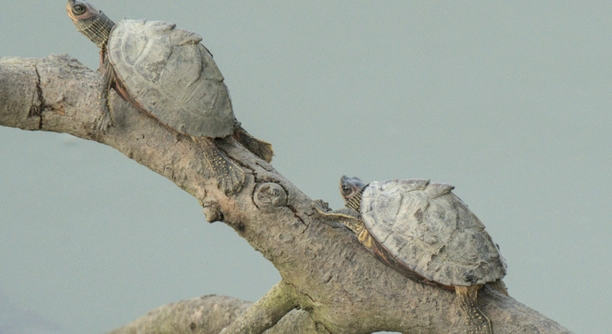
Your Indian Roofed Tortoise is a unique pet, and understanding its needs is important for its well-being. Knowing when your tortoise needs medical attention can help you take care of it better.
The signs that your Indian Roofed Tortoise may need a vet visit include changes in appetite, behavior, shell condition, or breathing. If any of these seem abnormal or cause concern, it’s important to seek professional veterinary advice.
Taking care of your tortoise’s health is essential for its long-term happiness. We’ll guide you on how to spot warning signs that may require medical attention.
Understanding the Signs of Illness in Your Indian Roofed Tortoise
Recognizing when your Indian Roofed Tortoise is unwell can be tricky. They are generally quiet animals, and signs of discomfort may not always be obvious. However, changes in their behavior or physical appearance can provide clues. If your tortoise is eating less, hiding more, or seems lethargic, it’s essential to take a closer look. Pay attention to any unusual changes in its shell, skin, or breathing patterns. These can indicate underlying health issues. Even slight changes in how your tortoise moves or reacts to its environment might be a sign that something is wrong. By staying vigilant, you can catch potential problems early and ensure your tortoise’s well-being.
The key to ensuring your tortoise stays healthy is paying attention to any unusual behavior. If your tortoise seems to be acting differently than usual, it’s best to consult a vet.
Routine checkups are crucial in preventing illness. While some signs are obvious, others are subtler and harder to detect. Regular visits to the vet ensure your tortoise stays healthy, helping you avoid major health problems before they arise. Keeping your pet in a clean, properly heated environment will also support its overall well-being.
Shell Health and What It Tells You
Shell problems are one of the most noticeable signs that your tortoise may be ill. If you notice any soft spots, cracks, or unusual discoloration on its shell, it’s essential to seek veterinary attention. A healthy shell is hard, smooth, and evenly colored. Shell damage or changes in its appearance may indicate infection, improper diet, or environmental issues. Additionally, a soft or deformed shell can be a sign of calcium deficiency, which is common in tortoises that do not receive the right nutrition.
If you’re unsure whether your tortoise’s shell is in good condition, a simple test can help. Gently press on the shell to check for softness or pliability. If it feels soft or rubbery, it’s a sign that something isn’t right.
Your tortoise’s shell plays an essential role in its protection. Keeping it in top condition requires proper care and attention to its habitat. Be sure to provide the right diet, including foods rich in calcium and UV light exposure, to maintain its health.
Changes in Appetite and Eating Habits
A loss of appetite can signal health issues in your tortoise. If your pet stops eating or seems to be nibbling less frequently, it could indicate digestive problems, stress, or illness. Monitoring its eating habits regularly is essential for spotting any early signs of distress.
Tortoises are typically good eaters, and changes in their eating habits should not be ignored. If your tortoise refuses its regular food or doesn’t eat for more than a day or two, it may be dealing with a hidden issue. Stress from a change in environment, temperature, or diet could affect its appetite.
To encourage eating, try offering different food types. Sometimes, a change in texture or flavor can stimulate interest. However, if the problem persists, a vet should assess the tortoise to rule out serious conditions like parasites or organ issues.
Breathing Issues and Respiratory Problems
Respiratory problems in tortoises can present as wheezing, nasal discharge, or labored breathing. These signs indicate possible infections or other issues in the respiratory tract. Always watch for irregularities in breathing, as untreated respiratory infections can worsen quickly.
Tortoises are vulnerable to respiratory infections, especially if their environment is too cold or damp. You might notice your pet’s nose running or hear a clicking sound when it breathes. These signs should not be ignored, as they could be early indicators of more severe health problems.
To prevent respiratory infections, maintain a warm, dry habitat for your tortoise. Proper ventilation is also essential for preventing mold and bacteria growth. If your tortoise displays any signs of respiratory distress, immediate vet consultation is necessary for proper diagnosis and treatment.
Abnormal Behavior or Lethargy
If your tortoise becomes unusually inactive, it could be a sign of illness. Tortoises are generally slow-moving, but they should still be active and alert in their environment. Lethargy might indicate an underlying health issue, such as dehydration or an infection.
Tortoises are known for being calm and reserved, but they should still show interest in their surroundings. If your pet seems excessively tired, stops moving around, or avoids exploring, it could mean something is wrong. Lethargy combined with other symptoms like poor appetite or respiratory issues requires attention.
Changes in Shell Shape or Texture
A change in the shape or texture of your tortoise’s shell is concerning. Healthy shells are hard, smooth, and evenly colored. If you notice cracks, soft spots, or swelling, these could indicate serious health problems like infections or calcium deficiency.
Soft shells can occur when tortoises aren’t getting enough calcium or UV light. Improper humidity or a poor diet can also contribute to shell deformities. If you see any changes in your tortoise’s shell, it’s important to consult a vet to avoid long-term damage.
Dehydration and Its Symptoms
Dehydration is a common problem for tortoises, especially in dry or hot environments. If your tortoise isn’t drinking water regularly or seems lethargic, dehydration could be the cause. Dry, wrinkled skin and sunken eyes are clear signs of dehydration.
Maintaining a consistent water supply and offering soaking sessions can help prevent dehydration. Proper humidity levels are also important for your tortoise’s overall health. If dehydration continues despite these efforts, take your pet to the vet for treatment and advice.
FAQ
How can I tell if my Indian Roofed Tortoise is sick?
Signs that your Indian Roofed Tortoise may be sick include changes in appetite, behavior, or shell condition. If your tortoise refuses to eat, seems lethargic, has runny eyes or nose, or displays changes in the texture or color of its shell, it may be unwell. Also, any difficulty breathing or excessive hiding are clear indicators that something is wrong. It’s important to keep an eye on these signs and seek veterinary advice if you notice anything unusual.
What should I do if my tortoise stops eating?
If your tortoise stops eating, first check its environment. Make sure the temperature, humidity, and lighting are correct. Sometimes, stress from a change in environment or diet can cause a loss of appetite. Offer different food types like leafy greens or fruits to encourage eating. If the loss of appetite lasts more than a couple of days, or if your tortoise shows other signs of illness, contact a vet. Long-term refusal to eat can lead to dehydration and malnutrition, so it’s important to address it quickly.
What temperature should my tortoise’s habitat be?
Indian Roofed Tortoises thrive in warm environments. The basking area should be around 95°F (35°C), while the cooler side of the enclosure can range from 75°F to 80°F (24°C to 27°C). It’s essential to provide a heat source, like a heat lamp, and a UVB light for proper calcium absorption. Keeping a thermometer in the enclosure will help you monitor the temperature. If the temperature is too low, your tortoise may become sluggish or ill.
How often should I feed my tortoise?
Your Indian Roofed Tortoise should be fed daily, although the amount of food can vary based on its age. Hatchlings and juveniles should have more frequent meals, while adults can be fed every other day. Offer a variety of leafy greens, flowers, and fruits, along with a calcium supplement to ensure they get the right nutrients. Avoid feeding them too much high-fat food like fruits, as this can lead to obesity.
Is it okay to handle my tortoise often?
While it’s okay to handle your tortoise occasionally, frequent handling should be avoided as it can cause stress. Tortoises are not naturally inclined to interact with humans in the same way some other pets do. Too much handling can make your tortoise anxious or impact its health negatively. Instead, focus on providing a stable, comfortable environment for your tortoise to explore at its own pace. Only handle your pet when necessary, such as during cleaning or health checks.
Why does my tortoise hide so much?
Hiding is a natural behavior for tortoises, especially if they are feeling stressed or unwell. They may seek shelter in their enclosure to rest or avoid harsh lighting. If your tortoise hides excessively, it could be a sign of illness or discomfort. Check the habitat to ensure the temperature, humidity, and lighting are appropriate. Also, consider whether any environmental changes, like loud noises or a change in surroundings, may be stressing your pet. If the hiding continues with other symptoms, contact a vet.
What kind of substrate is best for my tortoise’s habitat?
The substrate you use in your tortoise’s habitat should be absorbent and allow for burrowing. Some good options are coconut coir, organic topsoil, or a mixture of sand and soil. Avoid using pine or cedar wood shavings, as these can be harmful to your tortoise. The substrate should be deep enough to allow the tortoise to dig and hide if needed. Keeping the substrate clean is crucial to avoid bacterial growth and odor.
How do I know if my tortoise is dehydrated?
Signs of dehydration in your tortoise include sunken eyes, dry or wrinkled skin, lethargy, and a lack of urination. If you suspect dehydration, make sure your tortoise has access to fresh water at all times. You can also offer a soak in warm water to encourage drinking and rehydration. If your tortoise’s condition doesn’t improve or if it’s severely dehydrated, a visit to the vet is necessary.
Can my tortoise eat fruits and vegetables?
Yes, your Indian Roofed Tortoise can eat a variety of fruits and vegetables, but moderation is key. Leafy greens such as collard greens, dandelion greens, and kale should make up most of its diet. Fruits like strawberries, melon, and apple slices can be given occasionally as treats. Avoid feeding your tortoise citrus fruits, as they can upset its digestive system. Make sure to wash all food thoroughly before offering it to your pet.
How can I prevent shell rot?
Shell rot is often caused by bacteria or fungi entering through cracks or injuries in the shell. To prevent shell rot, ensure your tortoise’s environment is clean, dry, and well-ventilated. Avoid high humidity levels that promote bacterial growth and ensure your pet has access to UVB lighting for proper shell health. If you notice any soft spots or discoloration on the shell, contact a vet promptly to prevent further damage.
How often should I take my tortoise to the vet?
It’s a good idea to take your Indian Roofed Tortoise for a check-up once a year. Regular vet visits allow the vet to monitor your tortoise’s overall health, including shell condition, weight, and general well-being. If your tortoise shows any signs of illness, such as changes in behavior, appetite, or shell condition, it’s important to take it to the vet as soon as possible. Regular check-ups can help catch potential health issues early.
Why does my tortoise have a runny nose?
A runny nose in your tortoise could be a sign of a respiratory infection. This is often caused by environmental factors like inadequate temperature or humidity levels. A persistent runny nose should not be ignored, as it could lead to more serious issues like pneumonia. If you notice nasal discharge, check your tortoise’s environment and take it to a vet for an evaluation.
Final Thoughts
Taking care of an Indian Roofed Tortoise involves more than just providing food and water. It requires regular observation and attention to detail to make sure that the environment is suitable for its health. Small changes in behavior or appearance can indicate bigger health issues, so it’s crucial to remain vigilant. Being proactive by checking the temperature, humidity, and overall habitat regularly can prevent many common health problems. A proper diet, consistent light exposure, and the right environment play significant roles in maintaining your tortoise’s well-being.
It’s also important to remember that not all signs of illness are immediately obvious. A tortoise might seem fine one day and then show signs of distress the next. By understanding what constitutes normal behavior, it becomes easier to spot something that isn’t right. Always pay attention to changes in eating habits, activity level, shell condition, and any potential signs of respiratory issues. Early detection can make a big difference when it comes to getting timely medical help. If you’re ever unsure, it’s always better to consult a veterinarian than wait for things to worsen.
Ultimately, caring for your tortoise is about being patient and attentive. These animals can live for many years, and with the right care, they can be happy and healthy throughout their lives. By regularly monitoring their health, ensuring their environment is suitable, and providing proper nutrition, you can prevent most common health issues. Your Indian Roofed Tortoise will thrive, and with the knowledge gained about its needs, you’ll be more equipped to offer it the best care possible.

Hello,
If you enjoy the content that we create, please consider saying a "Thank You!" by leaving a tip.
Every little bit helps us continue crafting quality advice that supports the health, happiness, and well-being of pets around the world, for pets of all shapes, sizes, and species.
We really appreciate the kindness and support that you show us!