
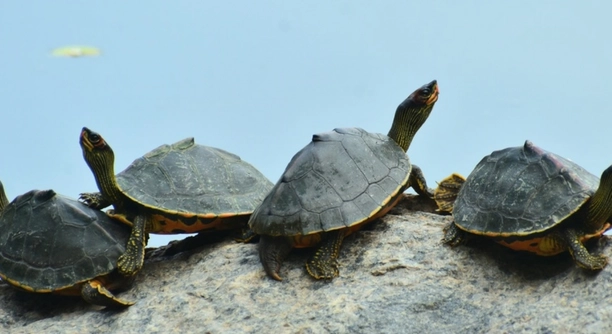
Indian roofed tortoises are fascinating pets, but like all reptiles, they can experience health problems. One common issue among these creatures is eye problems, which can affect their overall well-being. Understanding the causes can help with early detection.
Eye issues in Indian roofed tortoises can arise from a variety of factors, including poor diet, environmental stress, improper humidity levels, and infections. It is essential to monitor their living conditions closely to prevent such problems.
Addressing eye problems early can lead to better outcomes for your tortoise’s health. Recognizing the signs and understanding the causes will help you take steps to protect your pet from long-term damage.
Poor Diet and Nutritional Deficiencies
One of the leading causes of eye problems in Indian roofed tortoises is an imbalanced diet. A lack of essential nutrients like vitamin A can lead to issues such as swollen eyes or cloudy vision. Tortoises need a varied diet, including leafy greens, vegetables, and occasional fruit. Without the right balance of vitamins, their immune system can weaken, leaving them more vulnerable to infections and eye troubles.
Tortoises also rely on proper calcium and phosphorus levels for healthy eye function. An insufficient amount of calcium can lead to more than just shell problems. Eyes, too, may show signs of distress, including discharge or swelling.
It’s crucial to make sure that their food is rich in these vital nutrients. A proper diet is not only about keeping their eyes healthy but also supporting their overall well-being. Giving them the right food helps prevent eye problems and improves their life quality. Always consult a vet for specific dietary recommendations to keep them thriving.
Poor Environmental Conditions
Environmental factors like lighting and humidity play a huge role in the health of Indian roofed tortoises. If they don’t have access to proper UVB lighting or a suitable humidity level, their eyes can start to show signs of infection or dryness.
Maintaining the right temperature and humidity levels in their enclosure is essential. The humidity should stay between 60% to 80% to prevent dehydration and eye problems. Without the proper conditions, they may become stressed, affecting their immune system and making them prone to infections, including eye issues. Regularly cleaning the enclosure to avoid bacterial buildup will also help maintain their health.
Eye Infections
Eye infections are common among Indian roofed tortoises. These infections can occur when bacteria or fungi enter the eye due to poor hygiene or environmental factors. Signs of an eye infection include swelling, discharge, or the tortoise constantly rubbing its eyes.
If the infection is not treated, it can worsen and affect the tortoise’s vision. Bacterial infections are often treated with antibiotics prescribed by a vet. Fungal infections may require antifungal medication. To prevent eye infections, ensure the enclosure is clean, and the tortoise is kept in a well-maintained environment. Regularly check their eyes for any signs of infection to catch problems early.
Routine care, including cleaning the eyes gently with warm water if necessary, can help keep infections at bay. If the eye infection persists, it’s essential to consult a veterinarian for proper treatment. Keeping the living space clean and dry is key in preventing future infections.
Dryness or Dehydration
Dehydration is another issue that can cause eye problems in tortoises. When a tortoise doesn’t get enough water, its eyes may become dry, leading to irritation and swelling. Signs of dehydration include sunken eyes and lethargy.
Proper hydration is critical for maintaining eye moisture. Tortoises should have access to fresh water at all times, and their diet should include moisture-rich foods like leafy greens. Soaking them in shallow water for 15–20 minutes a few times a week helps with hydration. It’s also important to check the humidity levels in the enclosure to prevent dryness, which can exacerbate the problem.
A tortoise showing signs of dehydration should be hydrated immediately by soaking it in water or offering fresh, watery vegetables. If the condition doesn’t improve, a veterinarian should be consulted to address the problem properly. Ensuring proper hydration prevents long-term damage to the tortoise’s eyes.
Trauma or Injury
Trauma to the eyes can happen if a tortoise is handled roughly or if it accidentally bumps into objects in its enclosure. Injuries can cause swelling, redness, or bleeding around the eye.
If you notice a scratch or injury, it’s important to clean the area gently and keep it protected from further harm. A vet should be consulted if the injury seems severe or if the tortoise shows signs of distress.
Prompt treatment for eye injuries can prevent long-term damage to the tortoise’s vision. A vet may recommend an ointment or other treatments to heal the injury and reduce the risk of infection.
Improper Lighting
Tortoises need proper UVB lighting to maintain good eye health. Without it, they may develop eye problems, such as dryness or cloudiness. UVB lighting also helps them absorb vitamin D3, which is essential for their overall health.
If their habitat lacks adequate lighting, it could lead to weakness in their immune system. This makes them more vulnerable to infections and other health problems, including those affecting their eyes. You should ensure the enclosure has UVB bulbs that are replaced every 6 months, as their effectiveness decreases over time.
Vitamin A Deficiency
A lack of vitamin A is a major factor behind eye problems in Indian roofed tortoises. This vitamin supports eye health and immune function. Without enough vitamin A, the tortoise may experience swollen or crusty eyes, as well as overall weakness.
Ensure your tortoise’s diet is rich in vitamin A. Offer foods like dark leafy greens, carrots, and squash, all of which are high in this essential nutrient. If needed, a veterinarian can also recommend a vitamin A supplement to help resolve deficiencies and prevent long-term issues.
FAQ
What are the signs of eye problems in Indian roofed tortoises?
Eye problems in tortoises can show up as swelling, discharge, crusty eyes, or cloudy vision. A tortoise with eye issues may also rub its eyes frequently or keep them closed. If you notice these symptoms, it’s important to act quickly to prevent further complications.
How can I prevent eye problems in my tortoise?
Preventing eye problems starts with maintaining a clean and healthy environment. Make sure your tortoise has access to proper UVB lighting and humidity levels in its enclosure. Providing a balanced diet with plenty of vitamins, particularly vitamin A, is essential for eye health. Regularly check your tortoise’s eyes for any signs of infection or irritation. Proper hydration is also key, as dehydration can lead to eye dryness and other health issues.
What should I do if my tortoise’s eye is swollen or inflamed?
If you notice swelling or inflammation around your tortoise’s eye, the first step is to assess its environment. Ensure the humidity and temperature are within the ideal range and that it has access to proper lighting. You can gently clean the area with warm water if needed. If the swelling persists or seems severe, it’s important to take your tortoise to a vet. The vet will be able to diagnose the problem and suggest the appropriate treatment.
Can improper diet cause eye problems in tortoises?
Yes, an improper diet can lead to a variety of health issues, including eye problems. A lack of vitamin A can cause the eyes to become swollen, cloudy, or infected. Ensure your tortoise’s diet includes foods rich in vitamin A, such as dark leafy greens, carrots, and squash. If you’re unsure about your tortoise’s diet, consult a vet for recommendations tailored to your pet’s needs.
How often should I check my tortoise’s eyes?
You should check your tortoise’s eyes regularly, especially if you notice any changes in behavior or feeding habits. Look for signs of irritation, discharge, or swelling. Early detection can prevent more serious eye conditions. At least once a week, inspect your tortoise’s eyes to ensure everything looks normal. If you notice any changes, it’s best to seek veterinary advice promptly.
Can eye infections in tortoises be treated at home?
Minor eye infections can sometimes be managed at home by cleaning the area with warm, sterile water. However, if the infection is more severe or doesn’t improve within a few days, you should seek veterinary help. The vet may prescribe antibiotics or antifungal medication depending on the type of infection. Never attempt to treat severe eye infections without professional guidance.
Is dehydration a common cause of eye problems in tortoises?
Yes, dehydration is a common cause of eye problems in tortoises. When tortoises don’t get enough water, their eyes may become dry, leading to irritation, swelling, or crusting. Dehydration can also cause other symptoms like lethargy or sunken eyes. To prevent dehydration, ensure your tortoise has access to fresh water at all times and offer moist foods like leafy greens and vegetables. Regular soaking can also help maintain hydration.
How can I treat my tortoise’s eye infection?
If you suspect your tortoise has an eye infection, it’s essential to take it to a vet for proper diagnosis and treatment. Your vet may recommend antibiotic eye drops or ointments, depending on the cause of the infection. In some cases, antifungal treatment may be necessary. Keeping the enclosure clean and ensuring proper humidity levels can also help prevent future infections. Follow the vet’s instructions closely to ensure your tortoise heals properly.
What are the best foods for maintaining eye health in tortoises?
Foods that are high in vitamin A are essential for maintaining eye health in tortoises. Offer a variety of dark leafy greens, such as kale, collard greens, and dandelion greens, as these are rich in vitamin A. Carrots, sweet potatoes, and squash are also good sources. A balanced diet of vegetables, fruits, and occasional protein is key to supporting overall health, including eye function.
Should I use eye drops for my tortoise’s eyes?
You should never use human eye drops on your tortoise without consulting a vet first. Some eye drops may not be safe for reptiles and can cause harm. If your tortoise shows signs of eye problems, it’s best to take it to a vet, who can recommend the appropriate treatment, including eye drops specifically designed for reptiles if necessary.
Can stress cause eye problems in tortoises?
Yes, stress can affect your tortoise’s immune system and make it more susceptible to eye problems. Stress factors can include improper living conditions, such as inadequate lighting, temperature fluctuations, or overcrowding. Keeping your tortoise’s environment stable, providing enough space, and minimizing handling can help reduce stress. A stressed tortoise may also show other signs of illness, so it’s important to maintain a peaceful environment for it.
Can I treat my tortoise’s dry eyes with coconut oil?
Coconut oil is sometimes used by pet owners as a natural remedy for dry eyes, but it’s essential to consult a vet before applying anything to your tortoise’s eyes. While coconut oil may help soothe dryness, it may not address the underlying cause, such as dehydration or improper humidity. Always ensure that any treatment you use is safe for reptiles and recommended by a veterinarian.
How do I know if my tortoise is getting enough UVB light?
UVB light is essential for a tortoise’s health, as it helps them produce vitamin D3, which is necessary for calcium absorption. If your tortoise is not getting enough UVB light, it may show signs of weakness, poor shell health, or eye issues. A UVB bulb should be placed in the enclosure and replaced every six months to maintain its effectiveness. Ensure that the bulb is the correct type for reptiles and that it is positioned close enough to your tortoise for proper exposure.
What should I do if my tortoise has a cloudy eye?
A cloudy eye can be a sign of an infection, dehydration, or a vitamin A deficiency. If you notice this, check your tortoise’s diet to ensure it’s getting enough vitamin A and ensure the enclosure has proper lighting and humidity. If the cloudiness persists or worsens, consult a veterinarian for a thorough examination and appropriate treatment. Early intervention can prevent further damage to the eye and help your tortoise recover faster.
Final Thoughts
Indian roofed tortoises are wonderful pets, but like all animals, they require special care to stay healthy. Eye problems are one of the most common health issues they can face. From poor diet and improper lighting to infections and dehydration, many factors can contribute to eye problems in tortoises. Keeping an eye on your tortoise’s health and recognizing the signs of trouble early can make a significant difference in how quickly it recovers.
A proper diet is crucial for preventing eye issues. Offering your tortoise foods rich in vitamin A, such as dark leafy greens and vegetables, ensures that its eyes stay healthy and the immune system stays strong. Along with nutrition, maintaining the right environmental conditions, like proper humidity levels and UVB lighting, is essential. These factors help prevent common problems like dryness, infections, and swelling. Keeping the enclosure clean and regularly checking the tortoise for any signs of illness will go a long way in maintaining its overall health.
If your tortoise does experience eye problems, it’s important to address them quickly. Whether it’s an eye infection, injury, or dehydration, prompt action can prevent long-term damage. Always seek veterinary advice if you’re unsure or if symptoms persist. By taking the time to care for your tortoise and providing the right environment, you help ensure that your pet remains happy and healthy for years to come.

Hello,
If you enjoy the content that we create, please consider saying a "Thank You!" by leaving a tip.
Every little bit helps us continue crafting quality advice that supports the health, happiness, and well-being of pets around the world, for pets of all shapes, sizes, and species.
We really appreciate the kindness and support that you show us!