
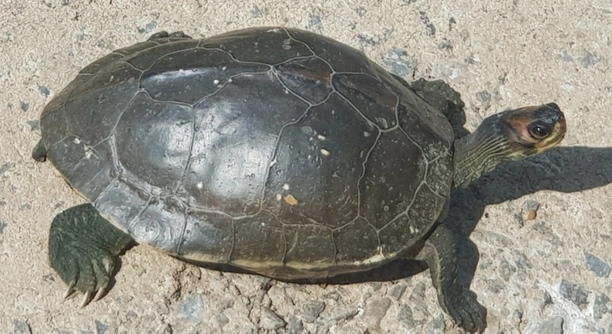
Indian Roofed Tortoises are fascinating creatures that can sometimes catch our attention with their long, curious stares. It’s not uncommon to wonder why they seem to gaze at us so intently.
Indian Roofed Tortoises often stare at their owners as a form of observation, curiosity, or even affection. Their focused gaze can also be a way for them to feel more secure in their environment, learning about their surroundings.
Understanding your tortoise’s behavior can strengthen the bond between you. By paying attention to its actions, you can better respond to its needs and enhance its overall well-being.
Why Do Tortoises Stare?
Tortoises, like other reptiles, are naturally observant creatures. Their long gaze could be a way to study their surroundings, especially when they feel uncertain or are trying to understand what’s happening around them. This behavior is linked to their instinct to stay aware of potential dangers. An Indian Roofed Tortoise, in particular, may stare as it evaluates the environment, watching you as a source of food or even comfort. Their sharp vision helps them detect movement, and staring can simply be part of their natural curiosity. Over time, they may become more comfortable with their surroundings, including you, and continue to observe more closely as a sign of trust or affection.
They often take time to study their environment. The more they understand it, the more they relax. The gaze could also be an indication that they are comfortable with you.
Tortoises are creatures of habit. They tend to observe familiar figures, like their owners, as a way of keeping track of their surroundings. If your tortoise is staring, it’s likely their way of feeling secure in a space they understand. Over time, they might begin to associate you with things that are positive, such as feeding or interaction, making the stare a sign of affection. This isn’t always about curiosity alone; it can also be a form of bonding that strengthens over time. With consistent, positive experiences, your tortoise may grow more relaxed and less wary, resulting in longer and more frequent stares.
Signs of a Healthy Tortoise
A healthy tortoise will engage with its environment, and staring can be one of those signs. Their focus on you doesn’t indicate distress unless paired with other concerning behaviors. A healthy tortoise shows curiosity without displaying signs of fear.
Regularly observing your tortoise’s behavior and body language is key to understanding its health. If your tortoise is staring at you but also actively eating, moving around, or basking, it’s likely a sign of a comfortable, healthy animal. Conversely, if staring is accompanied by lethargy, lack of appetite, or changes in behavior, these may signal health issues.
Routine care and attention will keep your tortoise in a positive state. It is important to ensure they have a proper diet, regular light exposure, and a safe environment to thrive. Creating a suitable habitat for them to explore and bask in helps to maintain their health. When all of their needs are met, your tortoise’s gaze will likely be a relaxed, affectionate way of engaging with you and their environment. Make sure your tortoise has enough space to roam and stimulate their natural curiosity so they continue to remain active and curious without stress.
Tortoise Behavior and Their Staring Habits
Staring is often a sign that your tortoise is comfortable or simply assessing its surroundings. It’s a natural response to new or familiar stimuli. In many cases, it’s not something to worry about.
A tortoise may stare when it’s trying to make sense of its environment. If you’ve been around for a while, they may see you as a stable, trustworthy part of their world. It’s also common for them to observe any changes around them—whether it’s a new object or a shift in the room. Their gaze can be part of their process of gathering information about their environment, ensuring they remain safe and aware.
Sometimes, this behavior isn’t just about observation but also a way to communicate or bond with you. If they’re staring at you while you’re near, it could be their way of asking for attention or showing interest. This doesn’t always mean they want food but could indicate a need for companionship or stimulation.
How to Address Staring in Your Tortoise
If your tortoise is staring at you often, it’s essential to consider its overall well-being. Staring could be a sign of curiosity, but if it becomes excessive, it may indicate stress or boredom.
A well-adjusted tortoise enjoys both its own space and interaction with its environment. To address unnecessary staring, ensure that your tortoise’s living space is stimulating. Include items like hiding spots, water dishes, or basking areas to give it variety. Proper care also includes monitoring its diet to ensure it’s getting all the nutrients it needs. Keeping your tortoise’s space clean and safe helps reduce stress and supports positive behavior.
If staring becomes constant, it may be worth evaluating its health or habitat. An imbalance in its environment, such as temperature fluctuations or limited space, can make your tortoise feel insecure, which might result in excessive staring. Just as they need their physical needs met, their mental stimulation should not be overlooked. The more variety you offer, the more satisfied they’ll be, reducing the intensity of their gaze.
Tortoise Communication Through Staring
Staring can be a form of communication for your tortoise. It may not always be about observing; sometimes, it’s about sending a message to you or its surroundings.
If your tortoise stares at you, it could be trying to communicate its needs or express curiosity. They often use their eyes to focus on things of interest, and your presence might be one of those. It’s important to pay attention to any other signs, like pacing or moving toward you, which may indicate that it wants food, attention, or even a change in its environment. The stare might seem intense, but it’s just their way of connecting with you.
Staring and Tortoise Health
When a tortoise stares for an extended period, it’s crucial to monitor its other behaviors. A healthy tortoise will generally show interest in its surroundings and not fixate solely on one object or individual.
In rare cases, persistent staring combined with other signs like lethargy or loss of appetite could point to potential health issues. If your tortoise appears unusually still or is not eating, it’s important to check its environment. Poor lighting, improper temperature, or an unbalanced diet could contribute to this behavior. If you’re concerned, a visit to the vet may help address any health problems.
Providing Proper Stimulation for Your Tortoise
Offering mental stimulation helps reduce excessive staring. Your tortoise needs more than just food and shelter; it requires a space where it can explore and feel secure.
Introduce a variety of objects in the enclosure to create an engaging environment. Natural elements like plants or small rocks can encourage your tortoise to move around. Changing the layout of its space from time to time helps prevent boredom, and providing different textures or hiding spots can make it feel more at ease. It’s also essential to ensure they have the opportunity to bask, swim, and hide when needed. These factors help maintain a happy and healthy tortoise.
FAQ
Why does my Indian Roofed Tortoise stare at me for long periods?
Your tortoise might stare at you because it’s curious, trying to understand its surroundings, or feeling secure. When they are comfortable in their environment, they will often gaze at familiar things, like you. Staring could be a way for your tortoise to keep track of your movements, especially if you interact with it regularly. It might also be their way of bonding with you, as they start recognizing you as a consistent part of their world. In general, it’s a sign that they are aware of your presence and don’t feel threatened.
Is staring a sign of affection from my tortoise?
Yes, staring can be a sign of affection. While it may not be as obvious as a pet dog’s wagging tail, a tortoise may look at you as a way of connecting. Over time, tortoises can become more comfortable with their owners, and their staring might reflect trust. They see you as part of their safe space, which is important for their well-being. The stare might also be linked to how they associate you with feeding time or other positive interactions.
How can I tell if my tortoise is staring out of curiosity or fear?
Curiosity is often a more relaxed form of staring. If your tortoise is staring without signs of distress—like a relaxed body posture or moving towards you—it’s likely out of curiosity. Fear-based staring, on the other hand, is often accompanied by other signs like retreating into its shell, rapid movements, or even a stiff body. A fearful tortoise might also show signs of stress, like not eating or hiding more than usual. Paying attention to your tortoise’s body language will help you better understand whether it’s curiosity or fear.
Should I be concerned if my tortoise stares a lot?
Generally, staring alone is not a concern unless accompanied by other signs of distress or illness. If your tortoise is not eating, moving less, or seems overly lethargic, you should look into potential health issues. However, in most cases, staring is just part of their natural behavior. Tortoises like to observe their surroundings carefully, and staring can be a way for them to feel secure. If you’re unsure, it’s always good to consult with a vet.
Can staring be a sign that my tortoise is stressed?
Yes, excessive staring, especially when paired with other signs of stress, can indicate that your tortoise is feeling anxious. If there’s a change in its environment or it doesn’t feel safe, staring may become more intense. This could happen if there’s a new pet in the house, a change in habitat, or even a disruption in its daily routine. To reduce stress, make sure your tortoise’s living space is quiet, comfortable, and free from sudden disturbances.
How do I reduce my tortoise’s staring if it seems stressed?
To reduce your tortoise’s staring caused by stress, create a calm and stable environment. Ensure the enclosure is set up properly with the right temperature, humidity, and lighting. Avoid sudden changes in its environment and give it plenty of space to move around. Adding hiding spots, such as caves or shelters, can help your tortoise feel safer. If it continues to stare excessively or shows other signs of distress, it may help to visit a vet for a checkup.
Does my tortoise stare at me because it wants food?
Tortoises are often observant when they’re hungry. If your tortoise is staring at you around feeding time, it may simply be waiting for food. They tend to recognize their owners as the source of their meals and might stare as a way of getting your attention. If your tortoise is regularly staring and seems to be near its feeding schedule, it could be an indication it’s ready to eat. Ensure that you’re feeding it the right portions and offering a balanced diet for its health.
Can I train my tortoise to stop staring at me so much?
Training a tortoise to stop staring isn’t easy, as it’s a natural behavior linked to their curiosity. However, you can help your tortoise feel more comfortable by reducing the need for constant observation. This can be done by providing a well-stimulated environment with toys, places to hide, and opportunities to explore. Ensure that your tortoise has plenty of room to roam around and interact with its surroundings, reducing the chances of it staring for long periods. Although you can’t completely train it to stop staring, you can create a more enriching space where it feels secure.
How do I know if my tortoise is simply observing or getting bored?
If your tortoise is staring but not moving around or exploring, it could be a sign of boredom. Tortoises need stimulation, and if they’re left in the same environment for too long without changes or interaction, they may become less active. Signs of boredom can also include constant pacing or lack of interest in food. To help your tortoise stay mentally and physically stimulated, change up its habitat occasionally, add new textures or climbing structures, and offer different types of food. An engaged tortoise will be more likely to explore and interact with its surroundings, rather than just stare.
Can a tortoise’s stare be harmful to its eyes or vision?
In general, a tortoise’s natural behavior of staring should not harm its eyes. Tortoises have excellent vision and use it to help them navigate their environment. However, if the tortoise is staring at something intensely, such as a bright light, it could cause discomfort. It’s important to ensure that your tortoise’s habitat has proper lighting that mimics natural sunlight without being too harsh. UVB lighting is essential for their health but should be placed at a safe distance to avoid eye strain. Keep an eye on your tortoise’s behavior, and if it seems overly fixated on light sources, consider adjusting the lighting setup.
Why does my tortoise sometimes stop staring and start walking away?
If your tortoise stops staring and walks away, it could be deciding that it’s no longer interested in observing you or the environment. Tortoises can get easily distracted or may simply feel the need to move on to something else, like searching for food or a comfortable place to rest. It’s a normal behavior as they shift focus from one thing to another. As long as the tortoise is walking confidently and not showing signs of distress, this is a good sign that it’s comfortable in its environment.
Final Thoughts
Understanding your Indian Roofed Tortoise’s behavior, especially why it stares at you, can help you strengthen the bond with your pet. While staring might seem a little odd, it’s a completely natural behavior. It’s their way of observing, processing, and interacting with their environment. In many cases, when your tortoise stares at you, it’s simply trying to understand its surroundings or recognize you as a familiar part of its world. This kind of observation shows that your tortoise is alert and feels comfortable in its environment, which is a positive sign of its well-being.
While staring can sometimes be linked to curiosity or affection, it’s important to keep an eye on your tortoise’s overall health. If it’s staring for long periods and shows other concerning signs, such as a lack of movement, not eating, or hiding more often, it could be an indication of stress, discomfort, or health issues. Regularly checking its living conditions, making sure it has enough space, proper lighting, and an appropriate diet will help ensure your tortoise is thriving. If there’s anything that seems off, don’t hesitate to consult with a veterinarian for advice.
Ultimately, every tortoise is unique, and its behavior will vary based on its personality and environment. Understanding why your tortoise stares can help you make small adjustments in its care to ensure it feels safe, comfortable, and well-cared-for. By providing a stimulating environment, offering regular interaction, and maintaining a proper routine, you can help your tortoise feel secure, minimizing any stress that could cause excessive staring. Remember, their stare isn’t always something to worry about—it’s just one of the many ways your tortoise interacts with the world around it.

Hello,
If you enjoy the content that we create, please consider saying a "Thank You!" by leaving a tip.
Every little bit helps us continue crafting quality advice that supports the health, happiness, and well-being of pets around the world, for pets of all shapes, sizes, and species.
We really appreciate the kindness and support that you show us!