
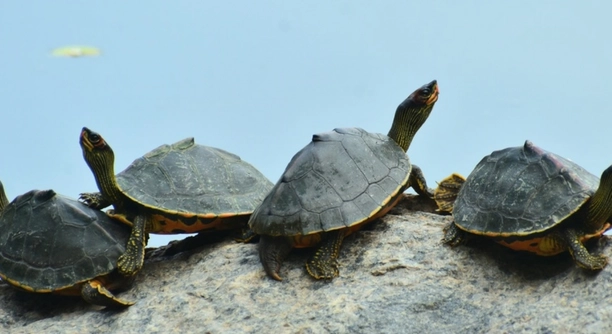
Setting up a proper enclosure for your Indian Roofed Tortoise is essential for its health and safety. The materials you choose can make a big difference in providing a comfortable, secure space.
When selecting wood for an Indian Roofed Tortoise enclosure, it’s crucial to choose non-toxic, durable, and easy-to-maintain options. Safe woods include untreated varieties such as pine, birch, maple, and more, ensuring the tortoise’s well-being.
By knowing which woods are safe, you can create a secure environment for your tortoise to thrive in. This guide will walk you through the best wood options.
Why Choosing Safe Wood Matters
Choosing the right wood for your tortoise’s enclosure is a critical decision. The wrong type of wood can lead to serious health risks, including poisoning, respiratory issues, or irritation. Many woods contain natural oils or resins that can be toxic to reptiles, so it’s essential to ensure the wood you use is safe for your tortoise. Additionally, some wood varieties can harbor harmful fungi or bacteria, which could harm your pet’s immune system. It’s not just about appearance or cost; safety should always be the top priority.
Tortoises need a stable and clean environment for their well-being. That means any wood used in their enclosure should be durable and easy to clean. Avoiding harmful wood types ensures your pet’s health is never at risk.
By taking the time to choose safe, non-toxic woods, you help provide a secure, comfortable home for your Indian Roofed Tortoise. Choosing the wrong material can cause long-term harm, so it’s important to be informed about your options.
Safe Wood Choices for Your Enclosure
There are a few wood types that are generally considered safe for tortoise enclosures.
Softwoods like pine and fir are popular, but only when untreated. When choosing wood for your tortoise, it’s essential to make sure it’s free of chemicals, pesticides, or stains. Cedar, for example, is unsafe for tortoises, as its oils can be toxic. Instead, consider using woods like maple, oak, or birch. These woods are not only safe but also durable, providing a solid foundation for your enclosure. Always make sure to research any wood type before adding it to the habitat.
Types of Safe Wood
Some woods are naturally better suited for tortoise enclosures. Maple, oak, and birch are excellent choices for durability and safety. These woods don’t have toxic resins or oils, making them ideal for your tortoise’s environment. Always ensure the wood is untreated to prevent any chemicals from affecting your pet.
Untreated hardwoods like maple and oak provide a sturdy, long-lasting structure for enclosures. These woods are not only safe but also easy to clean. Birch is another solid option that’s widely available. It’s lightweight yet strong enough to handle the wear and tear that comes with your tortoise’s movement. These woods offer a natural look and are safe for your tortoise to interact with.
Avoid woods that have been treated with varnish, paint, or other chemicals. Even naturally safe wood can pose a risk if it’s been altered or processed with harmful substances. Always inspect your wood choice carefully before adding it to your enclosure.
What to Avoid When Choosing Wood
Certain woods should always be avoided in tortoise enclosures, as they can cause serious harm. Cedar, pine, and redwood are examples of woods to steer clear of. These woods contain oils or resins that can irritate your tortoise’s skin, respiratory system, and digestive tract. Even if untreated, these woods are dangerous for your pet.
Cedar, for example, releases toxic oils that can cause respiratory issues for your tortoise. Pine also contains similar harmful compounds. While some pine varieties are less toxic, it’s always safer to avoid them altogether. Redwood is another wood to avoid, as it can lead to skin irritation and other health problems. These woods might smell pleasant to humans, but they’re harmful to reptiles.
Using these woods in the enclosure can lead to serious health complications. It’s important to be aware of the risks these woods carry and to choose safer alternatives that protect your tortoise’s well-being.
Benefits of Using Safe Wood
Using safe wood in your tortoise enclosure has many benefits. Not only does it ensure your pet’s health, but it also creates a comfortable and natural habitat. Safe wood promotes better air quality and provides a sturdy structure that can withstand your tortoise’s movements over time.
Choosing safe, untreated wood helps maintain a clean, hygienic environment. It prevents any harmful chemicals from leaching into the space, which is especially important since tortoises are sensitive to toxins. A safe wood environment also reduces the risk of infections or irritations caused by harmful substances.
Proper Maintenance of Wood in Enclosures
To keep the wood safe for your tortoise, regular maintenance is essential. Clean the wood frequently to remove any debris, feces, or food that may accumulate. Wood can absorb moisture, so it’s important to check for signs of mold or rot regularly.
You can use a damp cloth to wipe down the wood, but avoid soaking it. A dry environment is best for both the wood and your tortoise. Ensure proper ventilation in the enclosure to reduce moisture buildup. Maintaining the wood will help prolong its life and keep it safe for your tortoise.
Alternative Materials to Consider
If you’re not keen on using wood, there are other materials to consider. Some safe alternatives include ceramic tiles, concrete, and plastic. These materials are non-toxic, easy to clean, and durable, providing a long-lasting solution for your tortoise’s enclosure.
FAQ
What is the best wood for an Indian Roofed Tortoise enclosure?
The best woods for an Indian Roofed Tortoise enclosure are untreated hardwoods like maple, oak, and birch. These woods are durable, safe, and easy to clean. They do not contain harmful resins or oils that could irritate or poison your tortoise. Always ensure that the wood is untreated, as treated wood can contain chemicals that could be harmful.
Can I use pine wood for a tortoise enclosure?
Pine wood is not recommended for tortoise enclosures. Even if untreated, pine contains oils and resins that can cause respiratory problems and skin irritation in tortoises. It can also affect their digestive system if they come into contact with the wood for long periods. It’s safer to opt for hardwoods like maple or oak instead.
Is cedar wood safe for tortoises?
No, cedar wood is not safe for tortoises. Cedar contains oils that are toxic to reptiles, causing respiratory problems, skin irritation, and digestive issues. It’s best to avoid using cedar in any tortoise enclosure. Stick to safer woods like maple, birch, or oak to ensure your tortoise’s health and safety.
How often should I clean the wood in my tortoise’s enclosure?
It’s important to clean the wood in your tortoise’s enclosure regularly to maintain a hygienic environment. You should clean it at least once a week, or more frequently if needed, especially if there’s visible waste or food remnants. Use a damp cloth to wipe the wood, but avoid soaking it, as excess moisture can lead to mold growth.
Can I use plywood in a tortoise enclosure?
Plywood is not the best option for a tortoise enclosure, especially if it’s treated with chemicals or adhesives. The glue in plywood can be toxic, and the wood can absorb moisture, leading to mold growth. If you do decide to use plywood, ensure it’s untreated and properly sealed to avoid any risk to your tortoise’s health.
How do I prevent mold and mildew on the wood in the enclosure?
To prevent mold and mildew, ensure the enclosure is well-ventilated and dry. Regularly clean the wood to remove any food or waste buildup that could attract mold. If you notice mold or mildew starting to form, use a mild, pet-safe cleaner to scrub it off. Always keep the wood dry, as excessive moisture encourages mold growth.
Can I use treated wood in my tortoise’s enclosure?
Treated wood is not recommended for a tortoise enclosure. The chemicals used in treating the wood, such as preservatives or insecticides, can be harmful to your tortoise. These chemicals can leach into the environment and cause long-term health problems. Always choose untreated, natural wood to ensure the safety of your pet.
Is it safe to use wood with bark in a tortoise enclosure?
Wood with bark can be risky for your tortoise, depending on the type of wood. Some barks may contain oils or chemicals that can be harmful. If you choose to use wood with bark, ensure it’s from a safe, non-toxic species like maple or birch. Remove any loose bark to prevent your tortoise from ingesting it.
How do I know if a wood is safe for my tortoise?
To determine if a wood is safe for your tortoise, make sure it’s from a non-toxic species like maple, oak, or birch. Avoid woods like cedar, pine, and redwood, which contain harmful oils and resins. Always ensure the wood is untreated, free from chemicals or stains, and check for any signs of mold or rot.
Can I use wood chips or sawdust in my tortoise’s enclosure?
Wood chips or sawdust are not ideal for tortoise enclosures. These materials can be difficult to clean and may harbor bacteria or mold. Additionally, if ingested, they can cause digestive issues. Instead, use larger, solid pieces of wood or other substrates like coconut coir or reptile-safe soil to line the enclosure.
Should I use wood in my tortoise’s outdoor enclosure?
If your tortoise has an outdoor enclosure, you can still use wood, but it’s important to consider the weather and environment. Outdoor enclosures can expose wood to the elements, which can cause it to rot or deteriorate more quickly. If you decide to use wood outdoors, choose a durable, weather-resistant variety like oak, and make sure the wood is protected from excessive moisture.
Final Thoughts
When it comes to setting up an enclosure for your Indian Roofed Tortoise, choosing the right materials is essential. Wood can be an excellent option if selected carefully, as it provides a natural look and is easy to work with. However, it’s important to remember that not all wood is safe for your tortoise. Some woods, like cedar and pine, contain harmful oils and resins that can lead to serious health problems. By sticking to safe options such as maple, oak, and birch, you can create a secure and comfortable environment for your tortoise.
It’s also essential to consider the maintenance of the wood in the enclosure. Wood is naturally prone to absorbing moisture, which can lead to mold or rot. Keeping the wood dry, clean, and well-ventilated will ensure that it stays in good condition and safe for your tortoise. Regularly check for any signs of damage or mold, and take quick action to address it if it occurs. Proper cleaning will not only protect your tortoise but also extend the life of the wood in the enclosure.
Ultimately, choosing safe, untreated wood and maintaining it properly is key to providing your tortoise with a healthy and comfortable habitat. While there are alternative materials to consider, wood can still be a great option if handled correctly. By making informed choices, you can ensure that your tortoise has a safe and happy environment to live in, promoting their overall well-being.

Hello,
If you enjoy the content that we create, please consider saying a "Thank You!" by leaving a tip.
Every little bit helps us continue crafting quality advice that supports the health, happiness, and well-being of pets around the world, for pets of all shapes, sizes, and species.
We really appreciate the kindness and support that you show us!