
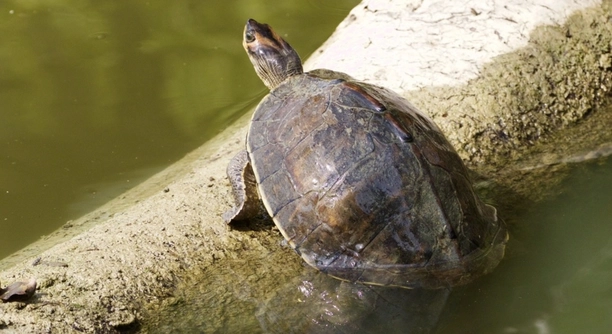
Are you concerned that your Indian Roofed Tortoise might not be getting enough UV light?
UV light is essential for the health of your Indian Roofed Tortoise. Lack of proper exposure can lead to metabolic bone disease, weakened immunity, and poor growth. Ensuring they receive adequate UV light is crucial for their well-being.
Understanding the signs that your tortoise may need more UV light can make a significant difference. It’s important to know what to look for in order to provide the right care.
Signs Your Indian Roofed Tortoise Needs More UV Light
UV light plays a critical role in the overall health of your Indian Roofed Tortoise. Without enough exposure, they can face serious health issues like soft shells and weak bones. The sun is their natural source of UV light, but in captivity, you need to replicate this through proper lighting. When their basking spot isn’t getting enough UVB light, the results can be subtle at first but can lead to bigger problems if not addressed. Tortoises that don’t get the right amount of UV light may become lethargic, lose their appetite, or show signs of stress.
If your tortoise has been showing signs of being less active or has trouble moving around, there may be a lack of proper UV exposure. You may also notice that your tortoise’s shell doesn’t seem as hard or strong as usual, which is a red flag for insufficient UVB light.
UV light helps tortoises absorb calcium from their food, which is necessary for healthy bone development and shell hardening. When deprived of UV light, your tortoise’s metabolism can struggle to process calcium, resulting in weakened bones and shells. If your tortoise is struggling to move or show interest in food, you may want to check if its lighting system is providing enough UVB.
How to Correct the UV Light Issue
If you suspect your tortoise isn’t getting enough UV light, check the lighting in their habitat. Be sure to use a proper UVB light designed for reptiles.
Setting up an appropriate light source is essential for keeping your tortoise healthy. The UV light should be positioned close enough to allow your tortoise to bask directly under it. However, make sure it’s not too close, as this can lead to overheating. Replacing UV bulbs regularly is important, as their effectiveness decreases over time. A timer can help regulate the duration of exposure, as it’s important not to overdo it. Aim for 10-12 hours of UV exposure each day to mimic natural sunlight. This helps keep their vitamin D3 levels balanced, which is vital for calcium absorption. Keep in mind, UVB light doesn’t penetrate glass or plastic, so your tortoise needs to be under the light source directly. Make sure to check the bulb’s strength and distance from the basking area, as UVB light intensity drops the farther it is from the light source.
The Role of UVB Lighting in Bone Health
UVB light is essential for your tortoise’s bone health. It helps them produce vitamin D3, which is needed to absorb calcium. Without enough UVB exposure, their calcium intake is less effective, leading to weak bones and shells. It’s crucial to ensure they have access to UVB light daily.
Without proper UV light, your tortoise may develop metabolic bone disease. This condition weakens their bones and can result in deformities in their shell. It’s not just about exposure; it’s about giving them the right amount for long-term health. If your tortoise is not getting enough UV light, even a good diet won’t be able to help with calcium absorption. Metabolic bone disease can be serious and even life-threatening if left untreated. Make sure your UV lighting is effective and positioned properly so your tortoise can benefit from it fully.
UVB light isn’t something you can rely on from natural sunlight alone, especially if your tortoise lives indoors. UVB bulbs designed for reptiles are a must to provide the correct type and intensity of light. Natural sunlight doesn’t always provide the proper spectrum, and it’s not always available indoors. Even windows can block out UVB rays, so your tortoise needs a dedicated light source to stay healthy. Be sure to choose a bulb that’s suitable for your tortoise’s size and habitat.
How to Set Up the Right UVB Lighting
When setting up UVB lighting for your tortoise, choose a high-quality UVB bulb designed for reptiles.
A UVB bulb should be placed above your tortoise’s basking area, where they can receive it directly. Be mindful of the distance from the light to your tortoise, as UVB exposure weakens the farther the bulb is. It’s important to replace the UVB bulb every 6-12 months, as its intensity diminishes over time, even if it still lights up. Ensure the basking spot is positioned to get direct exposure without the light being too close, which can cause overheating. With the right setup, your tortoise will receive the necessary amount of UVB for bone health and overall well-being. Don’t rely on regular light bulbs or household lamps for UVB, as they don’t provide the necessary UV rays.
Testing the UVB bulb with a UV meter can also help you ensure that the light intensity is adequate for your tortoise. Keep the basking area between 12-18 inches away from the bulb to maintain the right exposure level. The proper UVB lighting, along with correct temperature regulation, can significantly improve your tortoise’s quality of life and reduce the risk of health problems. If in doubt, consult a reptile care expert or veterinarian to ensure you’re meeting their needs effectively.
Common Signs of UV Light Deficiency
If your tortoise is not getting enough UV light, you may notice them becoming less active. They might hide more often or show signs of lethargy. Their appetite could also decrease, or they might struggle to move around. These are all indicators that something is off.
Another sign is the condition of their shell. A tortoise with insufficient UVB light may show signs of softening or deformities in their shell. This can be a serious issue and may affect their overall mobility and health. It’s important to act quickly if you notice these signs and adjust their UV light exposure.
How UVB Light Affects Their Behavior
UVB light not only impacts the physical health of your tortoise but also their behavior. When they receive enough exposure, they will feel more energetic and explore their environment more actively. It helps regulate their internal clock, as UV light plays a role in their natural circadian rhythms.
A lack of UV light can make your tortoise more passive and reclusive. They may not feel motivated to bask or roam around. Without the necessary UV rays, your tortoise’s overall quality of life will decline, and their behavior may reflect that. Keep an eye out for these behavioral changes, as they could point to UV light deficiency.
Checking the Temperature
The temperature in your tortoise’s habitat is just as important as UV light. The basking spot should be around 90-95°F. This warmth, combined with proper UV light, allows your tortoise to digest food and stay healthy. Too much or too little heat can cause stress.
FAQ
What kind of UV light is best for my Indian Roofed Tortoise?
For your tortoise, the best UV light is a UVB bulb specifically made for reptiles. These bulbs provide the necessary ultraviolet light that helps with calcium absorption and overall health. UVB bulbs come in different strengths, so it’s important to choose one that fits your tortoise’s size and habitat. Mercury vapor bulbs are a good option because they provide both UVB and heat, but fluorescent UVB bulbs can also work well if combined with a heat source. Make sure to replace the bulb every 6-12 months, as its effectiveness diminishes over time.
How long should I keep the UV light on each day?
UV light should be kept on for about 10-12 hours a day. This mimics the natural cycle of daylight and ensures your tortoise gets enough exposure to UVB for calcium absorption. You can use a timer to make it easier to manage, as consistency is important. It’s best to turn off the light at night to simulate natural darkness, as UVB light during the night can disrupt your tortoise’s circadian rhythm.
How close should the UV light be to my tortoise?
The UV light should be placed about 12-18 inches above your tortoise’s basking spot. If the light is too far away, the UVB rays won’t be as effective. However, placing the light too close can cause overheating. Monitor the temperature to make sure it stays within a comfortable range of 90-95°F in the basking area. The distance between the light and the basking spot is crucial to ensure proper UV exposure without causing stress from excessive heat.
Can I use natural sunlight instead of UV light bulbs?
Natural sunlight can be beneficial, but it’s not always reliable, especially indoors. Windows block UVB rays, so your tortoise won’t receive the benefits of sunlight if they’re behind glass. Also, if your tortoise is kept indoors, sunlight exposure may not be enough to meet their UV needs. It’s still important to have a UVB bulb in their enclosure to ensure they receive consistent and sufficient UV light every day, no matter the weather outside.
How do I know if my tortoise is getting enough UVB light?
If your tortoise is not receiving enough UVB light, they may show signs like lethargy, reduced appetite, or difficulty moving. Their shell may also become soft or show signs of deformities, which are clear indicators of a calcium deficiency. If these symptoms are present, it’s essential to check the UV light setup and adjust it accordingly. Proper UV light should help your tortoise be more active, have a healthy appetite, and maintain a strong shell.
How often should I replace the UV light bulb?
UV light bulbs lose their effectiveness over time, even if they still emit light. It’s recommended to replace your UVB bulb every 6-12 months, depending on the type of bulb and how often it is used. Some bulbs come with a suggested replacement schedule, so be sure to follow the manufacturer’s instructions. Regularly replacing the bulb ensures that your tortoise gets the right amount of UVB exposure to stay healthy.
Can I use regular light bulbs for UV light?
No, regular light bulbs do not emit UVB rays. For proper UVB exposure, you must use a UVB bulb made specifically for reptiles. Regular bulbs, such as incandescent or LED lights, can provide heat and light but will not help your tortoise with calcium absorption or bone health. UVB bulbs are designed to emit the specific wavelengths of light your tortoise needs for proper metabolic function and bone development.
Is it safe to use a UVB light all year round?
Yes, it is safe to use a UVB light all year round, especially for indoor tortoises. In nature, tortoises would have access to natural sunlight year-round, so providing a consistent light source indoors helps replicate this. Ensure that the UV light is set up properly, with the correct intensity and duration, to maintain your tortoise’s health. Adjustments may be needed if the temperature in their habitat changes with the seasons, but the UVB light should remain consistent.
Can my tortoise get too much UV light?
While it’s important to ensure your tortoise gets enough UV light, too much exposure can also be harmful. Prolonged exposure to excessive UVB rays can cause overheating, dehydration, and even damage to their skin and eyes. It’s essential to provide a balanced amount of UVB exposure, along with proper temperature regulation. If you’re unsure, always monitor your tortoise and adjust the UV light setup to avoid overexposure.
How do I check if my UVB bulb is still working effectively?
UVB bulbs lose their effectiveness over time, so it’s important to replace them regularly. To check if your UVB bulb is still working, you can use a UV meter, which measures the strength of the UVB rays. If you don’t have a meter, look for any signs of health problems in your tortoise, such as lethargy, poor appetite, or shell softening. If you notice any of these symptoms, it might be time to replace the bulb.
Final Thoughts
Ensuring your Indian Roofed Tortoise gets enough UV light is vital for their overall health. UVB light helps them absorb calcium, which is essential for strong bones and a healthy shell. Without it, they can develop serious health issues like metabolic bone disease, which can affect their growth and mobility. By providing a proper UVB light source, you can help prevent these problems and ensure your tortoise lives a long, healthy life.
Setting up the right UV light for your tortoise is not difficult, but it does require attention to detail. You’ll need a UVB bulb designed for reptiles, placed at the correct distance from your tortoise’s basking area. You should also monitor the temperature to ensure it stays within the ideal range for your tortoise’s health. Regularly replacing the UVB bulb and using a timer to maintain a consistent light cycle will help provide the best environment. Small adjustments like these can make a big difference in your tortoise’s well-being.
Ultimately, keeping a close eye on your tortoise’s behavior and health will help you spot any issues early. If your tortoise becomes more inactive, has a poor appetite, or shows signs of a soft shell, it’s a good idea to check their UV light setup. Proper lighting is just one part of the care you need to provide, but it plays a huge role in keeping them healthy. Regular check-ups, proper lighting, and a good diet will ensure your tortoise stays strong and active.

Hello,
If you enjoy the content that we create, please consider saying a "Thank You!" by leaving a tip.
Every little bit helps us continue crafting quality advice that supports the health, happiness, and well-being of pets around the world, for pets of all shapes, sizes, and species.
We really appreciate the kindness and support that you show us!