
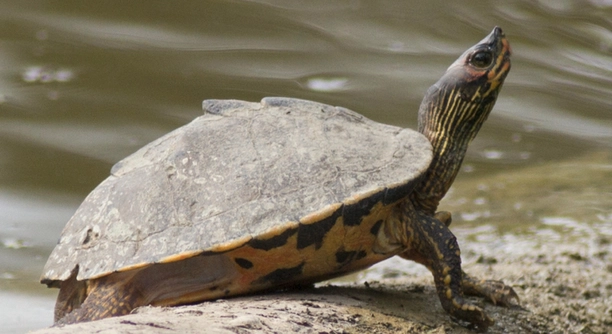
An Indian Roofed Tortoise is a unique and fascinating pet. Understanding when it is ready to mate can help ensure their well-being. Knowing the signs of mating readiness is essential for their care during the breeding season.
The main signs that your Indian Roofed Tortoise is ready to mate include changes in behavior such as increased activity, aggression, and seeking out a mate. You may also notice physical changes, including the male’s more pronounced markings.
By recognizing these behaviors early on, you can provide the right environment for your tortoise during this crucial time. This will help both your tortoise’s health and your understanding of its natural instincts.
Increased Activity and Restlessness
As your Indian Roofed Tortoise becomes ready to mate, you may notice it becoming more active. It might roam around its enclosure with greater energy, searching for a mate. During this time, your tortoise may seem restless, moving more frequently and trying to climb over objects in its path. Males, in particular, can become very determined in their search, especially if a female is nearby. They may also try to dig or explore areas they wouldn’t usually reach.
This increase in activity is a clear indicator that your tortoise’s natural instincts are kicking in. It’s important to keep an eye on them to ensure they don’t get stuck in places they shouldn’t be.
Allowing them to roam freely during this time can give them the opportunity to act out these instincts and prepare for mating.
Aggressive Behavior
As mating season approaches, male tortoises may also show signs of aggression. They may become more territorial, fighting off other males or even displaying more aggressive behaviors toward their surroundings. This aggression can manifest as biting or pushing other tortoises or even objects within their enclosure. If you notice these behaviors, it could be a sign that your tortoise is preparing to court a female or defend its territory during the mating process.
It’s crucial to provide a safe space for your tortoise during this period. Separate males if needed to prevent injuries, as their aggression can be intense. Understanding that this behavior is a natural response will help you manage your tortoise’s environment more effectively. Make sure to adjust their living space if necessary to give them space and reduce stress. Monitoring the situation closely can ensure that no harm comes from these aggressive behaviors.
Seeking Out a Mate
When your tortoise is ready to mate, it will start seeking out a mate actively. This behavior may include pacing and exploring areas where other tortoises are present. If there’s a female nearby, males may try to approach and interact with her more frequently. Males will often focus their attention on the female, showing interest through various behaviors.
This seeking behavior is part of their natural mating instincts. If you have more than one tortoise in an enclosure, you may see the male constantly following the female, trying to position himself next to her. It’s important to keep an eye on them during this phase to prevent any unintentional stress. If your tortoise seems overly persistent, it could be a sign that it’s ready for mating. Be mindful of the female’s comfort and health, and provide space if needed.
Changes in Physical Appearance
During mating season, you may notice some physical changes in your Indian Roofed Tortoise. Males often develop more distinct markings, with brighter colors or more defined patterns on their shells. This is part of their natural process to attract a mate. The male may also show signs of a thicker, more robust body, as his physical form adapts for mating.
These changes are not only for attracting a mate but also for showing dominance. As mating season progresses, the male’s physical transformation becomes more noticeable. This is an important sign that your tortoise is approaching readiness. If you observe any of these physical changes, it’s a clear indication that mating behavior will soon follow. Keeping an eye on these developments will help you better understand the needs and behavior of your tortoise during this time.
Vocalizations and Sounds
Along with changes in physical behavior, your tortoise may start making sounds, especially during mating. While tortoises are generally quiet creatures, mating males can produce low-frequency vocalizations. These sounds are often a sign of excitement or frustration, especially when they encounter a potential mate.
It’s important to note that not all tortoises make noise, and some may be completely silent. However, if your tortoise starts making these noises more frequently, it could indicate that it’s preparing for mating. These vocalizations can vary in intensity, and they are most common when a male tortoise is near a female. These sounds may also serve to help attract a mate or communicate with other tortoises during the mating period. Keep in mind that this is a natural, instinctual part of their behavior.
Digging and Nesting Behavior
As mating season approaches, your tortoise may begin to dig more frequently. Males may start digging as part of their display of dominance or to prepare a nesting site for a female. This behavior is often seen in the wild, where tortoises create burrows for protection and to lay eggs.
When you notice this behavior, ensure the enclosure has enough space for the tortoise to dig without causing damage. It’s a natural instinct for them, but providing a safe environment will help prevent stress. If the tortoise is digging excessively, it could be preparing for mating or laying eggs, so monitoring their activities is important.
Changes in Eating Habits
Another sign that your tortoise is ready to mate is a change in eating habits. During mating season, tortoises may eat more or less than usual. The stress of mating behaviors or the increased energy needed can cause a shift in how much they eat.
If you notice a decrease in appetite, it could mean that your tortoise is focused on other activities, such as seeking out a mate. On the other hand, an increase in eating could be a result of their higher energy levels as they prepare for mating. Either way, changes in diet should be observed.
Increased Territoriality
As mating time nears, your Indian Roofed Tortoise may become more territorial. Males, in particular, will often show signs of aggression when another male is present. They may try to assert dominance by pushing, biting, or chasing each other.
This territorial behavior is an essential part of the mating process. Males often compete for the attention of a female, and their aggression helps them establish control. If you see this behavior, it’s a sign that your tortoise is getting ready to engage in mating rituals. Providing separate spaces for males can help reduce unnecessary conflict.
FAQ
What should I do if my tortoise starts showing signs of aggression?
If your tortoise is showing aggression, especially males towards each other, it’s best to separate them. Males can become very territorial during mating season and may cause harm to one another. Ensure each tortoise has its own space to prevent fights. Aggressive behavior can also be directed toward other animals or even humans. To help manage this, make sure your tortoise’s environment is enriched with plenty of hiding spots and room to roam. Offering more space will reduce competition and help keep your tortoise calm.
How can I tell if my female tortoise is ready to mate?
Unlike males, female tortoises are less likely to display overt signs of readiness, but you may notice changes in their behavior. They may become more passive or seek out a hiding spot when males show interest. A female in heat will often respond to a male’s advances by allowing him to approach. However, it’s important to note that even though a female may not show strong signs, she could still be ready to mate. Monitoring her behavior around males can provide valuable insight.
Is it necessary to separate males and females during mating?
It’s often a good idea to separate males and females unless you’re intentionally breeding your tortoises. Males can become overly persistent and aggressive, which might stress out the female. If you want to give your tortoises a chance to mate, you should ensure that the female is ready and comfortable before allowing the male to approach. Keep in mind that tortoises can become territorial, and this could lead to fights or injuries if they’re left together without supervision.
Can I breed my Indian Roofed Tortoise in captivity?
Yes, you can breed your Indian Roofed Tortoise in captivity, but there are a few things to keep in mind. First, both the male and female should be in good health, and their environment should mimic their natural habitat as closely as possible. You’ll also need to provide a proper nesting area for the female to lay eggs. This requires a secure spot with a substrate that allows her to dig and bury her eggs safely. If breeding isn’t planned, be cautious and observe their behavior to avoid accidental mating.
What do I need to provide for a tortoise to mate successfully?
For successful mating, your tortoise’s environment should be spacious and secure. Provide a suitable enclosure with both indoor and outdoor areas, depending on where you live. The outdoor space should have room for digging and should be kept at a proper temperature and humidity level. A nesting area with loose soil or sand is necessary for the female to lay eggs after mating. Additionally, be sure to offer the tortoises a balanced diet to maintain their health during mating season. Regular veterinary check-ups are also important to monitor their well-being.
How long does it take for tortoises to mate?
Mating can vary in duration, depending on the tortoises involved. It can range anywhere from a few minutes to an hour or more. The male will often mount the female and may engage in vocalizations or physical displays. Once the mating is done, the female may move away, and the male might continue showing interest. If successful, the female will eventually begin seeking out a place to lay her eggs, which could happen weeks after mating.
What happens after mating?
After mating, the female may begin searching for a nesting site to lay her eggs. The eggs are usually laid within a few weeks to a couple of months after mating. She will dig a hole in the soil, lay her eggs, and then cover them with soil to keep them protected. Once the eggs are buried, it’s important to maintain the right temperature and humidity levels in the environment to help the eggs hatch successfully. If you’re not sure about the incubation process, consider consulting an expert.
Can I keep my tortoises together year-round?
If your tortoises are not showing signs of aggression or distress, they can live together year-round. However, it’s essential to observe their behavior regularly. During mating season, it might be necessary to separate males and females, especially if the males are showing signs of aggression. If you’re unsure, it’s always better to err on the side of caution and provide separate spaces. This will help minimize stress and reduce the chances of injury or harm.
How do I know if my tortoise is healthy enough to breed?
A healthy tortoise is one that is active, eating well, and free from any injuries or diseases. If your tortoise is of breeding age and shows signs of readiness, but you’re concerned about its health, it’s best to consult with a veterinarian. A vet can ensure that your tortoise has the right conditions for mating, including proper weight and physical condition. Avoid breeding sick or underweight tortoises, as this can lead to complications during mating or egg-laying.
What should I do if my tortoise lays eggs?
If your tortoise lays eggs, it’s crucial to provide a safe and quiet place for her to do so. She will likely bury the eggs in a nesting area, and it’s essential to avoid disturbing her during this time. If you plan to incubate the eggs, ensure the temperature and humidity are ideal. You can use a reptile incubator to keep the eggs warm and help them hatch. If you choose not to incubate the eggs, leave them in place to ensure they are not disturbed by the tortoise or other pets.
Final Thoughts
Mating behavior in Indian Roofed Tortoises is a natural and important part of their life cycle. As a pet owner, it’s essential to recognize the signs that your tortoise is ready to mate. These behaviors, such as increased activity, aggression, and seeking out a mate, indicate that your tortoise is following its instincts. By observing these changes closely, you can provide the necessary environment for your tortoise to mate safely, while also ensuring that its health and well-being are not compromised. Providing the right conditions, including proper space and nesting areas, helps reduce stress and promotes a healthier environment for both males and females.
When it comes to breeding tortoises, it’s important to consider whether or not you want to engage in breeding. Not every tortoise needs to mate, and sometimes separating males and females is the best option to prevent unnecessary stress or aggression. If you decide to breed your tortoises, make sure you are prepared to care for the eggs and hatchlings. This involves creating a suitable nesting environment, providing proper incubation conditions, and being ready for the responsibility that comes with hatching tortoises. Breeding should be carefully planned and monitored to ensure the health and safety of all involved.
Ultimately, understanding your tortoise’s mating behavior and providing the right care during this period is key. Whether you are intentionally breeding or simply caring for your pet during mating season, recognizing signs like increased activity and physical changes is the first step. By maintaining a watchful eye and offering the proper living conditions, you can help ensure your tortoise’s natural instincts are supported in a safe and stress-free manner.

Hello,
If you enjoy the content that we create, please consider saying a "Thank You!" by leaving a tip.
Every little bit helps us continue crafting quality advice that supports the health, happiness, and well-being of pets around the world, for pets of all shapes, sizes, and species.
We really appreciate the kindness and support that you show us!