
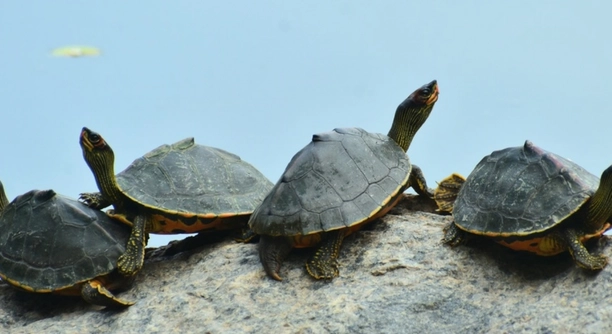
Introducing a new Indian Roofed Tortoise to its tank can be a delicate process. Ensuring its comfort and proper adjustment is key to its well-being. This article will help guide you through seven essential steps for a smooth introduction.
The proper introduction of an Indian Roofed Tortoise to its tank involves ensuring the environment is safe, setting up a comfortable habitat, and monitoring its behavior closely. Gradually acclimating the tortoise reduces stress and encourages proper adjustment.
Understanding these steps will set your tortoise up for success. The right care can help your new pet feel secure and at ease in its new home. Keep reading for simple tips on introducing your tortoise.
Preparing the Tank for Your New Tortoise
Before introducing your Indian Roofed Tortoise to its tank, you must ensure the environment is ready. The tank should be large enough to give it plenty of space to roam. A minimum of 40 gallons is recommended for a single tortoise, with extra space for future growth. Make sure the tank has both dry and moist areas, as tortoises need a variety of environments to thrive.
Temperature is another important factor. Tortoises are cold-blooded, so maintaining the right heat in the tank is essential. Provide a heat lamp to create a warm basking spot, ideally around 90°F, and a cooler area at around 75°F. Also, ensure proper humidity by misting the tank occasionally and providing a water dish.
Setting up the tank before bringing in your tortoise is crucial. With a proper environment, your tortoise will feel more comfortable and less stressed. The time spent setting it up will pay off with a healthier, happier pet.
Gradually Acclimate Your Tortoise
Allow your tortoise to adjust to its new surroundings slowly. Initially, limit interaction to reduce stress.
After setting up the tank, place your tortoise inside without rushing. Let it explore its new habitat at its own pace. Do not force it to move around or interact immediately, as this can cause stress. Over the first few days, observe its behavior closely. If it hides more than expected, it may need extra time to adjust.
Tortoises are naturally shy creatures, and the change in their environment can be overwhelming. Allowing them time to settle into the tank will ensure they feel safe and secure. Keep the surroundings quiet, avoid loud noises, and handle your tortoise minimally during the first few days. This calm approach will help your tortoise acclimate to its new home more easily.
Monitor the Tortoise’s Behavior
After introducing your tortoise to its new home, keep a close eye on its behavior. Watch for signs of stress, such as excessive hiding or pacing. A healthy tortoise will explore its environment after a few hours.
If your tortoise remains in one spot or seems overly withdrawn, it might need more time to adjust. Stress can also cause a lack of appetite or difficulty walking. Monitor its eating habits closely. If it refuses food for more than a few days, it could indicate a problem with the environment, like incorrect temperatures. Ensure everything is in place.
If your tortoise displays constant stress, such as attempting to escape its enclosure, consider re-evaluating the setup. It may not be comfortable with the space, temperature, or humidity. Tortoises also need a peaceful environment. Too much handling or loud noises can trigger stress. Patience is important during this time, as adjusting to a new home can take time.
Offer Proper Diet and Hydration
The right diet is essential for your tortoise’s health. Ensure you provide a varied, balanced diet that includes leafy greens and occasional fruits. Fresh water should always be available.
In the first few days, monitor its food intake. Tortoises often feel stressed in new environments and may not eat much initially. Offer a mixture of leafy greens like dandelion, collard greens, and kale. Avoid high-oxalate foods, such as spinach, as they can be harmful over time. Fresh fruits like strawberries or apples can be given in moderation.
Proper hydration is equally important. Place a shallow water dish in the tank to ensure your tortoise can easily access water at all times. Mist the environment lightly, but be cautious not to overdo it, as excessive moisture can lead to fungal infections. A balanced diet and consistent hydration will help your tortoise settle into its new habitat while keeping it healthy.
Avoid Overhandling
Limit handling your tortoise during the first few days. Handling can add stress to an already nervous animal. Let your tortoise adjust without interference.
Overhandling may cause your tortoise to become fearful and withdrawn. In the first few days, simply let it explore its new environment without being touched. The tortoise needs time to feel comfortable in its new space before any interaction.
Once your tortoise starts moving freely and shows signs of curiosity, you can gradually begin to handle it more. However, avoid picking it up often, as this can disrupt its natural behavior. Allow it to come to you on its terms.
Maintain a Stable Environment
Consistency in temperature and humidity is key to a healthy tortoise. Small fluctuations can cause stress, so keep the tank environment stable.
Set a reliable temperature using a thermostat, and check the tank regularly to ensure it stays within the proper range. Fluctuations can lead to illness or digestive issues. Humidity should also remain consistent, as it aids in your tortoise’s ability to shed properly. Make adjustments slowly if changes are needed.
Stable conditions provide a sense of security for your tortoise, reducing the chances of stress or health problems.
Provide Hiding Spots
Adding hiding spots to the tank will help your tortoise feel secure. Use plants, rocks, or a small box to create a space where it can retreat.
Tortoises need areas where they can hide to feel safe and reduce anxiety. These hiding spots are crucial for giving them a break from the new surroundings, which can be overwhelming. Place them in various areas of the tank so your tortoise can choose where it feels most comfortable.
FAQ
How long does it take for a tortoise to adjust to a new tank?
The time it takes for a tortoise to adjust to a new tank varies, but typically, it may take a few days to a week. During this period, it’s normal for the tortoise to hide or appear inactive as it acclimates to the new environment. Ensure the tank conditions, such as temperature and humidity, are ideal to help speed up the process. With patience and minimal disturbance, your tortoise will begin to feel more comfortable. Avoid rushing the process and let it explore its new home at its own pace.
Can I put other pets in the tank with my tortoise?
It’s generally not recommended to place other pets in the same tank with your tortoise, especially if they’re larger or more active. Introducing another animal can cause stress for your tortoise. Additionally, other animals may not have the same environmental needs, which can affect the overall well-being of both pets. If you want to introduce another tortoise, make sure the tank is large enough for both to have their space. Always monitor their interactions carefully to ensure neither animal is getting stressed or harmed.
What should I do if my tortoise refuses to eat?
If your tortoise refuses to eat, first check the tank’s environment to make sure everything is set up properly, such as temperature, humidity, and lighting. A stressed or uncomfortable tortoise may avoid eating. Sometimes, it may be due to the change in surroundings. Offering a variety of food, such as leafy greens and some fruits, can help. If your tortoise still doesn’t eat after a few days, it’s worth checking with a vet to rule out health issues.
How often should I feed my tortoise?
You should feed your tortoise daily or every other day, depending on its age and species. Younger tortoises tend to eat more often, while adults may only need food every two to three days. Always provide fresh, leafy greens, and a small amount of fruit. Avoid overfeeding, as tortoises can gain weight quickly. Also, make sure to remove any uneaten food after a few hours to prevent it from spoiling.
How can I tell if my tortoise is sick?
Signs of illness in tortoises include lethargy, lack of appetite, unusual behavior, or difficulty moving. A runny nose or wheezing can indicate respiratory issues, while abnormal shell growth or soft spots may be a sign of nutritional deficiencies. If your tortoise exhibits any of these symptoms, it’s important to consult a vet who specializes in reptiles to get an accurate diagnosis and treatment.
Do tortoises need UVB light?
Yes, UVB light is crucial for tortoises as it helps them synthesize vitamin D3, which is essential for calcium absorption. Without UVB light, tortoises can develop metabolic bone disease, which weakens their bones. It’s best to use a proper UVB bulb, placed in the basking area of the tank. Make sure the light is on for about 10-12 hours a day. You should also replace UVB bulbs every 6 to 12 months, as they lose their effectiveness over time.
Can I let my tortoise roam outside?
Yes, you can let your tortoise roam outside, but only in a safe, enclosed area. Make sure the ground is not too hot or cold, as tortoises are sensitive to extreme temperatures. Never leave them outside unsupervised, as they could escape or encounter predators. Always make sure the area is free of harmful plants and chemicals. Also, ensure your tortoise has access to fresh water and a shaded area to rest in.
How do I clean my tortoise’s tank?
Cleaning your tortoise’s tank is important for maintaining its health. Remove uneaten food, waste, and soiled bedding daily. Clean the tank thoroughly once a week, including the water dish and any decorations. Use non-toxic cleaning supplies, like vinegar and water, to wipe down surfaces. If you’re using a substrate, change it regularly to prevent bacteria buildup. Always dry the tank completely before placing your tortoise back in to avoid any mold growth. Keeping the tank clean ensures a healthy living environment for your pet.
Is it necessary to soak my tortoise?
Soaking your tortoise is a good practice, especially if it’s not drinking enough water. It helps with hydration and can also aid in digestion. Place your tortoise in shallow, lukewarm water for about 20 to 30 minutes. Do this 2-3 times a week or as needed. Never leave the tortoise unattended while soaking. Always ensure the water level is low enough that your tortoise can stand comfortably and breathe. This practice also helps with shedding, as it softens the skin.
How do I know if my tortoise is stressed?
Signs of stress in a tortoise include excessive hiding, a lack of movement, loss of appetite, or attempting to escape from its tank. Stress can also manifest through abnormal behavior, like pacing or digging non-stop. Changes in the environment, improper temperature, or handling too much can all contribute to stress. If your tortoise shows these signs, try adjusting the tank’s setup or reduce handling. Monitor its behavior closely, and if the stress continues, consult a vet.
Final Thoughts
Introducing a new Indian Roofed Tortoise to its tank is a process that requires patience and care. Ensuring the right setup for your tortoise is crucial for its well-being. The tank should have the proper temperature, humidity, and space, which will help the tortoise feel secure and less stressed. The environment must be both dry and moist in different areas to mimic its natural habitat. By preparing the tank in advance and making sure everything is in place, you give your tortoise the best chance to adapt quickly to its new home.
It is also important to monitor your tortoise closely during its first few days. While some tortoises may explore and eat normally right away, others might take time to adjust. Stress can be caused by environmental changes, so it’s crucial to let your tortoise acclimate without being disturbed too much. Avoid handling it too often, especially in the beginning, as this could add unnecessary stress. With a calm, quiet environment, your tortoise will feel safe and eventually start exploring its new tank. Patience is key during this process, as some tortoises may take longer to adapt than others.
Lastly, regular care and attention will help keep your tortoise healthy and happy in its new home. Be mindful of its diet, hydration, and overall health. If you notice any signs of stress, illness, or changes in behavior, take immediate action to address the issue. A balanced diet, proper UVB lighting, and the right temperature are all essential components of your tortoise’s health. With consistent care and the right environment, your tortoise will thrive and enjoy its new tank for many years to come.

Hello,
If you enjoy the content that we create, please consider saying a "Thank You!" by leaving a tip.
Every little bit helps us continue crafting quality advice that supports the health, happiness, and well-being of pets around the world, for pets of all shapes, sizes, and species.
We really appreciate the kindness and support that you show us!