
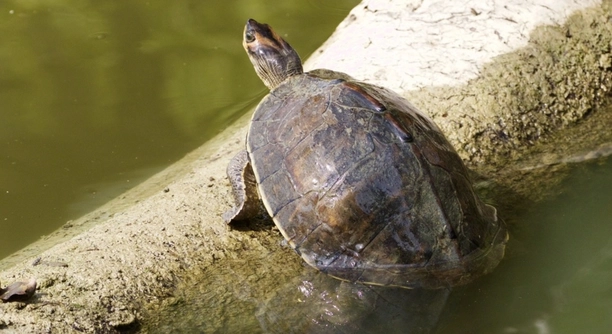
Caring for an Indian Roofed Tortoise involves providing a well-balanced, nutritious diet. Homemade food is an excellent way to ensure they are getting the best nutrition in a more natural form.
The 7 best homemade food recipes for Indian Roofed Tortoises include ingredients such as leafy greens, vegetables, fruits, and protein sources. These foods cater to their herbivorous diet, providing essential nutrients like calcium, fiber, and vitamins for their growth and health.
These recipes are easy to prepare and ensure your tortoise gets the proper nutrition they need.
Leafy Greens and Their Importance
Leafy greens should be a key part of your Indian Roofed Tortoise’s diet. They offer essential vitamins, minerals, and fiber that support digestion and overall health. Common choices like dandelion greens, collard greens, and mustard leaves provide calcium, which helps maintain a strong shell. It’s important to rotate different types of greens to avoid nutrient imbalances. The high fiber content in these greens also aids in digestion, keeping your tortoise regular. Make sure to wash the greens thoroughly to remove any pesticides or dirt before feeding them to your tortoise. Offering a variety of fresh greens ensures your tortoise gets the right nutrients in a natural, easily digestible form.
Leafy greens are a staple food for Indian Roofed Tortoises, as they provide essential nutrients needed for growth.
You can offer leafy greens daily, giving your tortoise access to a variety of types. However, avoid spinach as it can interfere with calcium absorption. Always monitor how much your tortoise eats, ensuring they get the right portion sizes without overeating. Mixing greens with other vegetables and safe fruits creates a balanced diet. Over time, you will be able to see how your tortoise responds to different leafy greens. This can help you determine which types your pet enjoys the most. Remember, a healthy diet with plenty of greens will contribute to a stronger, healthier tortoise in the long run.
Safe Vegetables to Feed
Certain vegetables are ideal for feeding your tortoise, providing them with a variety of vitamins and minerals.
Carrots, bell peppers, and zucchini are great options. These vegetables help with hydration and add color to their diet. Make sure to cut them into small, manageable pieces so your tortoise can easily consume them. The soft texture of carrots and bell peppers makes them easy for your tortoise to eat without difficulty.
Offering a mix of safe vegetables gives your tortoise variety and ensures they receive a broad range of nutrients. Aside from improving their hydration, vegetables like carrots contain beta-carotene, which supports vision. You can also add broccoli and cauliflower, both of which offer extra fiber and nutrients. As a general guideline, vegetables should make up a significant part of your tortoise’s daily meal. Avoid feeding them starchy vegetables, like potatoes, which can cause digestive issues. It’s also important to serve these vegetables fresh, as the nutrients are most abundant in their natural form. Always remove any uneaten food from their enclosure after a few hours to prevent mold and bacteria growth.
Fruits That Are Safe to Offer
Fruits should be a treat, not a daily staple, for your Indian Roofed Tortoise. They are high in sugar, so offering them in moderation helps maintain a balanced diet.
Common fruits like strawberries, papaya, and melons are safe options. These fruits provide hydration and vitamins like vitamin C, which helps boost your tortoise’s immune system. Be sure to remove seeds from fruits like melons and berries, as they can cause digestive problems. Cutting fruit into small, bite-sized pieces will make it easier for your tortoise to eat and enjoy. Fruits can also be a great way to entice a picky eater.
Always make sure the fruit is fresh and free of pesticides. A variety of fruits adds natural sugars, fiber, and water to the diet, ensuring your tortoise stays hydrated. However, because of their high sugar content, you should only offer fruit once or twice a week. Avoid citrus fruits, such as oranges and lemons, as they are too acidic and can upset your tortoise’s stomach. When serving fruit, pair it with vegetables to ensure a balanced meal.
Protein Sources for Indian Roofed Tortoises
Indian Roofed Tortoises are primarily herbivores, but they can occasionally be given small amounts of protein.
The best sources of protein are earthworms, mealworms, or even cooked eggs. These protein-rich foods should only be given occasionally, as too much protein can lead to health issues. Small pieces of cooked chicken can also be offered, but these should be rare treats. Protein helps support your tortoise’s muscle growth and overall development. Be sure to offer protein sources in small quantities to avoid upsetting their natural diet.
Adding occasional protein to your tortoise’s meal plan provides a much-needed boost for their overall well-being. Earthworms are a great option as they are rich in nutrients and easy to digest. However, be mindful of the frequency of protein, as your tortoise’s digestive system is designed primarily for plant-based foods. Too much protein can lead to kidney problems or other health concerns. To maintain a healthy diet, you can alternate between plant-based meals and the occasional protein. Always ensure the protein is fresh and properly cooked, free of seasoning, and easy for your tortoise to consume. By offering a balanced mix of greens, vegetables, and occasional protein, your tortoise will remain healthy and active.
Avoid Harmful Foods
Some foods can be harmful to Indian Roofed Tortoises, and it’s important to know which ones to avoid.
Lettuce, especially iceberg lettuce, offers little nutritional value and can cause digestive upset. Also, avoid feeding them high-fat foods, such as cheese or nuts. These foods can harm their digestive system and overall health.
A safe diet for your tortoise requires understanding which foods are not beneficial. Foods that are too high in water content, such as cucumber or lettuce, can cause diarrhea or imbalance. Similarly, high-fat or salty foods can lead to kidney problems. Always research before offering something new to ensure it’s safe for your tortoise.
Hydration
Proper hydration is key for your tortoise’s health. Always provide fresh water in a shallow dish.
Water helps with digestion and regulates body temperature. Tortoises can be picky about drinking, so soaking them in a shallow bath of lukewarm water every few days can encourage them to hydrate. Ensure they always have access to clean, fresh water.
Tortoises often get their hydration from the food they eat, but providing them with water is essential. Be sure to change the water daily to keep it clean and free from bacteria. During hotter months, increasing the frequency of water changes can prevent any contamination. Some tortoises prefer drinking from a shallow bowl or having their water offered via a misting bottle. The key is to ensure they stay hydrated and comfortable.
FAQ
What should I feed my Indian Roofed Tortoise daily?
An ideal daily diet for your Indian Roofed Tortoise consists of leafy greens like dandelion greens, mustard leaves, and collard greens. Along with that, you can add vegetables like carrots, zucchini, and bell peppers. Fruits can be given a few times a week, but they should be offered in moderation. Ensure the food is fresh, and always clean it thoroughly to remove any pesticides or dirt.
Can I feed my Indian Roofed Tortoise commercial pellets?
Commercial pellets can be used occasionally but should not be the main part of your tortoise’s diet. These pellets are often high in protein and low in fiber, which can cause health issues if fed too frequently. It’s best to focus on fresh, natural foods to mimic their natural diet as closely as possible. If you choose to feed pellets, select high-quality options specifically made for herbivorous tortoises.
How much should I feed my tortoise?
The amount of food you provide depends on your tortoise’s size and age. A general guideline is to offer food that’s equal to the size of your tortoise’s shell. Young tortoises typically eat more than adults, but overfeeding should be avoided. Remove any uneaten food after a few hours to prevent spoilage.
Can I give my tortoise protein every day?
Protein should only be given occasionally, as tortoises are primarily herbivores. Overfeeding protein can lead to kidney issues and other health problems. Earthworms, mealworms, and small amounts of cooked eggs are good protein sources. Offer these treats once or twice a week at most to avoid upsetting your tortoise’s diet.
What are the signs of an unhealthy diet for a tortoise?
Signs of an unhealthy diet in a tortoise may include weight loss, lethargy, poor shell growth, and digestive problems like diarrhea or constipation. If you notice these issues, it could indicate an imbalance in the diet, such as too much protein or not enough fiber. It’s important to monitor their eating habits and make sure they’re eating a balanced mix of greens, vegetables, and fruits.
Is it okay to feed my tortoise fruits every day?
Fruits are high in sugar and should be given in moderation. Offering fruits once or twice a week is best, as too much can lead to obesity and digestive problems. Stick to safe fruits like papaya, melons, and strawberries, and avoid citrus fruits like oranges and lemons, which are too acidic for tortoises.
How do I make sure my tortoise is hydrated?
Tortoises can be tricky when it comes to drinking water. To keep your tortoise hydrated, always provide fresh water in a shallow dish. You can also soak your tortoise in lukewarm water for 15-20 minutes a few times a week. This encourages hydration and helps with digestion. If your tortoise isn’t drinking, soaking can be a good way to make sure they’re getting enough water.
Can I feed my tortoise iceberg lettuce?
No, iceberg lettuce should be avoided as it contains very little nutritional value and can cause digestive upset. It’s mostly made up of water, which can lead to diarrhea if fed in large quantities. Instead, offer more nutrient-dense greens like dandelion or kale.
How often should I offer protein to my tortoise?
Protein should be given sparingly, about once or twice a week. Overfeeding protein can disrupt their diet, leading to kidney problems. Small amounts of earthworms, mealworms, or cooked eggs are ideal. Always make sure to serve protein sources in small, manageable pieces to avoid overfeeding.
What vegetables can I feed my tortoise?
You can feed your tortoise a variety of vegetables, including carrots, bell peppers, zucchini, and squash. These provide necessary vitamins and fiber. Avoid starchy vegetables, such as potatoes, as they can be hard to digest. Vegetables should be fresh and free of pesticides, and you can mix them with leafy greens for a balanced meal.
How can I tell if my tortoise is eating enough?
If your tortoise is active, has a healthy weight, and shows no signs of malnutrition (such as lethargy or poor shell growth), it’s a good sign they’re eating enough. Keep an eye on how much food they consume and how often you need to refill their food dish. Regularly weigh your tortoise to ensure they are growing at a steady rate. If you’re concerned about their eating habits, consult a vet.
Final Thoughts
Feeding your Indian Roofed Tortoise a balanced diet is essential for its health and well-being. Providing a variety of leafy greens, vegetables, and occasional fruits ensures they get the necessary nutrients they need for proper growth and a strong immune system. It’s important to keep their meals varied, so they don’t get bored with their food or develop nutrient deficiencies. Adding protein in moderation can also help with muscle growth and overall development, but it should be offered sparingly. The key is creating a diet that closely mimics their natural habitat, where they mainly feed on plants and occasional protein sources.
When preparing food for your tortoise, remember to avoid foods that can harm them, such as iceberg lettuce or high-fat items like cheese and nuts. These foods can upset their digestive system or lead to long-term health problems. Stick to fresh, pesticide-free produce, and always wash their food before feeding it to ensure it’s safe. Also, remember to provide clean water at all times and consider soaking your tortoise in a shallow bath regularly to ensure it stays hydrated. Tortoises often get hydration from the food they eat, but offering fresh water is still crucial to their overall health.
Keeping a watchful eye on your tortoise’s eating habits is vital. If they are not eating or seem to be losing weight, it may be a sign of dietary imbalance or health issues. A healthy tortoise will have a steady weight, bright eyes, and an active attitude. If you’re ever uncertain about their diet or notice unusual behavior, consulting a vet is a good idea. By following these guidelines and ensuring they get a balanced diet, your tortoise will stay healthy, happy, and thrive in its home.

Hello,
If you enjoy the content that we create, please consider saying a "Thank You!" by leaving a tip.
Every little bit helps us continue crafting quality advice that supports the health, happiness, and well-being of pets around the world, for pets of all shapes, sizes, and species.
We really appreciate the kindness and support that you show us!