
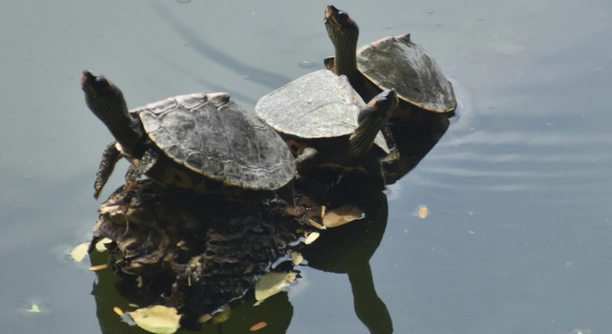
Do you own an Indian Roofed Tortoise and want to ensure it stays healthy and comfortable?
If your tortoise is not getting enough heat, it may be time to replace the heat lamp. A new lamp can ensure proper temperature levels, which are crucial for your tortoise’s digestion, activity, and overall well-being.
Learning when to change your tortoise’s heat lamp can help avoid stress or health issues. Keep reading to discover the signs that it’s time for a new one.
Understanding the Importance of Heat for Your Tortoise
Heat is essential for your Indian Roofed Tortoise to remain healthy. They are cold-blooded animals, which means they rely on external heat sources to regulate their body temperature. Without proper warmth, they cannot digest food properly, leading to potential health issues. Your tortoise needs to bask in a warm area that mimics its natural environment. This is where a heat lamp comes into play. Over time, heat lamps can lose their effectiveness, which could result in your tortoise not receiving the heat it needs. A consistent temperature of around 85-90°F (29-32°C) during the day is necessary for the tortoise to stay active and healthy. If the heat lamp isn’t working, your tortoise may show signs of stress or lethargy.
The most common signs of heat lamp failure include lethargy or lack of appetite in your tortoise. If they aren’t basking under the lamp, it may not be providing enough warmth.
Replacing the heat lamp when it shows signs of failure is crucial. A warm basking spot is vital for the tortoise’s digestion and overall well-being. If the lamp is no longer providing sufficient warmth, it can affect their immune system and lead to further complications. A functioning heat lamp ensures that the tortoise remains active, eats properly, and maintains a healthy metabolism. It also helps regulate their sleep cycles and activity levels. Without proper heat, your tortoise may become prone to respiratory infections, shell problems, or other health issues. Regular checks of the lamp’s effectiveness can help prevent these issues.
Checking the Temperature of the Lamp
It is essential to monitor the temperature regularly. Use a thermometer to confirm that the basking area is within the correct range.
An easy way to check the heat lamp’s effectiveness is by using a temperature gun or thermometer. Place the thermometer near the basking area and check if the heat is reaching the proper level. Over time, bulbs can dim or burn out, so it’s important to test the temperature consistently to ensure your tortoise stays comfortable and healthy.
Signs the Heat Lamp is No Longer Effective
When your tortoise seems unusually sluggish or refuses to eat, it may indicate the heat lamp isn’t working. These changes are often the first noticeable signs that your tortoise isn’t getting enough warmth.
A heat lamp may also become less efficient over time, not reaching the ideal temperature needed for your tortoise. If the light is on, but the basking area feels cool or your tortoise is staying away from the lamp, it’s time to consider a replacement. The light may look normal to the eye but could be giving off insufficient heat. Your tortoise depends on it, and consistent warmth is necessary for its daily activities and digestion. If you’ve noticed this behavior, it’s best to test the lamp’s temperature with a thermometer to confirm whether it is effective or not.
Some tortoises may hide more often, seeking cooler spots. This could also be a sign that the temperature isn’t right. If your tortoise spends more time in a hiding spot than basking, it could be avoiding discomfort caused by a cold environment. A heat lamp that no longer produces the required heat can lead to these behaviors, making it critical to replace it as soon as possible.
Choosing the Right Replacement Lamp
When it’s time to replace your heat lamp, make sure to pick one that fits the specific needs of your tortoise. Choose a bulb designed for reptiles and make sure it emits the correct heat for their environment.
Reptile heat lamps come in various wattages and types, including incandescent, mercury vapor, and ceramic heat emitters. Incandescent bulbs are a common option for tortoises and provide both heat and light, though they may need to be replaced more frequently. Ceramic heat emitters provide warmth without light, making them a great choice for night-time heating. Mercury vapor bulbs are highly effective but can be more expensive. Check your tortoise’s habitat to ensure the lamp provides consistent heat in the proper temperature range. Regularly monitor its effectiveness to avoid future issues.
Testing the Lamp’s Functionality
Test your heat lamp regularly by using a thermometer. If the temperature is too low or fluctuating, it may be time for a replacement.
Ensure that the lamp consistently maintains the required temperature. If you notice the basking area is cooler than expected or the lamp fails to heat up after being switched on, it’s a clear sign that the bulb is no longer effective. A stable temperature is crucial for your tortoise’s health, so use a thermometer to monitor it daily.
Adjusting the Habitat for New Lamps
Once you replace the heat lamp, make sure to adjust your tortoise’s habitat as needed. Ensure the basking area is in the correct position and that the lamp is appropriately placed.
Position the new heat lamp to create a warm spot, allowing your tortoise to regulate its body temperature easily. Be sure the light source isn’t too close to avoid overheating. Maintain proper humidity levels in the enclosure, as this also contributes to your tortoise’s comfort. Adjust the basking spot based on the new lamp’s heat output to ensure consistency.
FAQ
How do I know if my tortoise is getting too much heat?
If your tortoise starts to seek cooler spots or seems less active, it could be getting too much heat. Overheating can cause stress, dehydration, and even burns on your tortoise’s skin or shell. To avoid this, ensure the basking area temperature stays within the recommended range of 85-90°F (29-32°C). Also, make sure there’s a cooler area for your tortoise to retreat to if needed. If the basking spot is too hot, your tortoise may spend more time hiding or become lethargic. Monitoring both temperature and behavior will help you maintain a comfortable environment for your tortoise.
How often should I replace my tortoise’s heat lamp?
Heat lamps generally need to be replaced every 6 to 12 months, depending on usage. Over time, bulbs lose their ability to produce sufficient heat, even though they might still emit light. It’s important to check the temperature regularly to make sure the lamp is still effective. Some bulbs can burn out sooner if used constantly, while others may last longer. Keep an eye on your tortoise’s behavior as well, as any signs of lethargy or decreased activity might indicate the lamp needs replacing sooner than expected. Regular checks will help you maintain a proper environment.
Can I use a regular light bulb as a heat source for my tortoise?
While a regular light bulb may provide some light, it won’t provide the necessary heat for your tortoise. Heat lamps are specifically designed for reptiles, providing both heat and light that mimics the natural environment. Using a regular light bulb may result in an insufficient basking area, leading to stress or health issues for your tortoise. Stick with heat lamps designed for reptiles to ensure your tortoise gets the proper warmth and light. It’s also essential to ensure that the lamp provides the right amount of heat for your specific species of tortoise.
What kind of heat lamp is best for an Indian Roofed Tortoise?
For an Indian Roofed Tortoise, a combined heat and UVB lamp is ideal. UVB rays help your tortoise produce vitamin D3, which is essential for calcium absorption and shell health. You can choose from incandescent bulbs, mercury vapor bulbs, or ceramic heat emitters, depending on your needs. Incandescent bulbs are a common choice and provide both heat and light. If you prefer a lamp that only provides heat without light, a ceramic heat emitter is a good option. Mercury vapor bulbs are the most effective for both heat and UVB, but they are pricier. Choose a heat lamp that fits your tortoise’s habitat size and temperature needs.
How do I adjust the temperature if my tortoise’s heat lamp isn’t working?
If your tortoise’s heat lamp isn’t working properly, check the temperature of the basking spot immediately using a thermometer. If the lamp isn’t reaching the desired temperature, consider adjusting the wattage of the bulb or moving the lamp closer to the basking area. You may also need to replace the bulb if it has burned out. If replacing the bulb doesn’t solve the problem, you might want to invest in a new heat lamp. Always ensure that the basking spot is within the appropriate range, usually between 85-90°F (29-32°C) for most tortoises.
Can a tortoise survive without a heat lamp?
No, tortoises cannot survive without a heat lamp. As cold-blooded animals, they rely on external heat sources to regulate their body temperature. Without adequate warmth, your tortoise will not be able to digest food properly, which can lead to malnutrition and health problems. Lack of heat also weakens their immune system, making them more susceptible to infections. A proper heat lamp ensures your tortoise remains healthy, active, and comfortable. If you’re unsure about the right temperature, it’s best to monitor it regularly and make adjustments as needed to maintain a stable environment.
Is it safe to leave the heat lamp on all the time?
It’s not safe to leave the heat lamp on all the time, as it can overheat the enclosure, especially if the lamp is too powerful. Tortoises also need a day-night cycle to regulate their internal clocks. The best approach is to have the lamp on for 12-14 hours a day to simulate daylight and provide heat, then turn it off for 10-12 hours for nighttime. During the night, your tortoise doesn’t need as much heat, and it’s important to give them a rest period. If you need nighttime warmth, consider using a ceramic heat emitter, as it doesn’t emit light, ensuring your tortoise can rest without disturbance.
What should I do if my tortoise isn’t basking under the heat lamp?
If your tortoise isn’t basking under the heat lamp, it may be a sign that the lamp isn’t providing the right amount of heat. Check the temperature of the basking area using a thermometer. If it’s too cold, replace the bulb or adjust the distance of the lamp from the basking spot. If the lamp is working fine, the tortoise might be stressed or unwell, and you should look for other signs of health issues. Another possibility is that your tortoise prefers cooler temperatures, so providing a cooler area to retreat to can help. If the issue persists, a visit to a vet may be necessary.
Do I need to provide UVB light for my tortoise?
Yes, providing UVB light is crucial for your tortoise’s health. UVB rays help your tortoise produce vitamin D3, which is needed for calcium absorption and maintaining a healthy shell and bones. Without proper UVB light, your tortoise could develop metabolic bone disease and other health issues. Most heat lamps for reptiles come with UVB rays, but if yours doesn’t, you will need to buy a separate UVB bulb. Make sure the UVB light is placed correctly and is within the proper distance from your tortoise to ensure it gets the right amount of exposure.
How do I maintain the proper humidity for my tortoise while using a heat lamp?
Maintaining proper humidity is important for your tortoise’s health, even when using a heat lamp. While heat lamps dry out the air in the enclosure, it’s essential to keep humidity levels within the right range to prevent dehydration. Use a humidity gauge to monitor the levels in the habitat. You can increase humidity by misting the enclosure or adding a water dish. Make sure the substrate is slightly moist, but not soaking wet. It’s important to create a balance between the warmth from the heat lamp and the humidity for a comfortable, healthy environment for your tortoise.
Final Thoughts
Maintaining a proper heat source for your Indian Roofed Tortoise is essential to ensure its well-being. A reliable heat lamp provides the necessary warmth and light that tortoises need to stay healthy, digest food properly, and remain active. Without adequate heat, they can become lethargic, lose their appetite, and face potential health problems like respiratory issues or shell deformities. Replacing the heat lamp when it’s no longer effective is crucial for keeping your tortoise’s environment stable and comfortable. Regularly checking the lamp’s functionality and temperature will help you avoid any surprises and ensure your tortoise thrives.
When choosing a new heat lamp, be sure to pick one that matches your tortoise’s needs. Some lamps provide both heat and UVB, which is necessary for calcium absorption and maintaining strong bones and shell. Always consider your tortoise’s species and habitat size when selecting the right lamp. An incorrect lamp may not provide sufficient warmth, while a lamp that is too powerful can overheat the enclosure. Balance is key, and the proper setup helps your tortoise feel secure and comfortable. Additionally, checking the lamp’s temperature regularly is a good habit to make sure the heat remains consistent throughout the day.
In the end, providing a healthy, well-maintained habitat for your tortoise is a responsibility that requires attention to detail. Keeping an eye on your tortoise’s behavior, such as where it chooses to bask or if it’s acting lethargic, will give you important clues about the state of its heat lamp. Regular lamp maintenance and replacement, along with temperature checks, go a long way in ensuring your tortoise remains healthy and happy. With the right care, your Indian Roofed Tortoise can live a long, fulfilling life.

Hello,
If you enjoy the content that we create, please consider saying a "Thank You!" by leaving a tip.
Every little bit helps us continue crafting quality advice that supports the health, happiness, and well-being of pets around the world, for pets of all shapes, sizes, and species.
We really appreciate the kindness and support that you show us!