
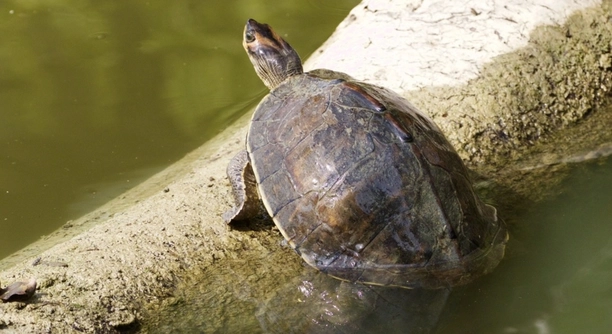
If you’re a tortoise owner, you’ve probably noticed your Indian Roofed Tortoise flicking its tongue frequently. It’s a behavior that might seem a bit odd at first, but there’s a reason behind it.
The tongue flicking behavior in Indian Roofed Tortoises is primarily a way for them to gather information about their surroundings. This action helps them sense changes in their environment, including smells, temperature, and humidity levels.
Understanding why your tortoise flicks its tongue will help you better care for it. Let’s explore the possible reasons behind this interesting behavior and how it benefits your pet’s well-being.
Understanding the Role of Tongue Flicking in Tortoises
The flicking of a tortoise’s tongue might seem like a random action, but it plays an important role in their daily activities. Tortoises use their tongue to smell, taste, and sense things in their environment. By flicking their tongue, they can detect chemicals in the air, much like how some animals use their noses. This helps them navigate their surroundings, find food, and detect potential threats. It’s an essential survival tool, particularly for a species that relies on its senses to interact with the environment.
Tongue flicking also helps tortoises gather information about food sources. By sampling the air, they can identify what is edible and whether it’s worth investigating further. This behavior is closely tied to how they search for food in their natural habitat.
As tortoises rely heavily on their sense of smell, tongue flicking helps them stay aware of what is happening around them. It’s also their way of checking the ground for different textures and temperature changes, which is crucial for survival. For example, they may flick their tongue to detect moisture levels, ensuring they stay hydrated in dry conditions.
When Is Tongue Flicking a Sign of Stress?
Sometimes, your tortoise may flick its tongue more often than usual, which could indicate stress. If a tortoise feels threatened or uncomfortable in its environment, it may begin to flick its tongue rapidly. This is a sign that it’s trying to assess what’s going on and detect any dangers. If it’s feeling nervous or anxious, the flicking behavior can become more frequent.
Understanding the environmental factors that affect your tortoise can help reduce stress. For example, sudden changes in temperature, light, or the introduction of new animals can cause anxiety. By maintaining a stable and calm environment, you can help your tortoise feel safe, which may reduce excessive tongue flicking.
How to Know If Your Tortoise Is Healthy
If your tortoise is flicking its tongue regularly, it’s often a sign that it’s in good health. Healthy tortoises use their tongue to explore and sense their surroundings. It’s part of their natural behavior. As long as the tongue flicking isn’t excessive or paired with other signs of distress, it’s generally a normal part of their routine.
However, if you notice a significant change in the frequency or intensity of the flicking, it could be worth investigating. Illness or discomfort might cause a tortoise to flick its tongue more often as it tries to gather information about its environment. Keep an eye on other behaviors such as lethargy, loss of appetite, or abnormal movements. These signs may indicate health issues that need attention.
A healthy tortoise should be active, alert, and engaged with its environment. If the tongue flicking is normal and the tortoise behaves otherwise as expected, there’s usually no cause for concern. Proper care, a balanced diet, and a suitable habitat are key to maintaining your tortoise’s well-being. Regular health checks will also ensure that any issues are caught early on.
How the Environment Affects Tongue Flicking
The environment plays a major role in how often your tortoise flicks its tongue. Factors such as temperature, humidity, and lighting can influence this behavior. Tortoises are highly sensitive to changes in their surroundings, and tongue flicking is one way they assess these factors.
For example, if the temperature drops or rises too drastically, your tortoise may flick its tongue more as it adjusts to the change. This action helps it assess if the environment is comfortable enough. Ensuring that your tortoise’s habitat maintains a consistent temperature range, with proper humidity levels, will help reduce unnecessary stress. If the habitat fluctuates too much, your tortoise may increase tongue flicking in an attempt to gather more information.
The presence of new objects, food, or changes in their enclosure can also increase tongue flicking. It’s important to keep the environment stable and familiar to avoid stressing your tortoise. Regularly checking their habitat setup can ensure it remains optimal for their needs.
What to Do If Your Tortoise Flicks Its Tongue Excessively
If you notice your tortoise flicking its tongue more than usual, it might be trying to tell you something. This could signal stress, discomfort, or even illness. It’s important to pay attention to any other behavioral changes that accompany this action.
Check for other signs of stress or illness, such as reduced movement, lack of appetite, or hiding more than usual. Excessive tongue flicking could be due to environmental stressors, such as an inappropriate temperature or lighting setup. Make sure their enclosure is properly maintained with correct humidity, lighting, and temperature to help ease their stress.
If environmental factors seem fine, and the behavior continues, consider consulting a vet to rule out health issues. Sometimes, underlying problems such as respiratory infections can cause abnormal behavior like constant tongue flicking. It’s always better to be cautious and seek professional advice if you’re unsure.
How Temperature Affects Your Tortoise’s Behavior
Temperature plays a critical role in your tortoise’s overall health and behavior. If the temperature inside their enclosure fluctuates too much, it may increase tongue flicking as they try to assess their surroundings. A stable temperature is essential for their well-being.
When the environment becomes too hot or too cold, it causes your tortoise to become more sensitive, which may lead to increased flicking. They use their tongue to detect changes in temperature, helping them adjust. Be sure to keep the temperature within the recommended range to avoid any discomfort or stress for your tortoise.
Maintaining Proper Hydration for Your Tortoise
Hydration is another key factor in your tortoise’s behavior. When dehydrated, your tortoise may flick its tongue more often to detect moisture in its environment. Ensuring that your tortoise has access to fresh water and a humid environment can help keep this behavior at a normal level.
FAQ
Why does my tortoise flick its tongue?
Tortoises flick their tongues as a natural behavior to explore their surroundings. It helps them gather information about the environment, especially smells and textures. This is how they sense changes in their habitat, like temperature, humidity, or potential food sources. It’s also an essential way for them to detect things in their path, like moisture or predators.
Is tongue flicking a sign of stress?
While occasional tongue flicking is normal, excessive or rapid flicking can indicate stress. This behavior can occur when the tortoise feels threatened, uncomfortable, or uncertain about its surroundings. Stress can result from changes in the environment, such as sudden temperature fluctuations or the presence of new animals. If this behavior is frequent, it’s important to assess their habitat and make sure it’s stable and comfortable.
How do I know if my tortoise is stressed?
In addition to frequent tongue flicking, signs of stress in tortoises include hiding more than usual, reduced activity, loss of appetite, and abnormal behavior. A stressed tortoise may also retreat into its shell more often or seem lethargic. These behaviors suggest your tortoise is not feeling secure in its environment, and adjustments may be needed. Always ensure their enclosure has proper temperature, humidity, and lighting to avoid these stress signals.
Can my tortoise flick its tongue when it’s hungry?
Yes, tortoises may flick their tongue when they’re hungry, especially when they’re trying to find food. By flicking their tongue, they can detect smells and food sources around them. It’s part of their natural feeding behavior. If your tortoise is flicking its tongue more frequently, consider whether it might be due for a meal or if it is actively looking for food in its environment.
Is it normal for a tortoise to flick its tongue a lot?
Tongue flicking is normal for tortoises, but it should be in moderation. If your tortoise is flicking its tongue excessively, it could be a response to environmental changes, stress, or even discomfort. In such cases, check the enclosure for issues like incorrect temperature, lack of hydration, or inadequate hiding spots. Healthy tortoises may flick their tongue occasionally to explore or sense their surroundings.
How can I reduce my tortoise’s stress?
To reduce stress in your tortoise, create a stable and comfortable environment. Ensure the temperature and humidity levels are appropriate for your tortoise’s species. Provide hiding spots where it can feel safe, and avoid introducing new animals or changes in its habitat too abruptly. A consistent feeding schedule and a well-maintained enclosure will help your tortoise feel more secure.
Why is my tortoise flicking its tongue in its sleep?
It’s not uncommon for tortoises to flick their tongue while resting or even in their sleep. This could be a normal part of their sleep cycle, as they may be processing the environment around them, even in a semi-sleep state. However, if the flicking becomes more frequent during sleep or other abnormal behaviors occur, it may be worth investigating further.
Can environmental changes cause more tongue flicking?
Yes, sudden changes in the environment, such as a shift in temperature, lighting, or humidity, can cause your tortoise to flick its tongue more often. Tortoises use their tongue to assess these changes. If they are unable to adapt quickly, the flicking may increase as they try to gather more information. Keeping a consistent environment can reduce this behavior.
Should I worry if my tortoise flicks its tongue after being handled?
After handling, some tortoises may flick their tongue as a way of re-assessing their surroundings. This can happen as they adjust to being back in their environment or after experiencing new scents or stimuli from human interaction. If the flicking is brief and not accompanied by other signs of distress, it’s generally not a cause for concern.
What should I do if my tortoise stops flicking its tongue?
If your tortoise suddenly stops flicking its tongue, it might be a sign of illness or discomfort. Lack of tongue flicking could indicate that the tortoise is having trouble sensing its surroundings or has become overly lethargic. In this case, monitor for other signs such as reduced movement, loss of appetite, or hiding behavior. If you notice any of these, it’s best to consult a veterinarian for further advice.
Can dehydration cause my tortoise to flick its tongue more?
Yes, dehydration can lead to increased tongue flicking. When tortoises are dehydrated, they might flick their tongues more frequently to try and detect moisture in their environment. It’s important to ensure your tortoise has access to clean, fresh water at all times. Additionally, maintaining proper humidity in their enclosure can help prevent dehydration and keep their tongue flicking at a normal level.
How can I tell if my tortoise’s tongue flicking is a sign of illness?
If your tortoise is flicking its tongue excessively, along with other signs of illness such as lack of appetite, lethargy, or difficulty moving, it could be a symptom of a health issue. Respiratory infections, in particular, can cause abnormal behavior like frequent tongue flicking. In such cases, it’s essential to take your tortoise to a veterinarian for a proper diagnosis and treatment.
Is tongue flicking common in all types of tortoises?
Tongue flicking is common in most species of tortoises, though the frequency and intensity may vary. It’s a natural behavior across different species, used for exploring and sensing the environment. However, the specific purpose and frequency can differ depending on the species, their habitat, and their diet.
Final Thoughts
Tongue flicking is a normal behavior for Indian Roofed Tortoises, and it serves an important purpose in how they interact with their environment. This action helps them gather sensory information about their surroundings, such as detecting food, moisture, temperature, and potential threats. By flicking their tongue, tortoises are able to gather these vital cues without needing to fully engage with their environment in other ways. It’s a simple but effective method that helps them stay aware of what’s happening around them, ensuring their survival and well-being.
However, it’s important to monitor how often your tortoise flicks its tongue. If the flicking becomes excessive or occurs alongside other changes in behavior, it could be a sign of stress, discomfort, or even illness. Stress factors, such as an unstable habitat, improper temperature, or sudden changes in its environment, can trigger more frequent tongue flicking. By paying attention to the overall condition of your tortoise and its environment, you can quickly identify if something isn’t right and address it before it becomes a bigger issue.
Caring for your tortoise involves maintaining a stable and healthy environment. Ensuring proper temperature, humidity, and lighting will go a long way in keeping your tortoise comfortable and minimizing stress-related behaviors like excessive tongue flicking. Regular check-ups and observing your tortoise’s behavior can also help you identify potential health issues early on. When you provide the right care, your tortoise will naturally exhibit normal behaviors like tongue flicking, which is just another sign that it’s thriving in its environment.

Hello,
If you enjoy the content that we create, please consider saying a "Thank You!" by leaving a tip.
Every little bit helps us continue crafting quality advice that supports the health, happiness, and well-being of pets around the world, for pets of all shapes, sizes, and species.
We really appreciate the kindness and support that you show us!