
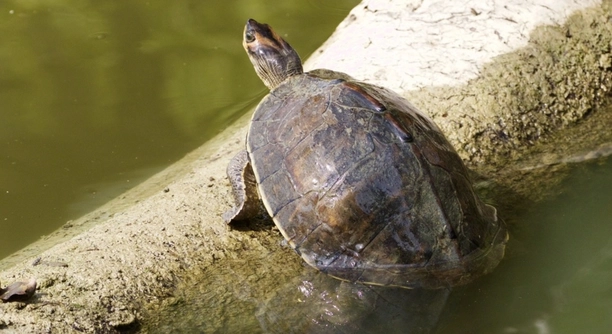
Choosing the right water dish for your Indian Roofed Tortoise is crucial for their hydration and overall well-being. These tortoises, being native to tropical climates, require easy access to fresh water for drinking and soaking.
The best water dishes for Indian Roofed Tortoises should be shallow, stable, and large enough for soaking. A dish with a gentle slope is ideal, as it helps them enter and exit easily. The material should be safe and non-toxic.
Understanding the right dish will ensure your tortoise stays hydrated and comfortable. Let’s explore the best options available for your pet’s needs.
Why the Right Water Dish Matters for Indian Roofed Tortoises
Providing the right water dish for your Indian Roofed Tortoise is not just about convenience; it directly impacts their health. These tortoises require a source of clean water for hydration and soaking. Soaking helps them maintain proper skin health and aids in digestion. If the water dish is too small or deep, they might struggle to access it, which could lead to dehydration. Additionally, a poorly designed dish can cause stress if the tortoise feels unsafe while entering or exiting it. Keeping the water clean is also vital to avoid bacterial growth, which could harm your pet. Choosing a dish that supports both hydration and comfort is key to creating a suitable habitat.
A shallow, stable, and easy-to-enter water dish is ideal for your tortoise. It should be large enough to allow for soaking but not too deep, ensuring the tortoise can get in and out easily. Clean water should always be available.
Making sure that your tortoise has access to clean water every day will help them thrive. Choosing the right water dish plays a big role in maintaining their health and happiness.
Features to Look for in a Water Dish
When selecting a water dish for your tortoise, it’s important to consider a few key features. The dish should be shallow enough for easy access but deep enough for soaking. Stability is crucial to prevent tipping.
A sturdy, non-toxic material like ceramic or heavy plastic is recommended for durability and safety. Avoid anything with sharp edges that could harm your tortoise. Additionally, the dish should be large enough to accommodate your tortoise’s size without overwhelming them. Some tortoises enjoy sitting in the water, so having enough space for them to soak comfortably is important. The water should be changed daily to ensure cleanliness, especially if the tortoise has been soaking. A clean water dish helps prevent skin infections and other health issues.
Choosing a dish with a gentle slope or shallow step may also be beneficial. This allows the tortoise to easily get in and out, reducing stress and helping them stay hydrated without difficulty. You should also consider the dish’s weight—heavier dishes are less likely to be tipped over by your tortoise.
Best Materials for Water Dishes
The material of your tortoise’s water dish plays a significant role in its durability and safety. Ceramic, heavy plastic, and stone are all good options. These materials are sturdy and unlikely to tip over easily. Avoid materials like metal, which can rust and cause health issues.
Ceramic dishes are often the best choice because they are heavy and durable. They also have a non-porous surface, making them easier to clean and preventing bacteria buildup. They can also retain cool temperatures, which is beneficial for your tortoise in warmer environments. Make sure to choose a ceramic dish that is free of lead or toxic glazes, which can harm your tortoise. Heavy plastic is another solid option but tends to be less durable over time compared to ceramic.
Stone dishes are also a great choice due to their natural weight and stability. However, they might be harder to clean, especially if they are uneven. Make sure to check that the stone material is smooth and free from any sharp edges.
Size and Shape of the Dish
When selecting a water dish for your Indian Roofed Tortoise, consider both size and shape. The dish should be large enough for your tortoise to comfortably soak but not too deep that they struggle to enter or exit.
A shallow dish with a gentle slope is ideal for your tortoise to step in and out without difficulty. Look for dishes with wide, sloped sides. This provides easy access to water while still allowing space for your tortoise to soak. A deep dish may work for larger tortoises, but it’s essential that it has a gradual entry to prevent accidents. A dish that’s too deep might cause the tortoise to panic or make it hard for them to get back out, leading to stress.
It’s also essential to check the dish’s size based on the size of your tortoise. A larger tortoise will need a bigger dish, but smaller tortoises can do well with smaller ones. However, even a smaller tortoise benefits from a dish large enough to accommodate their soaking needs.
Cleaning and Maintenance
Keeping your tortoise’s water dish clean is essential for their health. A dirty dish can lead to bacterial growth, which could cause infections. Clean the dish daily, especially if your tortoise uses it to soak.
To clean the dish, use warm water and a mild, non-toxic soap. Scrub away any algae or residue, then rinse thoroughly. It’s important to dry the dish before refilling it with fresh water. Regular cleaning prevents any harmful buildup that could affect your tortoise’s well-being. Consider using a separate brush for the dish to avoid cross-contamination from other items in the enclosure.
Water Temperature and Freshness
Water temperature is another factor to consider. The water should be lukewarm, especially in colder months. If the water is too cold, it can stress your tortoise. On the other hand, hot water may cause burns.
Always provide fresh water every day. Stale water can attract bacteria and may make your tortoise avoid drinking it. Use a thermometer to check the water temperature regularly. If you live in a warmer climate, it’s a good idea to check the water more frequently to ensure it stays cool.
FAQ
How often should I clean my tortoise’s water dish?
It’s best to clean your tortoise’s water dish daily. If your tortoise uses the dish for soaking, it may need cleaning more frequently to remove any debris or waste. Dirty water can lead to bacterial growth, which is harmful to your pet. Always use warm water and a mild, non-toxic soap when cleaning, and ensure that the dish is completely dry before refilling it with fresh water.
Can I use a plastic water dish for my tortoise?
Yes, you can use plastic water dishes, but they should be heavy and durable enough to prevent tipping. Avoid thin plastic that can easily be flipped over or cracked. Choose high-quality, non-toxic plastic. Plastic dishes are generally easier to clean, but they tend to be less stable than ceramic or stone dishes.
Should I provide a soaking dish for my tortoise?
Yes, soaking is an essential part of your tortoise’s care. A dish that is shallow enough for them to get in and out easily but large enough to allow for soaking is ideal. Soaking helps keep their skin healthy and aids digestion. Make sure the dish is wide enough for your tortoise to move around comfortably.
What size water dish should I get for my Indian Roofed Tortoise?
The size of the water dish should be large enough for your tortoise to comfortably soak but not too deep to prevent easy access. A dish that is about 2-3 inches deep is typically suitable. It should be wide enough to allow them to sit in the water without difficulty. Ensure the water dish matches the size of your tortoise—larger tortoises need larger dishes.
Can I use a ceramic dish for my tortoise’s water?
Yes, ceramic dishes are an excellent choice for tortoises. They are heavy, durable, and stable, so they are less likely to tip over. Ceramic is also easy to clean and maintains a cool temperature, which is good for your tortoise, especially in warmer climates. Just ensure that the ceramic dish does not have any toxic glazes or sharp edges.
How do I prevent algae growth in my tortoise’s water dish?
Algae growth can occur when the water dish is exposed to sunlight or left unclean for too long. To prevent algae buildup, clean the dish daily, and avoid placing it in direct sunlight. If algae starts to form, scrub the dish with a brush, mild soap, and warm water. Make sure to rinse it thoroughly.
How deep should the water dish be for my tortoise?
The depth of the water dish should be shallow enough for your tortoise to easily enter and exit. A depth of around 2-3 inches is usually sufficient. If the dish is too deep, your tortoise may have difficulty getting in and out, which can cause stress. Shallow dishes with a gradual slope make it easier for them to access the water.
Can my tortoise drink from a deep dish?
Tortoises can drink from deeper dishes, but the problem arises when they attempt to soak. If the dish is too deep, your tortoise might find it challenging to climb in and out. It’s essential to provide a dish with a gradual slope, especially for soaking purposes, so your tortoise doesn’t struggle. Deep dishes are suitable for larger tortoises, but shallow dishes are generally better for smaller ones.
Is it okay if my tortoise’s water dish is made of metal?
It’s not recommended to use metal dishes for your tortoise’s water. Metal can rust, and rust can harm your tortoise’s health if ingested. Additionally, metal can retain heat or become cold quickly, which could cause discomfort to your tortoise. Stick with ceramic, plastic, or stone dishes, which are safer and more stable.
How do I know if the water temperature is safe for my tortoise?
Water temperature is essential for your tortoise’s comfort. Lukewarm water, around 75-80°F (24-27°C), is ideal. If the water is too cold, it can cause stress or slow down their metabolism. If it’s too hot, it can burn them. Use a thermometer to check the water temperature before offering it to your tortoise.
Should I change my tortoise’s water daily?
Yes, it is important to change your tortoise’s water daily to ensure it stays clean and fresh. Stale water can quickly lead to bacteria or mold growth, which is harmful to your tortoise. If the water is used for soaking, you may need to clean it more frequently. Always make sure to replace the water with fresh, clean water each day.
What type of water should I give my tortoise?
You should provide your tortoise with clean, fresh water, preferably dechlorinated water. Tap water often contains chlorine or chloramine, which can be harmful to your tortoise over time. If your water supply contains chlorine, consider using a water conditioner or offering filtered or bottled water. Always ensure the water is at a safe temperature before offering it to your tortoise.
Is it necessary for my tortoise to soak daily?
While it’s not absolutely necessary for your tortoise to soak daily, it is highly beneficial for their hydration and skin health. Regular soaking helps them stay hydrated, especially if they are not drinking enough water on their own. Soaking also helps with shedding and aids in digestion. If your tortoise shows signs of dehydration, increased soaking may be necessary.
How do I clean a stone water dish?
Stone water dishes can be harder to clean than ceramic or plastic ones, but it’s still important to keep them clean. Use warm water and a non-toxic soap to clean the dish, and scrub it gently with a soft brush. If the stone has rough patches, these can trap debris, so pay extra attention to those areas. Always rinse the dish thoroughly to remove any soap residue.
Can I put my tortoise’s water dish outside?
Yes, you can place your tortoise’s water dish outside, but you need to consider a few factors. If your tortoise spends time outdoors, ensure the dish is placed in a shaded area to prevent the water from overheating in direct sunlight. Also, check the dish regularly for cleanliness, as it may collect dirt, leaves, or insects.
What’s the best way to ensure my tortoise stays hydrated?
To keep your tortoise hydrated, offer them clean water daily and provide a dish that is both shallow and large enough for soaking. Monitor their behavior and hydration levels regularly. If your tortoise is not drinking enough, you can also provide water through misting or additional soaking sessions.
Final Thoughts
Choosing the right water dish for your Indian Roofed Tortoise is an important step in ensuring their health and well-being. Providing access to clean, fresh water every day is essential for hydration and overall comfort. The right dish should be shallow enough for easy access but large enough to allow for soaking, which is important for their skin health and digestion. The material of the dish matters too—ceramic, stone, and heavy plastic are often the best choices, as they are durable and stable. A stable dish helps prevent tipping, ensuring your tortoise has a safe environment to drink and soak.
Regular maintenance and cleaning of the water dish are necessary to prevent the growth of harmful bacteria. You should clean the dish at least once a day, or more often if your tortoise uses it for soaking. Always use warm water and a mild, non-toxic soap, and be sure to rinse the dish thoroughly before refilling it with fresh water. Keeping the dish clean will also help avoid any unpleasant odors and ensure that your tortoise has access to the best possible water. Remember that the water temperature should be checked regularly, as water that is too cold or too hot could stress your tortoise. Lukewarm water is ideal for most species of tortoises.
Ultimately, providing the right water dish is about making sure your tortoise has a comfortable and accessible way to hydrate. By considering factors like size, material, depth, and ease of cleaning, you can create a safe, healthy environment for your Indian Roofed Tortoise. While it may seem like a small detail, it plays a large role in keeping your pet happy and healthy. Regularly checking the condition of the dish and ensuring it stays clean and filled with fresh water will go a long way in supporting your tortoise’s overall health.

Hello,
If you enjoy the content that we create, please consider saying a "Thank You!" by leaving a tip.
Every little bit helps us continue crafting quality advice that supports the health, happiness, and well-being of pets around the world, for pets of all shapes, sizes, and species.
We really appreciate the kindness and support that you show us!