
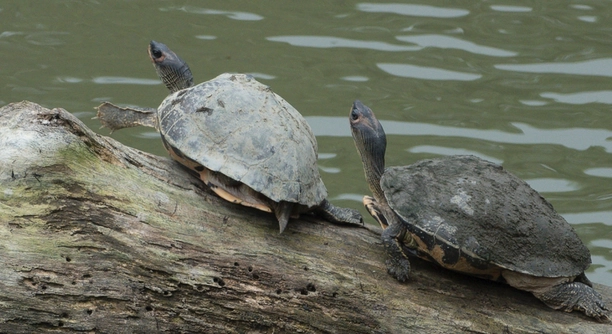
Shedding is a natural process for Indian Roofed Tortoises, but it can sometimes raise concerns for pet owners. It’s important to understand what’s normal and when it might indicate a potential issue.
Indian Roofed Tortoises shed skin periodically, and this is generally a healthy process. However, excessive shedding can signal an underlying problem, such as improper humidity or skin infections. Close observation and proper care are essential to ensure their well-being.
The article will guide you on how to recognize the signs of excessive shedding. Knowing what’s normal can help keep your tortoise healthy and comfortable.
Why Shedding Is Important for Your Tortoise
Shedding is a necessary part of your Indian Roofed Tortoise’s life cycle. Like many reptiles, they shed their skin to allow for growth and maintain healthy skin. The process typically occurs in small patches over time. As they grow, their outer layer of skin becomes too tight and needs to be replaced. This is how their body keeps up with their development. Generally, it’s a natural occurrence and should not cause concern. However, it’s still important to keep an eye on how often and how much skin is being shed.
A healthy tortoise will shed consistently in small amounts. It’s rare that it happens all at once. If your tortoise is shedding too much or too frequently, it could be a sign of stress or improper care. Keeping a close eye on this is key to their overall health.
Regular observation of your tortoise’s behavior and environment will help prevent any health issues. When everything is balanced, your tortoise will shed in a predictable, healthy manner. This is an essential part of their growth, and understanding it can prevent any unnecessary worry.
Factors That Can Affect Shedding
Environmental factors play a huge role in the shedding process. Your tortoise needs proper humidity levels and temperature to shed naturally. When the environment isn’t ideal, it can lead to dry, uncomfortable shedding that can irritate your tortoise’s skin.
Keeping their enclosure humid enough can make shedding much easier. Too little moisture can result in dry, stuck skin, while too much humidity can cause discomfort and respiratory issues. Be sure to check the temperature regularly as well. Too high or low of a temperature can stress them out and affect their health, including their skin condition. A healthy environment promotes smoother, more regular shedding.
Ensuring your tortoise’s habitat is just right can help them shed properly and avoid complications. Regularly monitor humidity and temperature levels to create an optimal environment. This will allow your tortoise to shed naturally and without issues.
Signs of Excessive Shedding
Excessive shedding often means something isn’t quite right. If your tortoise is losing large patches of skin or shedding frequently, it could indicate a problem. Watch for signs such as dry, cracked skin or skin that doesn’t come off in small pieces.
Your tortoise’s skin should come off in manageable, thin layers, leaving fresh, smooth skin underneath. If your tortoise is shedding large patches or having trouble removing old skin, it might be caused by dehydration or incorrect humidity levels. Skin that is stuck can become irritated and lead to infection, so it’s essential to address the issue right away.
It’s also important to note that excessive shedding could be caused by stress. If your tortoise’s living environment has recently changed or if they’re not getting the right nutrients, it can impact their skin shedding process. Providing a stable, calm environment helps reduce stress and encourages natural, healthy shedding. Proper care and attention can prevent this from becoming a long-term issue.
How to Handle Over-Shedding
If you notice excessive shedding, start by assessing your tortoise’s habitat. Ensure the temperature and humidity are within the ideal range. You might need to adjust the lighting or add a humidifier to help balance the air moisture.
Additionally, a well-balanced diet is crucial for healthy skin. Make sure your tortoise is eating the right food with enough vitamins and minerals. Dehydration often contributes to excessive shedding, so provide access to clean water at all times. If the environment and diet are balanced, the shedding should return to normal.
A thorough check-up with a vet may be necessary if the shedding continues despite adjustments to the environment. A vet can help identify any underlying medical conditions that could be affecting your tortoise’s shedding. It’s always a good idea to stay proactive when dealing with unusual behavior, especially with reptiles who can’t communicate discomfort in obvious ways.
Common Causes of Over-Shedding
Over-shedding can be caused by several factors, such as dehydration, stress, or poor diet. When your tortoise’s body isn’t getting what it needs, it may try to shed more skin to compensate. These underlying causes should be identified and corrected quickly.
Providing enough hydration and adjusting the temperature or humidity can help fix these issues. A balanced diet rich in nutrients and proper vitamins is also essential for healthy skin. If any of these factors are off, your tortoise may shed more than usual. Keeping these conditions stable is key.
Importance of Regular Vet Check-Ups
Even with proper care, sometimes excessive shedding can signal a health issue. Regular vet visits are essential for ensuring your tortoise stays in top shape. A vet can catch potential problems early before they become serious.
Your vet can also help guide you through any concerns you may have about your tortoise’s skin or behavior. A healthy tortoise will shed predictably, and regular check-ups ensure that everything is on track.
Preventing Future Issues
Prevention is key when it comes to shedding. Maintaining the right environment and diet helps your tortoise shed in a healthy, controlled manner. If issues persist, adjustments should be made promptly.
FAQ
How often do Indian Roofed Tortoises shed?
Indian Roofed Tortoises typically shed every few weeks to months. The frequency depends on factors such as age, environment, and diet. Younger tortoises may shed more often due to their rapid growth. Adults generally shed less frequently. However, shedding should not be excessive. If it becomes too frequent, it could indicate a problem with their care or health.
Is it normal for a tortoise to shed in large pieces?
No, shedding should occur in smaller pieces or patches. Large chunks of skin may indicate issues such as dehydration or skin infections. If your tortoise sheds large pieces, you may need to adjust its environment by increasing humidity or providing a more balanced diet. If the issue persists, a vet visit might be necessary.
Can stress cause excessive shedding?
Yes, stress can lead to more frequent shedding. Changes in environment, improper handling, or loud noises can stress out your tortoise, making it shed more than usual. Ensuring a calm, stable environment helps reduce stress. This includes keeping your tortoise’s habitat quiet, secure, and free from sudden changes.
How can I help my tortoise shed properly?
To promote healthy shedding, maintain proper humidity levels in your tortoise’s enclosure. Aim for a humidity level of 60-80%. You should also ensure the temperature is appropriate for your tortoise, as extreme heat or cold can cause stress and affect shedding. A balanced diet rich in calcium and vitamins is also crucial for healthy skin.
Should I remove the shed skin from my tortoise?
It’s generally best to leave the shed skin alone. Most of the time, your tortoise will naturally remove the shed skin on its own. However, if pieces of skin are stuck or causing discomfort, you can gently help by soaking your tortoise in warm water to loosen it. Do not force the skin off, as this could cause injury.
What if my tortoise isn’t shedding at all?
If your tortoise isn’t shedding, it could be a sign of health issues or an improper environment. Inadequate humidity, insufficient temperature, or poor diet may prevent shedding. Make sure your tortoise is getting enough water and nutrition. If your tortoise is still not shedding regularly, it’s best to consult a vet.
Can shedding affect my tortoise’s health?
Yes, shedding can affect your tortoise’s health if not done properly. If skin gets stuck or doesn’t shed in small patches, it can lead to skin infections or other health issues. Ensuring a proper habitat with the right humidity and temperature helps avoid these problems. Regularly monitor your tortoise to catch any issues early.
How do I know if my tortoise has a skin infection?
Signs of a skin infection include redness, swelling, discharge, or scabs. If your tortoise’s skin becomes inflamed or starts showing unusual signs, consult a vet immediately. A skin infection can be caused by improper care or injury, and it requires prompt treatment to prevent further complications.
Can improper diet cause shedding issues?
Yes, an improper diet can cause shedding issues. A lack of necessary nutrients like calcium, vitamin A, or omega-3 fatty acids can lead to poor skin health. Make sure your tortoise’s diet is balanced and includes leafy greens, vegetables, and safe fruits. Offering a variety of foods will ensure they get the nutrients needed for proper shedding.
What should I do if my tortoise seems to be shedding too much?
If your tortoise is shedding excessively, check its environment and diet first. Ensure humidity and temperature are within the ideal range. Make sure your tortoise has access to fresh water and a balanced diet. If the shedding doesn’t improve or you notice other signs of illness, consult with a vet to rule out medical conditions.
Can shedding be prevented?
Shedding cannot be prevented, as it’s a natural and necessary process for your tortoise. However, you can ensure it happens properly by maintaining a healthy environment. Adequate humidity, a proper diet, and regular vet check-ups can prevent shedding issues and ensure your tortoise sheds in a healthy, controlled way.
Final Thoughts
Shedding is a normal and necessary part of your Indian Roofed Tortoise’s life cycle. As your tortoise grows, it needs to shed its old skin to make room for new, healthier skin. Most of the time, shedding is a smooth process and should happen gradually, in small patches. It’s a sign that your tortoise is developing and thriving. However, when shedding becomes excessive or irregular, it’s important to pay attention. This could indicate underlying problems that need to be addressed. By observing your tortoise closely, you can ensure it sheds in a healthy way.
There are several factors that can influence how much or how often your tortoise sheds. Environmental conditions, such as humidity and temperature, play a big role in this process. If the habitat is too dry or too hot, your tortoise may struggle to shed properly. On the other hand, if the humidity is too high or the environment is too cold, it can lead to stress and discomfort. Providing a stable, comfortable environment with the right conditions is one of the easiest ways to promote healthy shedding. Additionally, a balanced diet that includes the right nutrients helps keep their skin healthy and supports proper shedding. Without these basics in place, you might start noticing signs of distress, like excessive or uneven shedding.
If you ever notice something unusual, like large pieces of skin coming off at once or skin that doesn’t shed easily, it’s best to take action early. In some cases, these issues could be related to dehydration, stress, or an infection. Adjusting the habitat conditions and improving the diet are the first steps you can take to resolve these problems. If the shedding persists or seems to worsen, it’s always a good idea to consult a veterinarian. Taking the time to monitor your tortoise’s health and environment will help ensure it remains happy and healthy as it goes through the natural process of shedding.

Hello,
If you enjoy the content that we create, please consider saying a "Thank You!" by leaving a tip.
Every little bit helps us continue crafting quality advice that supports the health, happiness, and well-being of pets around the world, for pets of all shapes, sizes, and species.
We really appreciate the kindness and support that you show us!