
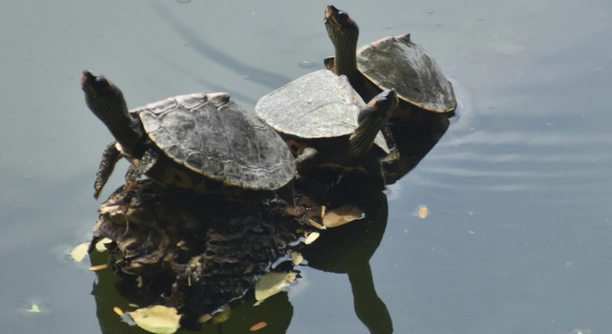
Is your Indian Roofed Tortoise’s skin peeling? This common concern can leave many tortoise owners puzzled. While peeling skin can sometimes be harmless, it may also point to certain health issues that need attention.
Skin peeling in Indian Roofed Tortoises often occurs due to factors like humidity, temperature, diet, or even shedding. It’s important to monitor these aspects to ensure your tortoise stays healthy. In some cases, underlying health problems may cause the peeling.
Understanding the causes of peeling skin can help you care for your tortoise better. Let’s explore the reasons behind it and what you can do to support your pet’s well-being.
1. Environmental Factors Affecting Your Tortoise’s Skin
Humidity and temperature play a big role in your Indian Roofed Tortoise’s skin health. If the environment is too dry or too humid, the skin may start peeling. Tortoises need a stable climate with the right balance of warmth and moisture. Too much moisture can lead to skin infections, while low humidity can cause dryness and peeling.
The ideal humidity level for these tortoises is around 60-70%. Ensure that their habitat is warm enough but not overly hot, with a basking spot reaching temperatures of 85-90°F. Consistently monitor the temperature and humidity to prevent these conditions from causing skin issues.
If the environment fluctuates or is unstable, your tortoise might experience stress, which can also affect their skin. It’s essential to provide a stable habitat to help prevent skin problems and maintain overall health.
2. Shedding and Natural Skin Renewal
Peeling skin could simply be part of the shedding process. Like other reptiles, tortoises shed their skin regularly, and it can sometimes appear flaky. While the shedding process can be normal, ensure that your tortoise isn’t having difficulty with it.
To help with shedding, make sure your tortoise has access to proper hydration and is provided with adequate space for movement. Dry or rough patches on the skin may indicate that the shedding process is not going smoothly, but regular care should allow the skin to shed naturally.
If peeling continues beyond the usual shedding cycle, consider other environmental or health factors. Proper care can often resolve this issue.
3. Poor Diet and Nutritional Deficiencies
A poor diet can directly affect your tortoise’s skin health. If they aren’t getting the right nutrients, the skin may start peeling. Ensure your tortoise gets a balanced diet with plenty of leafy greens, vegetables, and the occasional fruit. Calcium and vitamin D3 are essential for healthy skin and shell growth.
Without proper nutrition, your tortoise may become deficient in these important vitamins and minerals. This can lead to dry, flaky skin or even more serious health problems like shell deformities. It’s crucial to feed your tortoise a variety of foods to support their overall well-being.
If you suspect a dietary issue, consider offering a vitamin supplement or adjusting their food intake. Consulting with a veterinarian can help you get a clear understanding of your tortoise’s dietary needs and avoid any nutritional gaps.
4. Dehydration and Water Intake
Dehydration is another factor that can cause your tortoise’s skin to peel. If your tortoise isn’t drinking enough water, their skin can become dry and flaky. Regular access to fresh water is crucial, especially during warmer months. You can also soak them in shallow water for hydration.
Tortoises can sometimes be picky drinkers, which is why it’s essential to monitor their water intake closely. Place a shallow dish of water in their enclosure, and check it daily to ensure it’s clean. If your tortoise isn’t drinking from it, soaking them in a shallow bath can help. Hydration plays a significant role in their skin health, and proper water intake can improve skin condition.
Making sure your tortoise has enough hydration is a simple yet effective way to support healthy skin.
5. Excessive Handling and Stress
Handling your tortoise too much can cause unnecessary stress, which might lead to skin issues. Constant handling disrupts their natural behavior and can result in peeling or other skin problems. It’s important to limit how often you pick them up.
Allow your tortoise to roam freely in their enclosure without too much interference. They need time to adjust and feel safe in their space. Too much handling can also impact their overall health, leading to more serious issues like weakened immune systems. Keep handling to a minimum to avoid causing them stress.
6. Skin Infections or Parasites
If your tortoise’s skin is peeling excessively, it could be due to a skin infection or parasites. Bacterial or fungal infections often cause flaky, scaly skin. If you notice redness, swelling, or pus, it’s important to get a vet involved immediately. Parasites can also contribute to skin problems.
A veterinarian will likely perform a thorough examination to diagnose whether an infection or parasites are to blame. They might suggest a course of treatment, which could include antibiotics or antifungal medication. Keeping the enclosure clean and properly maintained will help prevent infections from occurring in the first place.
7. Mites and External Parasites
Mites or other external parasites can cause irritation and skin shedding. These pests are usually tiny and hard to see with the naked eye, but they can cause intense discomfort for your tortoise. If they’re the issue, your tortoise will likely need treatment to get rid of them.
FAQ
What should I do if my Indian Roofed Tortoise’s skin is peeling?
If your tortoise’s skin is peeling, first assess the environment. Ensure the temperature and humidity levels are appropriate. Check that your tortoise is not stressed from excessive handling. A proper diet and sufficient hydration are also essential. If the problem persists, consulting a veterinarian is advised to rule out any infections or parasites.
How can I maintain proper humidity for my tortoise?
To maintain the right humidity, provide a humid hide or moist substrate in your tortoise’s enclosure. Regularly mist the habitat or use a humidifier if necessary. Ensure a balanced humidity level of around 60-70% to avoid both excessive dryness and excess moisture. Monitoring with a hygrometer can help keep track.
Could my tortoise be shedding its skin?
Yes, your tortoise could be shedding its skin naturally. This process is normal and occurs as the skin renews itself. Typically, a tortoise will shed its skin in small patches, and it should not cause concern. If the peeling is excessive or irregular, then further investigation might be needed.
How often do Indian Roofed Tortoises shed their skin?
Indian Roofed Tortoises generally shed their skin a few times a year. Shedding can vary depending on age, diet, and environmental conditions. It’s important to provide a suitable habitat and diet to support a smooth shedding process. If your tortoise seems to be shedding too frequently or abnormally, check for other underlying causes.
Can a poor diet cause skin problems for my tortoise?
Yes, a poor diet can lead to skin issues. If your tortoise isn’t getting enough nutrients like calcium or vitamin D3, their skin may become dry and flaky. A balanced diet with leafy greens, vegetables, and occasional fruits is key. Providing supplements might help if the diet isn’t sufficient.
How can I make sure my tortoise is getting enough water?
To ensure your tortoise stays hydrated, provide fresh water daily in a shallow dish. Some tortoises don’t drink much from a bowl, so soaking them in shallow water a couple of times a week can help maintain hydration. Always check that the water is clean to avoid health problems.
What if my tortoise’s skin peeling looks infected?
If your tortoise’s skin shows signs of infection—such as redness, swelling, or discharge—it’s important to seek veterinary care. Bacterial or fungal infections can cause peeling skin, and prompt treatment with the right medication is necessary to avoid further complications. Keeping the enclosure clean can prevent infections from happening.
How can I prevent my tortoise from becoming stressed?
To reduce stress in your tortoise, keep handling to a minimum. Ensure they have a stable environment with enough space and proper temperatures. Avoid placing them in noisy or overly busy areas. A comfortable, secure enclosure allows your tortoise to thrive without unnecessary stress.
Can mites cause skin peeling in tortoises?
Yes, mites can cause skin irritation and peeling. These tiny parasites often go unnoticed but can cause intense discomfort for your tortoise. If mites are present, your veterinarian will prescribe a treatment to eliminate them. Regular cleaning of the enclosure and proper care can help prevent mites from infesting your tortoise.
How can I check if my tortoise has mites?
Mites are often hard to spot with the naked eye, but you might notice excessive scratching, restlessness, or visible patches of irritated skin. You may also notice small, dark spots on their skin. If you suspect mites, visit a vet to confirm the presence of parasites and begin treatment.
What is the best diet for an Indian Roofed Tortoise?
A healthy diet for your tortoise should primarily consist of leafy greens like dandelion, collard greens, and mustard greens. You can also offer vegetables like carrots, squash, and bell peppers. Fruits should be given occasionally, and it’s essential to provide a calcium supplement for strong bones and healthy skin.
Can I give my tortoise calcium supplements?
Yes, calcium supplements are often needed for tortoises, especially if their diet doesn’t include enough calcium-rich foods. You can offer calcium powder sprinkled on their food. This supports their shell and skin health and ensures they aren’t deficient in this essential nutrient.
How can I tell if my tortoise is dehydrated?
Signs of dehydration in tortoises include dry, flaky skin, sunken eyes, and a lack of appetite. If your tortoise is showing these symptoms, it’s important to increase their water intake and provide regular soaks. Dehydration can lead to serious health problems if left untreated.
Can stress cause long-term damage to my tortoise’s skin?
While occasional stress may cause temporary peeling or skin irritation, chronic stress can lead to long-term health issues. Prolonged stress can weaken the immune system, making your tortoise more susceptible to infections and skin problems. Creating a calm and stable environment is key to your tortoise’s well-being.
Final Thoughts
Taking care of your Indian Roofed Tortoise means paying attention to various factors that could affect its health, including its skin. Skin peeling can be caused by a variety of reasons, such as environmental changes, diet, dehydration, and stress. Understanding these factors can help you pinpoint the issue and provide the right solution. Whether it’s adjusting the humidity in their enclosure or making sure they have a balanced diet, small changes can make a big difference in your tortoise’s skin health.
If you notice your tortoise’s skin peeling, it’s important to evaluate their living conditions first. Check if the humidity levels are too low or if the temperature isn’t ideal. Ensure they have access to enough water and a diet rich in essential nutrients. Sometimes, peeling skin may simply be a part of the shedding process, but if it doesn’t seem to improve or if other symptoms develop, it may be time to consult a vet. Regularly inspecting your tortoise’s skin, checking their behavior, and making adjustments to their care routine can prevent more serious issues in the long run.
Taking proactive steps in caring for your tortoise can help prevent skin problems and ensure they live a healthy life. By maintaining a clean, comfortable habitat and providing proper nutrition and hydration, you can support your tortoise’s overall health. It’s always a good idea to consult a veterinarian if you’re unsure about the cause of peeling skin. Regular checkups and early detection of potential health issues can help keep your tortoise in top shape for years to come.

Hello,
If you enjoy the content that we create, please consider saying a "Thank You!" by leaving a tip.
Every little bit helps us continue crafting quality advice that supports the health, happiness, and well-being of pets around the world, for pets of all shapes, sizes, and species.
We really appreciate the kindness and support that you show us!