
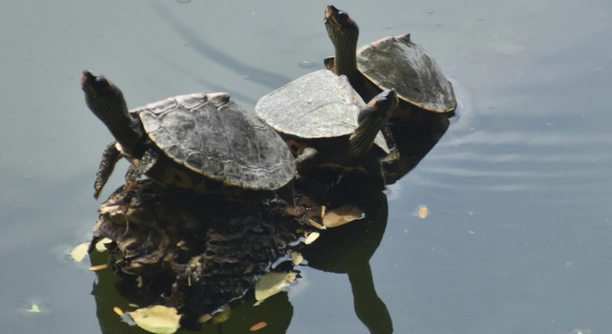
Indian Roofed Tortoises are generally known for their love of leafy greens, but what if yours refuses to eat them? Understanding the reasons behind this can help ensure your pet stays healthy and happy.
There are several reasons your Indian Roofed Tortoise may be refusing to eat greens. Stress, improper diet, health issues, or even environmental changes can impact their appetite. Identifying the root cause will help address the problem effectively.
From stress to diet, there are various factors to consider when your tortoise refuses to eat greens. Understanding these can help you solve the issue and keep your pet thriving.
Stress or Environmental Changes
Tortoises are sensitive creatures, and their environment plays a huge role in their well-being. If there has been a sudden change in temperature, lighting, or humidity in their enclosure, this could be causing stress. A stressed tortoise is less likely to eat, especially greens. Environmental stress can stem from something as simple as a change in room temperature or even loud noises near their habitat. It’s important to maintain a consistent and comfortable environment for your pet.
In addition to changes in temperature and humidity, the size or layout of their habitat may be stressing them out. A small, cramped space can make them feel uncomfortable, leading them to avoid food. Make sure their living area is spacious enough to move around and that it mimics their natural habitat as closely as possible.
Addressing environmental factors quickly can help reduce your tortoise’s stress. Try to ensure that their enclosure is quiet, the temperature is stable, and there’s enough space to roam. A calmer tortoise is more likely to return to its usual eating habits.
Health Issues
Health problems can also prevent your Indian Roofed Tortoise from eating greens. Internal parasites, mouth rot, or other infections might make it painful for them to eat. A tortoise with mouth or oral issues may avoid eating greens, especially if it causes discomfort. It’s crucial to examine their mouth for any visible signs of sores or inflammation. If you suspect an infection or illness, take your tortoise to the vet for a proper diagnosis and treatment.
Another common health issue is gastrointestinal distress. If your tortoise is dealing with digestion problems, it could affect their appetite. For example, constipation can cause discomfort, leading your pet to refuse food. A healthy gut is essential for their overall health, and any disruption in their digestive system can significantly impact their eating habits.
Ignoring possible health issues can result in more serious problems for your tortoise. Keeping an eye on their behavior and taking them to a vet if you notice any signs of illness is essential for their well-being. Early treatment can help restore their appetite and health.
Poor Diet and Food Variety
If your tortoise is used to eating the same greens every day, it may simply be bored with the routine. A lack of variety in their diet can lead to disinterest in food. Introduce different types of greens like collard greens, dandelion leaves, and mustard greens to keep their meals exciting.
A varied diet can also help ensure your tortoise is getting all the necessary nutrients. Some greens may contain more vitamins or minerals that others lack. By mixing things up, you’re not only preventing boredom but also promoting their overall health. It’s important to avoid feeding them the same food each day, as this could lead to nutritional imbalances. Offering fresh, clean, and pesticide-free options will encourage your tortoise to try new foods and maintain a healthy diet.
Try experimenting with different vegetables or even edible flowers that can spark interest in your tortoise’s food. This can encourage them to eat and improve their appetite. A healthy, varied diet ensures your pet stays strong and gets the right nutrients.
Temperature and Lighting
The temperature in your tortoise’s enclosure plays a critical role in their appetite. If the temperature is too low, they may become lethargic and less likely to eat. Ensure their habitat has a heat source, such as a basking light, to keep the environment warm and comfortable for them.
In addition to warmth, lighting is essential for proper digestion. UVB light helps your tortoise absorb calcium, which is vital for their health. Without proper lighting, they may not feel hungry or may experience digestive issues. It’s crucial to provide both heat and UVB lighting in their habitat to ensure they are getting the right conditions.
If the lighting or temperature is off, your tortoise may not be motivated to eat. Adjusting these factors can restore their natural feeding habits. Keep the environment comfortable, and they will be more likely to enjoy their meals again.
Overfeeding on Other Foods
If your tortoise is being overfed with other types of food, like fruits or high-protein items, it can cause them to lose interest in their greens. Offering too many of these foods can fill them up, leaving little room or desire for leafy greens.
It’s important to balance their diet. Keep fruits and protein-rich foods as occasional treats rather than daily staples. Overfeeding these foods can lead to unhealthy weight gain and digestive issues. A proper diet includes more fiber-rich greens and fewer high-calorie treats.
Seasonal Changes
Seasonal changes can also affect your tortoise’s appetite. In cooler months, they may naturally eat less. If your tortoise is less active or appears to be entering a hibernation-like state, they might refuse food as their metabolism slows down.
This natural decline in appetite is common during colder months. Ensure their environment is warm enough to encourage eating and provide them with foods that are nutrient-dense to make up for the lack of consumption. If you notice a significant drop in their eating habits, consider consulting a vet to rule out any health issues.
FAQ
Why is my tortoise not eating greens?
There are many reasons why your tortoise may refuse to eat greens. Stress, health issues, or even boredom with their food can be major factors. Check their environment, making sure the temperature and lighting are right. Also, consider if they are being overfed other foods like fruit, which could affect their appetite for greens.
How can I make my tortoise eat greens again?
Try offering a variety of greens. Tortoises can get tired of the same food every day. Mix up the greens you provide, like dandelion leaves, mustard greens, or collard greens. Make sure the greens are fresh, clean, and pesticide-free. Adding small amounts of herbs or edible flowers can also spark interest.
Could my tortoise be sick?
Health problems like mouth infections, internal parasites, or gastrointestinal issues can cause your tortoise to stop eating. If you notice any unusual behavior, such as lethargy or visible sores in the mouth, take them to the vet for a checkup. Health issues can prevent your tortoise from eating, and early treatment is key.
What temperature should my tortoise’s enclosure be?
Tortoises need a warm environment to thrive. The basking area should be around 95-100°F, while the cooler side of the enclosure should stay between 75-85°F. If it’s too cold, your tortoise may refuse to eat. Proper lighting, including UVB rays, is also essential for digestion and overall health.
How much should I feed my tortoise?
You should offer enough greens to last your tortoise through the day, but not overfeed. Too much food, especially high-calcium greens or fruits, can cause them to ignore their usual meals. A general rule is to feed them as much as they can consume in 30 minutes to an hour.
Is my tortoise hibernating?
If your tortoise refuses to eat during colder months, it may be preparing for a form of hibernation called brumation. This is natural, especially if their environment is not warm enough. During this time, they may eat less or not at all. However, if the refusal to eat lasts for extended periods, a vet visit is a good idea.
Should I feed my tortoise fruits?
Fruits can be given as an occasional treat, but they should not make up a large portion of their diet. Too many sugary fruits can upset their digestive system and make them less interested in greens. Stick to high-fiber vegetables and leafy greens for most of their meals.
Why won’t my tortoise eat the food I provide?
Your tortoise could be refusing food because it’s stressed, has an unbalanced diet, or doesn’t like the specific food offered. Ensure their environment is quiet and stable, their food is varied, and they’re not overfed with treats. If the issue persists, a vet visit may help to rule out underlying health concerns.
Can I feed my tortoise human food?
Human food is generally not suitable for tortoises. Many human foods, like processed foods or those high in fat or salt, can harm your tortoise’s digestive system. Stick to foods that are specifically safe for tortoises, such as leafy greens, flowers, and certain vegetables. Always research before feeding new items.
What are signs my tortoise might be stressed?
Signs of stress in a tortoise include hiding, refusing food, or becoming very lethargic. Stress can be caused by sudden changes in their environment, too much handling, or an unsuitable habitat. Keeping their space calm and stable is essential to reduce stress.
How do I know if my tortoise is dehydrated?
Dehydration can be a concern if your tortoise is not drinking enough water. Signs of dehydration include sunken eyes, dry or wrinkled skin, and lack of urination. Provide fresh water daily and consider soaking your tortoise in warm water for 10-15 minutes to help with hydration.
Can I feed my tortoise too many greens?
While greens are a vital part of a tortoise’s diet, overfeeding them can lead to imbalanced nutrition. Too many high-oxalate greens, such as spinach, can interfere with calcium absorption. It’s essential to offer a balanced diet with a variety of greens, vegetables, and occasional fruits.
Should I worry if my tortoise refuses food for a day or two?
Occasional refusals of food are generally not a cause for concern, especially if it’s only for a short period. However, if your tortoise refuses to eat for more than a few days or shows other signs of illness, a visit to the vet may be necessary.
What should I do if my tortoise is not eating because of the weather?
If your tortoise is less active or not eating during colder months, they may be entering brumation. It’s important to ensure that their environment is warm enough to encourage eating. However, if they continue to refuse food or seem unwell, seek professional advice.
Final Thoughts
If your Indian Roofed Tortoise is refusing to eat greens, it’s important to look at all possible factors that might be affecting their appetite. Stress from environmental changes, improper temperature, or even a lack of food variety can all contribute to this behavior. Making sure their living space is comfortable and consistent in terms of temperature and lighting can go a long way in helping them feel relaxed and more willing to eat. A stable environment, including proper humidity levels, is key to your tortoise’s overall well-being.
Another crucial aspect to consider is their diet. Overfeeding on fruits or protein-rich foods could fill them up and make them less interested in their greens. Rotating their greens to introduce variety, as well as offering fresh, pesticide-free options, can make mealtime more exciting for your tortoise. A varied diet not only prevents boredom but also ensures they are getting the right nutrients to stay healthy. It’s essential to keep track of how much you’re feeding them and to avoid giving too many treats or high-calorie foods.
If the problem persists, it could be a sign of a more serious health issue, such as a mouth infection or gastrointestinal problems. In such cases, it’s crucial to take your tortoise to the vet for a proper diagnosis. Health problems can cause pain and discomfort, making it difficult for your tortoise to eat. Don’t hesitate to seek professional help if you notice any signs of illness. Ultimately, keeping a close eye on your tortoise’s eating habits, environment, and overall health will help ensure they return to their regular eating routine.

Hello,
If you enjoy the content that we create, please consider saying a "Thank You!" by leaving a tip.
Every little bit helps us continue crafting quality advice that supports the health, happiness, and well-being of pets around the world, for pets of all shapes, sizes, and species.
We really appreciate the kindness and support that you show us!