
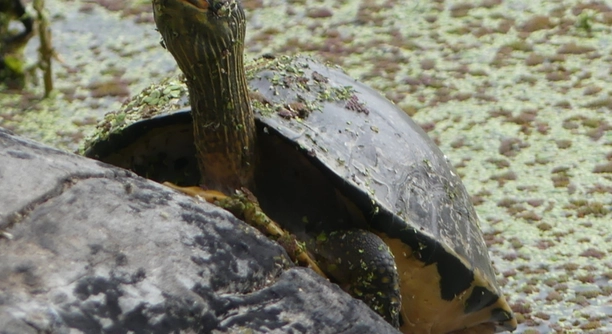
Sometimes, as pet owners, we notice unusual behaviors in our animals that make us wonder what’s going on. For Indian Roofed Tortoises, kicking their back legs can be one of these behaviors.
The primary reason your Indian Roofed Tortoise may kick its back legs often is due to stress, discomfort, or an attempt to communicate its needs. This could also be a sign of physical discomfort, such as shell or leg irritation.
Understanding this behavior can help you ensure your tortoise stays healthy and happy. Let’s explore what might be behind this action and how to address it.
Why Do Tortoises Kick Their Legs?
Indian Roofed Tortoises are known for their unique behaviors, and kicking their back legs is one of them. While this may seem odd, it’s often a sign of communication or a response to an underlying issue. Sometimes, it can be a way for the tortoise to release excess energy. Other times, this action might indicate stress or discomfort. Your tortoise could be kicking to express frustration, especially if it feels confined or unable to roam freely. If your pet’s living space is too small, the lack of space to move around can lead to this kind of behavior. Alternatively, they may be reacting to changes in temperature or lighting that make them feel uneasy. While occasional kicking may not be a serious concern, it’s essential to monitor the behavior to determine if it’s part of a larger issue.
Tortoises are sensitive creatures, and their body language, including kicking, is one way they communicate their needs.
In some cases, the kicking could be linked to discomfort or even pain. If your tortoise has a shell injury or a problem with its legs, it may attempt to kick as a way to cope with the sensation. It’s important to examine your pet for any signs of physical damage, as injuries to the shell or limbs can cause them to act out. You should also check if there are any issues with the environment, such as rough surfaces that irritate their skin or legs. Regularly inspecting your tortoise for injuries is a good way to keep track of their health.
Can Stress Play a Role?
Stress can be a significant factor in your tortoise’s leg kicking. This species of tortoise is naturally shy and can get easily stressed by changes in their environment or routine. If there’s a lot of noise, sudden movements, or disruptions, it can cause anxiety. It’s crucial to maintain a consistent environment with minimal stress triggers. Any changes in their surroundings should be introduced gradually, whether it’s a new enclosure, a change in diet, or even a new pet in the house. Tortoises also tend to be sensitive to loud noises or unfamiliar scents, which can lead to restlessness and, in turn, leg-kicking behavior. Keeping their space quiet and undisturbed can help ease their stress.
Managing your tortoise’s environment can significantly reduce stress-related behavior.
A comfortable, stress-free living environment is key to ensuring your Indian Roofed Tortoise is happy and healthy. Make sure your pet’s enclosure provides plenty of space, warmth, and hiding spots to create a safe retreat. If the enclosure is too small, your tortoise might feel trapped, leading to frustration and behaviors like leg kicking. The temperature is also a major factor in a tortoise’s well-being. Tortoises need a warm area to bask and a cooler area to retreat to when they want to rest. Any imbalance in temperature can lead to stress. Be sure to monitor your tortoise’s environment regularly and make adjustments as needed. Creating a stable and calm habitat is one of the best ways to reduce stress-related behaviors and ensure your tortoise thrives.
Health Issues That Can Cause Leg Kicking
Sometimes, leg kicking is a sign that your tortoise is not feeling well. Health problems like leg or shell injuries can cause your tortoise to react in this way.
If your tortoise has an injury, it might kick its legs to try and relieve the discomfort. This could be from a shell scrape or a sprained leg. Checking for any signs of injury is important. If there’s swelling, redness, or broken skin, this could indicate that the tortoise is hurt. In more severe cases, internal issues could also be causing pain.
Illnesses such as respiratory infections or internal parasites may also contribute to unusual behaviors. A tortoise in pain may struggle to find a comfortable position, leading to repetitive leg movements. If you notice other signs of illness, such as lethargy, loss of appetite, or labored breathing, it’s crucial to take your tortoise to the vet as soon as possible.
How to Address the Leg-Kicking Behavior
If your tortoise is kicking its back legs, start by assessing its environment. Make sure it has enough space and that its enclosure is suitable for its size.
Ensure the temperature is consistent and that the habitat is free from stressors. If you suspect your tortoise is stressed, try reducing loud noises or disruptions around its enclosure. Tortoises can be quite sensitive to these factors. It’s also important to check the substrate and decorations inside the tank. Sharp edges or rough surfaces can irritate the tortoise’s skin and legs, prompting it to kick. Adjust the layout to keep things comfortable.
If environmental changes don’t help, consider the possibility of an injury or illness. Look closely for signs of shell damage, leg issues, or any unusual physical changes. If your tortoise continues to kick its legs despite these adjustments, seeking veterinary advice may be necessary. A vet can assess for underlying health issues and offer the right treatment plan.
Inadequate Diet and Nutrition
An improper diet could lead to your tortoise kicking its back legs. If your pet is not getting the nutrients it needs, it may display abnormal behaviors.
Deficiencies in calcium, protein, or fiber can affect your tortoise’s health and behavior. Make sure you provide a balanced diet with a variety of greens, vegetables, and appropriate supplements.
Inadequate nutrition can lead to bone or joint issues, causing discomfort that may make your tortoise kick its legs. If you’re unsure about the right diet, it’s a good idea to consult with a veterinarian who specializes in reptiles to ensure your tortoise is getting what it needs.
Temperature and Lighting Problems
Incorrect temperature or lighting can contribute to leg kicking. Tortoises require specific heat gradients in their habitat, and improper lighting can cause discomfort or stress.
If the basking area is too hot or too cold, it can cause your tortoise to feel uneasy and act out. Ensure the warm and cool areas of the enclosure are balanced to give your pet the choice to regulate its body temperature. Additionally, UVB lighting is essential for their health, as it helps with calcium absorption.
FAQ
What should I do if my tortoise keeps kicking its legs?
If your tortoise is kicking its legs often, the first step is to check for any injuries or health issues. Look for signs of shell damage, swelling, or redness on the legs. If there are no physical injuries, the next step is to evaluate the living conditions. Ensure that your tortoise has a spacious, clean enclosure with a proper heat gradient. Stress from environmental factors like noise or changes in habitat can also lead to leg kicking. If these factors seem fine and the behavior continues, it might be a good idea to consult a veterinarian for further guidance.
Could leg kicking be a sign of pain?
Yes, leg kicking can be a sign that your tortoise is in pain. If your pet has an injury to its shell or limbs, it may kick its back legs as a response to discomfort. This type of behavior can also occur if there’s an internal issue like gastrointestinal discomfort or a respiratory infection. Be sure to look for other symptoms, such as loss of appetite, lethargy, or abnormal breathing. If any of these signs appear alongside the leg kicking, it’s best to consult a veterinarian.
Is my tortoise stressed?
Tortoises can be stressed by changes in their environment, such as new pets, loud noises, or an unbalanced habitat. Stress can lead to various behavioral issues, including leg kicking. If your tortoise is kicking its legs and you suspect stress, try to identify any changes or stressors in the environment. Ensure that the enclosure is large enough, with enough hiding spots, and that the lighting and temperature are suitable. Reducing any disruptions and providing a quiet, safe space for your tortoise can help alleviate stress.
Can temperature affect my tortoise’s behavior?
Yes, temperature plays a significant role in your tortoise’s behavior. If the basking area is too hot or too cold, it can lead to discomfort or stress, prompting the tortoise to kick its legs. Tortoises need a temperature gradient in their enclosure, with a warm area for basking and a cooler area for retreat. A sudden fluctuation in temperature can also cause stress, making your tortoise act out. Regularly check the temperatures in your tortoise’s habitat to ensure they are within the correct range for its species.
What are some common health issues that cause leg kicking?
Common health issues that may cause leg kicking include shell injuries, leg sprains, infections, and internal problems. If your tortoise is kicking its back legs and seems to be in pain, you should examine it for signs of injury. Check for broken or cracked shell areas, swollen limbs, or unusual movement. Illnesses like respiratory infections or parasites could also cause discomfort. If the behavior persists, a veterinarian visit is necessary to diagnose and treat the issue.
How can I improve my tortoise’s diet to avoid behavior issues?
Providing a well-balanced diet is crucial for your tortoise’s health and well-being. If your tortoise is kicking its legs due to nutritional deficiencies, focus on offering a variety of greens, vegetables, and some fruits. Calcium is especially important for shell health, so ensure your tortoise receives proper supplementation. Avoid feeding your tortoise too many high-protein foods, as they can lead to obesity and other health problems. Consult with a reptile expert or veterinarian to create a diet plan that addresses your tortoise’s specific needs.
Could leg kicking be a sign of boredom?
Yes, boredom can sometimes cause a tortoise to engage in repetitive behaviors, such as kicking its legs. Tortoises are naturally curious and need stimulation to stay healthy. If your tortoise’s enclosure is too small or lacks enriching elements like hiding spots or climbing surfaces, it may become restless and display abnormal behaviors like leg kicking. Adding new objects, providing foraging opportunities, or increasing the space in the enclosure can help reduce boredom and keep your tortoise more engaged.
Can changes in the environment trigger leg kicking?
Changes in the environment can indeed trigger leg kicking in tortoises. Tortoises are sensitive creatures, and any disruption, such as moving to a new enclosure, adjusting the lighting, or changing the location of their habitat, can lead to stress. If you recently made any changes to your tortoise’s environment and it has started kicking its legs more often, try to revert the changes to see if that helps. Gradually introducing modifications can also reduce stress.
What are the signs of a respiratory infection in tortoises?
Respiratory infections in tortoises can cause a variety of symptoms, including labored breathing, nasal discharge, wheezing, and lethargy. If your tortoise has a respiratory infection, it might also exhibit abnormal behaviors like kicking its legs due to discomfort. Keep an eye out for any signs of difficulty breathing or changes in its eating habits. A respiratory infection requires prompt treatment from a vet, so if you notice these symptoms, it’s essential to get medical help as soon as possible.
When should I seek veterinary help for my tortoise?
If the leg kicking persists for several days despite adjusting the environment and diet, or if your tortoise shows other signs of illness such as lethargy, poor appetite, or abnormal breathing, it’s time to seek veterinary help. Any sign of physical injury, such as a cracked shell or swelling, should also prompt a visit to the vet. Early intervention is key to addressing any underlying health concerns and preventing further complications.
Final Thoughts
It’s important to remember that leg kicking in an Indian Roofed Tortoise isn’t always a cause for immediate concern. It can simply be a way for your tortoise to express itself or adjust to its environment. Tortoises are creatures of habit, and changes in their habitat, diet, or routine can sometimes cause them to act out. If your tortoise is kicking its back legs, start by assessing its surroundings. A small adjustment in temperature, lighting, or space can often help resolve the issue. Ensuring that your tortoise has plenty of room to roam and a safe, quiet space to retreat to can greatly reduce stress and encourage more natural behaviors.
However, if the kicking continues or is accompanied by other signs of distress, it could indicate an underlying health issue. Tortoises, like all pets, are prone to injury or illness. A physical injury, infection, or discomfort could lead to behaviors like leg kicking as they try to cope with the pain. It’s important to closely monitor your tortoise for any changes in its physical appearance or behavior. If you notice swelling, redness, or any signs of injury on its shell or limbs, you should seek veterinary care as soon as possible. Regular check-ups and a proper diet can help keep your tortoise healthy and prevent many common issues.
Ultimately, your tortoise’s well-being depends on providing a balanced environment, proper diet, and a stress-free habitat. The key is to pay attention to its behavior and make adjustments when necessary. By keeping its living conditions optimal and ensuring it has the space and comfort it needs, you can minimize behaviors like leg kicking. If you ever feel unsure about your tortoise’s health or behavior, don’t hesitate to reach out to a veterinarian who can help guide you through any concerns. With the right care, your Indian Roofed Tortoise will thrive and enjoy a long, healthy life.

Hello,
If you enjoy the content that we create, please consider saying a "Thank You!" by leaving a tip.
Every little bit helps us continue crafting quality advice that supports the health, happiness, and well-being of pets around the world, for pets of all shapes, sizes, and species.
We really appreciate the kindness and support that you show us!