
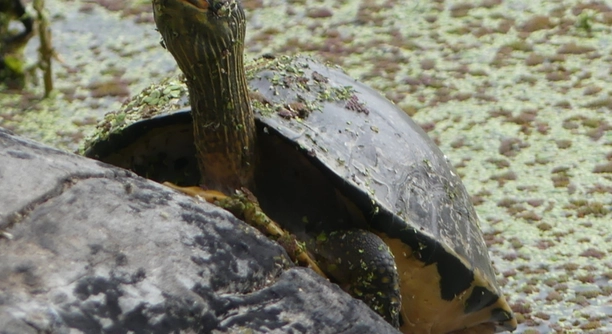
Indian Roofed Tortoises are fascinating creatures that require specific care to thrive in captivity. However, certain behaviors, such as scraping their beaks, can raise concern among owners. Understanding the causes behind this action is important for their health.
The primary reason for an Indian Roofed Tortoise scraping its beak is a natural behavior linked to environmental factors, such as substrate or food items. It can also indicate stress, a health issue, or the need for better enclosure conditions.
This article will help you understand why your tortoise may be scraping its beak and how to address any underlying issues.
Natural Beak Scraping Behavior in Tortoises
Indian Roofed Tortoises are known for their unique behaviors, and beak scraping is often part of their daily routine. In the wild, tortoises engage in beak scraping as they interact with their surroundings, such as when they forage for food or dig through the soil. This behavior can also be seen in captivity, where they might scrape their beaks against the substrate or objects in their enclosure. It is generally harmless, and many tortoises perform it out of habit or to keep their beaks clean.
However, constant or excessive scraping can be a sign that something is wrong. For example, if your tortoise is scraping its beak more than usual, it could be stressed or trying to express discomfort. Environmental factors like humidity, substrate type, or even diet can all influence this behavior.
Sometimes, it’s a sign that the tortoise is trying to adjust its beak, especially if it is overgrown or not being naturally worn down. Regular monitoring is important to ensure that the scraping isn’t linked to health issues.
Potential Stress Factors
Tortoises, like many animals, react to stress by exhibiting different behaviors.
One common source of stress for captive tortoises is inadequate enclosure conditions. If the temperature or humidity levels aren’t right, or if the tortoise feels cramped in its habitat, it may engage in beak scraping as a way to cope. Another factor is a lack of environmental enrichment. Without things to climb on or dig into, tortoises may exhibit unusual behaviors like scraping to pass the time.
It’s essential to regularly check the setup of your tortoise’s home. Ensure that there are plenty of opportunities for exploration and that the temperature and humidity levels are appropriate for the species. Giving your tortoise enough space to move around and engage in natural behaviors will help reduce stress and prevent beak scraping.
Possible Health Concerns
While scraping its beak can sometimes be harmless, it can also indicate health issues that need attention. A common concern for tortoises is overgrown beaks, which can prevent them from eating properly and cause discomfort. If a tortoise’s beak is too long, it might scrape it against objects to wear it down. This could also happen if the tortoise’s diet lacks the necessary nutrients to maintain proper beak growth and wear.
Another possible health issue is mouth infections or injuries. If your tortoise is scraping its beak excessively and showing signs of discomfort while eating, it could be a sign of an underlying infection. You should consult a veterinarian if you notice any unusual symptoms, such as swelling, discharge, or trouble eating. Regular checkups are vital to keeping your tortoise healthy.
Providing a balanced diet and ensuring the tortoise’s beak stays at a healthy length will help prevent many of these issues.
Environmental Factors to Consider
The environment plays a huge role in the behavior of your Indian Roofed Tortoise. Changes in temperature, humidity, or substrate can make a difference in how your tortoise acts. Beak scraping can sometimes be linked to these factors.
If the temperature in the enclosure is too high or too low, it can cause discomfort, which may lead to scraping. Similarly, if the humidity isn’t at the right level, it could affect your tortoise’s skin and overall health, causing it to act out.
Substrate is another factor that may influence scraping. Some tortoises might scrape their beaks on rough surfaces like rocks or sticks if they aren’t getting enough natural wear. Ensuring the habitat has soft, absorbent material will help avoid this behavior. A comfortable environment with proper conditions will keep your tortoise at ease.
Diet and Beak Maintenance
The diet you provide plays a key role in your tortoise’s beak health. If it’s not getting the nutrients it needs, the beak can become too long or uneven, which may cause scraping.
A balanced diet rich in fiber, calcium, and vitamins is essential for healthy beak growth. For example, offering leafy greens, grasses, and occasional fruit will support its overall well-being. Without these nutrients, the tortoise may attempt to wear its beak down by scraping it.
Overfeeding high-protein foods or offering food items that are too soft may lead to poor beak wear. The right combination of foods, along with the proper care, will help keep the beak at an appropriate length and prevent unnecessary scraping.
Preventing Beak Scraping
To prevent excessive beak scraping, it’s important to create a suitable living environment and provide the right food. Start by adjusting the humidity and temperature levels to match your tortoise’s natural habitat. This will ensure comfort and reduce stress.
Another way to prevent scraping is to offer natural objects in the enclosure, such as rocks or logs, that will help wear down the beak. Allowing your tortoise to forage for food in a way that mimics its natural environment also supports beak maintenance. Additionally, providing enough space for exercise can encourage healthy movements.
Taking these steps will reduce the need for excessive beak scraping, keeping your tortoise comfortable and healthy in its enclosure.
The Role of Substrate in Beak Scraping
The type of substrate in your tortoise’s enclosure can affect its beak scraping behavior. Some surfaces are rougher and may cause irritation or unnecessary beak wear.
Using a soft, natural substrate like coconut coir or leaf litter is ideal. These materials provide comfort without causing excessive abrasion. Rougher materials, such as gravel or sand, can encourage scraping and lead to wear that isn’t always beneficial.
It’s important to ensure the substrate is not too harsh, as it can cause more harm than good. Choose a soft but supportive material for both comfort and health.
Signs of Potential Beak Issues
Watch for signs that your tortoise might have a beak problem, such as difficulty eating or noticeable swelling around the mouth.
If scraping is followed by visible damage to the beak, like chips or overgrowth, it’s a sign of an issue. A veterinary checkup will help identify any underlying health problems that might not be immediately visible. Early detection is key for treatment.
Health Concerns to Address
If the tortoise is scraping excessively, and nothing in its environment or diet seems to be a problem, consider a visit to a vet.
Common health concerns, such as beak infections or overgrowth, can result in pain and difficulty eating. Infections often cause swelling or discharge around the beak. Regular vet visits can ensure your tortoise stays healthy and any potential issues are treated early on.
FAQ
Why does my tortoise scrape its beak?
Beak scraping in tortoises can be caused by several factors. It’s often a natural behavior where the tortoise rubs its beak against surfaces to keep it clean or to adjust its beak’s shape. However, if it’s excessive, it could be a sign of stress, a health issue, or environmental problems such as improper humidity or substrate. Pay attention to any other unusual signs, like changes in eating habits or swelling around the beak, as these could point to underlying issues.
Is beak scraping normal for tortoises?
Yes, beak scraping is generally normal for tortoises. They may scrape their beaks against rocks or other objects in their enclosure as part of their natural behavior. It helps them keep their beak in good condition and can also occur when they forage or dig. However, if the scraping becomes constant or excessive, it’s worth investigating to ensure there are no underlying health problems.
How do I know if my tortoise’s beak is overgrown?
An overgrown beak is typically noticeable when it becomes longer than usual or has an abnormal shape. If the beak is causing the tortoise difficulty when eating, or if you notice it constantly scraping to try to fix it, this could indicate an overgrowth issue. You should also check for any signs of cracking or discomfort around the beak, which can signal a more serious problem. If you’re unsure, a visit to the vet can help confirm whether the beak is overgrown.
What can I do if my tortoise’s beak is too long?
If your tortoise’s beak is too long, it may need to be trimmed by a professional. A veterinarian with experience in reptiles will know how to safely trim the beak. Additionally, providing the right diet, such as foods that naturally wear down the beak, can help prevent overgrowth. Ensuring your tortoise has a proper environment with enough enrichment to encourage natural behaviors can also prevent excessive beak growth.
Can improper diet cause beak scraping in tortoises?
Yes, an improper diet can contribute to beak scraping. A diet that lacks essential nutrients, such as calcium and fiber, can lead to poor beak development and growth. Tortoises require a balanced diet consisting of leafy greens, grasses, and occasional fruit to maintain healthy beaks. Overfeeding soft or high-protein foods can also cause the beak to grow inappropriately, leading to scraping behavior as the tortoise tries to correct it.
What type of substrate is best to avoid excessive beak scraping?
The best substrate for your tortoise’s enclosure is soft and natural, such as coconut coir or a mix of leaf litter. These materials provide comfort and support without causing too much abrasion on the beak. Rough substrates, like gravel or sand, can be harsh on the tortoise’s beak and cause unnecessary wear. It’s essential to ensure that the substrate is also easy to clean and prevents bacterial buildup, as poor hygiene can contribute to other health problems.
Should I be concerned if my tortoise is scraping its beak often?
Frequent beak scraping can be a sign of something more than just a natural behavior. If your tortoise is scraping its beak often, it could be due to stress, environmental factors, or health issues. Check the humidity and temperature levels in the enclosure, as improper conditions can cause discomfort. If the behavior continues despite proper environmental conditions, or if you notice other signs like difficulty eating or swelling, a visit to the vet is recommended.
How can I tell if my tortoise is stressed?
Stressed tortoises may exhibit various signs, including beak scraping, decreased activity, or changes in eating habits. Other indicators of stress include pacing, digging excessively, or hiding more than usual. Stress in tortoises can be caused by factors such as inadequate enclosure size, improper temperature or humidity, lack of enrichment, or sudden changes in their environment. It’s important to address the source of the stress to help your tortoise feel comfortable.
Can I fix beak scraping by changing my tortoise’s diet?
Changing your tortoise’s diet can help address some of the underlying causes of beak scraping. Ensuring a balanced diet with adequate fiber, calcium, and vitamins is crucial for beak health. Avoiding overly soft foods and high-protein items can also help prevent beak issues. A proper diet, along with a good environment, can reduce the likelihood of excessive beak scraping and encourage natural wear.
What should I do if my tortoise’s beak is swollen or bleeding?
If you notice swelling or bleeding around your tortoise’s beak, this could indicate an infection or injury. In this case, it’s important to seek veterinary care as soon as possible. A vet will be able to assess the situation, determine if there’s an underlying health issue, and provide appropriate treatment. Swelling or bleeding should never be ignored, as it can lead to serious complications if left untreated.
Can beak scraping lead to infections?
Excessive beak scraping can, in some cases, lead to infections, especially if the scraping causes damage to the beak or surrounding tissues. If your tortoise has scraped its beak to the point of injury, bacteria can enter and cause an infection. Keeping the enclosure clean and ensuring proper diet and health maintenance can help prevent this. If you notice any unusual signs such as swelling, discharge, or difficulty eating, consult a vet immediately.
Final Thoughts
Beak scraping in Indian Roofed Tortoises is often a natural and harmless behavior. Tortoises may scrape their beaks to keep them clean or adjust their shape. It can also occur when they interact with their environment, such as foraging for food or digging. While this behavior is typically normal, it’s important to monitor your tortoise’s habits. If scraping becomes excessive or is accompanied by other unusual signs, it might be a sign of stress, discomfort, or a health issue. A small amount of beak scraping here and there is nothing to worry about, but excessive or consistent behavior should be investigated further.
If your tortoise’s beak scraping seems to be linked to stress, consider adjusting its environment. This could mean improving temperature and humidity levels, ensuring that there’s enough space, or providing more enrichment in the enclosure. A lack of natural stimulation or improper environmental conditions can cause your tortoise to feel uncomfortable or anxious, leading to more frequent beak scraping. Making sure your tortoise feels at ease in its home will not only reduce the amount of scraping but also promote its overall health. Additionally, checking the substrate used in the enclosure can make a big difference. Opt for softer, natural materials that help the tortoise maintain a healthy beak without causing damage.
Lastly, if diet issues are contributing to beak scraping, adjusting what your tortoise eats will help. A balanced diet rich in fiber, calcium, and essential vitamins is crucial for maintaining the health of its beak. Overfeeding soft foods or too much protein can lead to beak overgrowth, which may result in scraping. Make sure your tortoise is getting the proper nutrition to prevent these issues. Regular vet checkups are important to ensure that your tortoise’s beak is in good condition and that no underlying health problems are present. By addressing the environmental factors, diet, and any possible health concerns, you can help your tortoise lead a comfortable and happy life.

Hello,
If you enjoy the content that we create, please consider saying a "Thank You!" by leaving a tip.
Every little bit helps us continue crafting quality advice that supports the health, happiness, and well-being of pets around the world, for pets of all shapes, sizes, and species.
We really appreciate the kindness and support that you show us!