
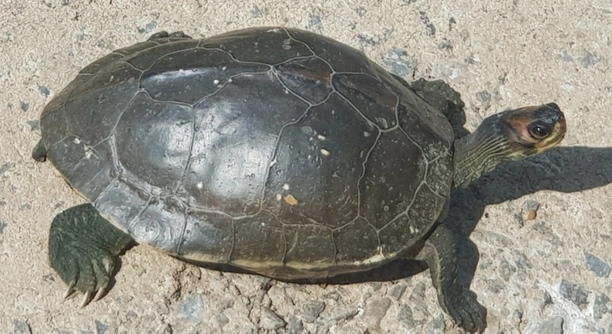
Indian roofed tortoises are calm, gentle creatures, but when it comes to tank mates, choosing the right companions can be tricky. They thrive in peaceful environments, so selecting compatible tank mates is crucial to their well-being.
The ideal tank mates for Indian roofed tortoises are species that share similar habitat needs, such as low stress and peaceful behavior. Suitable tank mates include certain fish, amphibians, and other reptiles that don’t pose threats to the tortoise.
Finding the right companions for your tortoise can help create a harmonious environment. It’s important to choose wisely, as some animals can cause stress or harm. Keep reading to discover the best tank mates for your tortoise.
Ideal Tank Mates for Indian Roofed Tortoises
Indian roofed tortoises thrive best in peaceful, low-stress environments. When selecting tank mates, it’s important to choose species that share similar needs and behaviors. Fish such as guppies or mollies can work well, as they are small and non-aggressive. Similarly, amphibians like newts or certain species of frogs can coexist peacefully, as long as they don’t get in the tortoise’s way. Reptiles with similar size and temperament, such as other small tortoises or box turtles, might also be compatible.
It’s essential to avoid animals that are too active or aggressive. Larger or faster-moving creatures might cause stress, especially if they outcompete the tortoise for food. Avoid species with sharp claws or large mouths that could harm your tortoise.
Overall, selecting tank mates involves understanding their behavioral traits and ensuring that they won’t interfere with your tortoise’s needs. Matching species with similar temperature, humidity, and space requirements can help maintain a balanced environment. It’s crucial to monitor interactions closely to ensure all animals remain healthy and happy.
Species to Avoid
Certain species simply aren’t suitable tank mates for Indian roofed tortoises. Animals that are too aggressive or require significantly different care can disrupt the tank’s balance.
Some animals may look like they’d fit in, but they often bring challenges. For example, fast-moving fish might nibble at the tortoise’s skin, while larger reptiles can become territorial. Additionally, some amphibians might stress the tortoise if they’re too active or have different environmental needs. Always research each species thoroughly before introducing them to your tortoise’s habitat.
Fish Tank Mates for Indian Roofed Tortoises
Small, peaceful fish are great tank mates for your Indian roofed tortoise. They help maintain a clean tank and don’t usually cause stress. Fish like guppies, mollies, or tetras are perfect choices, as they’re non-aggressive and won’t compete for food.
When selecting fish, consider the size and behavior of the species. Fish that are too large or aggressive can stress your tortoise, causing them to hide or stop eating. Smaller fish that stick to the top or middle of the tank are ideal, as they won’t interfere with the tortoise’s movements. Additionally, make sure that the water conditions—temperature and pH—are suitable for both the fish and tortoise. Regular monitoring of water quality is essential for keeping both the tortoise and fish healthy.
Though fish are generally a good match, remember that fish need proper tank filtration, so clean the tank regularly to prevent diseases. Some fish may nibble on plants, so choosing fish that won’t disturb the tortoise’s food supply is key.
Amphibians as Tank Mates
Amphibians can work well as tank mates for Indian roofed tortoises if chosen carefully. Species like newts and small frogs are peaceful, adaptable, and don’t disrupt the tortoise’s environment.
When selecting amphibians, avoid species that need significantly different conditions. For example, some frogs require higher humidity levels or cooler temperatures, which might not suit the tortoise’s needs. Amphibians that remain near the water or on tank surfaces are ideal because they won’t interfere with the tortoise’s foraging behavior. Keeping the amphibians and tortoise well-separated in terms of space can ensure they coexist peacefully. Regular checks on the amphibians’ health are important to prevent them from spreading illness to your tortoise.
Small Reptiles as Tank Mates
Small reptiles, like box turtles, can sometimes live with Indian roofed tortoises if they share similar needs. Make sure the reptiles have peaceful temperaments and similar care requirements, such as temperature and humidity.
Avoid reptiles that might be too aggressive or territorial. Ensure that the tank is large enough for both species to feel comfortable. Providing adequate space helps prevent competition for resources, like food and hiding spots. Keeping the tank clean and monitoring behavior will help maintain harmony.
Incompatible Tank Mates
Some species are simply incompatible with Indian roofed tortoises. Aggressive or overly active animals will likely cause stress.
When choosing tank mates, consider their behavior, size, and care needs. Avoid larger reptiles, aggressive fish, and anything that might harm or harass your tortoise. Even some amphibians can pose a risk if they have different environmental needs.
Snails and Invertebrates
Snails and other invertebrates can be great additions to your tortoise’s habitat. They help with cleaning up leftover food and detritus.
Snails are peaceful creatures that won’t interfere with your tortoise’s routine. However, make sure they don’t take up too much space or become a source of stress for your tortoise.
FAQ
Can Indian roofed tortoises live with other reptiles?
Yes, but it’s important to choose reptiles with similar care requirements. Small, non-aggressive reptiles like box turtles can live with Indian roofed tortoises. However, larger or more territorial reptiles should be avoided. Make sure they share similar temperature, humidity, and diet needs to prevent stress or conflict.
What size tank do I need for multiple animals?
For an Indian roofed tortoise, a 40-50 gallon tank is recommended for one tortoise. If you plan to add tank mates, the tank size should be increased accordingly. For every additional animal, you should add at least 10 gallons of space. Ample space helps reduce territorial disputes and allows each animal to have its own area to explore.
Can fish live with Indian roofed tortoises?
Yes, but only small, peaceful fish like guppies or mollies are suitable. Larger, more aggressive fish may stress your tortoise. Additionally, fish should be chosen carefully so they don’t compete for food or disturb the tortoise’s environment. Be sure the water conditions work for both species.
Do Indian roofed tortoises get along with amphibians?
Amphibians, like small frogs or newts, can coexist with Indian roofed tortoises if they share similar environmental needs. Make sure the amphibians are not too active or large, which might disturb your tortoise. It’s also important to monitor water quality to ensure both the tortoise and amphibians stay healthy.
Can I keep Indian roofed tortoises with other species of tortoises?
While it’s possible to keep different species of tortoises together, it’s not always recommended. Some species may be more territorial or aggressive, which could lead to stress or even injury. If you choose to house multiple tortoises, make sure they have plenty of space and that their size and care requirements align.
Should I worry about food competition between tank mates?
Yes, food competition can cause stress, especially if tank mates have different dietary needs. Ensure there’s enough food for everyone and that no species is over-consuming or taking food away from others. Monitor your tortoise to make sure it is getting enough to eat. Providing separate feeding areas can help reduce competition.
What should I do if my tortoise is stressed by tank mates?
If your tortoise shows signs of stress, such as hiding, eating less, or becoming lethargic, it might not be compatible with its tank mates. Consider separating the animals and reassessing their compatibility. Stress can lead to health issues, so it’s essential to address the problem quickly. You may also need to adjust the tank environment to better suit your tortoise.
Can snails live with Indian roofed tortoises?
Yes, snails can be great tank mates for Indian roofed tortoises. They help clean up leftover food and detritus, keeping the tank tidy. Snails are peaceful and don’t require much space. However, be mindful of their numbers, as too many snails can make the tank crowded and potentially stress the tortoise.
Do I need to quarantine new tank mates?
It’s always a good idea to quarantine new animals before introducing them to your tortoise’s tank. This prevents the potential spread of diseases or parasites. Quarantine for at least two weeks, keeping new animals in a separate enclosure while monitoring their health. This ensures that any illnesses are detected early before they can affect your tortoise.
How can I tell if a tank mate is harming my tortoise?
Signs that a tank mate is harming your tortoise include visible injuries, excessive hiding, loss of appetite, or unusual behavior like aggression or lethargy. If your tortoise seems stressed or unwell, it may be time to remove the tank mate and observe whether the tortoise returns to normal. Keep an eye on their interactions and act quickly if any harm is noticed.
What do I need to consider before adding a new tank mate?
Before adding any new tank mates, consider factors like temperament, size, and environmental needs. It’s important that the new animal is peaceful and won’t compete for food or resources. Make sure the species have similar temperature and humidity requirements to avoid stress or health issues. Also, assess the size of the tank to ensure there is enough space for everyone.
Is it safe to keep multiple species of fish together with a tortoise?
Some species of fish can be kept with a tortoise, but only if they are small and peaceful. Fish that are too large or aggressive could stress the tortoise or outcompete it for food. Additionally, fish should be chosen based on their compatibility with the tank’s water conditions, ensuring both the tortoise and fish remain healthy.
How do I prevent my tortoise from becoming stressed?
To prevent stress, keep the tank environment stable and peaceful. Avoid adding too many animals or incompatible species. Ensure your tortoise has enough space to roam and access to a variety of food. Regularly clean the tank and monitor your tortoise’s behavior for any signs of distress.
Can I add more than one tortoise to the tank?
You can add more than one tortoise to the tank, but it’s important to be cautious. Indian roofed tortoises can be territorial, and having too many in a confined space can lead to fighting. If adding another tortoise, ensure the tank is large enough and that each tortoise has enough space to thrive. Keep an eye on their interactions to prevent aggression.
Final Thoughts
Choosing the right tank mates for your Indian roofed tortoise is key to creating a peaceful and healthy environment. While some species can coexist well with tortoises, it’s essential to make thoughtful decisions based on their behavior, size, and care requirements. Fish like guppies or mollies, small amphibians like newts, and peaceful reptiles like box turtles can be good companions. However, it’s crucial to avoid animals that might be too aggressive or too large, as they could cause stress or harm to your tortoise. Understanding the needs of each species and how they interact with one another is important to maintaining a harmonious tank.
Monitoring your tortoise’s behavior after introducing new tank mates is vital. Signs of stress or discomfort, such as hiding, reduced eating, or lethargy, could indicate that the animal is not getting along with its tank mates. In such cases, it’s best to separate the animals and reassess their compatibility. Regularly cleaning the tank, ensuring appropriate water conditions, and providing enough space for all animals are all important aspects of keeping the environment comfortable. Remember that your tortoise’s well-being should always come first, and if any signs of stress appear, you may need to adjust the tank setup or remove certain species.
In the end, choosing the best tank mates for your Indian roofed tortoise requires research and patience. It’s important to keep in mind that not all animals will get along, and some species may require more care or attention than others. By carefully considering the compatibility of each potential tank mate and being proactive about monitoring their interactions, you can create a thriving and stress-free environment for your tortoise and its companions.

Hello,
If you enjoy the content that we create, please consider saying a "Thank You!" by leaving a tip.
Every little bit helps us continue crafting quality advice that supports the health, happiness, and well-being of pets around the world, for pets of all shapes, sizes, and species.
We really appreciate the kindness and support that you show us!