
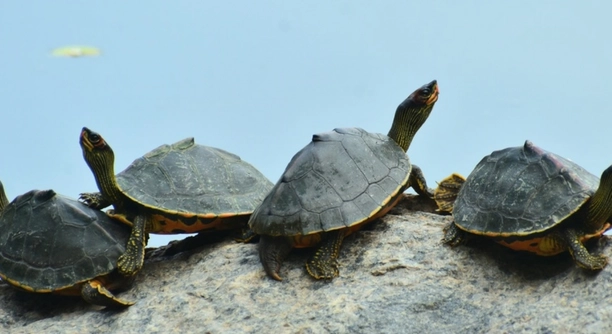
If you’ve noticed your Indian Roofed Tortoise rubbing its face on the glass, you might be wondering why this is happening. It’s a common behavior that many tortoise owners observe and can be linked to a variety of reasons.
The rubbing behavior is often a sign of the tortoise feeling confined or frustrated. It may be trying to interact with its environment or is simply exploring its surroundings. Additionally, this behavior can indicate stress or the need for more space.
This article will provide insights into the reasons behind this behavior and guide you on how to improve your tortoise’s living conditions.
Reasons for Face Rubbing in Your Tortoise
There are several reasons why your Indian Roofed Tortoise might rub its face on the glass. One of the most common causes is simply boredom or frustration. Tortoises are naturally curious creatures, and when they don’t have enough stimulation or enrichment, they may resort to rubbing their face against the glass to get your attention or to explore their environment. Another reason could be a lack of space. If the enclosure is too small or doesn’t provide enough opportunities for the tortoise to move around freely, it might be trying to escape or find a more suitable spot.
Rubbing can also occur when the tortoise is trying to interact with its reflection or objects on the other side of the glass. This behavior could be a sign that the tortoise is seeking social interaction or simply confused by its reflection.
If your tortoise’s environment is too limited or lacks the right elements, it could lead to repetitive behaviors, such as face rubbing. Ensuring the enclosure is spacious and filled with interesting things to explore will make a significant difference.
Stress and Lack of Proper Environmental Setup
Stress is another major factor behind face rubbing. Your tortoise might feel stressed due to factors such as improper temperature, humidity levels, or lighting. These environmental elements play a crucial role in the well-being of your tortoise. If they aren’t in the right range, it could cause discomfort, making your tortoise act out by rubbing its face against the glass.
Inadequate basking areas or hiding spots can also contribute to stress. Tortoises, like many reptiles, need places to hide when they feel threatened or insecure. Without proper hiding spaces, they may rub their face as an attempt to escape or find safety. The right combination of warm and cool areas in the enclosure is essential to keeping your tortoise comfortable.
Making sure your tortoise’s environment is set up properly will minimize stress and the chances of it rubbing its face on the glass. By adjusting the temperature, humidity, and adding enrichment, you will create a more suitable space for your tortoise to feel secure and comfortable.
How to Improve Your Tortoise’s Living Environment
Making simple adjustments to your tortoise’s enclosure can go a long way in preventing face rubbing. Start by ensuring that the space is large enough for your tortoise to move freely. A cramped enclosure can lead to frustration, which often results in repetitive behaviors like face rubbing.
You also want to make sure your tortoise has plenty of opportunities to explore. Adding rocks, logs, and plants can stimulate their curiosity. This helps prevent boredom and encourages natural behaviors. Ensure there is a basking area where your tortoise can regulate its body temperature, and a cooler area for it to retreat when needed.
Another key consideration is proper lighting. Tortoises need access to UVB light to maintain good health. Without this, they may experience problems with calcium absorption, leading to stress and other health issues. Finally, adding hiding spots and ensuring the enclosure is safe and secure will help your tortoise feel at ease.
Adjusting these factors will create a happier environment and reduce the chances of your tortoise rubbing its face against the glass.
Observing Other Behavioral Signs
If face rubbing continues despite changes to the environment, it’s essential to look for other signs that could point to underlying issues. A tortoise that is overly active or constantly rubbing its face may be signaling that it’s not entirely comfortable with its living conditions. Pay attention to any changes in its eating habits, as this can be an indicator of stress or discomfort.
A sudden increase in rubbing behavior might also suggest health problems, such as an eye or skin infection. If your tortoise starts rubbing excessively and shows signs of discomfort, it’s best to consult with a veterinarian experienced in reptiles. They can help assess if there’s an underlying medical issue that needs to be addressed.
If you’re unsure about the changes you’ve made in your tortoise’s enclosure, monitoring its behavior for a few weeks after adjustments will give you insight into whether the changes are effective or if further action is needed.
Handling Stress in Your Tortoise
If your tortoise seems stressed, it’s important to recognize the signs and address them quickly. Stress can be caused by a number of factors, including improper enclosure setup, inadequate diet, or even too much noise or human interaction. A stressed tortoise will often display behaviors like rubbing its face against the glass or excessive hiding.
Stress can be reduced by creating a calm and consistent environment. Ensure the temperature, humidity, and lighting are all within the appropriate ranges for your specific species. Also, avoid sudden changes in its environment. If your tortoise is stressed from handling or loud noises, try to minimize disturbances and give it more space.
It’s also important to provide a balanced diet to ensure your tortoise’s physical health is optimal. Stress can sometimes stem from poor nutrition or dehydration. Offering a varied and appropriate diet will help support its overall well-being. Keeping these factors in check will help ease your tortoise’s stress and reduce the face rubbing behavior.
The Right Size Enclosure
The size of your tortoise’s enclosure is a major factor in its well-being. A small enclosure can lead to frustration, stress, and repetitive behaviors like face rubbing. The more space your tortoise has, the more it can engage in natural behaviors like exploring, climbing, and basking.
Enclosures should be large enough to give your tortoise room to roam and explore. If the space is too confined, the tortoise may feel trapped and start rubbing its face in an attempt to find more room. Make sure the enclosure is not only spacious but also stimulating, with objects like rocks, logs, and hiding spots for exploration.
Additionally, the enclosure should be clean and easy to maintain. Regular cleaning is crucial to ensure a healthy environment and reduce stress. A larger, well-maintained enclosure will provide your tortoise with the freedom it needs to feel secure and happy, minimizing unnecessary behaviors like rubbing.
Proper Lighting and Heat
Tortoises need proper lighting and heat to stay healthy and avoid stress. UVB lighting is essential for their calcium absorption, and without it, they may experience health issues. Make sure the light is positioned correctly to provide the necessary warmth and UVB exposure.
A basking light should be placed over a specific area, allowing your tortoise to regulate its temperature. The cooler side of the enclosure should provide relief from the heat. This variation in temperature gives your tortoise the ability to move between different zones for optimal comfort.
Maintaining these conditions ensures your tortoise remains comfortable, reducing the likelihood of face rubbing due to discomfort or health issues related to improper lighting or heat.
Providing Hiding Spots
Tortoises need hiding spots for comfort and security. These spaces mimic the natural environment, where they can retreat when they feel threatened. If your tortoise lacks a hiding area, it may become stressed, leading to repetitive behaviors like rubbing against the glass.
A simple hiding spot, such as a small log, box, or plant, will help your tortoise feel safer and more secure in its environment. Ensure it’s placed in a corner or quieter part of the enclosure to encourage the tortoise to use it when it feels the need for shelter.
Adding hiding spots helps create a more natural environment, promoting better mental health for your tortoise and preventing stress-induced behaviors like face rubbing.
The Right Substrate
The substrate you use in your tortoise’s enclosure plays a role in its comfort. A substrate that is too rough or uncomfortable can irritate your tortoise’s skin, leading to unnecessary rubbing behaviors. Use a soft, natural substrate like coconut coir or aspen bedding.
The right substrate also helps with humidity control and temperature regulation. It’s essential to keep it clean and dry to prevent mold and bacteria growth. A clean and suitable substrate ensures your tortoise stays healthy and comfortable, which reduces stress and unnecessary behavior like rubbing its face on the glass.
FAQ
Why is my tortoise rubbing its face on the glass?
Tortoises often rub their faces on the glass due to frustration, boredom, or stress. If the enclosure is too small or lacks stimulation, your tortoise may resort to rubbing to express its discomfort. This behavior is common in captive tortoises that feel confined or want to interact with the world beyond their glass walls. Additionally, if there’s a reflection or objects they can’t physically reach, it can trigger this behavior. Ensuring the enclosure is large, enriched, and properly maintained can help reduce this problem.
Can rubbing on the glass hurt my tortoise?
While occasional rubbing is generally harmless, repeated face rubbing can cause abrasions or skin irritation. If the glass is rough or if the tortoise is pressing its face too hard, it may result in injury. It’s also a sign that your tortoise might be stressed or uncomfortable. If you notice any visible signs of irritation or injury, such as redness or swelling on the face, it’s important to reassess the enclosure and consult a vet if necessary.
How can I reduce my tortoise’s face rubbing behavior?
To reduce face rubbing, start by ensuring that your tortoise has enough space to roam. A larger enclosure with proper heat and UVB lighting will keep your tortoise comfortable. Add enriching objects like rocks, logs, and plants to create a stimulating environment. You can also try adjusting the temperature or humidity, as stress from poor environmental conditions can trigger face rubbing.
Is my tortoise rubbing its face on the glass a sign of illness?
In most cases, face rubbing is related to the tortoise’s environment or behavior, rather than illness. However, if your tortoise is showing other symptoms such as lethargy, loss of appetite, or changes in its shell or skin, it may indicate an underlying health problem. It’s a good idea to consult with a vet if the behavior persists and you suspect your tortoise is unwell.
What can I do if my tortoise is stressed?
If your tortoise is stressed, the first step is to evaluate its environment. Make sure the enclosure is the right size, temperature, and humidity level. If your tortoise is displaying signs of stress, like excessive rubbing, provide hiding spots, quiet areas, and a comfortable basking spot. Regularly check the lighting and ensure your tortoise has access to UVB light. Reducing noise and frequent handling will also help your tortoise feel safer and more at ease.
Does my tortoise need a bigger enclosure?
Yes, a bigger enclosure can often help reduce face rubbing and other signs of stress. A cramped space can make your tortoise feel trapped, which leads to frustration and repetitive behaviors like rubbing. A spacious enclosure allows for more natural movement and exploration. It’s important that the space is not just large, but also enriched with objects for climbing, hiding, and exploring.
Can I stop my tortoise from seeing its reflection?
If your tortoise is rubbing its face on the glass due to its reflection, you can try blocking or removing the reflective surface. Adding decorative backgrounds or using non-reflective materials for the enclosure can help minimize this issue. Additionally, ensuring the tortoise has plenty of enriching objects to interact with will reduce the focus on the reflection.
What are the signs that my tortoise is unhappy?
An unhappy tortoise may show signs of stress such as rubbing its face on the glass, excessive hiding, or a lack of interest in food or interaction. If your tortoise is constantly pacing or seems agitated, it could be a sign of discomfort in its environment. In some cases, unhealthy shells, skin issues, or changes in behavior like lethargy or lack of appetite could indicate a deeper problem, so it’s important to monitor these signs closely.
Should I handle my tortoise less if it’s rubbing its face on the glass?
Yes, if your tortoise is rubbing its face on the glass, it may be stressed due to too much handling or disruption. Tortoises need time to adjust to their environment without being constantly disturbed. Try to limit handling and create a calm, stable environment where your tortoise can feel secure. Give it time to explore and adjust without interference.
How often should I clean my tortoise’s enclosure?
Regular cleaning of your tortoise’s enclosure is vital to maintain a healthy environment and reduce stress. A weekly deep clean is recommended, but spot cleaning should be done daily to remove waste and debris. Keeping the enclosure clean helps prevent bacteria buildup, which could contribute to health problems or irritations that might lead to face rubbing. Ensure the substrate remains dry to prevent mold growth.
Can temperature and humidity affect my tortoise’s behavior?
Yes, temperature and humidity play a crucial role in your tortoise’s comfort. If the enclosure is too hot or too cold, or if the humidity is not at the right level, your tortoise may become stressed. Stress can cause behaviors like face rubbing. Make sure to provide a range of temperatures in the enclosure, including a basking area and a cooler side. Humidity levels should also be appropriate for the species of tortoise to avoid dehydration or discomfort.
What should I do if my tortoise stops eating?
If your tortoise stops eating, it may be a sign of stress, illness, or an unsuitable environment. Check for any signs of injury or illness and ensure the enclosure is set up properly. If the environment is fine and your tortoise is still refusing food, it’s best to consult a vet. Loss of appetite can be a serious issue if not addressed quickly.
How can I ensure my tortoise is getting enough UVB light?
To ensure your tortoise is getting enough UVB light, make sure the bulb is positioned correctly within the enclosure, typically around 6-12 inches above the basking area. UVB lights should be replaced regularly, as they lose effectiveness over time. Providing a proper light schedule, typically 12 hours of light and 12 hours of dark, will help your tortoise maintain a healthy circadian rhythm.
How do I know if my tortoise is too hot or too cold?
If your tortoise is too hot, it may become lethargic, spend excessive time in the cooler areas of the enclosure, or start digging. If it’s too cold, your tortoise may stop moving or eating, and its shell may feel cold to the touch. Keeping a thermometer in both the basking and cooler areas of the enclosure will help you monitor and maintain the correct temperature range.
Final Thoughts
In conclusion, face rubbing in Indian Roofed Tortoises is a common behavior, often linked to frustration, boredom, or stress. These tortoises are naturally curious, and if their environment doesn’t offer enough space, stimulation, or proper conditions, they may start rubbing their faces on the glass. While this behavior is usually harmless, it’s a sign that something in their environment is not quite right. Understanding the root causes of face rubbing can help ensure your tortoise is happier and healthier in its enclosure.
Addressing the behavior begins with ensuring your tortoise’s living space is large enough to allow for movement and exploration. A cramped enclosure can quickly lead to frustration, so expanding their space is an important first step. Additionally, incorporating enriching elements like logs, plants, and rocks can stimulate your tortoise and prevent boredom. These elements mimic the natural environment, giving your tortoise opportunities to engage in natural behaviors, which can reduce the tendency to rub against the glass. In addition to physical space, proper lighting, heating, and humidity are crucial factors for your tortoise’s comfort. Tortoises need a balance of heat and UVB light to maintain their health, and without these elements, they may experience stress or discomfort, which can lead to face rubbing.
Finally, it’s important to observe your tortoise’s behavior closely. If the face rubbing persists despite adjustments to its environment, it may be necessary to consult a veterinarian to rule out any underlying health issues. Tortoises, like all pets, rely on their owners to provide them with a safe, comfortable, and well-maintained living space. By offering the right conditions, monitoring behavior, and making necessary changes, you can reduce unwanted behaviors like face rubbing and ensure your tortoise is thriving.

Hello,
If you enjoy the content that we create, please consider saying a "Thank You!" by leaving a tip.
Every little bit helps us continue crafting quality advice that supports the health, happiness, and well-being of pets around the world, for pets of all shapes, sizes, and species.
We really appreciate the kindness and support that you show us!