
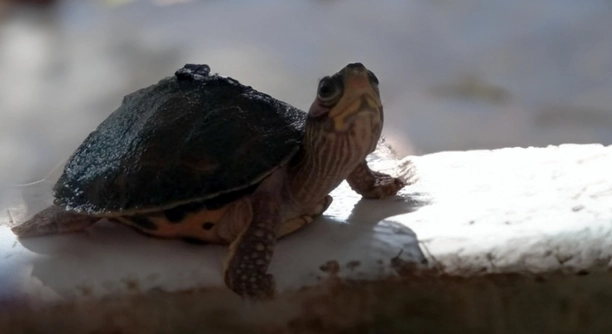
Indian roofed tortoises are popular pets due to their calm and gentle nature. However, you may notice your tortoise avoiding its hideout, which can be puzzling. This article will explain the possible reasons behind this behavior.
The avoidance of a hideout by your Indian roofed tortoise could be due to various factors, such as discomfort, stress, or environmental conditions. It may be responding to changes in its habitat, health issues, or a lack of appropriate shelter.
Understanding the causes behind your tortoise’s actions can help improve its well-being and create a better environment for it. Keep reading to learn how to address this issue and ensure your tortoise feels comfortable and secure.
Common Causes for Tortoise Hideout Avoidance
There are several reasons why your Indian roofed tortoise may be avoiding its hideout. One of the most common causes is discomfort. If the hideout is too small, cramped, or not to its liking, your tortoise will likely avoid using it. The temperature inside the hideout could also be an issue. If it’s too warm or too cold, your tortoise may not feel comfortable enough to settle in. Stress from external factors, like noise, bright lights, or the presence of other animals, can also cause a tortoise to seek refuge elsewhere.
In some cases, your tortoise might be experiencing health problems, which can lead to it avoiding its hideout. An injured or sick tortoise may not feel safe or secure, which can prevent it from seeking shelter in its hideout.
It’s essential to observe your tortoise’s behavior closely. Making sure its hideout is the right size and providing a comfortable, quiet space can go a long way in encouraging your tortoise to return to its hideout.
Environmental Changes and Stress
Stress is a major factor that may cause a tortoise to avoid its hideout. Changes in its environment, such as rearranging its tank or introducing new animals, can make it feel unsettled. If you recently moved its enclosure or changed the substrate, these shifts might have made the tortoise feel insecure or threatened.
Providing a consistent environment can help reduce stress. Stick to a regular feeding schedule, keep the habitat quiet, and ensure that the temperature and humidity levels remain stable. Additionally, avoid handling the tortoise too frequently, as this can also lead to stress.
A tortoise that feels safe in its environment will be more likely to use its hideout. Creating a calm, stable habitat helps reduce stress and promotes natural behaviors.
Health Issues That May Be Affecting Your Tortoise
Health problems can often cause a tortoise to avoid its hideout. If your tortoise is feeling unwell, it may avoid its usual spot to seek out a more comfortable place. You might notice a change in its appetite, behavior, or activity levels, which can indicate illness.
Common health issues such as respiratory infections, shell rot, or parasites can make your tortoise feel uncomfortable. If it’s feeling weak or sick, it may not want to retreat to its hideout, as the space may feel too confining. Observing your tortoise closely and looking for signs of discomfort can help you identify whether health is an issue.
If you suspect your tortoise is sick, it’s important to consult a veterinarian with experience in reptiles. They can diagnose the issue and guide you in providing the proper treatment. Early intervention is key to helping your tortoise recover and return to its normal behavior.
Habitat Setup and Hideout Conditions
Your tortoise’s hideout may not be set up correctly, which could be why it’s avoiding it. The hideout should be big enough to allow your tortoise to turn around comfortably. If it’s too small or poorly designed, it might feel cramped and unsafe.
Also, the materials inside the hideout play a role in whether it’s a suitable environment. Ensure that the substrate is comfortable and easy for your tortoise to burrow into. Additionally, check the ventilation and humidity levels. Too much moisture or a lack of airflow can cause discomfort and lead your tortoise to avoid the space.
Creating a hideout that meets your tortoise’s needs is essential for its well-being. Make sure it feels like a safe and inviting space where it can rest and hide when it needs to.
Temperature and Humidity Factors
The temperature inside your tortoise’s hideout can significantly affect its behavior. If the hideout is too warm or cold, it might make your tortoise uncomfortable and lead it to avoid going inside.
Tortoises rely on stable temperatures to regulate their body heat. Ensure that the hideout is within the recommended temperature range for your species. Use a thermometer to monitor the conditions and adjust accordingly. High or low humidity levels can also cause discomfort and prevent your tortoise from feeling secure inside its hideout.
Tortoise Behavior and Personality
Each tortoise has its own unique behavior. Some are naturally more independent and may prefer exploring rather than hiding in a designated spot. This could simply be your tortoise’s preference, and there may not be a major issue with the hideout itself.
While it’s important to monitor for health or environmental problems, it’s also essential to respect your tortoise’s natural behaviors. If it’s generally active and curious, it may just enjoy spending more time outside of its hideout. Keep an eye on its overall well-being to ensure it’s healthy.
Overcrowding or Nearby Distractions
If your tortoise shares its space with other animals, this could lead to it avoiding the hideout. The presence of other pets or too many objects in the enclosure may create a feeling of overcrowding or stress.
Tortoises need a quiet, private space to feel safe and secure. Ensure that the hideout is placed in a calm, low-traffic area of the enclosure. Reducing distractions and providing ample space can help encourage your tortoise to return to its hideout.
FAQ
Why is my tortoise avoiding its hideout?
There could be several reasons why your tortoise is avoiding its hideout. It may be because the hideout is uncomfortable, too small, or poorly situated. The temperature or humidity levels inside the hideout could also be off, making it an unappealing place for your tortoise. Stress or health issues could also play a part. If there have been any changes to its environment, such as a new pet or rearranged enclosure, this might be causing your tortoise to feel insecure.
How do I know if my tortoise is stressed?
Stress in tortoises can be visible through various behaviors. If your tortoise is hiding more than usual, eating less, or becoming more lethargic, it could be a sign of stress. It might also display abnormal behaviors like excessive pacing or scratching at the enclosure walls. Environmental factors, like noise, changes in lighting, or overcrowding, can contribute to stress. If your tortoise is stressed, making its environment more stable and quiet can help.
Can temperature cause my tortoise to avoid its hideout?
Yes, temperature is a major factor in whether your tortoise will feel comfortable in its hideout. If the hideout is too hot or too cold, your tortoise may avoid it. Tortoises are cold-blooded and rely on their surroundings to regulate body temperature. If the temperature inside the hideout is not within the ideal range for your species of tortoise, it might seek out a different area of the enclosure that offers more comfort. Use a thermometer to monitor the temperature and adjust as needed.
What should the humidity level be for my tortoise’s hideout?
Humidity plays a crucial role in the health of your tortoise. Most species of tortoises require a moderate level of humidity, but the exact amount can vary depending on the species. If the hideout is too dry or too moist, your tortoise may feel uncomfortable and avoid it. Too much moisture can lead to shell rot, while low humidity can cause dehydration or respiratory problems. Generally, maintaining a humidity level between 50% to 70% is ideal for many tortoises, but it’s important to research the specific needs of your tortoise species.
How can I make my tortoise’s hideout more inviting?
Making your tortoise’s hideout more inviting involves creating a comfortable and secure environment. Ensure the hideout is appropriately sized so your tortoise can move around freely. You can add a soft, absorbent substrate, like coconut fiber, which allows for burrowing. Make sure the hideout is in a quiet area, away from disturbances, and check that the temperature and humidity are within the correct ranges. Providing a hideout with natural materials like rocks or logs can mimic the outdoors and help your tortoise feel more at ease.
How can I tell if my tortoise is sick and avoiding its hideout?
If your tortoise is avoiding its hideout and showing signs of lethargy, lack of appetite, or unusual behavior, it could be sick. Health problems such as respiratory infections, parasites, or shell rot could make your tortoise uncomfortable. Look for signs such as nasal discharge, swollen eyes, or abnormal shell discoloration. If your tortoise seems lethargic and isn’t eating, it’s a good idea to take it to a vet specializing in reptiles to diagnose and treat any potential health issues.
What should I do if my tortoise is avoiding its hideout due to stress?
If stress is the issue, the first step is to identify the source of the stress. This could be a change in its environment, such as a new pet, loud noises, or a recent move. Reducing these stressors can help. Create a quiet and stable environment for your tortoise by limiting handling and minimizing disruptions. Ensure that its enclosure is properly set up with the right temperature, humidity, and enough space. Stress often resolves when the tortoise feels safe and its needs are met.
Is it normal for a tortoise to avoid its hideout sometimes?
Yes, it can be normal for a tortoise to avoid its hideout occasionally. Some tortoises are naturally more active and prefer spending time outside their hideout. As long as your tortoise is healthy, eating well, and moving around normally, occasional avoidance of the hideout shouldn’t be a cause for concern. However, if the behavior continues or is accompanied by signs of illness or stress, it may be worth investigating further.
Can I move the hideout to a different spot in the enclosure?
Yes, you can move the hideout if needed. Sometimes, changing its location within the enclosure can make it more comfortable for your tortoise. If the current spot is too exposed or in a high-traffic area, relocating it to a quieter and more secure place may help. Just be sure that the new location provides the right temperature and humidity conditions. You may also want to observe how your tortoise responds to the new position to see if it prefers the change.
How can I tell if my tortoise’s hideout is too small?
If your tortoise is avoiding its hideout, one possibility is that it feels cramped. A hideout should be large enough for your tortoise to turn around comfortably and not feel trapped. If you notice that your tortoise is having difficulty entering or turning around inside, it’s likely too small. It’s important that the hideout allows your tortoise to feel secure and gives it enough space to relax.
How can I prevent my tortoise from getting stressed in the future?
To prevent future stress, ensure that your tortoise’s environment remains consistent. Avoid making drastic changes to the setup and minimize unnecessary handling. Provide a comfortable hideout, adequate space, and proper lighting, heating, and humidity levels. Regularly clean its enclosure and offer a balanced diet to keep it healthy. By maintaining a stable and secure habitat, you can help keep your tortoise calm and happy.
What type of hideout is best for my tortoise?
The best hideout for your tortoise depends on its species and size. Generally, a hideout made from natural materials like wood, rocks, or clay works well. It should provide enough space for your tortoise to enter, turn around, and exit easily. Make sure it’s stable, secure, and easy to clean. If your tortoise enjoys burrowing, choose a hideout with soft, absorbent substrate, such as coconut coir.
Final Thoughts
If your Indian roofed tortoise is avoiding its hideout, there are several factors to consider. Issues like improper temperature, incorrect humidity levels, or an uncomfortable hideout can make the space unappealing. Stress from environmental changes or health problems may also lead your tortoise to avoid its shelter. Observing your tortoise’s behavior closely can help you identify any potential issues. Making small adjustments to the habitat can create a more comfortable and inviting space for your tortoise to rest and feel secure.
A well-maintained and properly designed hideout is essential for your tortoise’s well-being. Ensure the hideout is large enough, comfortable, and placed in a quiet area of the enclosure. Regularly check temperature and humidity levels to keep the conditions suitable for your tortoise’s needs. If your tortoise continues to avoid the hideout despite these changes, it may be worth consulting a veterinarian to rule out any health concerns. Addressing both environmental and health factors can help your tortoise feel safe and encourage it to use its hideout again.
Caring for a tortoise involves understanding its behaviors and creating a stable environment. By paying attention to its habits and providing a suitable living space, you can support your tortoise’s physical and emotional health. A comfortable hideout is an important part of that care. With patience and proper adjustments, you can help your tortoise feel at ease and maintain a happy, healthy life.

Hello,
If you enjoy the content that we create, please consider saying a "Thank You!" by leaving a tip.
Every little bit helps us continue crafting quality advice that supports the health, happiness, and well-being of pets around the world, for pets of all shapes, sizes, and species.
We really appreciate the kindness and support that you show us!