
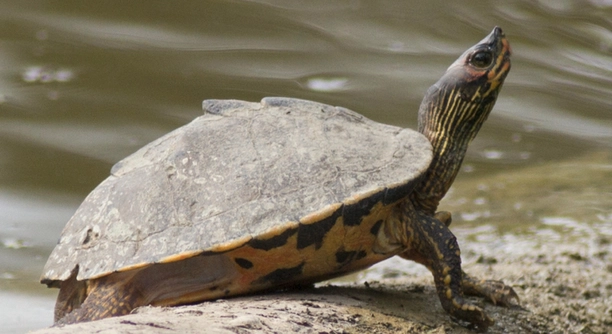
Caring for an Indian Roofed Tortoise requires more than just providing a habitat. The right diet is key to keeping them healthy and thriving. Knowing what to feed them can make all the difference in their well-being.
The best way to improve your Indian Roofed Tortoise’s diet is by offering a variety of fresh, nutritious foods. Including leafy greens, fruits, and occasional protein sources like boiled eggs ensures balanced nutrition and supports overall health.
By choosing the right foods and implementing simple diet hacks, you can enhance your tortoise’s quality of life. This article will guide you through the best strategies to boost their nutrition.
Importance of a Balanced Diet for Your Indian Roofed Tortoise
Indian Roofed Tortoises are herbivores that thrive on a variety of foods. A balanced diet ensures they stay active, healthy, and grow at a steady rate. Providing a range of vegetables, fruits, and occasional protein sources helps avoid health issues like shell deformities, slow growth, or obesity. Since tortoises do not require frequent meals, you can focus on quality rather than quantity. Offering fresh, nutrient-rich foods can help support their digestive system and overall vitality. Consistency is key in keeping their diet varied yet balanced.
Incorporating a good mix of food types is essential to prevent nutritional deficiencies. Offering foods rich in calcium, fiber, and low in oxalates is especially beneficial. This combination supports bone health, a strong immune system, and proper digestion.
Remember that a diet high in commercial pellets or low-quality greens can lead to long-term health problems. A healthy tortoise is a happy tortoise, and feeding them the right foods is one of the simplest ways to ensure they thrive.
What to Include in Their Diet
Leafy greens like dandelion greens, collard greens, and mustard greens are staples.
These greens are packed with essential nutrients such as calcium, fiber, and antioxidants, which are critical to your tortoise’s health. They also help promote healthy digestion and strong shell growth. Incorporating a variety of these leafy vegetables keeps the diet interesting and prevents nutritional imbalances. Avoid feeding them lettuce, as it offers minimal nutritional value and can lead to digestive issues.
In addition to greens, fruits such as papaya, watermelon, and strawberries can be offered in moderation. Fruits provide vital vitamins, hydration, and variety to their diet. However, be cautious not to overdo it on sweet fruits, as they can lead to an imbalance in their nutrition.
Offering occasional protein in the form of boiled eggs or even small amounts of cooked meat can supplement their diet. Protein is especially helpful for tortoises during growth periods, as it aids in muscle development and overall growth. However, this should not become a regular part of their diet, as too much protein can lead to kidney problems.
Foods to Avoid in Your Tortoise’s Diet
Certain foods should never be included in an Indian Roofed Tortoise’s diet. High oxalate vegetables like spinach and beet greens can cause kidney issues if fed too often. Similarly, iceberg lettuce should be avoided, as it has little nutritional value. Foods that are too high in fat or sugar can lead to obesity and other health problems.
Processed foods or anything high in salt, preservatives, or additives should be completely avoided. Feeding your tortoise these types of foods can damage their digestive system over time and impact their overall health. It’s crucial to stick to natural, unprocessed foods. Even foods that seem harmless, like certain fruits, should be given in moderation to avoid excess sugar intake.
Additionally, while certain fruits are beneficial, too many can upset their digestive system. Citrus fruits, for instance, may cause stomach issues or oral discomfort. Always aim for fresh, simple ingredients when preparing meals for your tortoise. Avoiding harmful foods will ensure they stay healthy for years.
How to Offer Foods to Your Tortoise
Tortoises can be picky about how food is presented. It’s important to offer food in a way that’s easy for them to reach and eat.
Chop larger greens into smaller, manageable pieces to make it easier for your tortoise to consume. Place food in a shallow dish or scatter it around their enclosure to encourage natural foraging behaviors. This keeps them active and engaged, mimicking how they would find food in the wild. If you have multiple tortoises, ensure that there’s enough space for each one to enjoy their meal without feeling pressured.
It’s also a good idea to slightly dampen the food, especially if your tortoise has difficulty with dry greens. This can help soften the food and make it easier for them to chew. Additionally, providing a variety of textures can keep mealtime interesting. Keep experimenting with different ways to offer food to see what your tortoise prefers. A bit of variety in presentation can make all the difference in getting them to eat a balanced diet.
Hydration is Key for Your Tortoise
Indian Roofed Tortoises require constant access to fresh, clean water. Dehydration can lead to severe health issues, so water should always be available. Place a shallow dish in their enclosure, ensuring it’s easy for them to drink from without risk of drowning.
In addition to providing water, you can offer water-rich fruits and vegetables, such as watermelon or cucumber, which help keep them hydrated. However, water should still be the main source of hydration. Offering moist food also ensures that your tortoise gets the necessary fluids throughout the day.
Supplements to Consider
While a varied diet should provide most of your tortoise’s nutritional needs, occasional supplements can help fill in the gaps. Calcium supplements are especially important for Indian Roofed Tortoises to maintain strong bones and healthy shell growth.
If your tortoise isn’t getting enough natural sunlight, a vitamin D3 supplement may also be necessary. Vitamin D3 is vital for calcium absorption, so be sure to consult with a veterinarian before introducing any new supplements. Make sure supplements are given in moderation and as directed to avoid over-supplementation.
FAQ
What should I feed my Indian Roofed Tortoise daily?
Indian Roofed Tortoises should have a daily diet of leafy greens such as collard greens, mustard greens, and dandelion greens. You can also offer small amounts of fruits like papaya or watermelon. Avoid feeding them high oxalate vegetables like spinach and beet greens too often. Protein, such as boiled eggs or small amounts of cooked meat, can be given occasionally. A varied diet is essential to prevent nutritional deficiencies, so try to mix things up while keeping portions controlled.
How often should I feed my Indian Roofed Tortoise?
You should feed your Indian Roofed Tortoise once a day, offering enough food to last throughout the day. They don’t need frequent meals, and overfeeding can lead to obesity and digestive issues. Fresh food should be available each morning, and uneaten portions should be removed to keep the enclosure clean. You can also provide a small amount of food in the evening for them to snack on before bed.
Can I feed my Indian Roofed Tortoise fruits every day?
Fruits should be fed in moderation and not every day. While fruits provide vitamins and hydration, they are high in sugar and can lead to obesity if given too frequently. Offering fruits two to three times a week is ideal, and it’s important to choose fruits that are low in acid, such as watermelon, papaya, and strawberries. Avoid citrus fruits and high-sugar varieties like grapes, as they can upset their digestive system.
How do I know if I am feeding my Indian Roofed Tortoise the right foods?
The right foods for your tortoise should provide a balance of calcium, fiber, and vitamins. Leafy greens and vegetables are the foundation of their diet, while occasional fruits and protein sources can supplement. If your tortoise is active, has a healthy shell, and shows no signs of weight issues or sluggishness, it’s a good sign that their diet is on track. Always consult with a veterinarian if you’re uncertain about their nutrition.
Can I feed my Indian Roofed Tortoise commercial pellets?
While commercial pellets can be a part of your tortoise’s diet, they should not be the primary food source. Many pellets contain fillers and lack essential nutrients like fiber. They can be useful for supplementing their diet, but whole, fresh foods are far better for your tortoise’s overall health. Look for high-quality pellets with added calcium and vitamins if you choose to offer them, but don’t rely on them exclusively.
What should I do if my Indian Roofed Tortoise isn’t eating?
If your tortoise refuses to eat, it could be due to a variety of factors, such as stress, temperature fluctuations, or an improper diet. Make sure their enclosure is at the correct temperature (between 75°F and 85°F) and that they have access to fresh, appealing food. If your tortoise continues to refuse food for more than a few days, it’s important to consult with a veterinarian to rule out any underlying health problems.
How can I provide the right amount of calcium for my tortoise?
Calcium is essential for your tortoise’s shell health, and you can provide it through leafy greens like collard greens and dandelion greens. In addition, offering a calcium supplement, such as calcium carbonate powder, can be beneficial. Sprinkle it lightly over their food a few times a week, or follow the dosage instructions from a vet. Avoid using supplements too frequently, as an excess of calcium can cause health issues.
Is it okay to feed my Indian Roofed Tortoise lettuce?
Lettuce, especially iceberg lettuce, should be avoided as a main part of their diet. It has very little nutritional value and can cause digestive issues. If you do feed lettuce, opt for darker varieties like romaine lettuce, which have more nutrients. However, it’s still better to rely on more nutrient-rich vegetables like kale, collard greens, and dandelion greens.
Should I be worried if my tortoise is not drinking water?
If your tortoise is not drinking water, dehydration can become a concern. Always make sure fresh, clean water is available at all times. If they seem uninterested, try offering them water-rich foods like watermelon or cucumber. If dehydration persists, it’s important to consult a vet to ensure they don’t suffer from a serious health condition.
How do I know if my tortoise is overweight?
You can determine if your tortoise is overweight by checking its shell and overall body shape. If the shell appears wider than normal or the tortoise seems lethargic, it may be carrying excess weight. A healthy tortoise should have a somewhat rounded shape, but it shouldn’t appear overly bloated. If you’re concerned, consult a veterinarian to evaluate its diet and weight.
Can I feed my tortoise cooked food?
You can occasionally offer small amounts of cooked food, such as boiled eggs or cooked meat. However, avoid feeding cooked vegetables, as they can lose important nutrients. When offering cooked food, keep it simple and ensure that it doesn’t make up a large part of their diet. Fresh, raw food is always the best option.
Final Thoughts
Caring for an Indian Roofed Tortoise involves providing a balanced diet that supports their health and growth. By focusing on leafy greens, occasional fruits, and a small amount of protein, you can ensure that they get the necessary nutrients. Fresh food should be offered daily, and variety is important to keep mealtime interesting. Over time, you’ll learn which foods your tortoise enjoys the most, and it will become easier to maintain a nutritious diet that suits their needs.
In addition to food, hydration is also crucial for their overall well-being. Ensure fresh water is always available, and supplement their hydration with water-rich vegetables and fruits when possible. Avoid giving too many high-sugar fruits or processed foods, as these can lead to obesity and other health issues. Keep an eye on their weight, activity levels, and shell health to make sure they’re staying on track.
Lastly, if you ever notice changes in your tortoise’s eating habits or behavior, don’t hesitate to consult a veterinarian. They can help you adjust the diet or recommend supplements if necessary. With the right care, your tortoise can live a long, healthy life, and you can enjoy watching them thrive.

Hello,
If you enjoy the content that we create, please consider saying a "Thank You!" by leaving a tip.
Every little bit helps us continue crafting quality advice that supports the health, happiness, and well-being of pets around the world, for pets of all shapes, sizes, and species.
We really appreciate the kindness and support that you show us!