
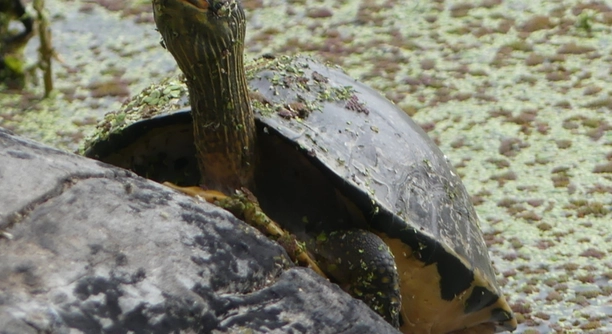
Is your Indian Roofed Tortoise not moving as it usually does? It can be worrying when your pet seems inactive or lethargic. There are many reasons that could be causing this, from environmental changes to health concerns.
The most common reasons for an Indian Roofed Tortoise’s lack of movement include stress, temperature fluctuations, insufficient food, or health issues. Providing a proper habitat, balanced diet, and regular checkups can help keep your tortoise active and healthy.
Understanding the reasons behind this behavior is important for your tortoise’s well-being. By addressing the root causes, you can ensure that your pet stays active and happy.
1. Environmental Factors Affecting Your Tortoise’s Activity
Your Indian Roofed Tortoise is very sensitive to its environment. Changes in temperature, humidity, and lighting can significantly affect its movement. If the enclosure is too hot or cold, your tortoise may become sluggish or even inactive. The ideal temperature range for these tortoises is between 75°F to 85°F during the day and slightly cooler at night. Additionally, inadequate lighting or a lack of UVB rays can impact their energy levels, as these rays are essential for their health. Poor enclosure setup or discomfort may cause them to retreat into their shells and avoid moving.
Creating a comfortable and balanced habitat is crucial. Make sure the enclosure is spacious and has proper heating and lighting. A consistent temperature will allow your tortoise to regulate its body temperature and stay active.
Ensure your tortoise has access to UVB light to help with calcium absorption. If the lighting or temperature isn’t right, your tortoise may lose energy and become less active. Making small adjustments to its environment can make a big difference in its behavior.
2. Diet and Nutrition
A proper diet is essential for keeping your tortoise active. If your tortoise isn’t eating enough or is eating the wrong foods, it can lead to lethargy. A diet lacking in necessary nutrients such as calcium, fiber, and vitamins can affect its health and energy levels. It’s also important that your tortoise has access to fresh water at all times to stay hydrated. A poorly balanced diet can result in a weak tortoise, preventing it from moving around as it normally would.
Tortoises enjoy a variety of greens and vegetables. Ensure they have a balanced diet to keep them healthy and active. You should also avoid feeding them foods that are too high in oxalates or phosphorus, as they can interfere with calcium absorption.
Offering a diverse range of foods will provide the nutrients necessary for your tortoise to stay active. If it’s not moving, check its diet and make adjustments where needed. Proper nutrition helps maintain its energy levels, encouraging movement.
3. Health Issues
If your tortoise isn’t moving, it may be suffering from an illness. Respiratory infections, parasites, or shell problems can all make your tortoise feel unwell and lead to inactivity. You might notice wheezing, nasal discharge, or a lack of appetite alongside the sluggishness. Health problems can affect their energy and make them retreat into their shells more often.
A visit to the vet is necessary if your tortoise shows signs of being ill. A vet can check for common issues, such as respiratory infections or digestive problems, and provide treatment to get your tortoise back on track.
In some cases, dehydration or a fungal infection can also cause them to become lethargic. If left untreated, these issues can worsen. Regular check-ups will help prevent any long-term health issues and allow you to notice any signs of illness before it impacts your tortoise’s activity level.
4. Stress and Anxiety
Tortoises are easily stressed, and changes in their environment can trigger anxiety. New pets, loud noises, or even moving their enclosure can cause them to withdraw and become less active. Stress impacts their health, causing them to avoid eating and moving around.
Providing your tortoise with a stable, quiet environment will help reduce stress. Make sure their space is safe, quiet, and consistent. Avoid sudden changes, such as adding new animals or rearranging their habitat frequently. This will help them feel more secure and comfortable.
Stress can also cause your tortoise to hide in its shell more than usual. It’s important to monitor their behavior and try to reduce stressors. A peaceful, familiar environment encourages your tortoise to explore and stay active. Try to minimize any stress triggers for the best outcome.
5. Temperature Fluctuations
Sudden changes in temperature can cause your tortoise to become sluggish. If the temperature in the enclosure is too low, your tortoise may not feel comfortable enough to move around. Maintaining a steady temperature is key to keeping them active.
Ensure the temperature remains consistent and within the ideal range of 75°F to 85°F. A thermometer placed inside the enclosure will help you monitor the temperature more accurately. If the temperature drops too much, your tortoise may slow down as a way to conserve energy.
Consider adding a heat lamp or a heating pad if the temperature consistently falls outside this range. Maintaining warmth can help your tortoise stay active and energized.
6. Aging
As your tortoise gets older, it might become less active. Older tortoises often move slower and may spend more time resting. It’s a natural part of the aging process, but it still requires attention.
You may notice that your tortoise isn’t as mobile as it once was. Older tortoises often take longer naps and may spend more time in their shells. It’s important to provide them with a comfortable, easy-to-navigate environment to ensure they’re not in discomfort.
Paying attention to their diet and making sure their habitat remains suitable can help your aging tortoise stay as active as possible. However, expect some changes in their behavior as they age, and monitor their health closely.
FAQ
Why is my tortoise not eating?
There are several reasons why your Indian Roofed Tortoise may refuse food. Stress, illness, or environmental factors like temperature changes can cause a loss of appetite. It’s important to ensure their habitat is ideal, with the right temperature, humidity, and lighting. Also, check their diet for any imbalances or incorrect food choices. If your tortoise continues to refuse food, it might be time to consult a veterinarian to rule out any underlying health issues like infections or parasites.
How often should I feed my tortoise?
Tortoises, including Indian Roofed Tortoises, should be fed daily, but the amount can vary depending on their age, size, and activity level. Young tortoises typically eat more often than adults, and their diet should consist of fresh greens, vegetables, and occasional fruits. For adults, feeding can be reduced to every other day. Make sure to provide a variety of foods and monitor their weight to ensure they’re eating enough without overeating.
Can I keep multiple tortoises together?
It’s possible to keep more than one tortoise in the same enclosure, but you need to ensure there is plenty of space for each one. Tortoises are solitary creatures and may become territorial, especially if there is not enough room to move around. Additionally, males can be more aggressive toward each other, particularly during breeding season. It’s crucial to have a large enclosure with plenty of hiding spots and separate areas for each tortoise to avoid conflict.
What should I do if my tortoise’s shell is damaged?
If your tortoise’s shell is damaged, it’s important to take immediate action. Small cracks or chips can be treated at home, but deep or large injuries require veterinary attention. Clean the area gently with warm water and apply an antiseptic recommended by a vet. Keeping the tortoise in a clean, dry environment will help prevent infection. In serious cases, a vet may apply a special shell patch or treatment. Always monitor the injury closely for signs of infection.
How can I tell if my tortoise is sick?
A sick tortoise may exhibit signs like a lack of appetite, lethargy, wheezing, nasal discharge, or swelling around the eyes. If your tortoise is acting abnormally, it’s important to monitor their behavior and check for any physical symptoms. A healthy tortoise should be active, eat regularly, and move around its enclosure. If you notice anything unusual, contact a veterinarian who specializes in reptiles to ensure proper diagnosis and treatment.
Can my tortoise live outside year-round?
Indian Roofed Tortoises can live outdoors, but only in suitable climates. They require a warm, dry environment with access to shelter from rain or extreme temperatures. If you live in an area with cold winters, it’s best to bring your tortoise indoors during the colder months. Be sure the outdoor habitat is secure, free from predators, and has enough space for your tortoise to move around. Always provide a proper heat source and UVB lighting for them to thrive.
What type of substrate should I use in my tortoise’s enclosure?
The substrate you use in your tortoise’s enclosure is important for their overall health. Use materials like coconut coir, aspen bedding, or a mixture of sand and soil. These substrates provide a natural environment and help maintain humidity levels. Avoid using cedar or pine shavings, as these can release harmful oils that are toxic to reptiles. Keep the substrate dry and clean, as damp conditions can lead to fungal infections or respiratory issues.
Why is my tortoise hiding in its shell all the time?
Tortoises often retreat into their shells when they’re stressed, scared, or feeling unwell. If your tortoise is hiding more than usual, check their environment for stressors like loud noises, changes in temperature, or a lack of hiding spots. A sudden change in their surroundings could cause them to feel insecure. If there are no obvious environmental changes, health issues like respiratory infections could be causing them to stay hidden. In such cases, a vet visit is recommended.
How long can my tortoise go without food?
Tortoises can survive without food for a period, especially if they are healthy and have enough stored energy. However, prolonged fasting is not recommended, as it can lead to weakness and other health complications. Typically, tortoises can go without food for about a week or two, depending on their age, size, and overall health. If your tortoise is not eating for an extended period, it’s best to consult a vet to rule out any health issues.
How can I tell if my tortoise is dehydrated?
Signs of dehydration in tortoises include sunken eyes, dry skin, and lethargy. A dehydrated tortoise may also have difficulty moving or seem unusually weak. Make sure your tortoise has access to fresh, clean water at all times. Soaking your tortoise in lukewarm water for 20-30 minutes can help hydrate them, especially if they’re refusing to drink on their own. If dehydration continues, seek advice from a veterinarian.
What’s the best way to handle my tortoise?
When handling your tortoise, always be gentle and supportive. Never pick them up by their legs or tail, as this can cause injury. Instead, place one hand under their shell and the other supporting the front of their body. Keep handling to a minimum to reduce stress and avoid making your tortoise feel threatened. Always wash your hands after handling them to prevent transferring harmful bacteria.
Final Thoughts
Caring for an Indian Roofed Tortoise involves paying close attention to its environment, diet, and overall well-being. If your tortoise isn’t moving as much as it used to, there could be a number of reasons behind it. Temperature changes, poor diet, and even stress can cause your tortoise to become inactive. Sometimes, a health issue or even aging may also be factors that affect their energy levels. Understanding the possible causes and making simple adjustments can help encourage your tortoise to stay more active and healthy.
It’s important to provide a proper habitat with the right temperature, humidity, and lighting. This will allow your tortoise to feel comfortable and avoid stress. A well-balanced diet with a variety of fresh greens and vegetables will support their energy levels and overall health. Avoiding sudden changes in their environment and ensuring they get enough rest is also key. If you notice any signs of illness or abnormal behavior, seeking advice from a veterinarian is always a good step to take.
Overall, a little attention to detail goes a long way in keeping your Indian Roofed Tortoise happy and healthy. Whether it’s adjusting their habitat, improving their diet, or ensuring they have plenty of space to roam, there are many small changes that can lead to a more active and content tortoise. By being observant and proactive, you can help your tortoise thrive and continue to enjoy its company for years to come.

Hello,
If you enjoy the content that we create, please consider saying a "Thank You!" by leaving a tip.
Every little bit helps us continue crafting quality advice that supports the health, happiness, and well-being of pets around the world, for pets of all shapes, sizes, and species.
We really appreciate the kindness and support that you show us!