
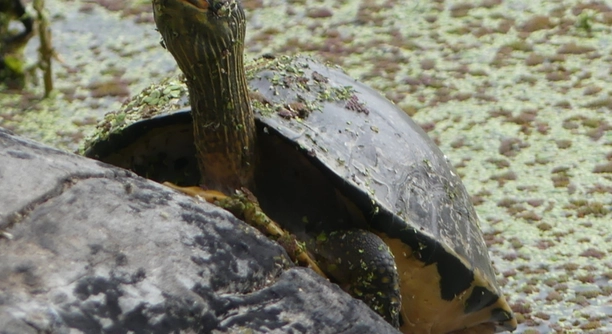
Indian Roofed Tortoises are fascinating creatures, but ensuring they thrive requires careful attention to their diet. There are several common mistakes that tortoise owners make when feeding their pets, which can affect their health and well-being.
Feeding an improper diet, such as too much protein or unsuitable vegetables, can lead to digestive issues and other health concerns in Indian Roofed Tortoises. It’s crucial to offer a balanced, varied diet suited to their specific nutritional needs.
By understanding the dietary needs of your tortoise, you can help it live a healthier and happier life. In the following sections, we’ll discuss key mistakes to avoid when feeding your tortoise.
Overfeeding Protein-Rich Foods
Feeding your Indian Roofed Tortoise too much protein can cause health issues like kidney problems or shell deformities. It’s common to give them high-protein foods like meat, eggs, or even some plants, but too much of this can be harmful. In the wild, their diet consists mostly of grasses and leafy greens, with very little protein. Overfeeding protein leads to excessive growth, stress on their organs, and can affect their natural growth rate.
A proper diet for an Indian Roofed Tortoise should focus more on fiber-rich plants. Too much protein interferes with the absorption of other essential nutrients, so it’s crucial to ensure that protein intake is balanced and kept at a minimum.
Stick to a mostly plant-based diet, like grass, hay, and leafy greens. Adding a small amount of protein sources like insects or eggs can be done occasionally but should not be a staple of their diet. Monitoring their protein intake will keep them healthy and prevent long-term health issues.
Offering Too Many Fruits
While fruits are tasty and nutritious, giving your Indian Roofed Tortoise too many can upset its digestive system. Fruits are high in sugar, which can lead to obesity, shell problems, and even diabetes if fed too often. They should be offered in moderation, as part of a balanced diet.
The majority of your tortoise’s diet should be made up of leafy greens, grasses, and hay. Fruits should only be an occasional treat, not a regular part of their meals. Stick to low-sugar fruits like berries or melons, but keep portions small to avoid overloading their system with sugar.
Too much sugar can cause weight gain and shell deformities. If your tortoise gets too much fruit, it may refuse other foods, leading to nutritional imbalances. Balance is key when feeding them, and fruits should always be kept as an occasional snack rather than a main meal. Keep a close eye on the sugar intake to avoid potential health problems.
Feeding the Wrong Vegetables
Not all vegetables are safe for Indian Roofed Tortoises. Some, like spinach or iceberg lettuce, contain compounds that can cause problems. Spinach, for example, has high levels of oxalates that can bind calcium and prevent proper absorption. This can lead to shell and bone problems.
Avoid vegetables that are high in water content, like iceberg lettuce, which lacks the necessary nutrients and can cause diarrhea. Instead, offer a variety of dark leafy greens like collard greens, dandelion greens, or mustard greens. These options provide more fiber, vitamins, and minerals, making them much healthier for your tortoise.
Feeding a range of safe vegetables ensures your tortoise gets the necessary nutrients. Stick to veggies that are low in oxalates and high in calcium to support shell growth. Regularly changing up the vegetables you offer will also keep their meals interesting and nutritionally balanced. Always research safe vegetable options before adding them to their diet.
Not Providing Enough Variety
A diet that lacks variety can lead to nutritional deficiencies. If you only offer one type of food, your tortoise might miss out on essential nutrients. A varied diet is important for keeping them healthy and helping them thrive in captivity.
To ensure your tortoise gets everything it needs, provide a mix of leafy greens, grasses, flowers, and safe vegetables. This variety supports their immune system and keeps their digestion healthy. You can also occasionally add in some edible flowers or safe weeds to change things up.
A lack of variety may cause your tortoise to become picky or refuse to eat certain foods altogether. Offering a balanced selection helps prevent boredom and nutritional imbalances, leading to a happier, healthier tortoise. Be sure to rotate the foods you offer regularly.
Feeding Inconsistent Meal Sizes
Consistent portion sizes are crucial for your Indian Roofed Tortoise’s health. Offering varying amounts of food at each feeding can lead to overeating or underfeeding. This inconsistency can affect their digestion and overall well-being, creating long-term health risks.
Set a routine with fixed meal sizes to maintain balance. Overfeeding can cause obesity, while underfeeding can result in malnutrition. Track how much food your tortoise consumes daily, adjusting portions based on their age and size. Sticking to consistent meal sizes will help maintain a steady weight and avoid digestive problems.
Ignoring Hydration
Dehydration is a common but often overlooked issue with tortoises. While they may not drink water as frequently as other animals, providing fresh water is essential. Tortoises can become dehydrated, leading to health problems like kidney issues or difficulties with shedding their skin.
FAQ
How often should I feed my Indian Roofed Tortoise?
The feeding frequency depends on the age and size of your tortoise. For young tortoises, you should feed them daily to support their growth. Adults, however, can be fed every other day or even two to three times a week, as their growth rate slows down. Ensure that you adjust the portions to avoid overfeeding, especially for adult tortoises who tend to become less active as they age.
What type of greens are best for my tortoise?
Leafy greens are the best food option for Indian Roofed Tortoises. Offer dark, leafy vegetables like collard greens, dandelion greens, and mustard greens. These vegetables provide the necessary vitamins and minerals, especially calcium, which is essential for shell and bone health. Avoid iceberg lettuce as it lacks nutrients and has too much water content, which can cause digestive issues.
Can I feed my tortoise fruits?
Fruits can be offered occasionally but should not make up a large portion of their diet. Too much fruit, especially those high in sugar, can lead to obesity and other health issues. You can feed your tortoise small portions of fruits like berries or melons, but keep them as an occasional treat rather than a regular meal. Balance is key when feeding them fruits.
Is it okay to feed my tortoise protein?
Protein should be fed in moderation. While tortoises do need some protein for their growth, too much protein can cause kidney damage and shell deformities. Stick to occasional sources of protein like insects, eggs, or small amounts of high-protein plants. Generally, a diet of mostly plants and leafy greens is ideal, with protein only offered sparingly.
Should I add supplements to my tortoise’s diet?
It’s not always necessary to add supplements if you’re feeding your tortoise a well-balanced diet. However, if you’re concerned about calcium intake or if you are feeding foods that might be lacking in certain vitamins, a calcium supplement might be beneficial. It’s essential to consult with a vet before adding any supplements to make sure you’re giving your tortoise the right nutrients in the right amounts.
Can I feed my tortoise weeds from outside?
Yes, many common weeds are safe and nutritious for tortoises. Dandelion greens, clover, and plantain leaves are examples of safe options. However, ensure the weeds haven’t been exposed to pesticides or chemicals. Always gather weeds from pesticide-free areas and avoid any plants that you are unsure about. Research safe weeds to feed your tortoise or consult with a veterinarian.
What do I do if my tortoise isn’t eating?
If your tortoise isn’t eating, there could be several reasons, such as stress, illness, or a change in its environment. First, ensure that its habitat is appropriate with the right temperature and humidity. If the environment is correct and it still refuses to eat, there could be a medical issue. In such cases, it’s best to take your tortoise to a vet who specializes in reptiles to rule out any health concerns.
How can I tell if my tortoise is overweight?
Overweight tortoises will often have a rounded or swollen appearance, especially around their shell and limbs. If the shell becomes misshapen or bulging, this can be a sign of excess fat. You can also feel for fat deposits around the sides and tail. To prevent obesity, regulate their diet and ensure they are getting enough exercise, like offering opportunities for them to roam and explore.
How do I provide proper hydration for my tortoise?
Tortoises can sometimes be tricky when it comes to drinking water. It’s important to offer fresh water in a shallow dish so they can drink when needed. You can also soak your tortoise in lukewarm water once a week to help with hydration and ensure proper bowel function. Make sure the water is not too deep, as they may struggle to get out of it.
Can I feed my tortoise pellets?
While pellets designed for tortoises can be used as a supplement, they should not be the main part of their diet. Pellets often lack the necessary variety and fiber found in natural vegetation. If you use them, ensure that they are high-quality pellets, and always provide fresh greens, hay, and vegetables as the primary food source. Over-reliance on pellets can lead to an imbalanced diet.
Final Thoughts
Taking care of an Indian Roofed Tortoise involves providing a balanced and varied diet that closely resembles what they would eat in the wild. This means focusing on high-fiber plants like grasses and leafy greens while keeping protein and fruit to a minimum. Offering a variety of safe vegetables, flowers, and occasionally edible weeds ensures that your tortoise gets the nutrients it needs to stay healthy. The key is to avoid overfeeding, as this can lead to health issues like obesity or digestive problems. By providing a balanced diet, you can help your tortoise live a long and healthy life.
Hydration is just as important as the right food. Even though tortoises don’t drink as much water as other animals, they still need access to fresh water every day. You can also soak your tortoise in lukewarm water from time to time to keep them hydrated and promote good digestion. Consistently offering fresh, clean water and soaking them weekly can help prevent dehydration, which can lead to kidney problems or other health issues. Regular hydration is a simple but crucial part of keeping your tortoise healthy.
Remember, every tortoise is different, and it’s essential to observe your pet and make adjustments as needed. What works for one tortoise might not work for another, so don’t be afraid to consult with a vet if you have concerns about their diet or health. With the right care, attention, and understanding of their nutritional needs, you can ensure your Indian Roofed Tortoise lives a comfortable and happy life. Keep learning and adjusting, and your tortoise will thrive for years to come.

Hello,
If you enjoy the content that we create, please consider saying a "Thank You!" by leaving a tip.
Every little bit helps us continue crafting quality advice that supports the health, happiness, and well-being of pets around the world, for pets of all shapes, sizes, and species.
We really appreciate the kindness and support that you show us!