
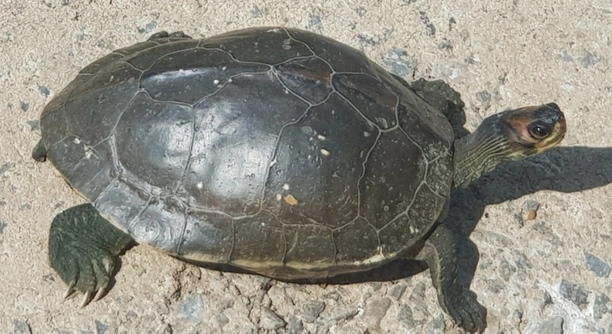
Many tortoise owners may notice their Indian Roofed Tortoise resting on its side, which can be worrying. Understanding why this happens is important to ensure the health and comfort of your pet.
The most common reason your Indian Roofed Tortoise is resting on its side is due to stress, discomfort, or a health issue. It can also occur if the tortoise is not feeling secure in its environment or has difficulty moving due to injury.
Taking time to observe your tortoise’s behavior and environment can help you determine the cause. By understanding these issues, you can provide the necessary care for your tortoise’s well-being.
Common Causes of Resting on the Side
Indian Roofed Tortoises are typically active and enjoy moving around, but they may occasionally rest on their side for several reasons. The most likely cause is stress. Changes in their environment, like new surroundings or unfamiliar sounds, can trigger a response that causes them to rest awkwardly. This can also happen if they feel unsafe or threatened. Another reason could be an injury or discomfort. If your tortoise has hurt its limbs or back, it may struggle to move and rest on its side as it tries to find a comfortable position. Also, the temperature and humidity of the enclosure play a role. If these factors are off, it can lead to lethargy, causing your tortoise to rest more than usual.
Resting on the side can sometimes be a sign of a health issue like dehydration or illness. This behavior may occur if your tortoise is feeling weak or sick. You should observe any other unusual symptoms like loss of appetite or abnormal movement.
Ensuring that your tortoise’s habitat is stable and well-maintained is essential. Regularly check the temperature, humidity, and diet to avoid unnecessary stress. If the issue persists, it’s important to consult a vet to rule out health conditions. A proper environment with plenty of space will help your tortoise feel secure and healthy.
How to Help Your Tortoise
If your Indian Roofed Tortoise is resting on its side regularly, there are steps you can take to address the issue. First, check for signs of injury or illness.
Ensure your tortoise’s living conditions are optimal. The enclosure should be spacious with a proper heat gradient, as this helps them regulate their body temperature. Additionally, monitor humidity levels and provide a balanced diet.
Stress and Environmental Changes
Stress can be a major factor in why your tortoise might be resting on its side. New environments, loud noises, or unfamiliar objects can make them feel uneasy. This may lead to them trying to find a comfortable and secure place to rest. They often won’t move around as much when stressed, leading to more time spent lying down or on their side.
Creating a stable and calm environment is important for your tortoise. If there has been a recent change in its surroundings, try to return things to normal. Place objects that provide hiding spots or shelter to help them feel more secure. A secure enclosure with no sudden disturbances will encourage normal behavior.
If your tortoise is still resting on its side after changes are made, it could be more than stress. Look closely for any other signs of discomfort or illness that might require further attention.
Temperature and Humidity Issues
Temperature and humidity are crucial for your tortoise’s comfort. If these conditions aren’t right, it may cause your tortoise to become sluggish and rest more often. Too much heat or not enough warmth can cause your tortoise to lie on its side, trying to regulate its body temperature.
Check the temperature in both the basking and cooler areas of the enclosure. Ideal temperatures should range from 75°F to 85°F for the cooler side and 90°F to 100°F for the basking area. Humidity should also be maintained at around 50-60% to ensure your tortoise stays comfortable.
If the environment is not ideal, your tortoise may become stressed or lethargic, leading to behavior like resting on its side. Ensure your tortoise has access to a proper heat source and humidity control, like a misting system or humidifier, if necessary.
Injury or Physical Discomfort
If your tortoise has an injury, it may lie on its side as it tries to cope with the discomfort. A broken limb, muscle strain, or back injury can make moving difficult. This causes them to stay in one spot, often resting on their side to avoid further pain.
Always inspect your tortoise for visible injuries like swelling or tenderness. If you notice anything unusual, such as limping or difficulty moving, it’s best to take them to a vet for a thorough check-up. Ignoring potential injuries can lead to further complications.
Illness or Health Problems
When a tortoise is unwell, it may show signs of lethargy, including resting on its side more often. Illnesses like respiratory infections, parasites, or digestive issues can weaken their body, causing them to rest more.
A sick tortoise may also refuse food or show abnormal behavior, such as staying in one position for a long time. If you notice these signs, take your tortoise to a vet as soon as possible. Proper care and medication will help get them back to their usual behavior.
FAQ
Why is my Indian Roofed Tortoise always on its side?
If your tortoise is frequently resting on its side, it may be due to stress, discomfort, or health issues. Changes in their environment, like moving to a new home or encountering new sounds, can cause them to seek security by lying down. It could also be a result of injury or illness, which makes movement harder. Ensure their enclosure is well-maintained, with the right temperature, humidity, and hiding spots to make them feel safe. If the behavior continues, a vet visit is recommended to rule out any serious health problems.
How can I tell if my tortoise is injured?
You can check for signs of injury by observing any unusual behavior like limping, dragging one leg, or showing a reluctance to move. Look for physical signs like swelling, bruising, or cuts on the shell or limbs. If your tortoise is having difficulty moving or is resting on its side due to pain, it’s important to gently inspect it for any injuries. If you find something concerning, it’s best to take your tortoise to a veterinarian to ensure proper treatment.
What is the ideal temperature for my tortoise’s enclosure?
The temperature in your tortoise’s enclosure is crucial for its well-being. The basking area should be between 90°F and 100°F, allowing your tortoise to warm up when needed. The cooler side of the habitat should range between 75°F and 85°F, offering a place for them to retreat when they need to cool down. Keeping a proper heat gradient will help your tortoise regulate its body temperature, which is important for digestion, movement, and overall health.
Can humidity levels affect my tortoise’s health?
Yes, humidity plays a significant role in your tortoise’s health. Too low humidity can lead to dehydration, making your tortoise feel weak and lethargic, which could cause it to rest on its side more frequently. On the other hand, high humidity can encourage mold growth and create an environment that could lead to respiratory problems. Maintaining humidity levels between 50% and 60% is ideal for an Indian Roofed Tortoise. A simple way to regulate humidity is by misting the enclosure or using a humidifier.
What should I do if my tortoise refuses to eat?
A loss of appetite can be a sign of illness or stress in your tortoise. If they are resting on their side and not eating, they may be experiencing discomfort from an underlying health issue, like a respiratory infection, parasites, or digestive problems. Start by ensuring the temperature and humidity in the enclosure are correct. If the problem persists for more than a day or two, it’s essential to visit a vet who specializes in reptiles for an accurate diagnosis.
How often should I handle my tortoise?
Handling your tortoise too frequently can cause stress, especially if they are not used to being picked up. It’s best to keep handling to a minimum unless necessary, such as during cleaning or medical checks. Tortoises are solitary creatures and may not appreciate being held often. If you do handle them, be gentle and avoid sudden movements. Allow your tortoise time to adjust to its surroundings without the constant disturbance of being picked up.
Is it normal for my tortoise to sleep a lot?
Tortoises are known to rest frequently, especially during cooler months or after feeding. However, if your tortoise is resting more than usual and appears lethargic, it might indicate a problem. Illness, dehydration, or improper environmental conditions like poor temperature or humidity could be contributing factors. Ensure your tortoise’s habitat is suitable and monitor its health closely. If you notice a significant change in their sleep patterns, it’s a good idea to consult a veterinarian.
Can my tortoise become stressed easily?
Yes, tortoises can become stressed by environmental changes, loud noises, unfamiliar surroundings, or being handled too often. They are creatures of habit and prefer a stable, quiet environment. Stress can lead to health problems, including lethargy and a decrease in appetite. To reduce stress, provide a consistent habitat with secure hiding spots and a proper heat gradient. Avoid sudden changes and limit handling to avoid unnecessary anxiety for your tortoise.
Why does my tortoise flip over?
It’s not uncommon for tortoises to flip over, especially if they’re in an environment with obstacles or if they’re not feeling well. If a tortoise is weak or ill, it may be unable to flip back over on its own. This could result in it staying on its side, which might lead to further discomfort or stress. Regularly check your tortoise’s enclosure to make sure there aren’t any obstacles that could cause flipping. If this occurs frequently, a vet visit is recommended.
What should I feed my tortoise to keep it healthy?
A healthy, well-balanced diet is crucial for your tortoise’s health. Indian Roofed Tortoises are herbivores and thrive on leafy greens, grasses, flowers, and certain fruits. Offer a variety of dark leafy vegetables like dandelion greens, collard greens, and kale. Avoid high-oxalate foods like spinach, as they can interfere with calcium absorption. You should also provide a calcium supplement to support their shell health. Fresh water should always be available, and avoid feeding them too many sugary fruits, as this can lead to digestive issues.
Final Thoughts
It’s natural to feel concerned when your Indian Roofed Tortoise is resting on its side, as this behavior can be a sign of various underlying issues. Stress, environmental changes, or physical discomfort can all play a role in this behavior. While it’s common for tortoises to rest more than usual due to stress or discomfort, paying close attention to their environment and health is important. Ensuring their habitat is stable with proper temperature, humidity, and space can help prevent unnecessary stress. A calm, secure environment is crucial for your tortoise’s overall well-being.
In some cases, the reason for your tortoise resting on its side might be related to health problems such as an injury or illness. If you notice other signs of distress, like lack of appetite, lethargy, or abnormal movement, it’s essential to take action. A visit to the vet can help rule out health conditions and provide guidance on how to best support your tortoise’s recovery. Proper care and prompt attention can often resolve issues before they become serious.
Ultimately, understanding why your Indian Roofed Tortoise is resting on its side requires careful observation and sometimes professional advice. With the right care, most issues can be addressed, and your tortoise will return to its active, healthy self. By maintaining a stable, well-maintained environment and seeking help when needed, you can help your tortoise live a comfortable and happy life.

Hello,
If you enjoy the content that we create, please consider saying a "Thank You!" by leaving a tip.
Every little bit helps us continue crafting quality advice that supports the health, happiness, and well-being of pets around the world, for pets of all shapes, sizes, and species.
We really appreciate the kindness and support that you show us!