
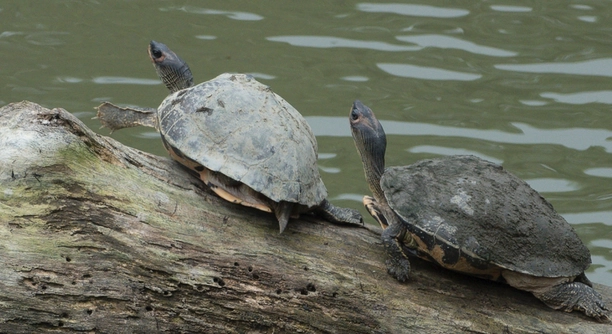
Do you ever find yourself searching for the best water bowl to keep your Indian Roofed Tortoise healthy and comfortable? Choosing the right one can sometimes feel overwhelming with so many options available.
The ideal water bowl for an Indian Roofed Tortoise should be shallow, stable, easy to clean, and made of non-toxic materials. These features ensure that the tortoise stays hydrated without risk of tipping, contamination, or accidental drowning.
Each bowl on this list is selected to meet both safety and convenience, making your tortoise care routine simpler and more effective.
Why Choosing the Right Water Bowl Matters
When it comes to caring for Indian Roofed Tortoises, small details like the water bowl can impact their overall health. These tortoises need shallow, sturdy bowls that allow them to drink and soak safely. Deep or unstable bowls may cause tipping accidents or even lead to drowning, especially in young tortoises. Materials also play a role—non-toxic, easy-to-clean bowls reduce the risk of bacteria buildup, keeping the water fresh. Since tortoises often step into their bowls, having something durable and easy to sanitize saves effort. A carefully selected bowl supports hydration, hygiene, and safety, making daily care much easier.
The wrong bowl choice can result in spills, messy habitats, and unnecessary stress for both you and your tortoise.
A reliable water bowl doesn’t have to be fancy. It just needs to meet the tortoise’s basic needs—shallow depth, strong base, and easy maintenance. Simplicity keeps things hassle-free.
Key Features to Look For
Not every bowl is safe or practical for Indian Roofed Tortoises. Certain features make one option better than another.
Opt for a shallow design first. Tortoises aren’t strong swimmers, so a bowl with low sides prevents accidental drowning. Weight is another important factor. Heavy ceramic or stone bowls are harder to tip, especially when your tortoise climbs in. Smooth edges keep your pet safe from scratches. Non-toxic materials like food-grade plastic, ceramic, or natural stone ensure there’s no harmful chemical exposure. Additionally, consider ease of cleaning. Bowls that resist algae buildup and rinse out quickly reduce the risk of water contamination. Prioritize function over aesthetics to make sure your tortoise stays healthy and hydrated without extra maintenance challenges.
Best Material Options for Water Bowls
Ceramic bowls are a reliable option because they are sturdy and difficult to tip over. Their weight keeps them in place even when the tortoise steps inside. They are also easy to clean and non-toxic.
Stone or slate bowls offer a natural look and have a rough texture that provides grip for the tortoise. These bowls are heavy, stable, and blend well into the habitat. Food-grade plastic bowls can also be used, but it’s important to make sure they’re thick, BPA-free, and easy to sanitize. Avoid lightweight, flimsy plastic bowls, as they can easily flip over, spill water, or crack. Stainless steel bowls are another option but should have a wide base to prevent tipping. All materials should be free from sharp edges to avoid injury. Consistency in cleaning helps prevent bacterial buildup and ensures the material remains safe for daily use.
Avoid using glass bowls, as they can be slippery and pose a risk if broken. Unglazed ceramic can absorb water and harbor bacteria if not cleaned properly, so glazed ceramic is preferable. Wooden bowls are also unsuitable because they retain moisture, leading to mold and bacteria growth. Always focus on durability, safety, and ease of cleaning when selecting the bowl material.
Size and Shape Considerations
A shallow bowl with gently sloped sides works best for Indian Roofed Tortoises. It allows easy access without making it hard for them to climb in and out. Deep bowls should be avoided to reduce the risk of drowning.
Look for a bowl that is wide and low, allowing your tortoise enough space to drink or soak comfortably. Bowls with a broad base offer more stability and prevent tipping, even if the tortoise leans on the edge. The size should be large enough to hold water for hydration but not so big that it crowds the habitat. Smooth, rounded edges are safer compared to sharp corners. If you have a younger tortoise, opt for smaller, shallower bowls initially, and upgrade as it grows. Keeping the bowl proportionate to the tortoise’s size supports both convenience and safety.
Cleaning and Maintenance Tips
Clean the water bowl daily to prevent algae, bacteria, and dirt buildup. Use warm water and a soft brush or sponge to scrub the bowl thoroughly. Avoid harsh chemicals; mild soap or vinegar works well.
Rinse the bowl properly after cleaning to remove any soap or vinegar residue. Ensure the bowl is completely dry before refilling with fresh water to avoid unwanted bacteria growth.
Recommended Water Bowl Depth
A water bowl depth of around 1 to 1.5 inches is ideal for Indian Roofed Tortoises. This shallow depth allows easy access for drinking and soaking without posing a drowning risk. For hatchlings, choose even shallower bowls to ensure maximum safety and comfort during hydration.
Placement Inside the Enclosure
Place the bowl on a flat, stable surface within the enclosure to avoid tipping. Keep it away from the basking area to prevent the water from heating up too quickly or evaporating fast.
FAQ
What size water bowl is best for an Indian Roofed Tortoise?
The best size for an Indian Roofed Tortoise water bowl depends on its age and size. A shallow bowl around 1 to 1.5 inches deep is ideal for most tortoises. Hatchlings need even shallower bowls, while adult tortoises can use slightly deeper bowls. The key is ensuring the bowl is not so deep that it becomes a drowning hazard.
How often should I change the water in the bowl?
You should change the water in your tortoise’s bowl every day. Fresh water helps prevent bacteria buildup and ensures the tortoise stays hydrated. If the water gets dirty during the day, change it immediately. Clean, fresh water is crucial for their health and well-being.
Can I use a plastic water bowl for my tortoise?
Plastic bowls are fine as long as they are thick, sturdy, and made from non-toxic, food-safe materials. Avoid using cheap, flimsy plastic bowls as they can tip over easily or crack. Look for BPA-free plastic bowls that are easy to clean and sanitize regularly.
Should I place the water bowl inside the basking area?
It’s best not to place the water bowl in the basking area, as the heat can cause the water to evaporate too quickly or become too warm for the tortoise. Keep the bowl in a cooler, shaded part of the enclosure, where the temperature remains more stable and comfortable for drinking and soaking.
Can I use a deep water bowl for my tortoise?
It’s not recommended to use a deep water bowl, as it increases the risk of drowning, especially for younger or smaller tortoises. Tortoises are not natural swimmers, and a deep bowl may also cause stress if they struggle to get in and out of it. Stick to shallow bowls to ensure safety.
How do I clean my tortoise’s water bowl?
Cleaning the water bowl daily is essential to prevent bacteria growth. Use warm water and a soft brush or sponge to scrub the bowl. Avoid harsh chemicals; mild dish soap or vinegar is fine for cleaning. Be sure to rinse the bowl thoroughly to remove any cleaning residue before refilling with fresh water.
What is the best material for a tortoise water bowl?
Ceramic and stone bowls are generally the best options because they are heavy and stable, reducing the risk of tipping. They are also easy to clean and safe for your tortoise. Food-safe plastic bowls can also work, but ensure they are sturdy and made of non-toxic materials. Avoid using glass, as it can be slippery and prone to breakage.
How big should the water bowl be for a hatchling?
For hatchlings, the water bowl should be very shallow—about 0.5 to 1 inch deep. This helps prevent drowning while still providing enough space for them to drink and soak comfortably. As they grow, you can transition to a slightly deeper bowl. Always monitor your hatchling closely to ensure the water bowl remains safe.
Do I need to add anything to the water?
There’s no need to add anything to the water unless advised by a veterinarian. The water should be clean and fresh, free of chemicals or additives. Some tortoise owners may use water conditioners, but these are generally not necessary for hydration. Regular water changes and proper bowl maintenance are enough to keep your tortoise healthy.
Can I use a shallow dish as a water bowl?
Yes, a shallow dish can work well, especially if it’s sturdy and made from a safe material like ceramic or stone. Ensure the dish has smooth edges and is wide enough for your tortoise to drink from easily. The key is that it must be stable and low enough to avoid any risk of drowning.
Should I keep the water bowl clean even if my tortoise doesn’t drink much?
Yes, you should still clean the water bowl daily. Even if your tortoise doesn’t drink much, it’s important to maintain good hygiene in the enclosure. A clean bowl ensures that the water remains fresh and prevents the growth of bacteria that could harm your tortoise, even if they don’t drink as often.
Can I use a water bowl with a filter?
While a water bowl with a filter is not necessary, it can be a helpful feature if your tortoise tends to soil the water quickly. Some owners opt for filtered water bowls to maintain cleaner water for longer periods, but regular water changes and proper bowl cleaning are usually sufficient for most tortoises.
How do I prevent my tortoise from flipping the water bowl?
To prevent flipping, choose a heavy, stable bowl that is difficult for your tortoise to tip over. Ceramic or stone bowls with a wide, low base work best for this. You can also consider securing the bowl in place with a non-toxic adhesive or place it in a corner where it’s less likely to get knocked over.
Is it okay for my tortoise to soak in the water bowl?
Indian Roofed Tortoises enjoy soaking in their water bowl, especially when they need to hydrate or shed their skin. Ensure the bowl is deep enough for them to soak without the risk of drowning. Regular soaking helps with hydration, and it also encourages natural behaviors.
Final Thoughts
Choosing the right water bowl for your Indian Roofed Tortoise is an important part of their care routine. The right bowl ensures they stay hydrated and can soak safely without risk. It’s crucial to choose a bowl that is shallow, stable, and easy to clean. Ceramic or stone bowls are often the best options because they are heavy, durable, and less likely to tip over. Plastic bowls can also be fine as long as they are sturdy, non-toxic, and BPA-free. Avoid using materials that are easily breakable or can harbor bacteria, like glass or wood.
The size and placement of the water bowl also matter. A shallow depth of around 1 to 1.5 inches is ideal for most adult tortoises, while hatchlings need even shallower bowls. The bowl should be placed in a stable, cool part of the enclosure, away from the basking area. This will prevent the water from getting too warm and will help keep the humidity levels balanced. Regular cleaning and changing of the water are essential to avoid any buildup of bacteria or algae, which can affect your tortoise’s health. It’s best to clean the bowl daily, and if needed, wash it with mild soap or vinegar to ensure it stays safe for your pet.
Taking the time to find the right water bowl and maintain it properly is a small effort that makes a big difference in your tortoise’s health and happiness. Even though it may seem like a simple decision, choosing the right bowl helps avoid accidents like drowning or dehydration. By considering the depth, size, and material of the bowl, you can create a safe and comfortable environment for your Indian Roofed Tortoise. This attention to detail will support their overall well-being and make your care routine easier and more effective.

Hello,
If you enjoy the content that we create, please consider saying a "Thank You!" by leaving a tip.
Every little bit helps us continue crafting quality advice that supports the health, happiness, and well-being of pets around the world, for pets of all shapes, sizes, and species.
We really appreciate the kindness and support that you show us!